
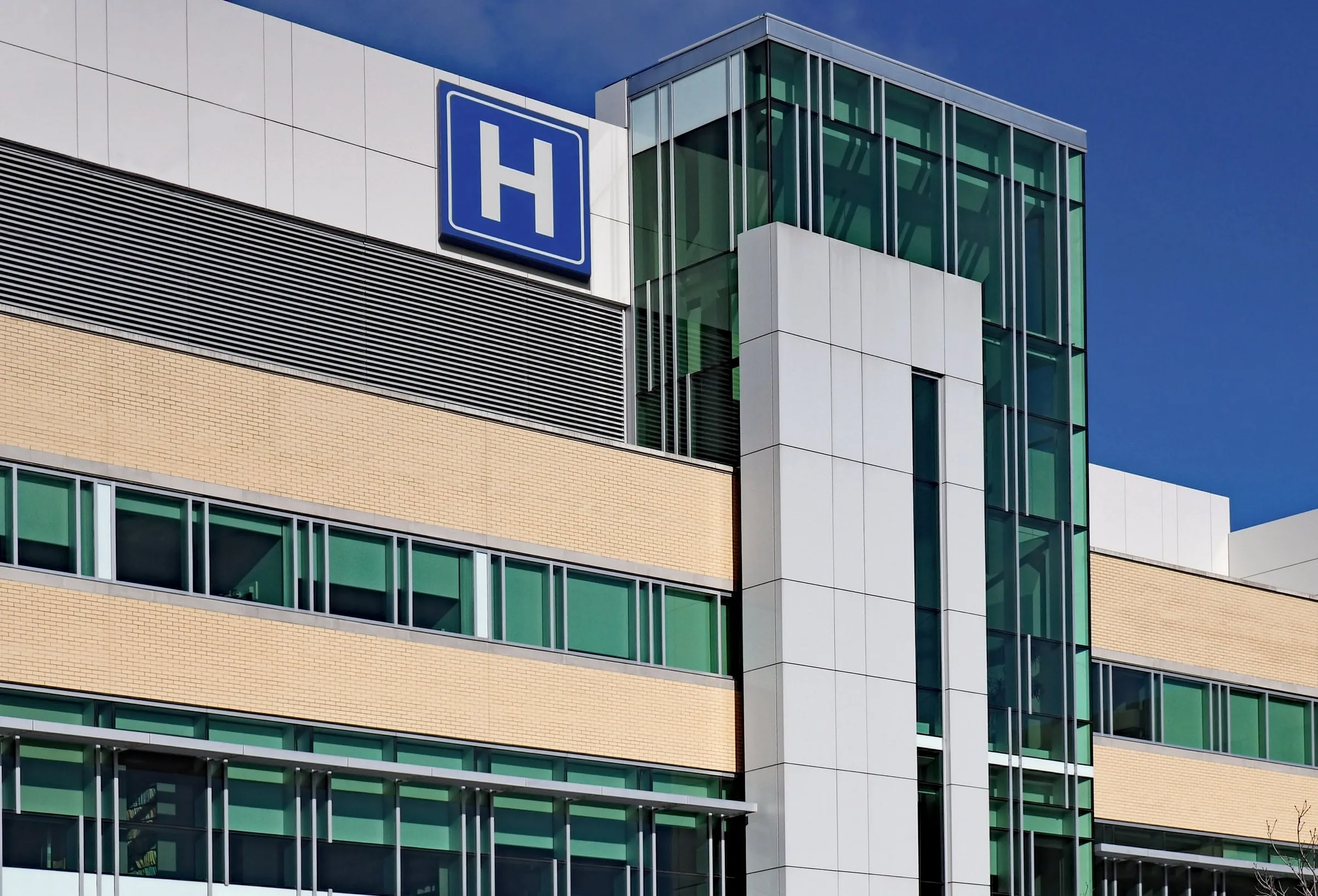
Security Guards for Healthcare
Officers trained in customer service and de-escalation for the places where people arrive frightened, and armed coverage for facilities that need it urgently.
Request a proposalThe industry in Houston
The largest medical district in the world is here
The Texas Medical Center and the hospital systems that radiate from it into every suburb make healthcare one of Houston's biggest employers. Hospitals, standalone emergency rooms, urgent care, dialysis, behavioral health, plasma centers and clinics all run on their own hours and their own risks.
People arrive in the worst hour of their lives. Emergency departments, behavioral health units and treatment centers receive patients and families who are frightened, in pain or intoxicated. The officer's job is to keep the space calm without adding to the fear, and to know the moment to call for help.
Staff safety is now a facility priority. Nurses and front-desk staff are the people most often threatened in a healthcare setting. A visible officer at the entrance and at triage changes behavior, and a documented response protects staff and the facility.
Access is complicated by design. Visitors, patients, vendors, home health, transport, pharmacy deliveries and staff all use different doors at different hours. After-hours entrances, pharmacies, records rooms and loading docks each need a rule and a person to apply it.
Property types
Pick the page that matches your property.
Each page below covers the risks, the post, the report and the questions specific to that property type.
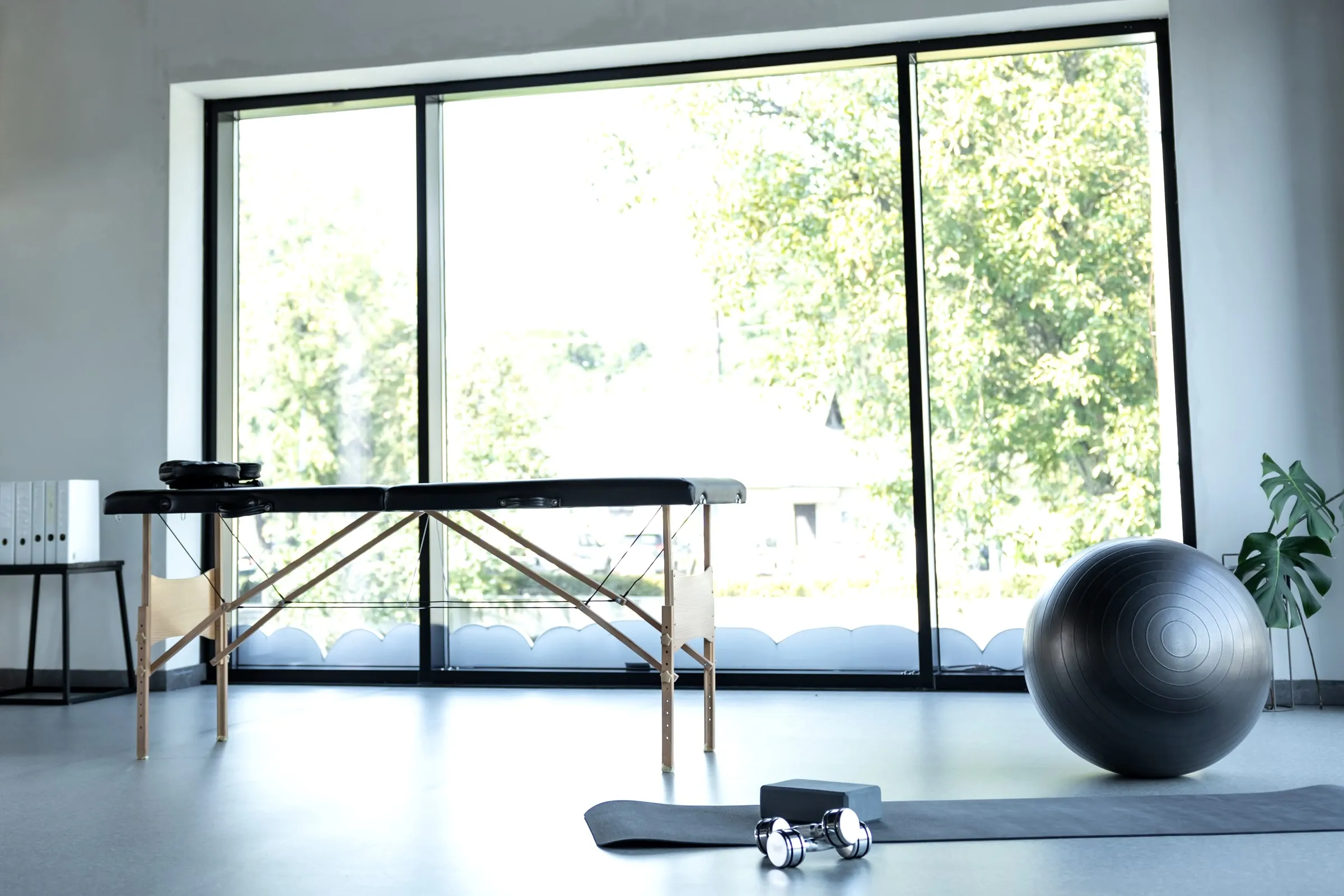
Addiction treatment centers
A controlled intake and a quiet grounds patrol, built around a program's own admission rules and its neighbors' expectation of a quiet property.
Learn more
Behavioral health facilities
A controlled entrance and a calm officer trained in de-escalation, positioned where the facility's own admission and visitation rules say to stand.
Learn more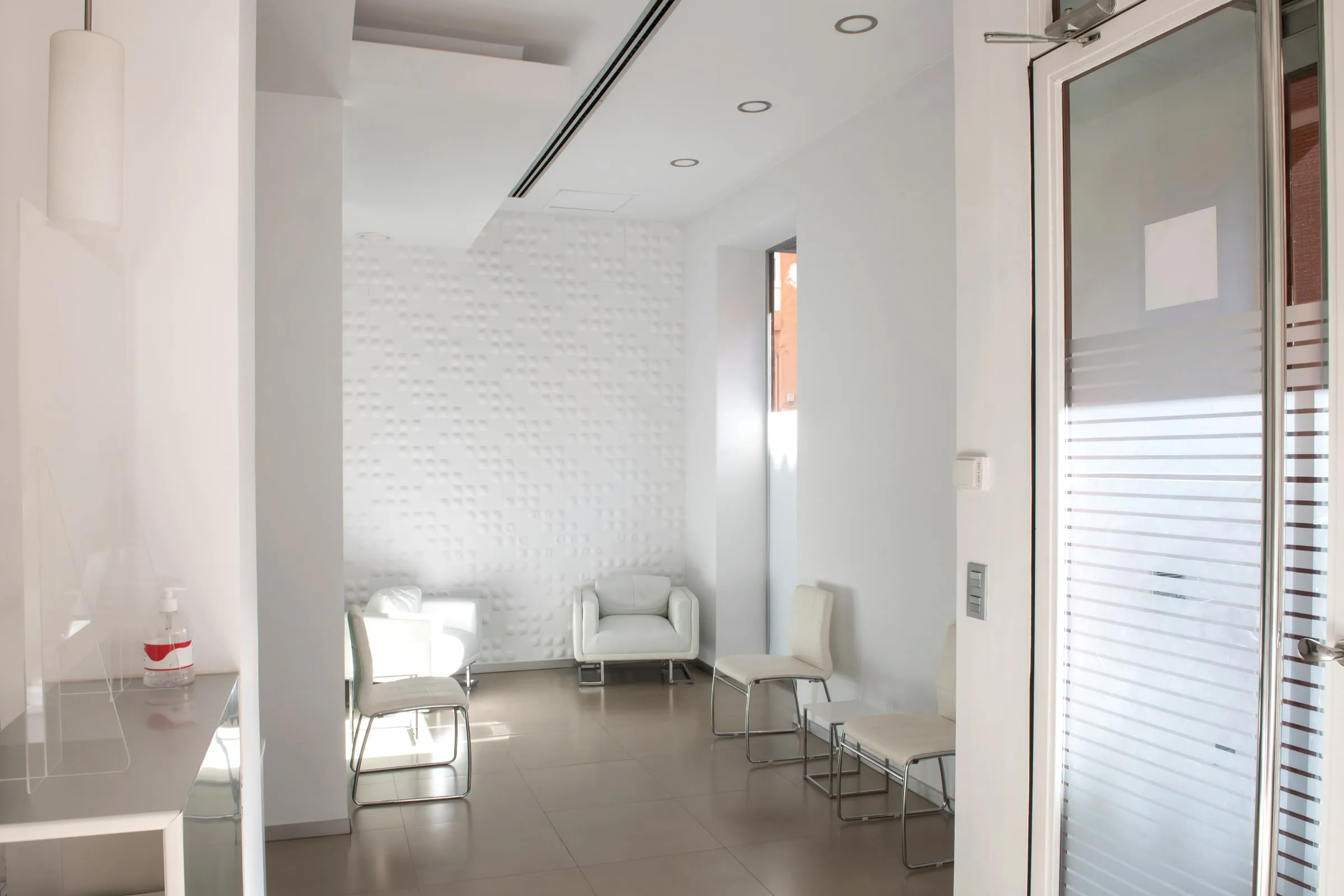
Dental offices
Patrol checks and alarm response for the hours a small practice is closed, sized to a business that rarely needs a full-time officer at all.
Learn more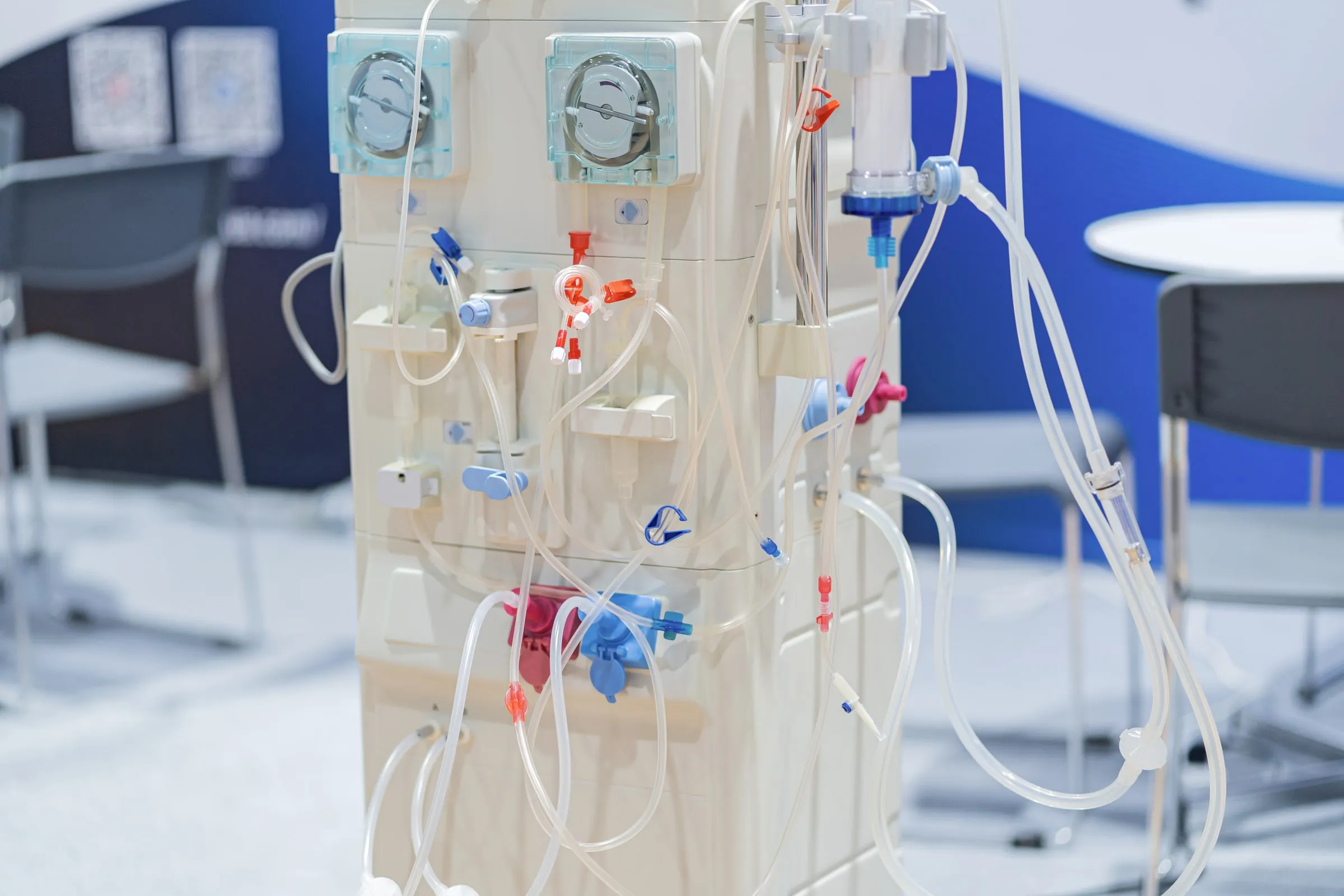
Dialysis centers
A steady presence at the door and the pickup lane, for a center whose patients come three times a week on a schedule that cannot slip.
Learn more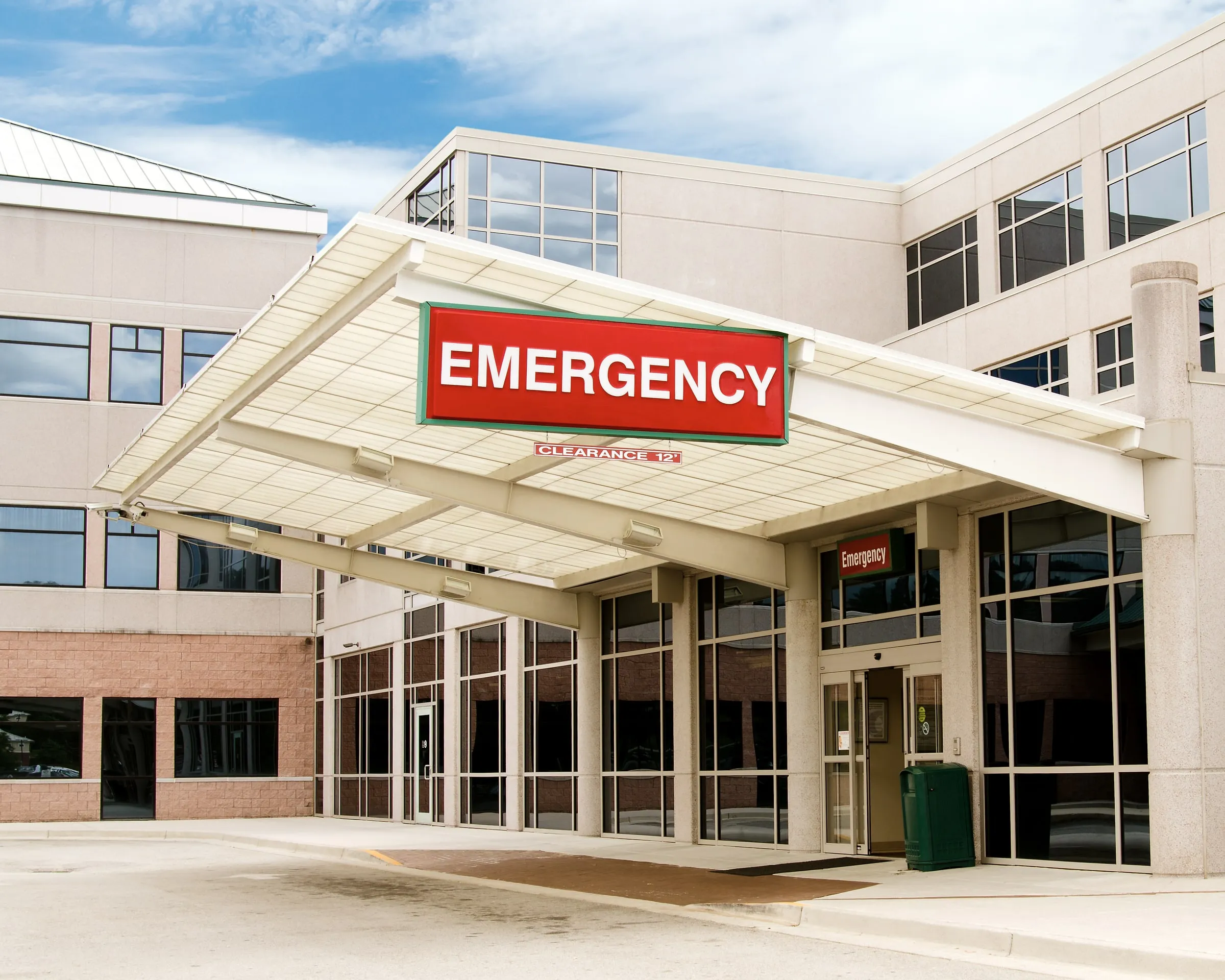
Emergency departments
A steady officer in the waiting room and at the ambulance bay, present for the hour that is never predictable in advance.
Learn more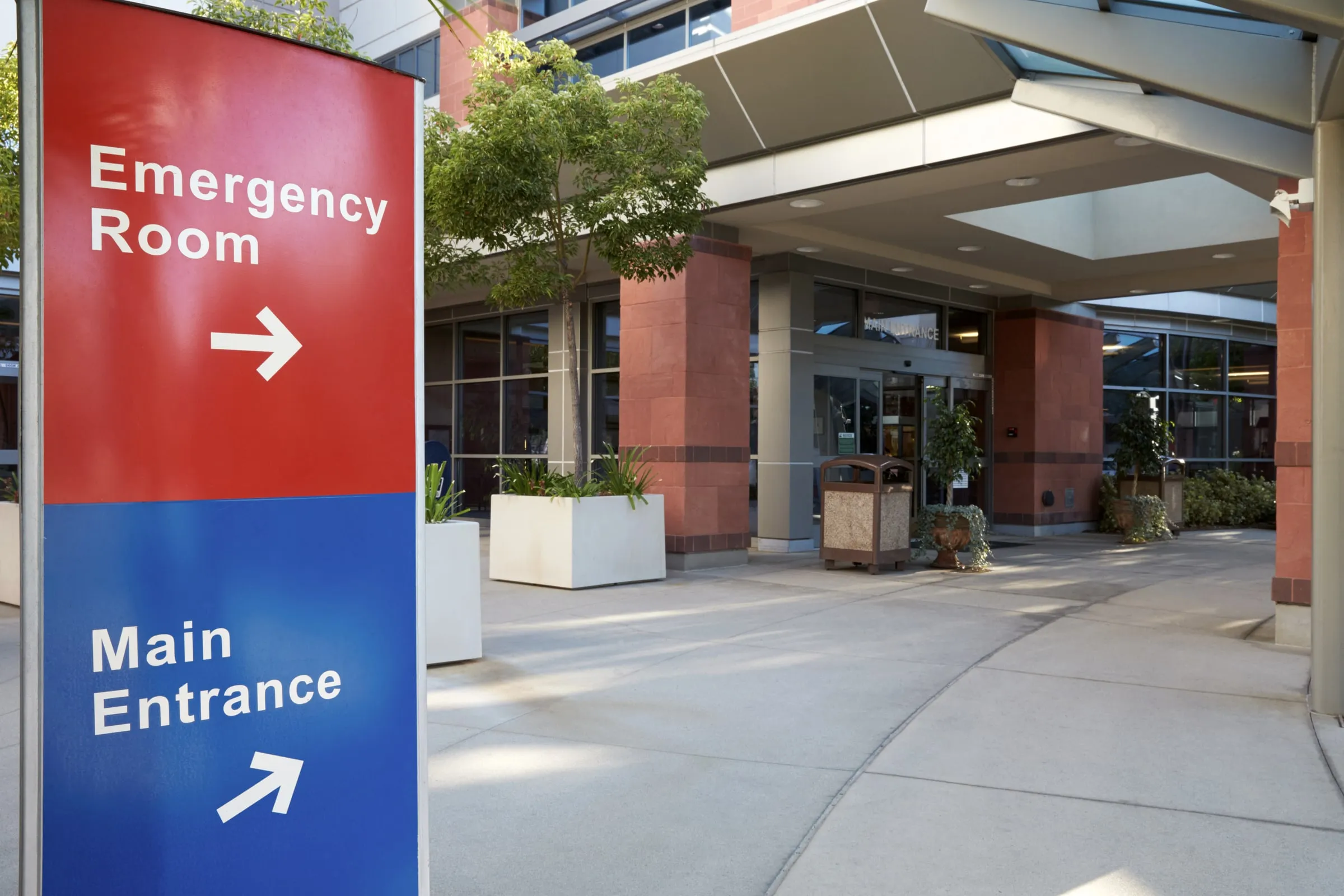
Hospitals
A licensed presence at the doors, the garages and the campus edge, working the entrances the hospital's own team cannot cover alone.
Learn more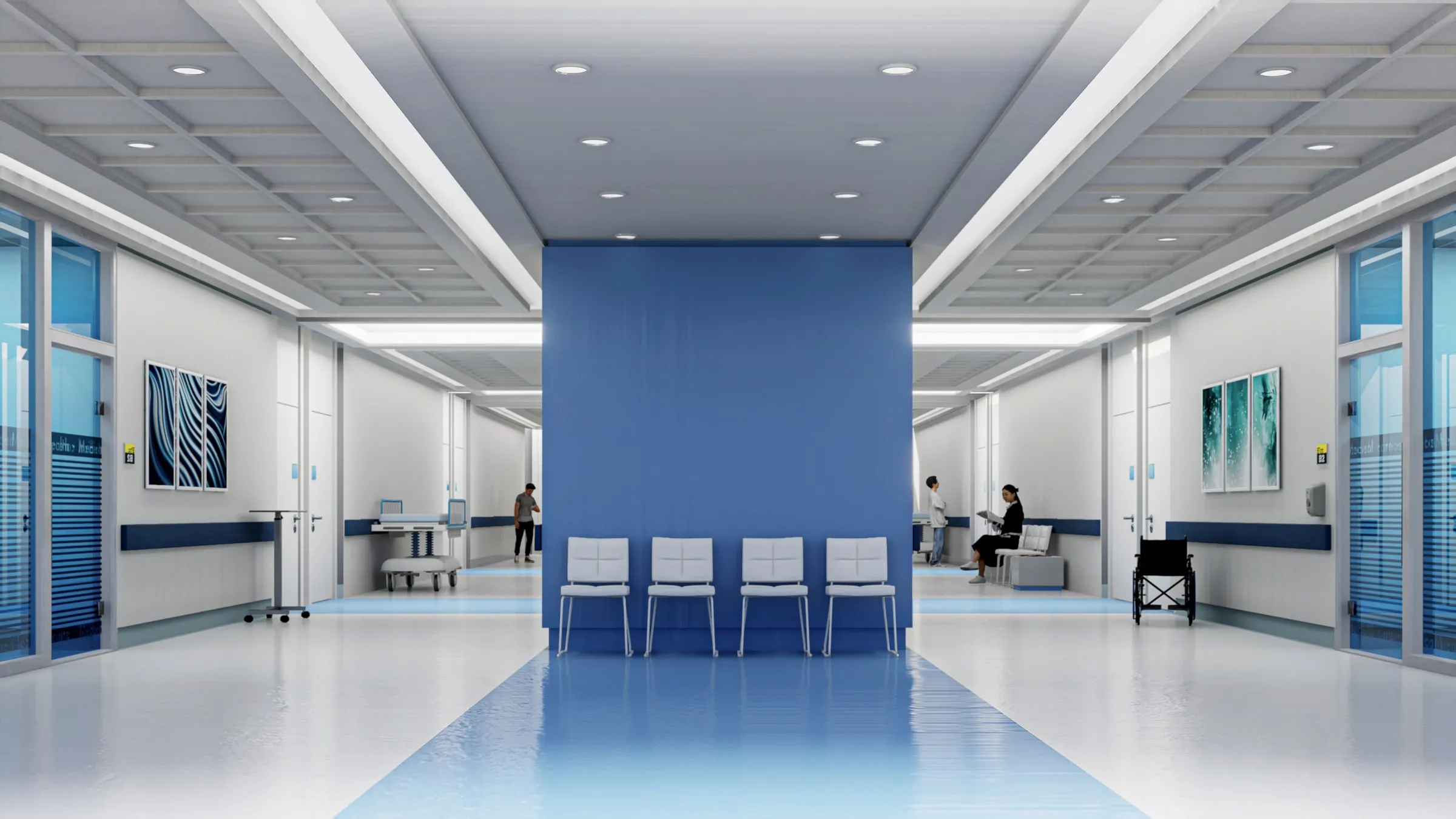
Medical clinics
A presence at the front desk and the building's common areas, sized to a scheduled clinic day rather than a hospital's around-the-clock traffic.
Learn more
Nursing homes and assisted living
A watchful officer at the doors and the halls overnight, in a building where residents, not visitors, are most of who is there around the clock.
Learn more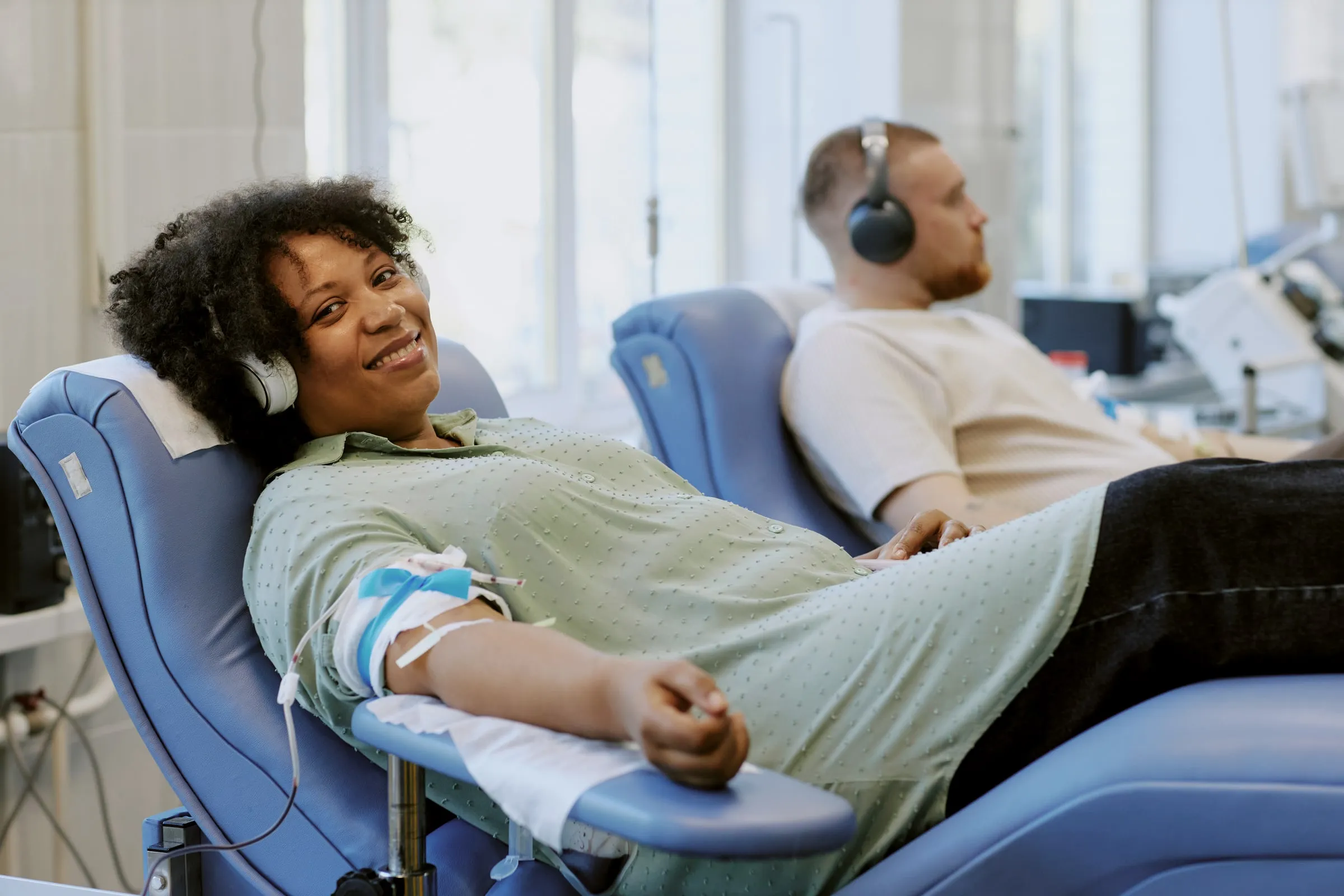
Plasma donation centers
An officer at the door and the queue, for a center that pays donors, draws a line outside on its busiest days, and closes with a deposit to secure.
Learn more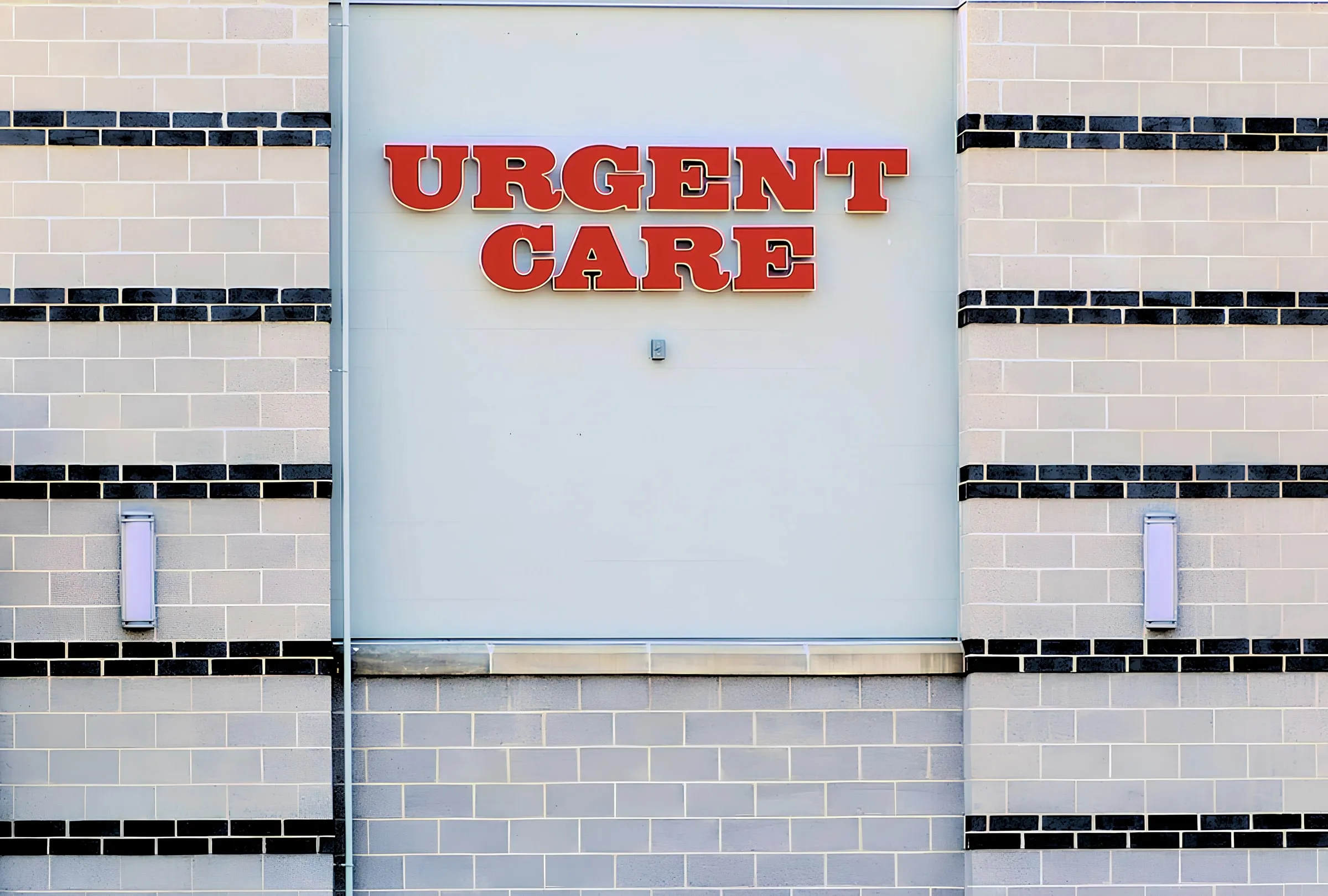
Urgent care centers
A visible officer for the evening rush and the closing routine, at a clinic that usually has one or two staff on duty and no security desk of its own.
Learn more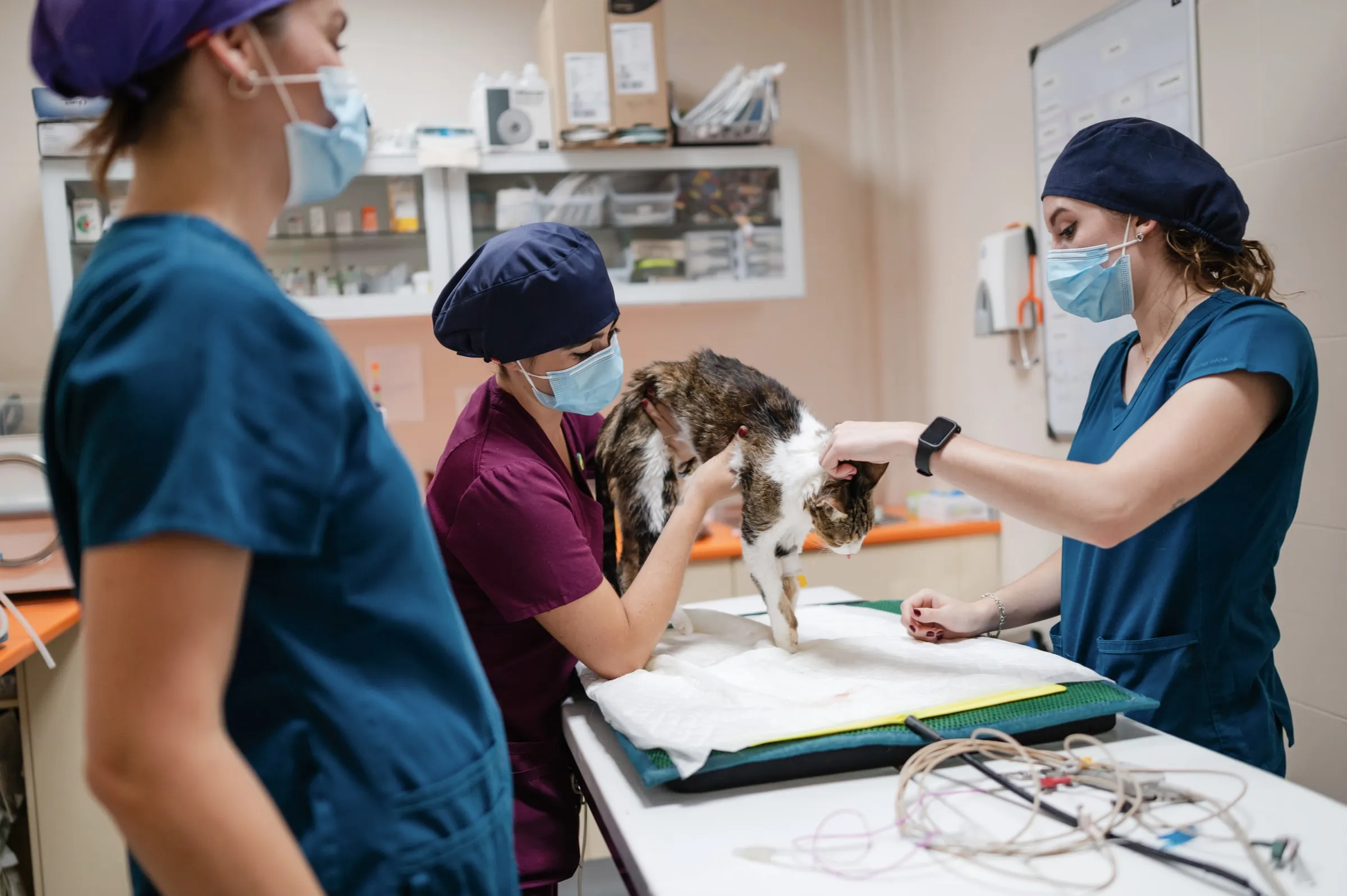
Veterinary hospitals
A steady presence for the curbside drop-off and the overnight shift, at a hospital where one or two staff often work alone after dark.
Learn more
How we work here
The services this industry uses.
- Armed security guards
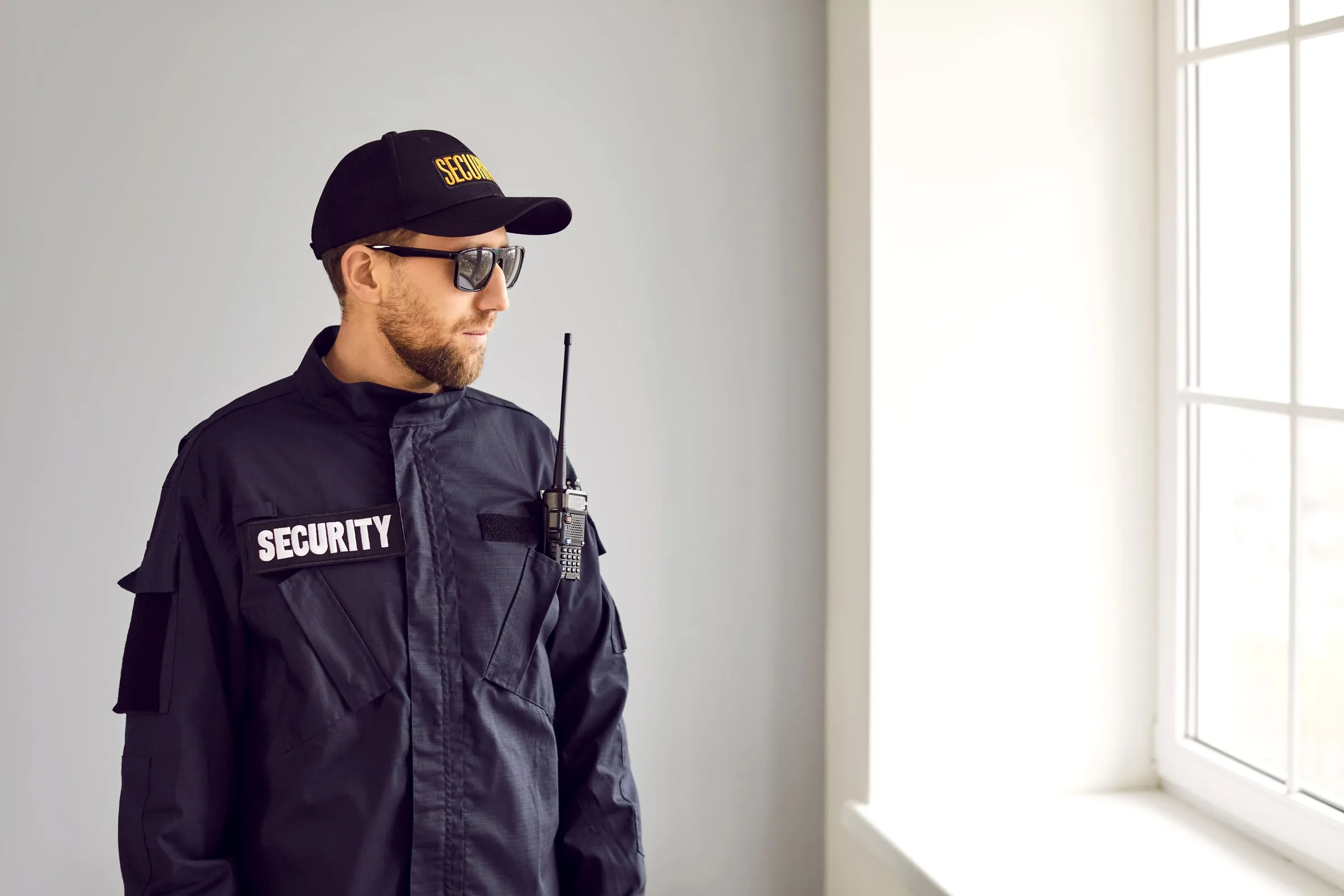
Some facilities need armed officers, and some need them urgently: emergency departments with a history of violence, pharmacies, facilities with a specific threat, or a corporate policy that requires it. Our armed officers are Level III commissioned and trained in customer service as well, which a hospital expects.
- Unarmed security guards
Clinics, urgent care, dialysis centers, dental and medical office buildings usually run unarmed posts: an officer at the entrance and reception, walking the parking lot at opening and closing, and escorting staff to their cars after dark.
- Access control
After-hours entrance control, visitor management for inpatient units, vendor and transport check-in, and the doors that must stay locked: the officer applies the facility's rules and logs each entry so the facility can answer a privacy or safety question later.
- Camera monitoring
Facility cameras on the ED entrance, the parking structure and the pharmacy corridor are watched from the post between rounds, so a disturbance in the lot gets a response before it reaches the door.
- Incident reporting
Healthcare clients receive the daily report and an incident report for every event involving a patient, visitor or staff member, written without medical detail the officer should not record, in the form the facility's risk management needs.
How we work with healthcare facilities
A healthcare engagement starts with a security director, an administrator or a practice manager, and often with a specific event: a threat at the front desk, a car broken into in the staff lot, a visitor who would not leave a unit. Dispatch takes the facility type, the hours, the entrances, whether armed coverage is being considered and the escalation contacts, and a supervisor walks the facility with the person responsible for safety. Post orders for a healthcare site are more detailed than most: where the officer stands during triage, which doors are locked when, how the officer works with the charge nurse, what to record and what not to, and when to call police.
Armed or unarmed
Price Protection provides both, and healthcare is the industry where the choice matters most. Emergency departments, behavioral health facilities and pharmacies with a history of violence, or a policy that requires it, run armed posts with Level III commissioned officers who are also trained in customer service and de-escalation. Clinics, urgent care, dialysis and medical office buildings usually run unarmed posts. The facility decides with us, and the post orders say what was decided.
The entrance and the lot
Most healthcare incidents begin at the entrance or in the parking lot: the visitor who arrives angry, the person who comes back after being discharged, the staff member walking to a car at eleven. The officer’s post covers both. Staff escorts at shift change, lot rounds at opening and closing, and a presence at the entrance during the hours the facility names are standard, and the daily report records each.
Fire watch in occupied healthcare
Hospitals and clinics cannot empty when a sprinkler or alarm system goes down, which is why healthcare facilities are frequent fire watch clients. Officers trained for it walk the affected floors on the interval the fire marshal or the facility’s impairment coordinator sets, keep the log and hand it over when the system is restored. The fire watch for hospitals article explains the procedure, and the pages below cover each type of facility.
Reporting
A written report, every day.
Every client receives a daily report, and officer performance is reviewed and documented daily. Post orders for this industry are written with the property manager before the first shift.
- 24/7
- Dispatch and guards, every day of the year
- 2019
- Providing armed security in Houston since
- 25+
- Communities and businesses on the client wall
- Daily
- A written report to every client
Do your officers understand healthcare settings?
Officers assigned to healthcare posts are trained in customer service, de-escalation, first aid and incident reporting, and the post orders written with the facility cover its own procedures: where the officer may go, what the officer may record, how to work with charge nurses and where to be during a code.
Can you provide armed officers for a hospital or emergency department?
Yes. Armed officers are available for facilities that need them, including on short notice for emergencies and for ongoing coverage. Whether a post is armed is decided with the facility and written into the post orders.
Do you cover small clinics and practices?
Yes. Urgent care centers, dental offices, dialysis centers, veterinary hospitals and medical office buildings run posts sized to the practice, often an entrance officer during clinic hours and lot coverage at closing.
How do officers handle an aggressive patient or visitor?
By de-escalation first, distance, a calm voice and a way out, with staff notified and police called early when the situation warrants. Officers do not use force except within the law and the post orders, and every event is written up the same day.
What about patient privacy?
Post orders define what the officer may record. Reports describe events and actions without clinical detail, and officers follow the facility's rules on where they may be and what they may see.
Related pages
Services
Service areas
Insights
Request a proposal
Request a proposal for healthcare.
Two short steps. Dispatch reviews every request and calls you back about coverage. For urgent unarmed coverage we can typically staff most sites within hours.
24-hour dispatch
(281) 326-9189