
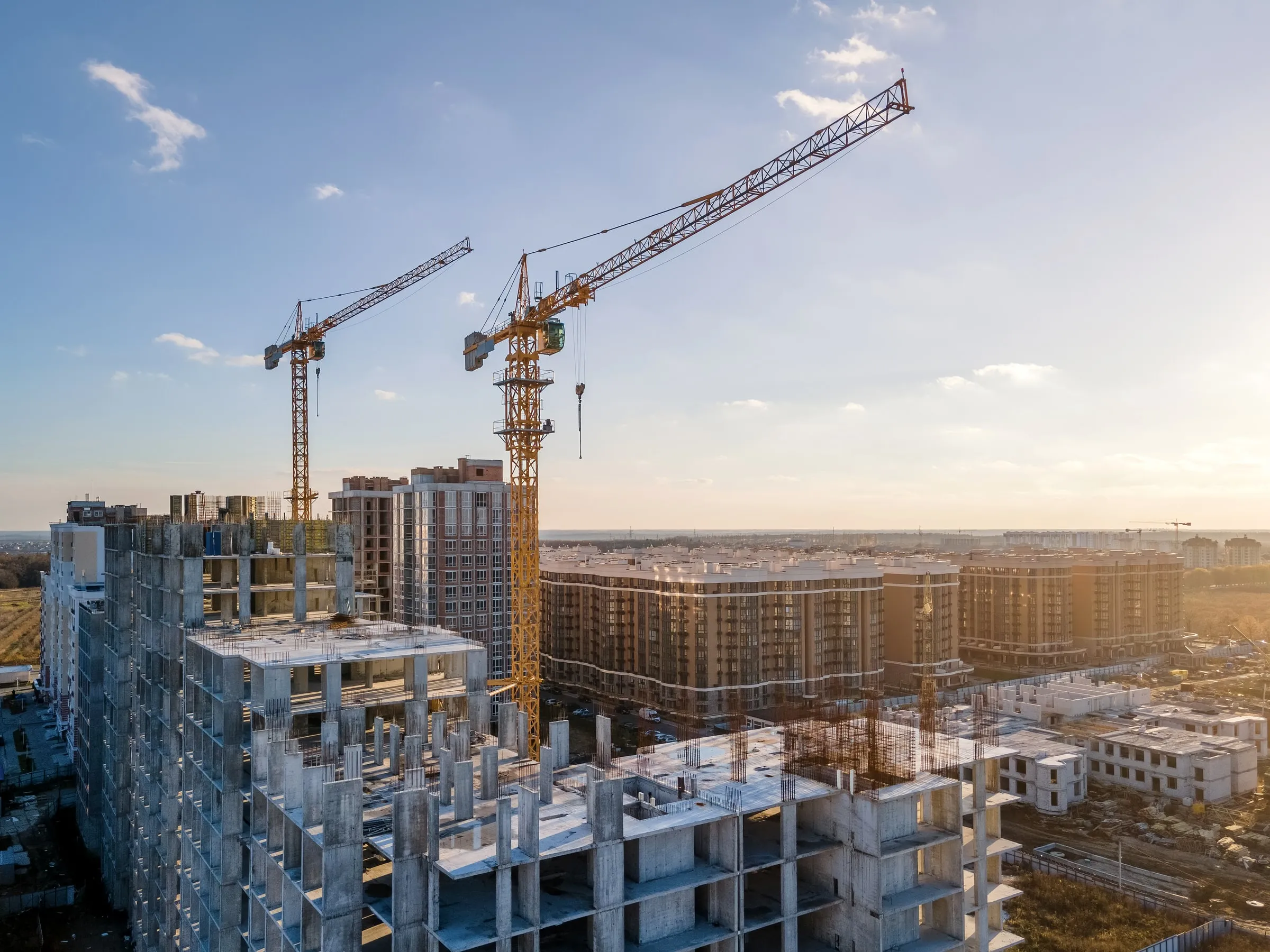
Security Guards for Construction Sites
The site is most exposed when the crew goes home. We cover the gate, the laydown yard and the rough-in floors from the last truck out to the first truck in.
Request a proposalThe industry in Houston
Houston builds everywhere at once
Subdivisions on the Grand Parkway, apartment frames in the Heights, medical buildings in the Medical Center, distribution centers on the freeways, refinery turnarounds on the ship channel. A superintendent's site is one of hundreds within a short drive, and thieves treat them as a route.
The losses follow the schedule. Copper and wire disappear during electrical rough-in, appliances and fixtures after they are set, equipment and fuel on weekends, and lumber whenever it is stacked near a fence. The exposure changes phase by phase, and the post has to change with it.
Fire risk arrives with the trades. Welding, cutting, brazing and torch-down roofing happen on buildings that have no sprinklers yet or sprinklers not yet in service. A hot work permit calls for a fire watch, and the same company that guards the gate can staff it.
Everyone needs to get in, and nobody should. Subcontractors, deliveries, inspectors, the owner's people and the neighbors' curiosity all arrive at the same gate. A site that lets everyone through is a site where nobody can say who was there when the tools went missing.
Property types
Pick the page that matches your property.
Each page below covers the risks, the post, the report and the questions specific to that property type.
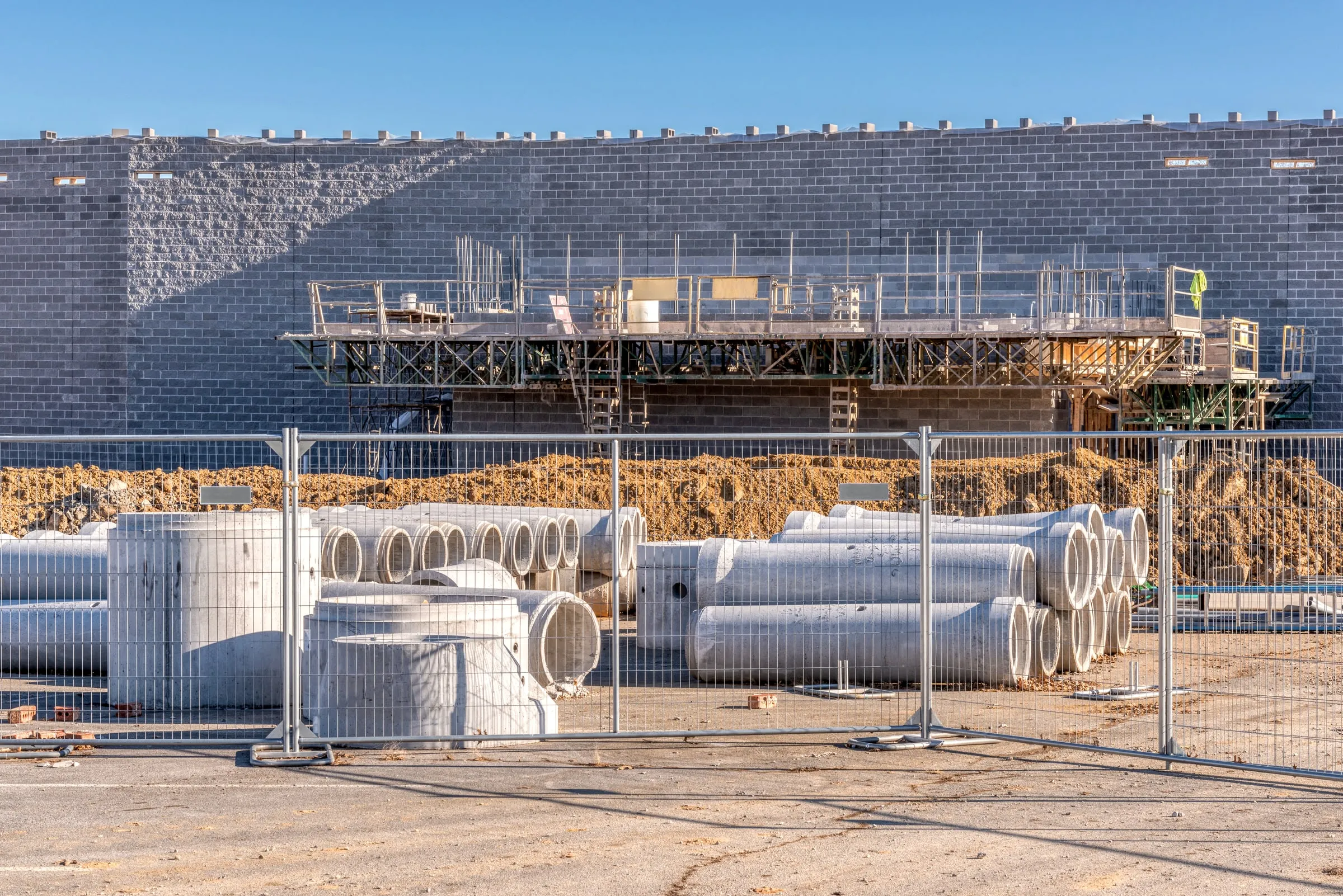
Commercial construction
A new building going up beside stores that are still open. We keep the site gate and the customer lot separate and log every load between them.
Learn more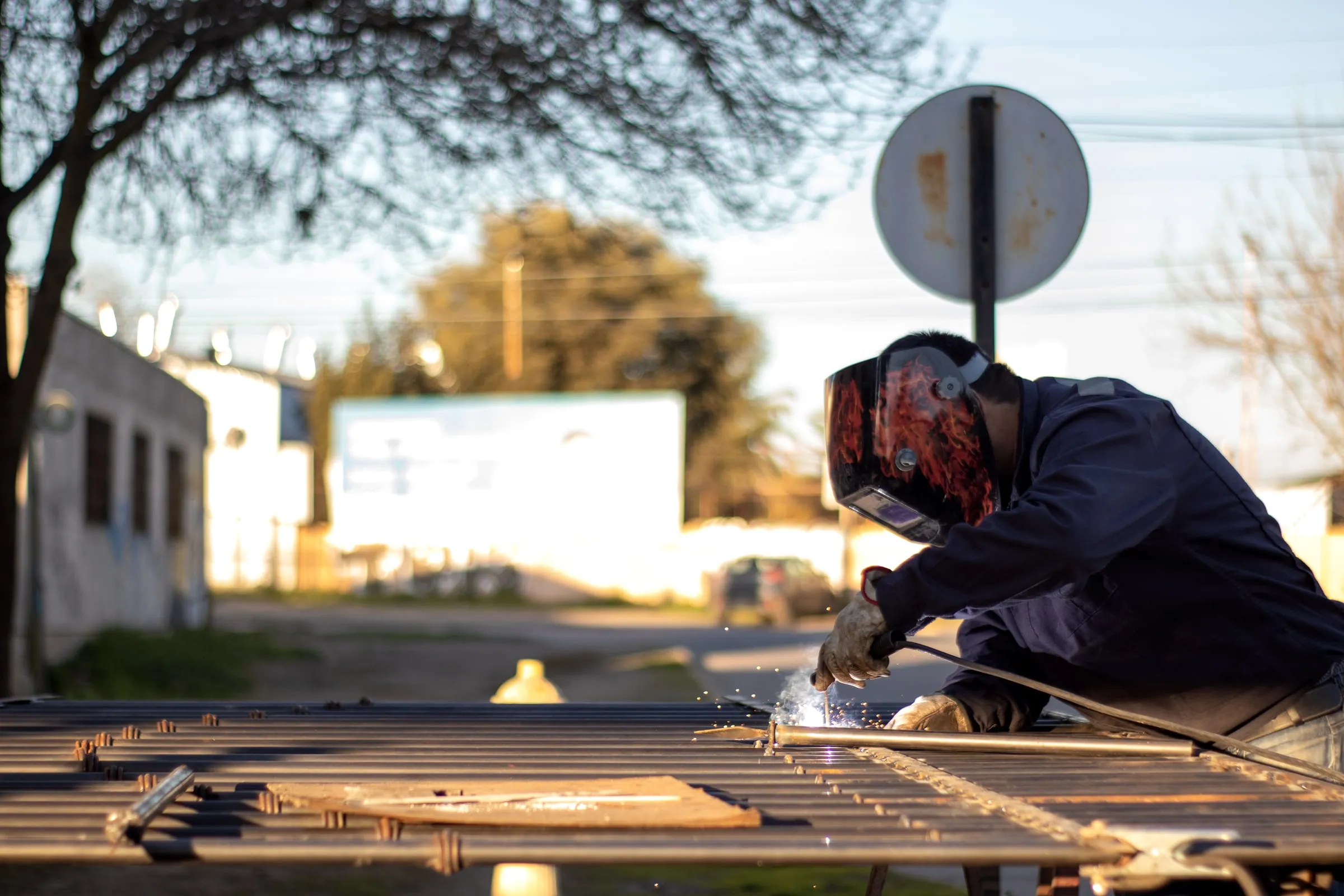
Construction fire watch
An officer at the hot work with an extinguisher, for the full permit window and the wait after, on a site whose sprinklers are not yet in service.
Learn more
Copper and wire theft
The rough-in weeks are when the wire walks. We put an officer on the site for that window and count what is there at the start and end of every shift.
Learn more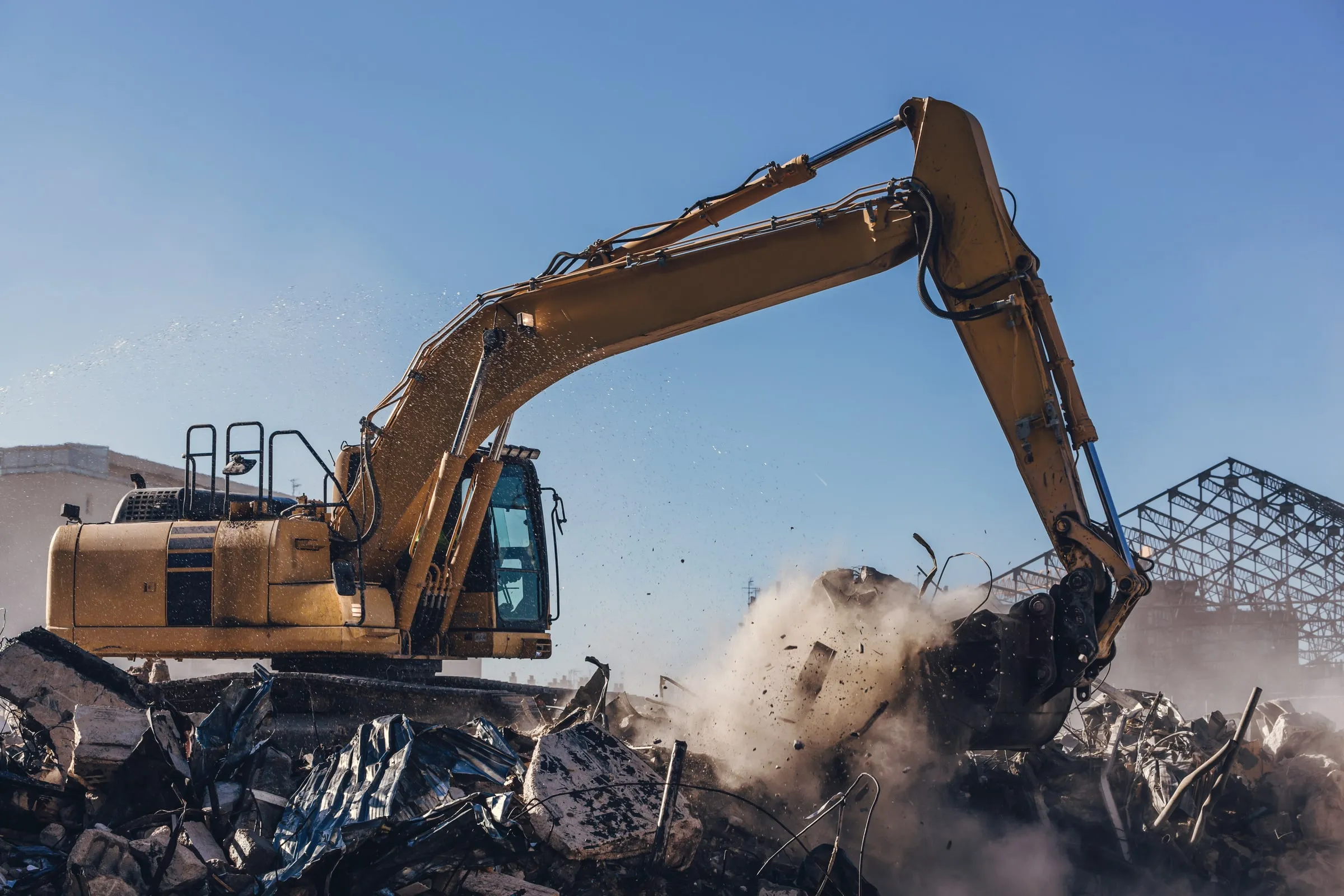
Demolition sites
A wrecked building draws salvagers and dares kids to climb it. We keep everyone out for the short, intense weeks a teardown actually runs.
Learn more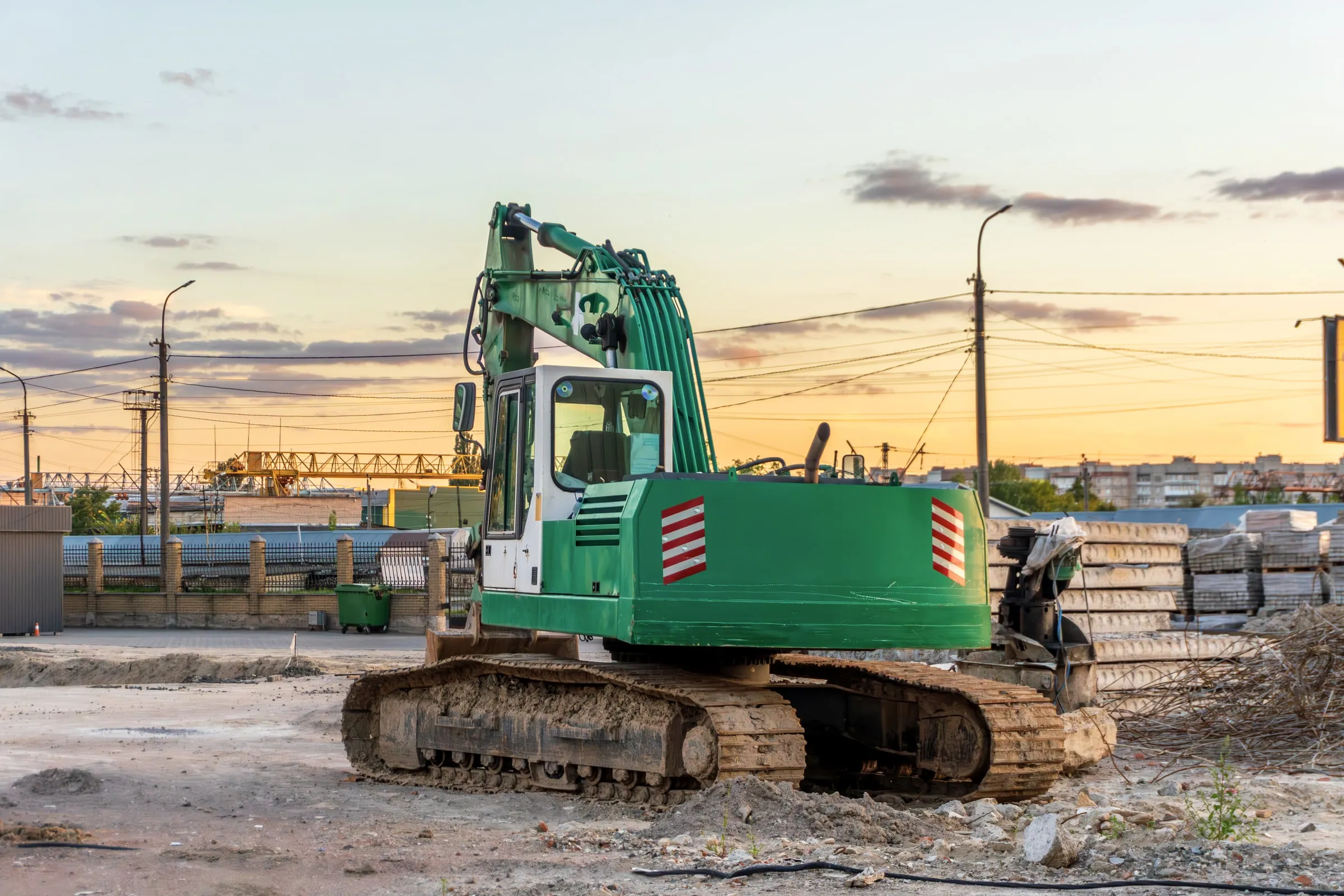
Equipment and material yards
A yard that staffs a dozen job sites has to be secured on its own. We log every machine and every load against the fleet list, every shift.
Learn more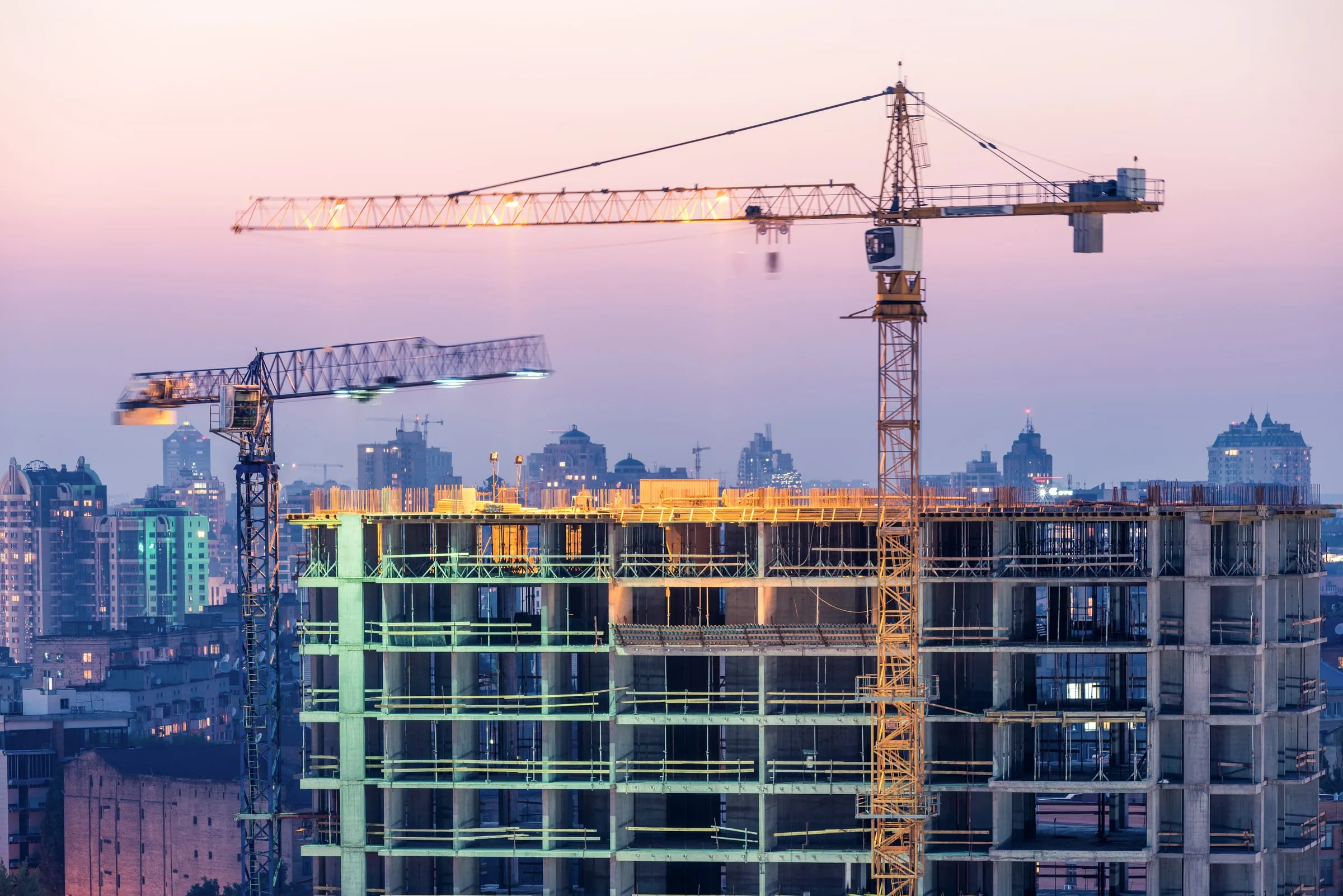
High-rise construction
Hundreds of workers, one hoist and one gate. We check every badge against the day's manpower list before the car doors close.
Learn more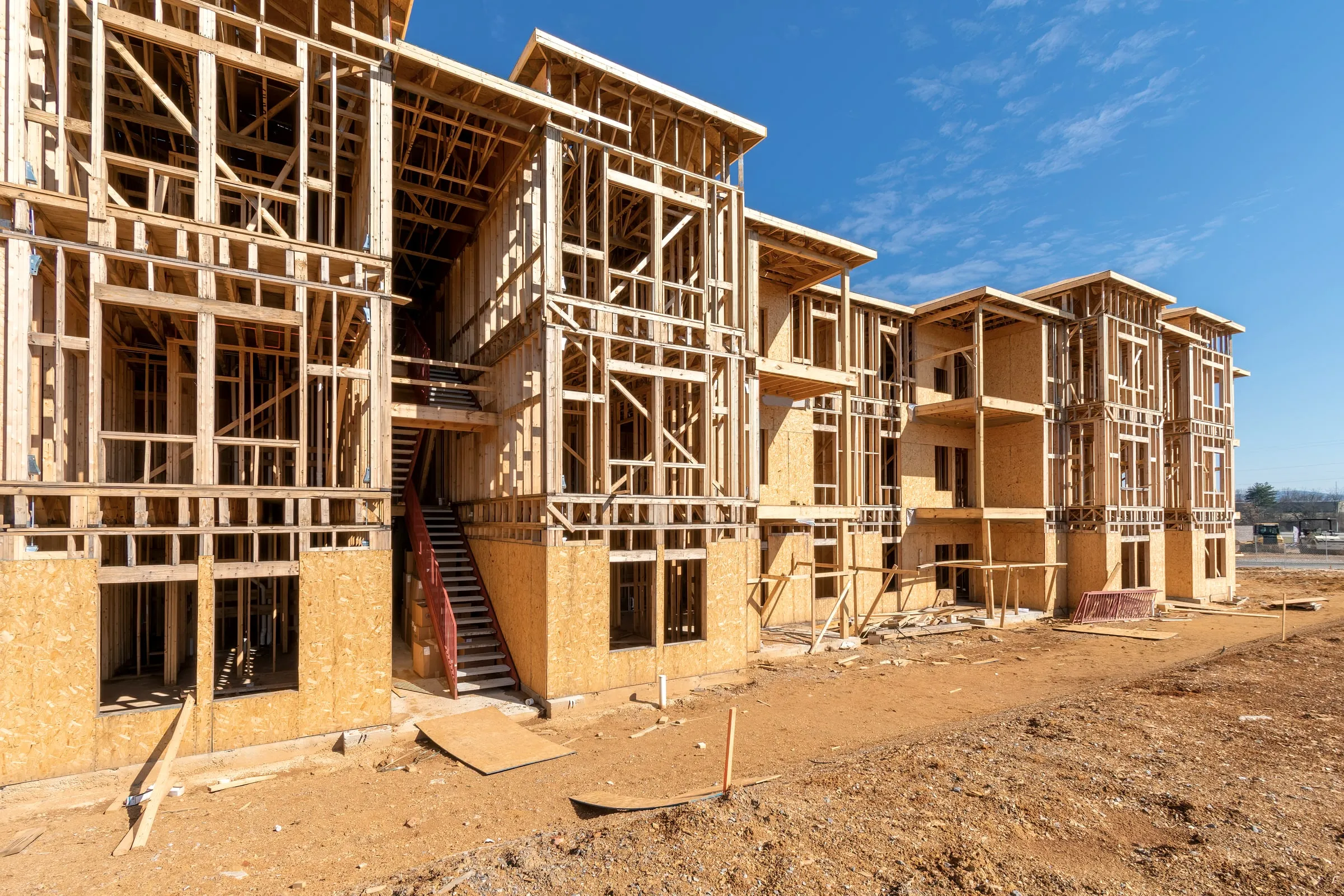
Multifamily construction
One phase leasing while the next one frames. We keep future residents out of the work and the crew out of the buildings people already live in.
Learn more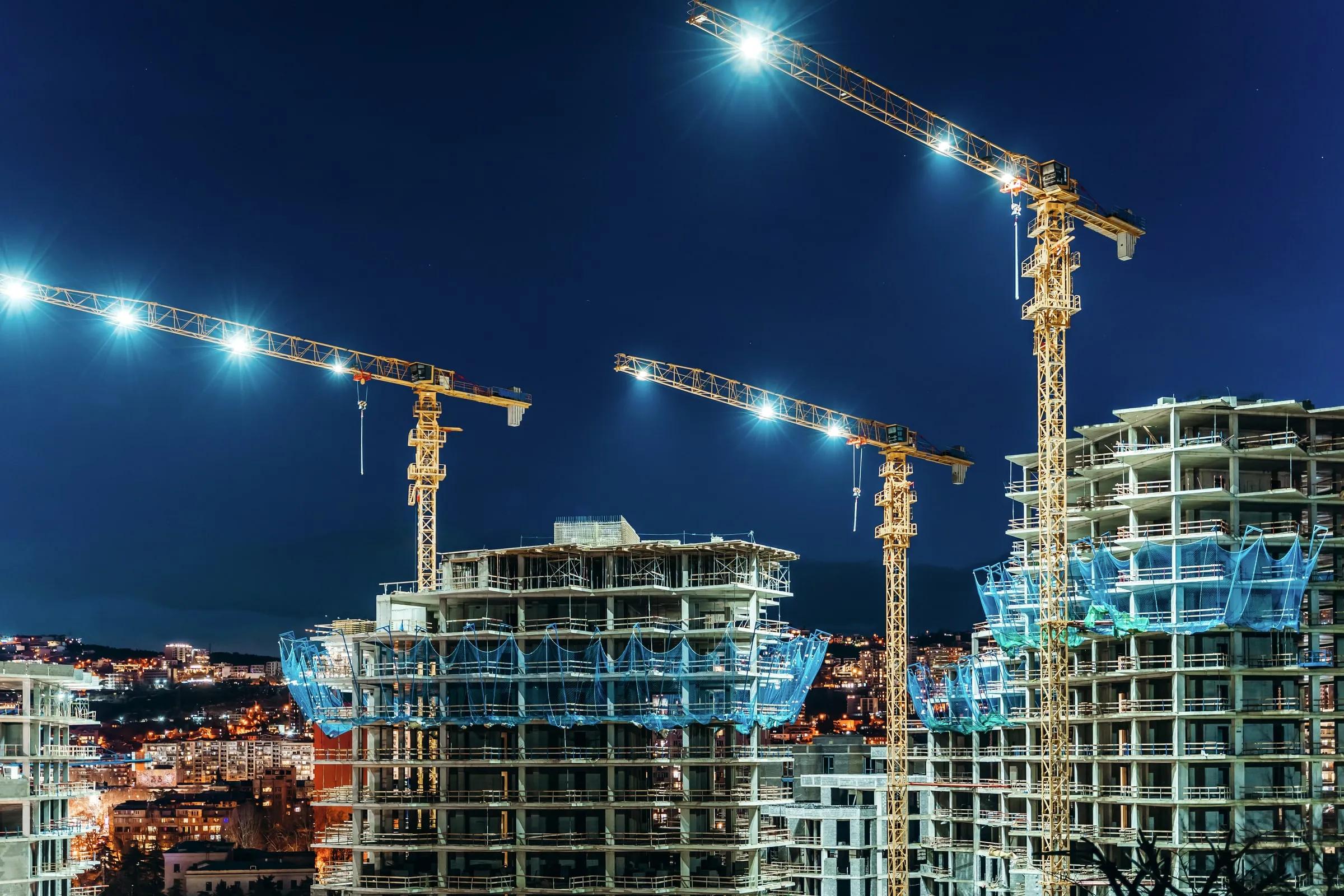
Overnight site security
The crew leaves at the end of the shift; the site does not close. An officer takes over the hours nobody on the job is there to watch.
Learn more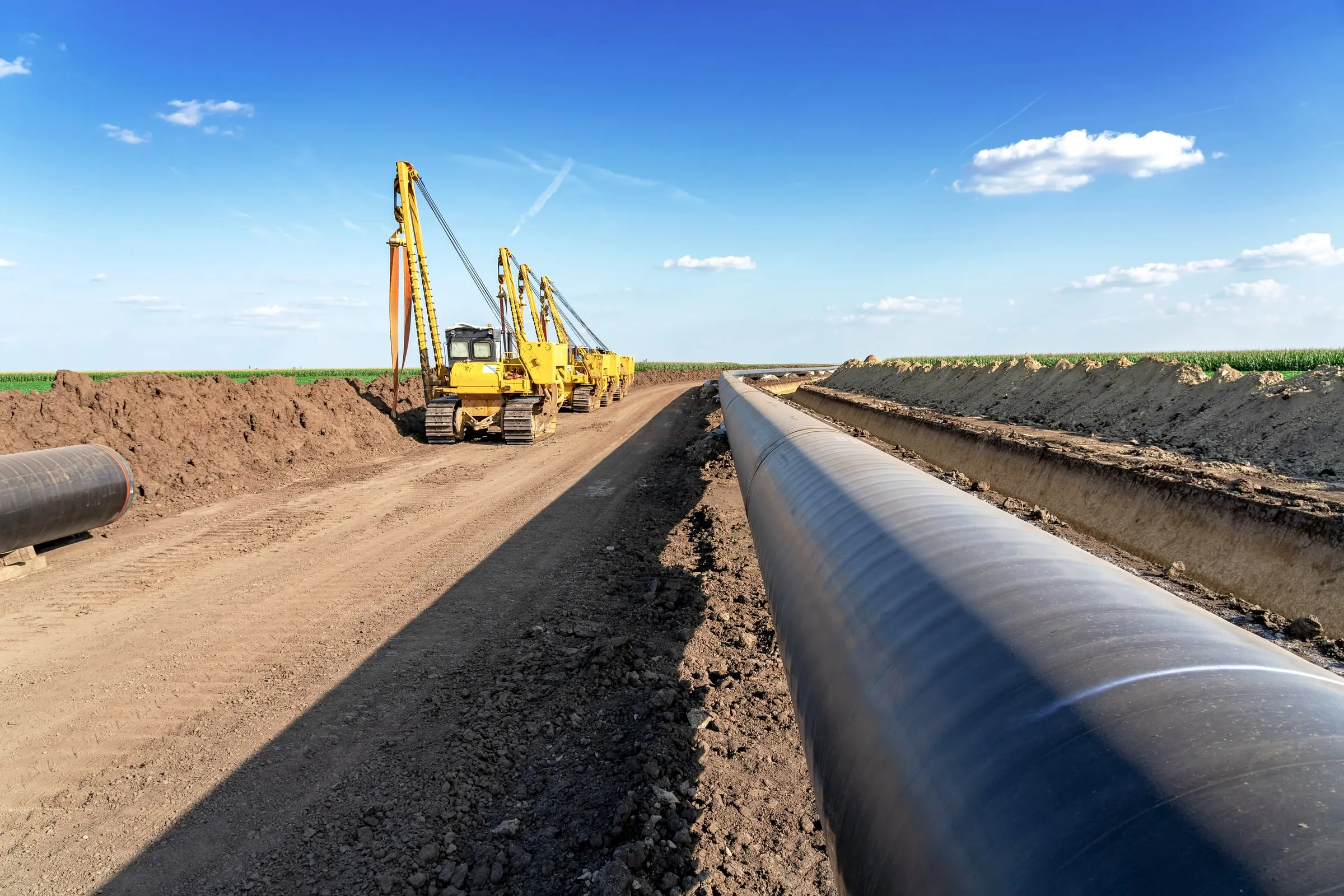
Pipeline projects
The spread moves every week and the pipe yard does not. We post the yard, patrol the right-of-way and log every gate the crews pass through.
Learn more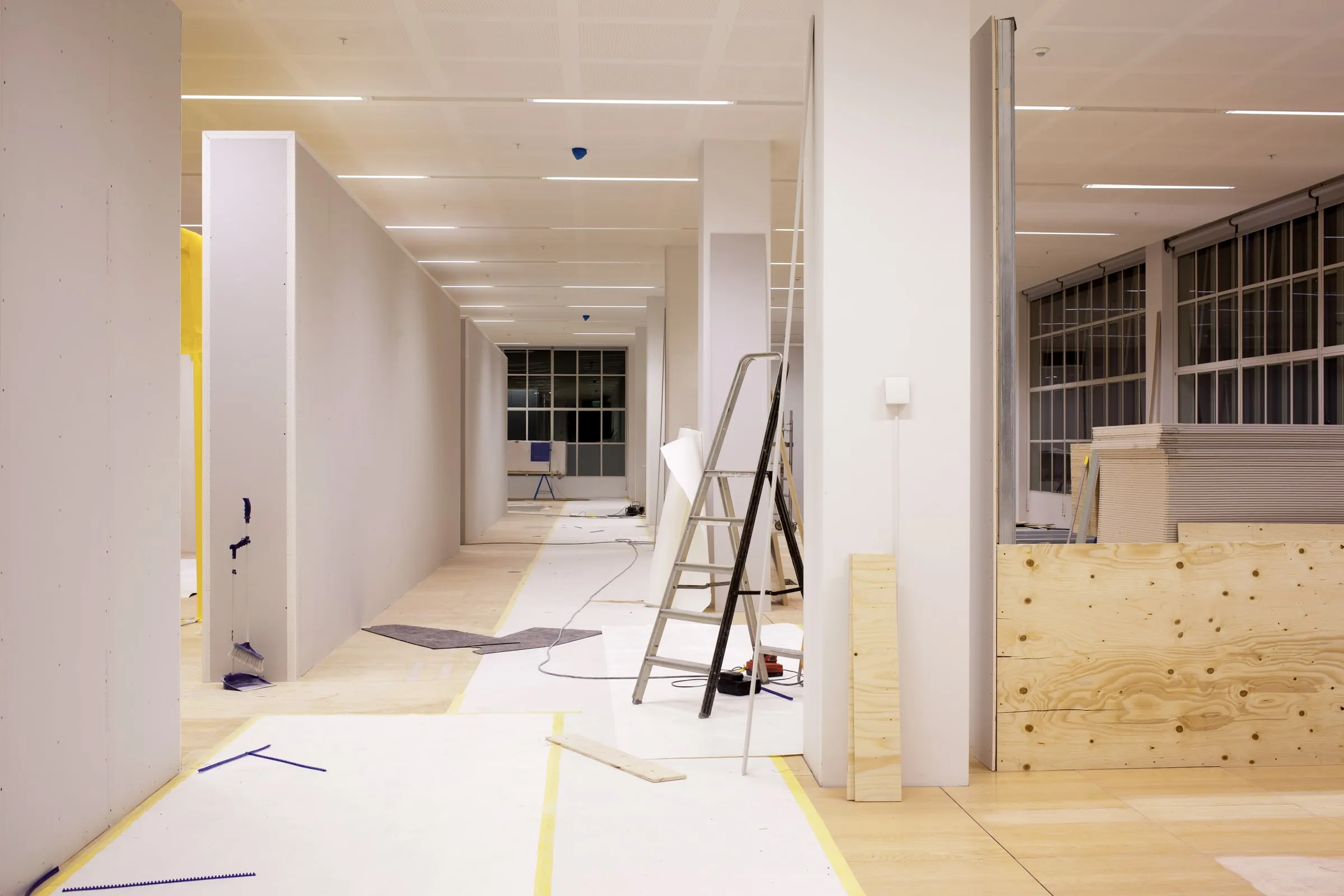
Renovation and tenant improvement
The rest of the building is still open for business. We control who reaches the work floor after hours and keep the crew out of everywhere else.
Learn more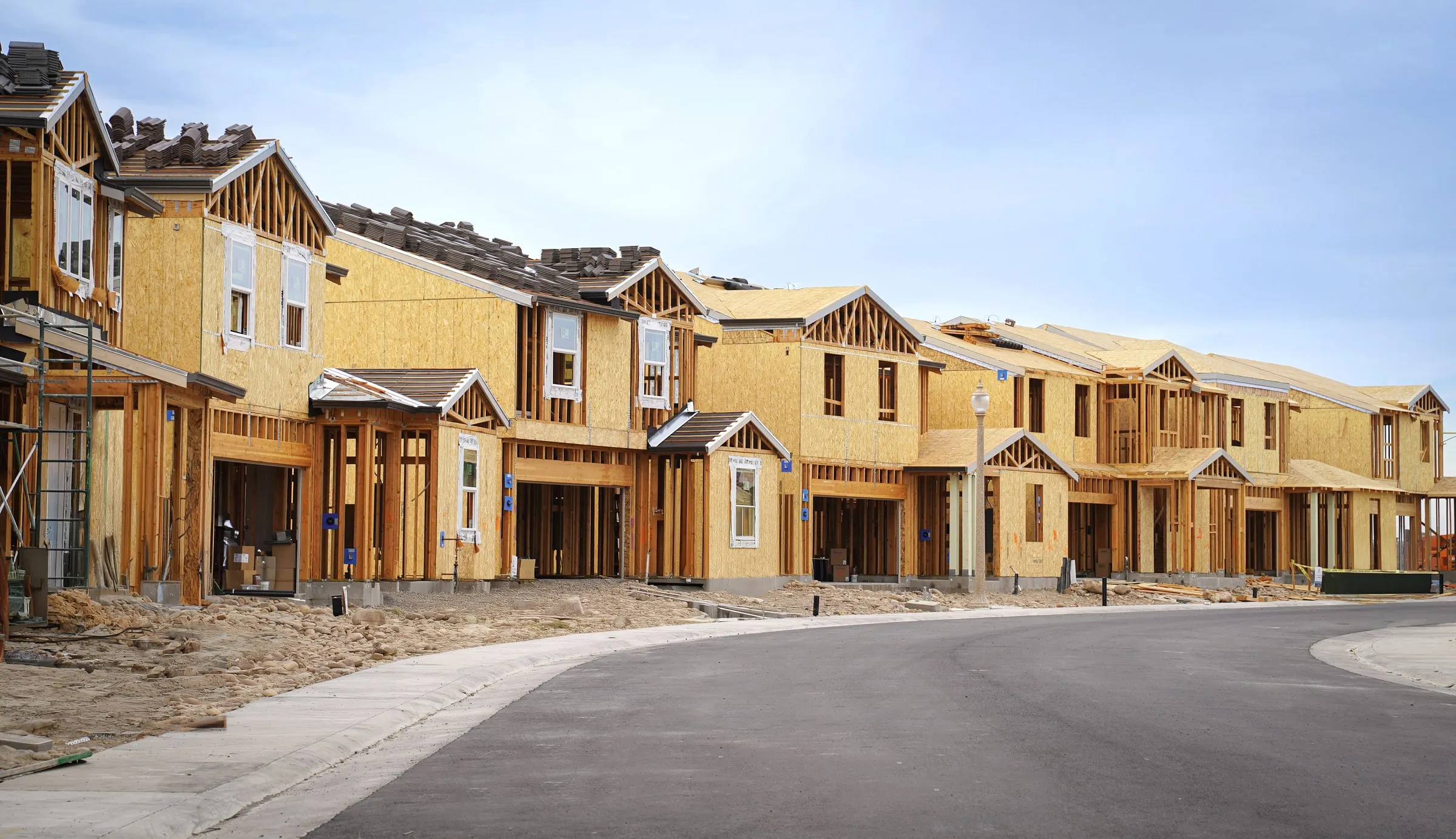
Residential subdivisions
Forty houses in ten stages of framing at once. We patrol by street and phase, and the model home gets its own round every night.
Learn more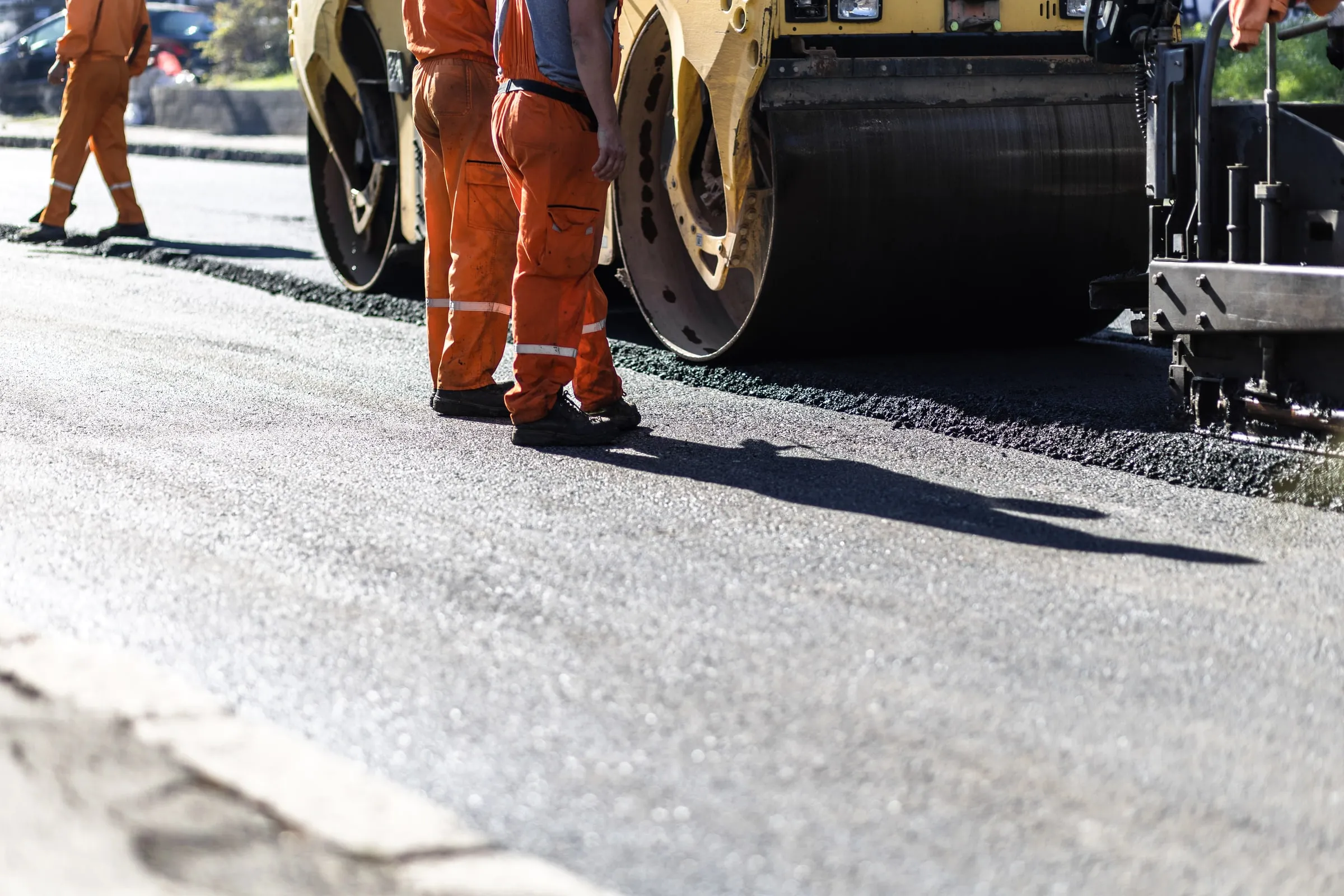
Road and infrastructure
The crew moves down the corridor every week; the equipment stays behind at night. We patrol the closures and log every machine left along the route.
Learn more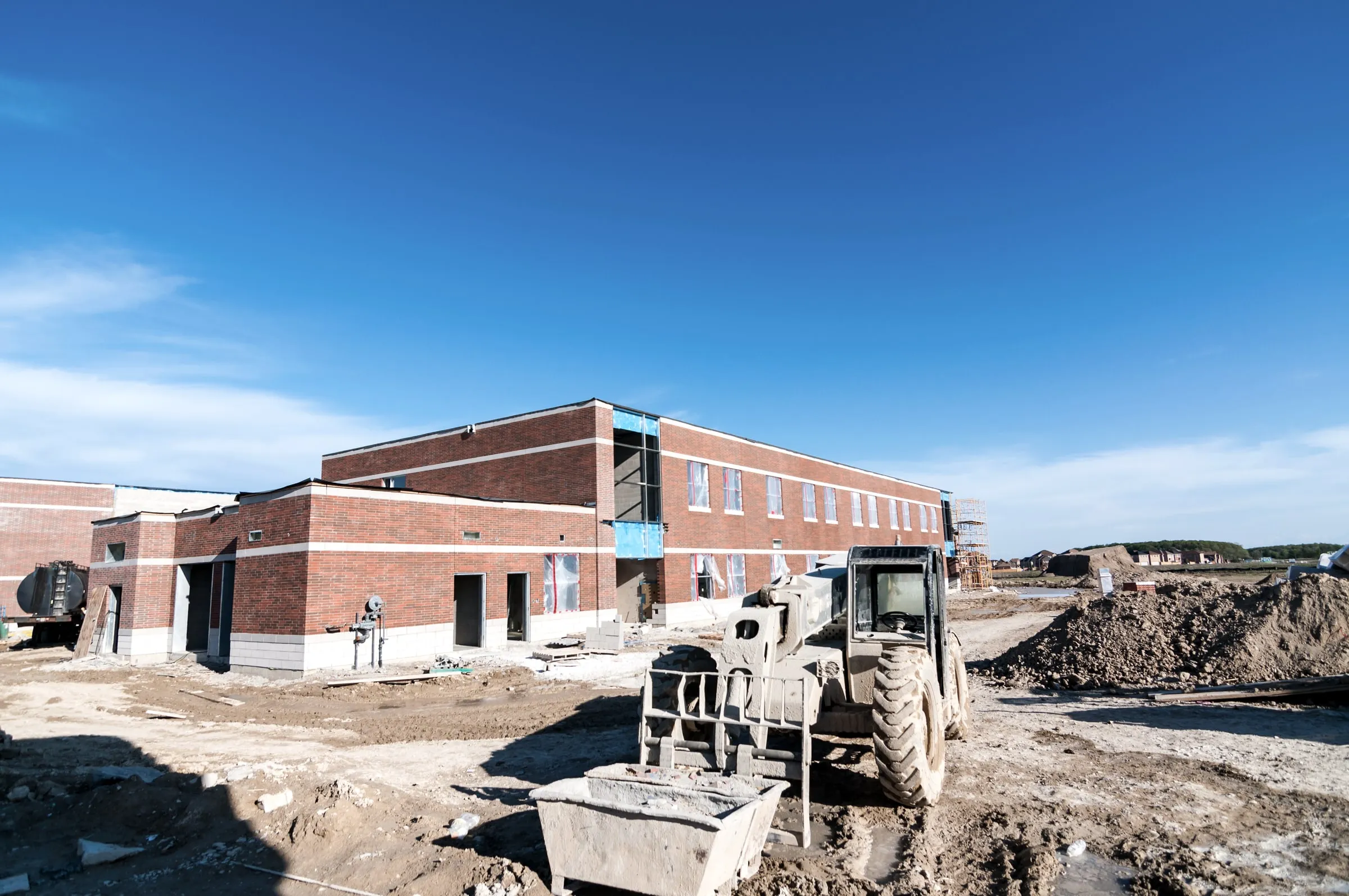
School and public works construction
The campus stays in session while the addition goes up next door. We keep the work zone separate from students and staff, every day it matters.
Learn more
Solar and energy projects
Hundreds of acres, a fence line measured in miles and a laydown full of modules. We patrol it by vehicle, log every gate and report every round.
Learn more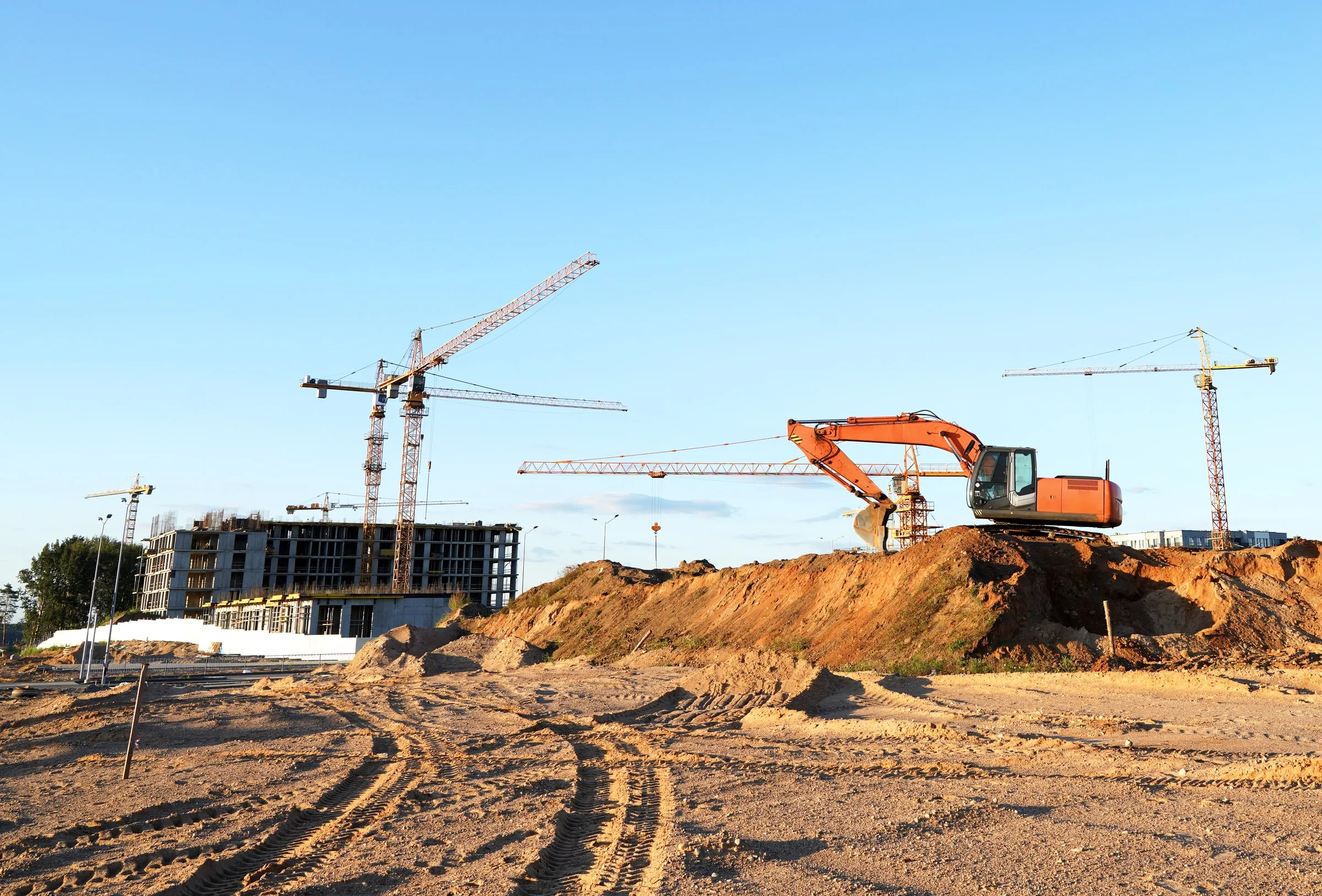
Weekend site security
Friday evening to Monday morning is longer than any single night. We cover the whole gap and hand the superintendent a clean site to start the week on.
Learn more
How we work here
The services this industry uses.
- Unarmed security guards
The standard site post is an unarmed officer in a marked vehicle or at the gate, evenings, overnight and weekends. Officers are used to mud, dark and Houston heat, and to superintendents who want the report before the morning huddle.
- Vehicle patrol
On a subdivision, a solar farm or a pipeline spread, a vehicle round covers miles of fence, every laydown yard and every gate on a varied schedule, with the officer out at each checkpoint to check locks, fuel tanks and equipment cages.
- Access control
A gate post logs every vehicle and person in and out, checks deliveries against the schedule, holds unscheduled arrivals for the superintendent and keeps the gate closed behind each truck. Badge or roster checks follow the contractor's site rules.
- Fire watch
Hot-work fire watch under the permit, on the floor where the sparks land, for the full job and the post-work period; and impairment fire watch on occupied phases of a project where a system is not yet in service. The same officer can cover both when the post orders say so.
- Incident reporting
The daily report gives the superintendent every round, every gate entry, every open gate or cut fence, every light out and every incident, with times. It is the document that answers the owner's insurer when something goes missing.
How we work with contractors
A construction post begins with a superintendent’s phone call, usually after a weekend when something walked off the site. Dispatch takes the address, the phase the project is in, the hours the site is unstaffed, what has been stolen and who to call at night. A supervisor meets the superintendent at the trailer, walks the fence line and the laydown yard, looks at the gate, the lighting and the fuel storage, and notes which floors are in rough-in. The post orders come out of that walk: the gate procedure for deliveries, the checkpoints on the yard, the rules for subcontractors who want in after hours, and the escalation list.
Officers start on the schedule the contractor sets and adjust as the project moves. A post that covered a laydown yard during framing moves to the building once fixtures and appliances are inside, and it adds a fire watch when the roofers arrive with torches.
Phases and what they expose
Sitework and foundations expose fuel, equipment and rebar. Framing exposes lumber and tools. Electrical and plumbing rough-in exposes copper, the highest-value target on most sites and the one that stops the schedule when it goes. Finish-out exposes appliances, fixtures, HVAC condensers and anything boxed. Substantial completion exposes a building that looks occupied and is not. Price Protection plans the post around those phases with the superintendent rather than running the same route for a year.
The gate is the record
On a site with a gate post, the log is the contractor’s proof of who was there. Deliveries are checked against the schedule, subs are signed in by name and company, unscheduled arrivals wait for the superintendent, and the gate closes behind every truck. When a tool crib is short on Monday, the log says who had access on Saturday. On sites without a staffed gate, the patrol officer checks that the gate is chained and the fence is whole on every round and logs anything open.
Fire watch on the same site
Hot work is the one construction hazard that the fire code assigns a person to. When welding, cutting or torch roofing happens under a permit, an officer trained as a fire watch stays where the sparks land for the job and the post-work period, keeps extinguishers at hand, and signs a log the fire marshal can read. On projects where a phase is occupied before the sprinkler or alarm system is in service, an impairment watch may be required as well. The fire watch pages under services explain the triggers, and the construction pages below explain how each type of project is covered.
Reporting
A written report, every day.
Every client receives a daily report, and officer performance is reviewed and documented daily. Post orders for this industry are written with the property manager before the first shift.

- 24/7
- Dispatch and guards, every day of the year
- 2019
- Providing armed security in Houston since
- 25+
- Communities and businesses on the client wall
- Daily
- A written report to every client
When does a construction site need security?
From the day materials are stored on it. The common pattern is evenings, overnight and weekends from the start of rough-in through substantial completion, with a gate post added during phases with heavy deliveries and a fire watch whenever hot work is under way.
Can you start on a site this week?
Unarmed officers can typically be on most sites within hours. The post orders are drafted from the call with the superintendent and finished on the first walk-through: the gate, the laydown, the fence line, the trailer, the fuel and the after-hours contact.
Do your officers work with our site rules?
Yes. Officers follow the contractor's safety orientation, wear the PPE the site requires and use the contractor's sign-in system where there is one. The post orders record the site rules so every officer who rotates through knows them.
What happens when the officer finds a cut fence at three in the morning?
The officer secures what can be secured, checks the yard, calls the superintendent on the escalation list, calls police where there is evidence of entry, photographs the damage and writes an incident report the same night. The daily report notes it as well.
Can the same officer do the fire watch during the day and the site security at night?
Where the schedule allows it and the officer is trained for both, yes, and many projects run it that way. The post orders separate the two duties so the fire watch log and the site report are each complete.
Related pages
Service areas
Insights
Resources
Request a proposal
Request a proposal for construction sites.
Two short steps. Dispatch reviews every request and calls you back about coverage. For urgent unarmed coverage we can typically staff most sites within hours.
24-hour dispatch
(281) 326-9189