
Fire Watch for Construction Sites
An officer at the hot work with an extinguisher, for the full permit window and the wait after, on a site whose sprinklers are not yet in service.
Request a proposalThe situation
Why a job site fire watch is its own job
Hot work over combustible framing
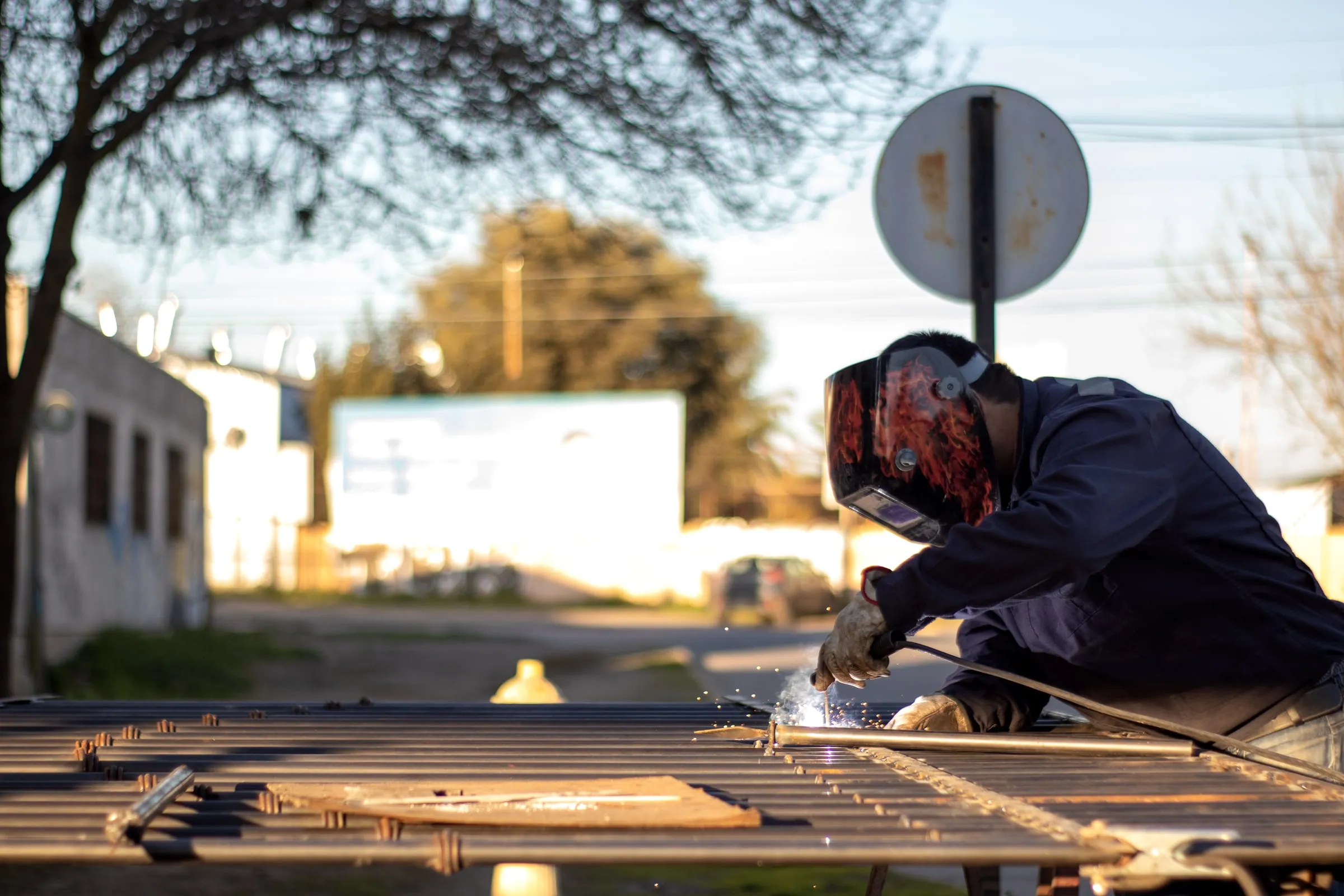
Structural welding, pipe brazing and torch-down roofing happen on a site that is still lumber, sheathing and stacked insulation. Sparks drop through floor openings and into stud bays, and a smolder started at three in the afternoon can show itself at nine at night after everyone has gone home.
No sprinklers, no alarm, no water yet
Until the fire protection system is commissioned, a job site has none of the protection a finished building relies on. Standpipes may be dry, the alarm panel may not be connected, and the fire department has no way of knowing anything is wrong unless a person calls.
Several subs, several permits, one afternoon
Ironworkers on level four, plumbers brazing in the mechanical room and roofers with torches on the low roof can all hold hot work permits on the same day. Each permit needs its own watch, and the superintendent cannot stand in three places.
The window after the torch goes cold
The rule that catches people out is the wait after the work ends. Crews want to leave at the end of the shift; the permit says someone stays. That someone is the part of the job that gets skipped when nobody has been assigned to it.
What a job site fire watch is for
A fire watch on a construction site is a trained person whose only task during hot work is to watch for fire, with the means to put a small one out and the instruction to sound the alarm for anything larger. Price Protection staffs that person under the contractor’s hot work permit program, at the location named on the permit, for the window the permit sets.
The rules behind the permit are short. OSHA’s welding standard at 29 CFR 1910.252(a)(2)(iii) requires a fire watch where combustibles are within 35 feet of the work, or further away but easily ignited by sparks, or where wall or floor openings expose combustibles, and it keeps the watch going for at least 30 minutes after the work ends. NFPA 51B in its 2019 edition extends that to at least one hour, with a further monitoring period the permit authorizing individual may require. When the two differ, the client’s permit and the authority having jurisdiction decide, and we staff whichever window the permit names. In Houston that authority is the Houston Fire Marshal’s Office, working from the International Fire Code with local amendments. This is a summary, not legal advice.
Where the risk sits on a site under construction
The difference between a finished building and a job site is that the job site has nothing to fall back on. A weld on a column splice throws sparks two floors down into formwork and sawdust. Roofers with torches work over insulation board on a deck that has openings for the mechanical penetrations. Plumbers braze in a chase that is packed with the combustible wrap on the ductwork. None of it is protected by a sprinkler head, because the heads are not there yet, and on a site that has been dried in the wind no longer clears the smoke.
The other job site risk is the temporary system. In the weeks before acceptance the sprinkler system may be charged for testing, drained again, and left out of service overnight. That is an impairment in the sense the fire code uses the word, and the insight on hot work, temporary systems and handover walks through what the contractor and the owner each have to do at that stage.
How the watch is set up with the superintendent
The post orders are written with the superintendent and the safety manager before the first permit is covered. They record how permits are issued and where the copies live, who the permit authorizing individual is, where the extinguishers are staged, what the site’s alarm procedure is when there is no alarm panel, and who has the authority to stop work. They also say what the officer does when a sub starts cutting without a permit, which is the most common thing a job site fire watch sees.
From there the officer’s day follows the permits. The watch is at the work, not at the trailer, and the officer moves only when a permit closes. The log is the product: a page for each permit that the superintendent can put in the file and that answers the questions an inspector asks. The hot work fire watch checklist lists what goes on it.
Handing off to the overnight post
On a site that also runs overnight security, the fire watch ends the day by walking the last hot work location with the officer taking the night, so the first round of the night starts where the last torch was. Roofing jobs get the same treatment; whether roofing needs a fire watch is answered separately, and torch-down work is the case that most often runs past the crew’s departure.
Starting a fire watch
Dispatch needs the site address, the trades doing hot work and where, the permit windows for the coming days, and a superintendent or safety contact. Fire watch officers are staffed on short notice, including the same morning a permit is written, and a standing arrangement for a long project keeps the same officers on the site so they know the permit program and the people who run it.
How we cover it
Every service, applied to this post.
- Fire watch
A dedicated fire watch officer at each hot work location for the permit window, extinguisher in hand, with a clear view of the work and of the area below it and the authority under the post orders to stop the work if conditions change. The officer stays for the after-work period the permit sets and signs the log.
- Unarmed security guards
Where the site already runs an overnight security post, the same unarmed officer can carry the fire watch for hot work that runs into the evening, provided the post orders separate the two duties so the perimeter is not left unwatched during the watch. Extinguisher use and alarm procedure are part of every officer's training.
- Access control
During hot work the officer keeps the area under the work clear of other trades, checks that combustibles have been moved back or covered, and confirms that the floor and wall openings named in the permit are protected before the torch is lit.
- Incident reporting
Every watch produces a log with the permit number, the location, start and stop times, the after-work check times, the extinguisher checked and the officer's signature. The log goes to the superintendent at the end of the day and stays in the permit file for the fire marshal.
A typical post
What a shift looks like here.
The officer reports to the superintendent's trailer before the first permit of the day, reads the hot work permits issued for the shift, and walks each location with the foreman who will do the work. At each one the officer checks the extinguisher, looks below the work for openings and stored material, and notes what was moved or covered.
During the work the officer stands where the sparks land, not where the welder stands. On a steel-frame job that means the floor below the weld, at the edge of the opening. The officer watches for smoke in insulation, in formwork and in the debris that collects at column bases, and stops the work if the wind picks up or a sub stacks material inside the clear zone.
When the torch is shut down the watch is not over. The officer stays through the after-work period the permit names, walks the area again at the end of it, checks the floor below one more time, signs the log and hands it to the superintendent. On a site with an overnight post, the last hot work location is the first stop on the first round.
Reporting
What the daily report covers here
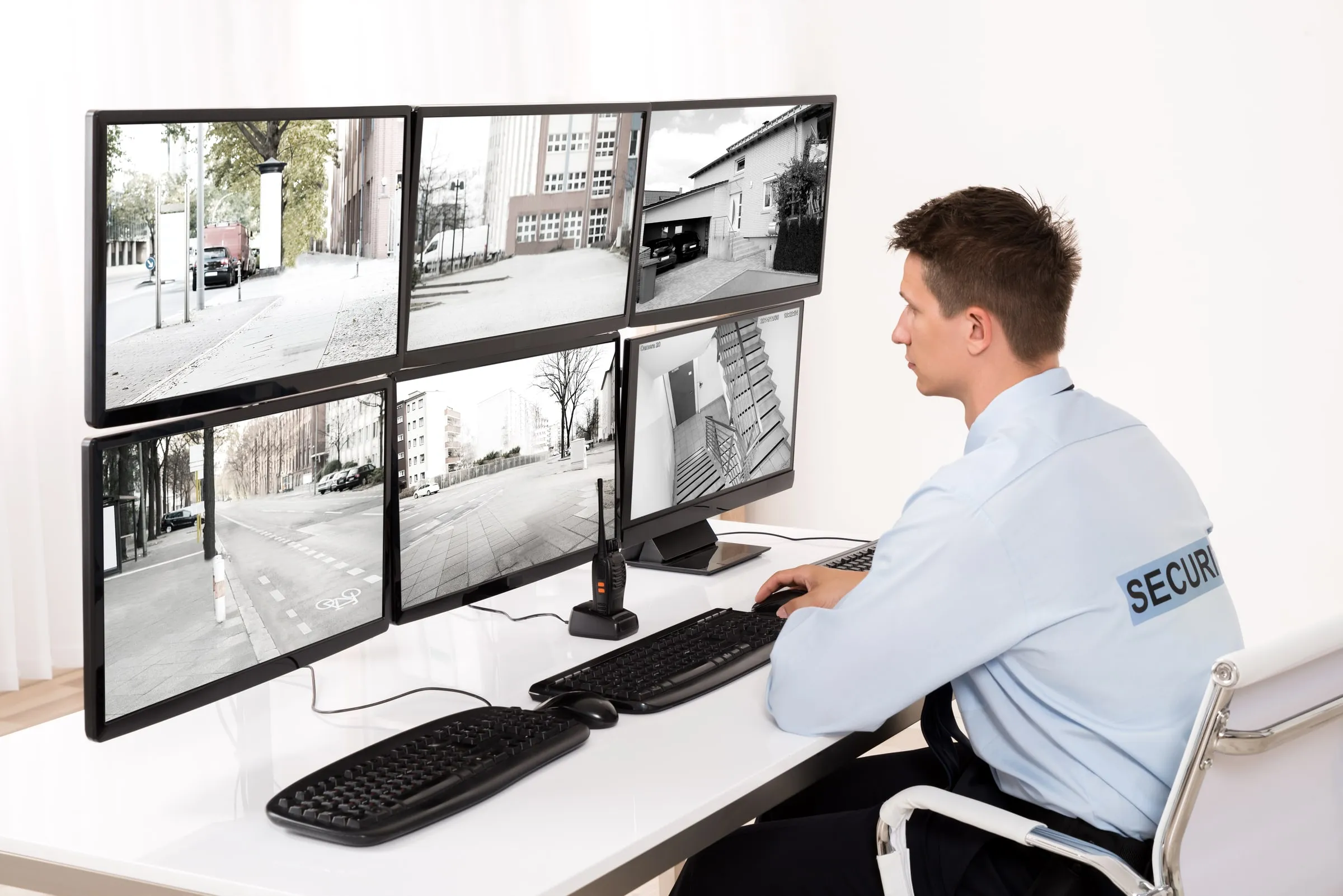
Every client receives a written report each day, and officer performance is reviewed and documented daily. This is what the report records on this kind of post.
- Each hot work permit covered, with location, trade and permit number
- Start time, stop time and the end of the after-work watch for every permit
- Combustibles moved, covered or found inside the clear zone before work began
- Floor and wall openings checked below the work, by level
- Extinguishers checked, used or found missing at each location
- Any work stopped, the reason and who was told
- Conditions handed to the overnight post at the end of the last permit
Our sprinklers are not installed yet. Does the fire watch rule still apply?
Yes, and it matters more. OSHA's hot work rule, 29 CFR 1910.252(a)(2)(iii), calls for a fire watch wherever combustibles are within 35 feet of welding or cutting or can be reached by sparks, and it does not depend on a sprinkler system being present. On a job site without a working system the watch is the only protection there is. Once a system is installed but out of service for testing, the Houston Fire Marshal's Office may require a watch under IFC 901.7 as well.
Can the overnight security guard also do the fire watch?
For hot work that runs into the evening, yes, if the post orders are written for both duties. The fire watch has to stay at the hot work, so while it is running the perimeter is not being patrolled. Sites with a lot of late hot work usually add a second officer for those hours rather than leave the fence unwatched.
Three subs are doing hot work on different floors. Is that one watch or three?
Three. A fire watch has to see the work and the area sparks can reach, and one person cannot watch a roof torch and a basement braze at the same time. Dispatch staffs one officer per active hot work location, and a permit that finishes early releases its officer to the next one.
Who keeps the log on a job site, and who gets it?
The fire watch officer keeps it on the job, entry by entry, and signs it. The superintendent receives the day's log with the daily report, and the site keeps it in the permit file so it can be produced if the Houston Fire Marshal's Office or the owner asks to see it.
Can you start a fire watch the same day the roofers show up with torches?
Fire watch is staffed on short notice, including emergency watches when a permit is issued that morning. Dispatch needs the site address, the trades and locations doing hot work, the permit windows, and a superintendent contact who can walk the officer to the work.
Related pages
Industries we serve
Insights
Glossary
Resources
Request a proposal
Request a proposal for construction fire watch.
Two short steps. Dispatch reviews every request and calls you back about coverage. For urgent unarmed coverage we can typically staff most sites within hours.
24-hour dispatch
(281) 326-9189