
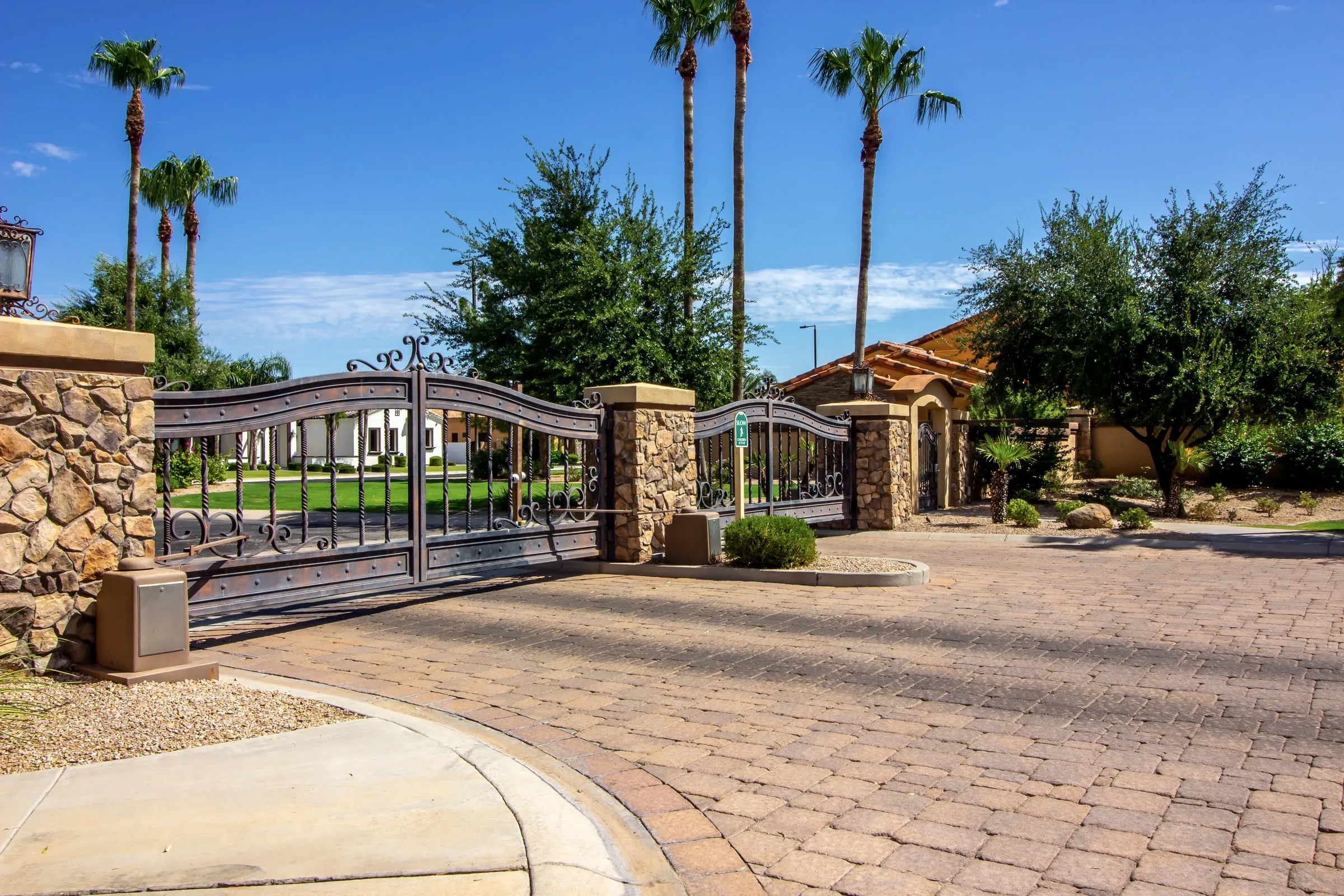
Security Guards for HOAs & Residential Communities
Guardhouse, patrol and amenity posts written to the association's own rules, staffed by licensed officers and reported to the manager every morning.
Request a proposalThe industry in Houston
Houston is built out of associations
Most single-family neighborhoods built around Houston in the last fifty years are deed-restricted and run by an association, from a cul-de-sac of forty townhomes to a master-planned community with its own town center. Each has a board of volunteer owners, a manager, a set of rules and common property that somebody has to watch after the office closes.
The board decides, the manager runs it. Security for an association is approved by a board that meets monthly, paid for from a budget adopted in the fall, and handled day to day by a community manager who may look after a dozen other associations. The post has to work without anyone on site to supervise it, and the report has to make sense to a volunteer treasurer.
Residents are owners, and they talk to each other. A homeowner who sees an unfamiliar car at the gate posts about it that evening. The same neighbor who wants the gate enforced expects their own guests waved through. Officers on association posts are chosen for manner and briefed on the rules, because most of what they do is explain those rules to the people who pay the assessments.
Common property is where the losses are. The association's exposure is the pool, the clubhouse, the entry gates, the mail kiosks, the park and any street it owns. Vehicle break-ins, swimming after closing, damaged gate arms, trash dumped on the greenbelt and solicitors after dark are the routine, and none of it gets fixed without a record of when and where it happened.
Property types
Pick the page that matches your property.
Each page below covers the risks, the post, the report and the questions specific to that property type.

55+ active adult communities
Coverage that fits a community of older adults: a courteous gate, rounds that notice, and officers trained in first aid who know when to call.
Learn more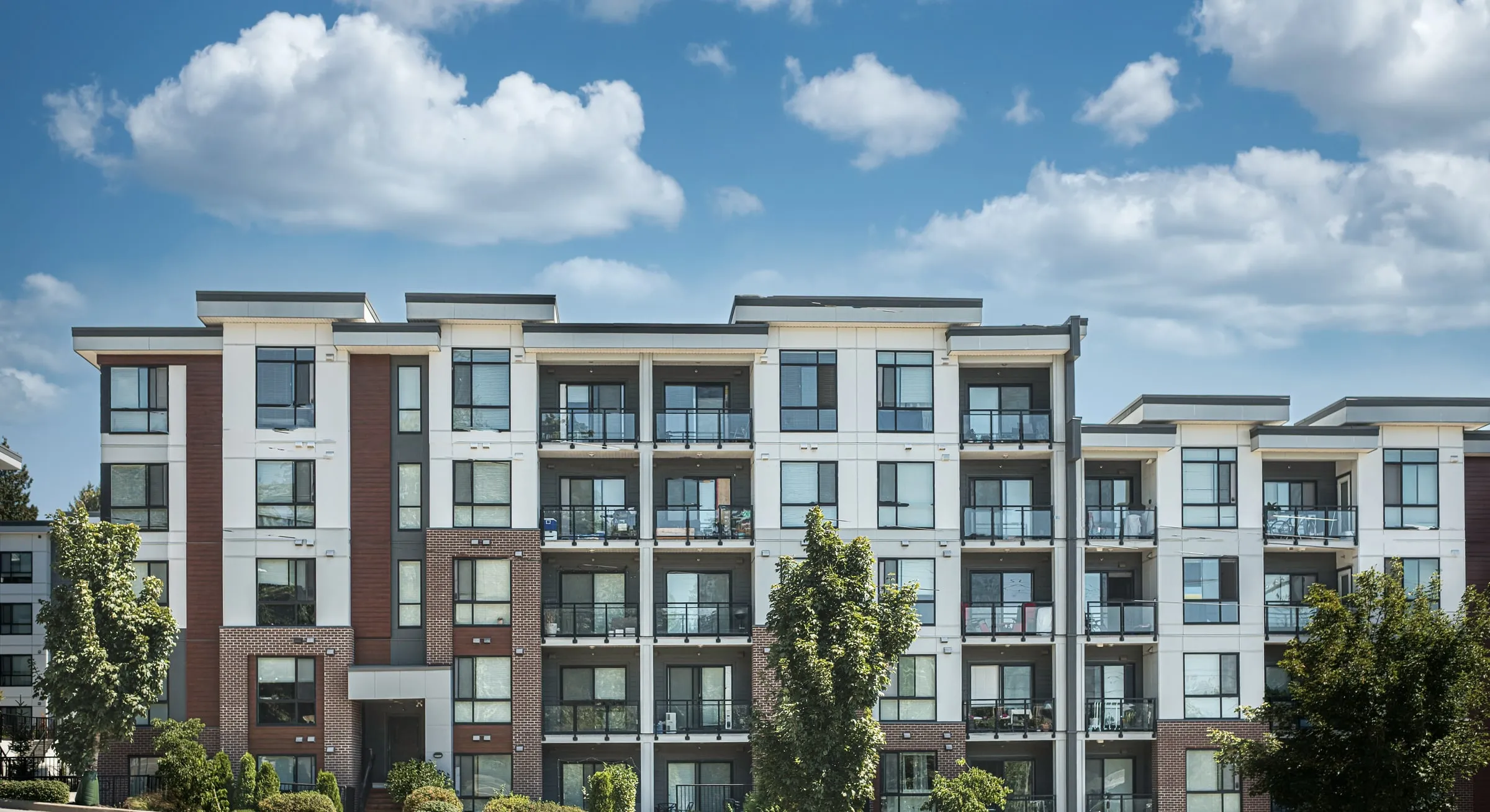
Condominium associations
A door, a garage and a building full of owners: we staff the post, control who comes in and report to the board every morning.
Learn more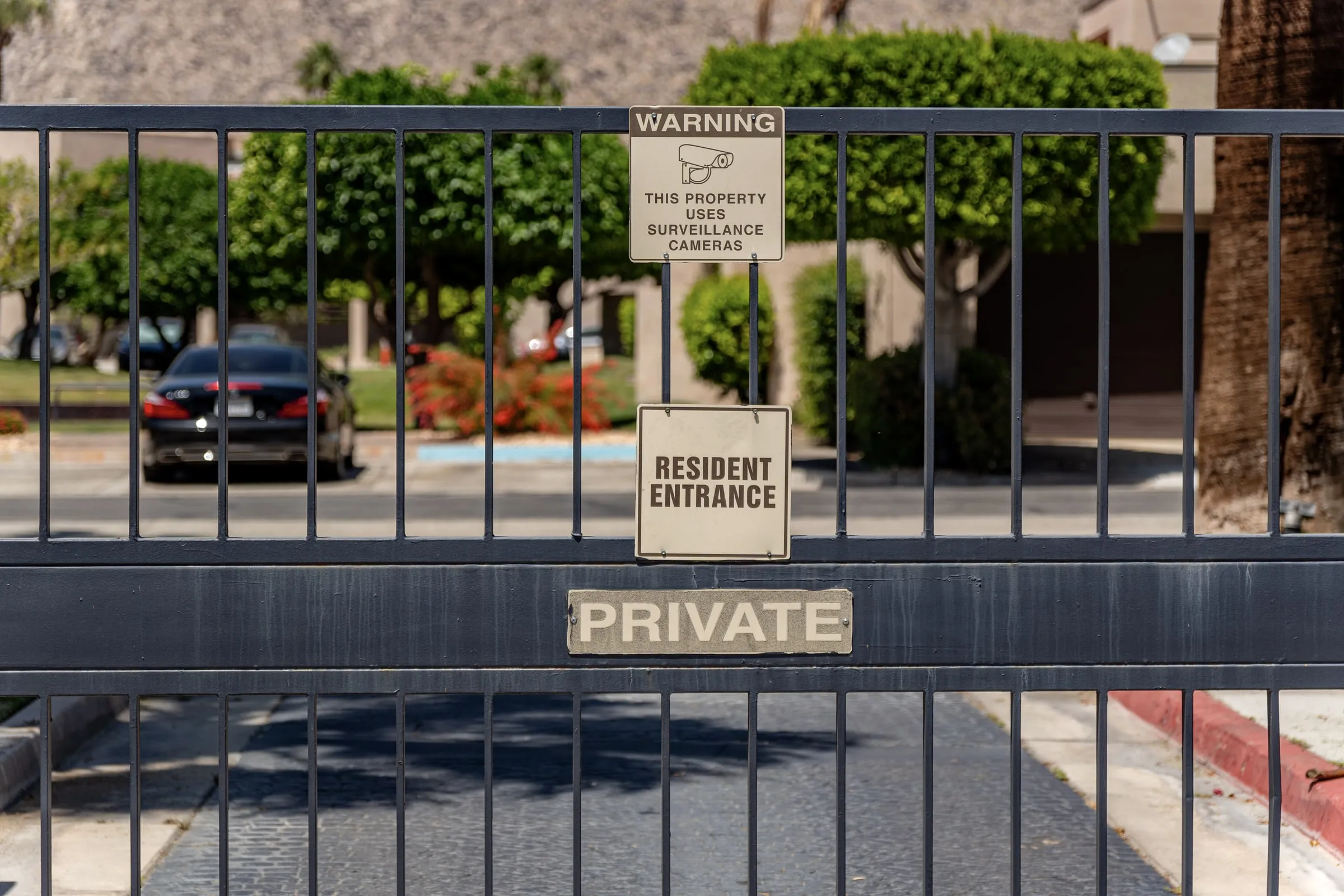
Gated communities
A staffed guardhouse turns a gate from a code everyone knows into an entrance somebody checks. We work the window, the lanes and the log.
Learn more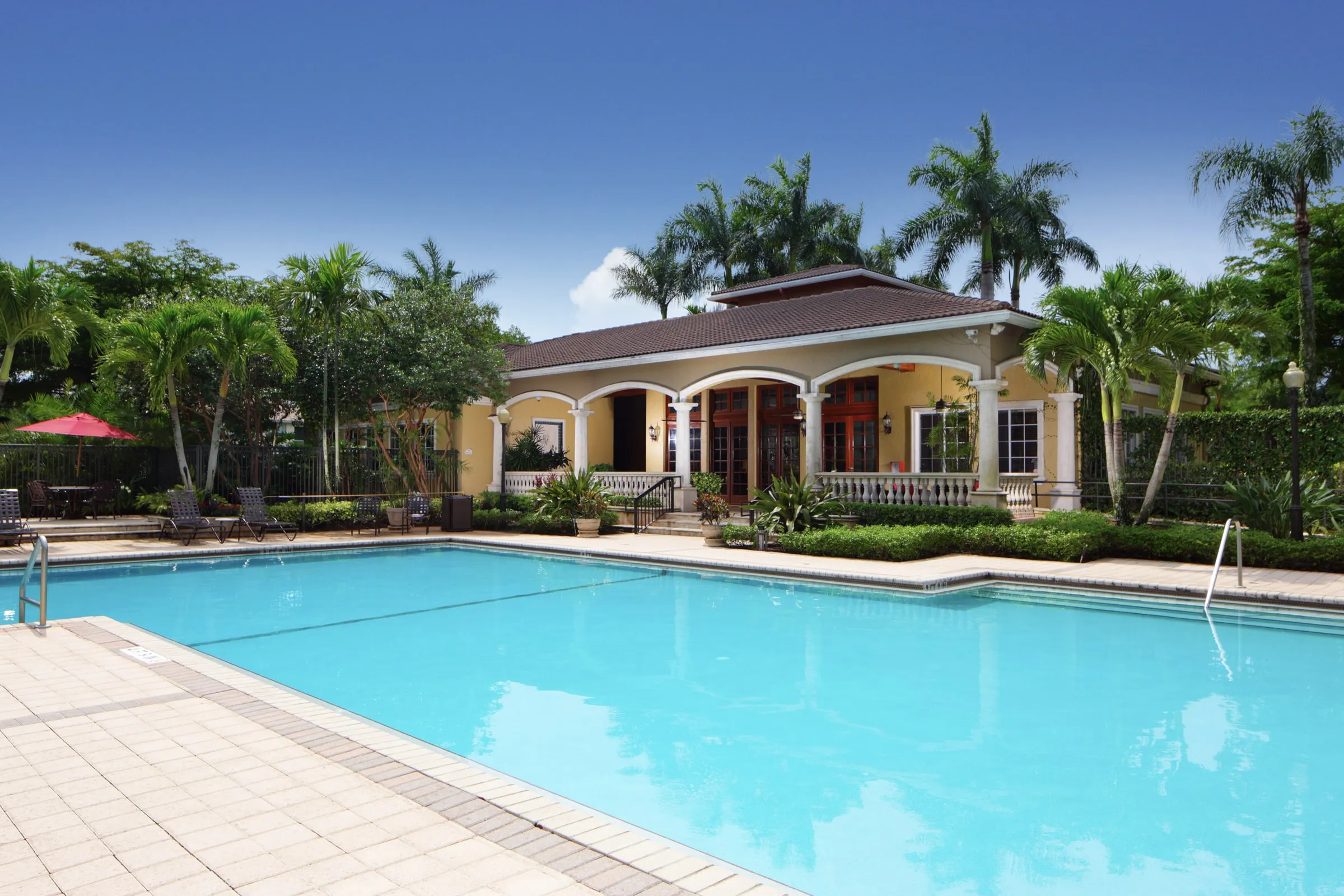
HOA amenity centers
An officer at the pool gate and the clubhouse when the whole neighborhood is there: rules applied courteously, closings on time, everything logged.
Learn more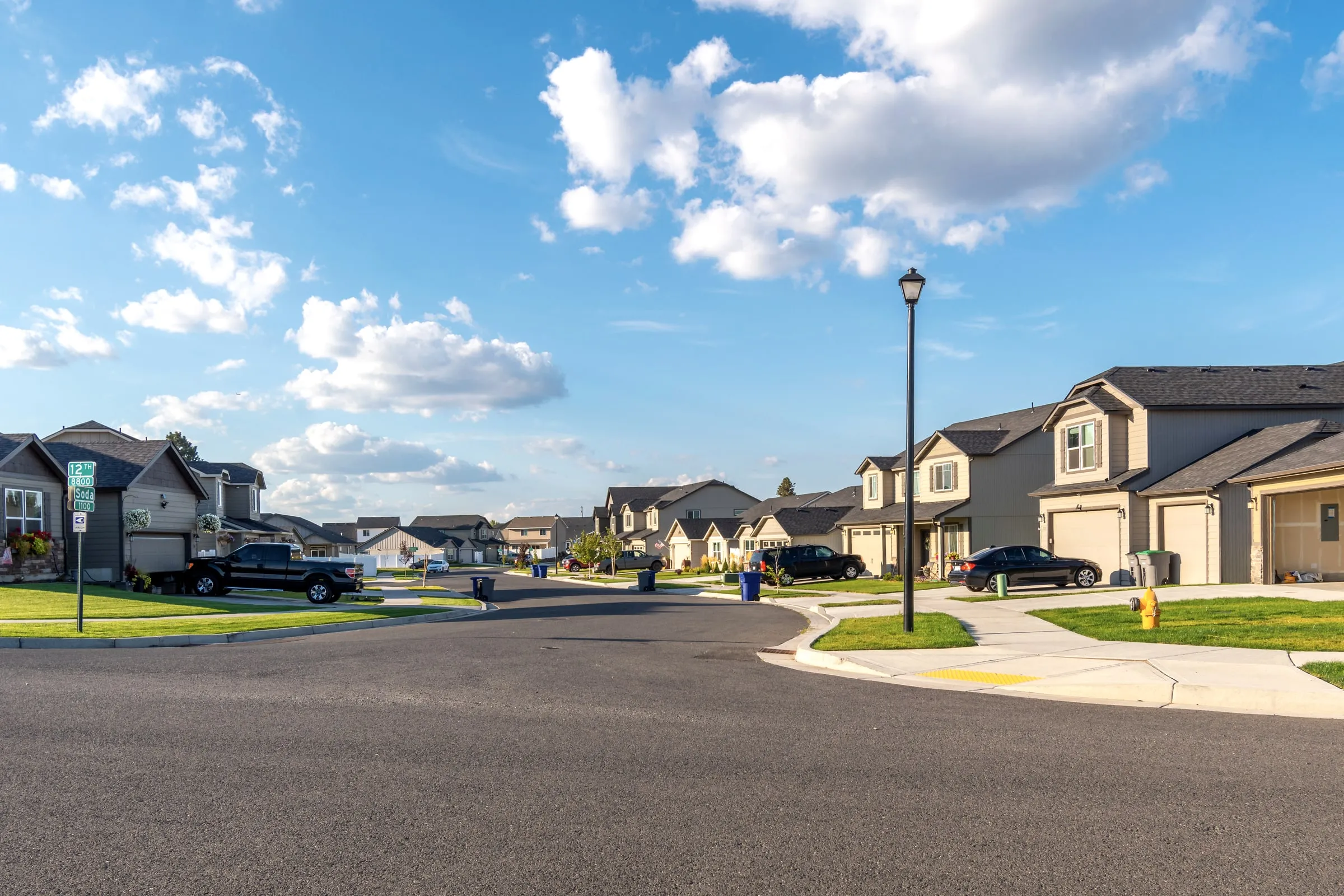
HOA patrol
A marked patrol vehicle on your streets on a schedule nobody can predict, and a written record of every round for the board.
Learn more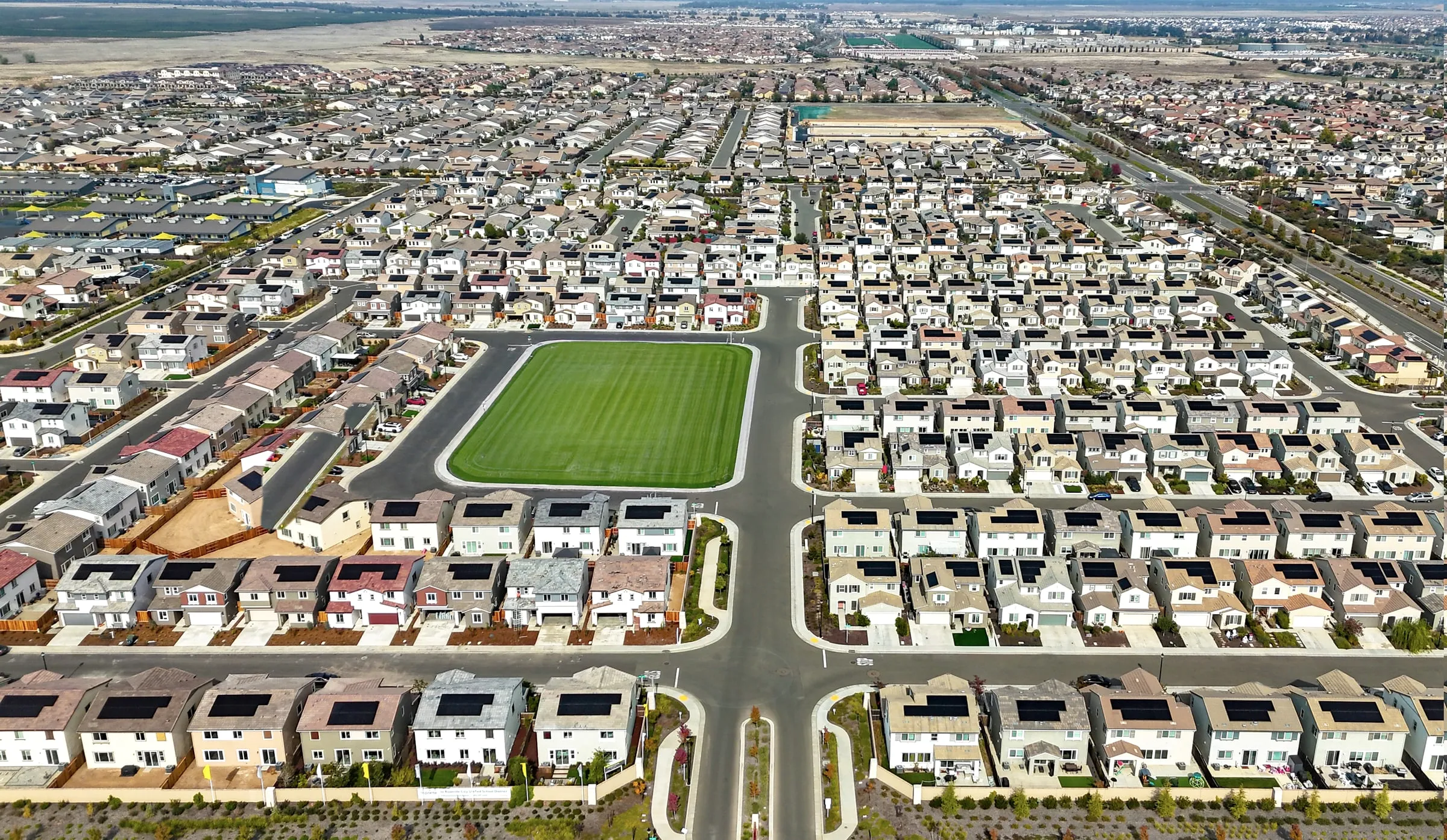
Master-planned communities
One security program across villages, gates, amenity centers, trails and the sections still being built, reporting to the association as one client.
Learn more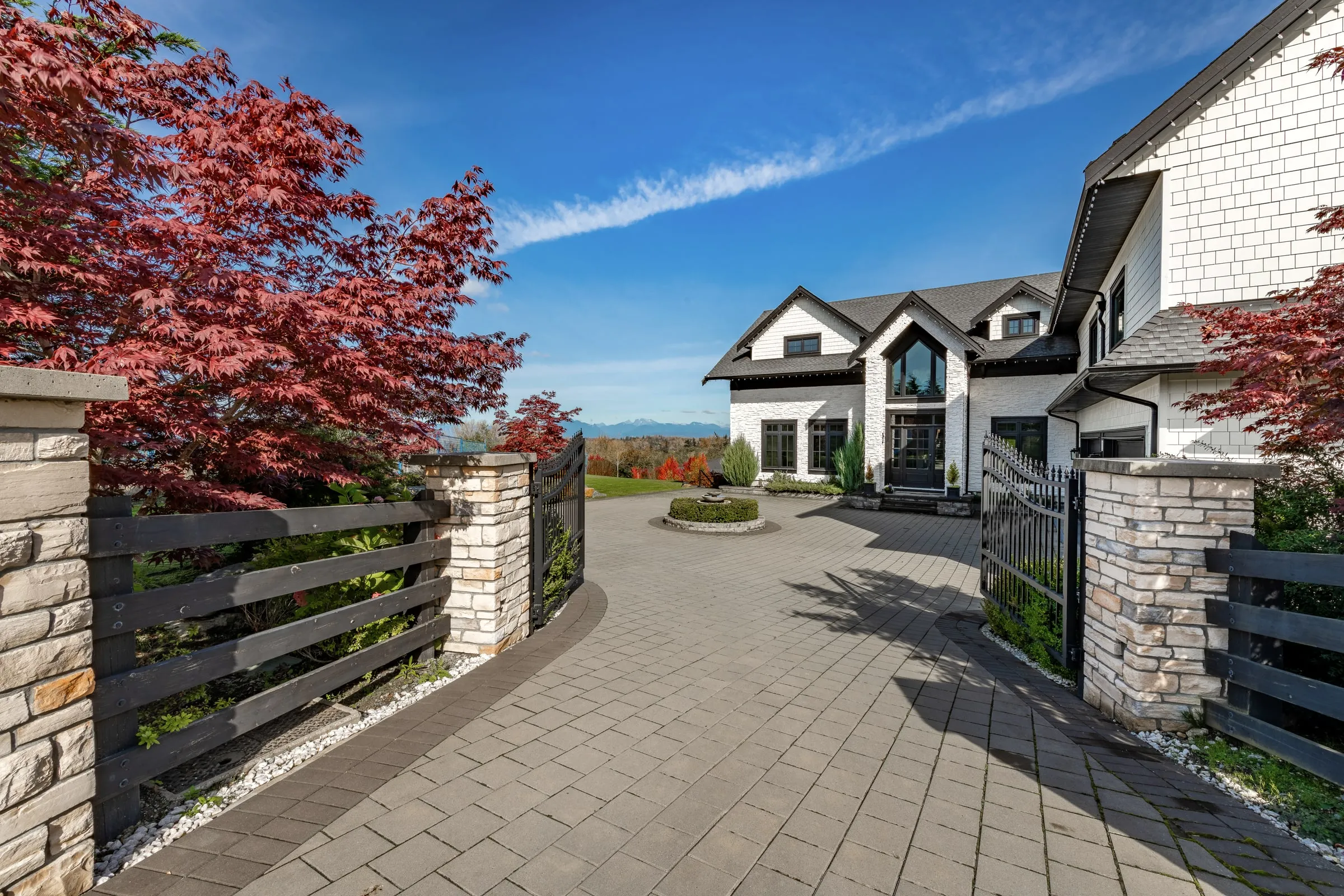
Private estates
A gate, grounds and a household to protect, on the owner's terms, with a discreet daily report to whoever the owner names.
Learn more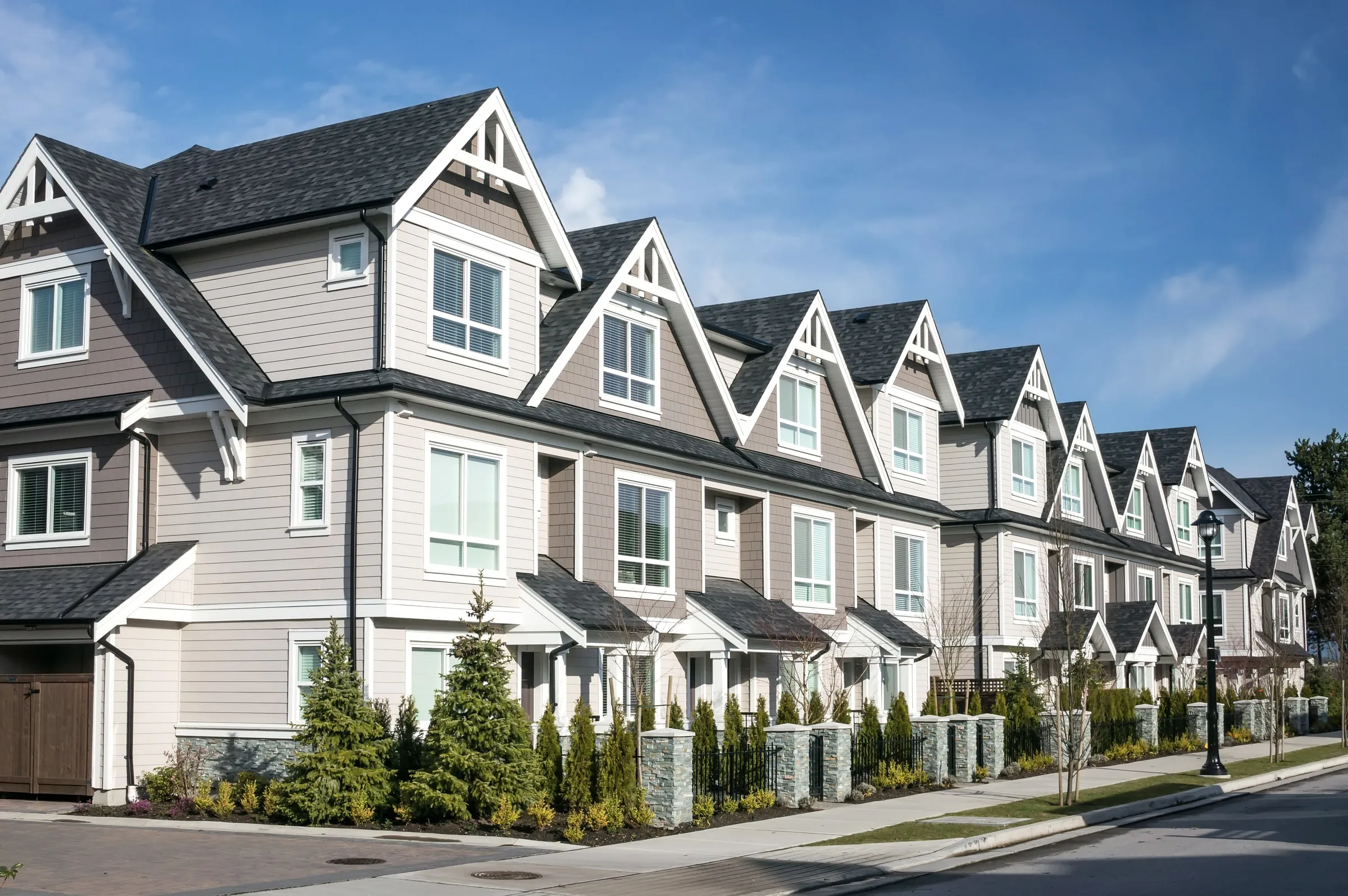
Townhome communities
Coverage for the shared drives, rear alleys, garages and guest lots that a townhome community owns together, on a route written for its layout.
Learn more
How we work here
The services this industry uses.
- Unarmed security guards
The usual association post is an unarmed Level II officer at a guardhouse or an amenity center, in uniform, working the hours the board sets. Customer service training matters on a residential post, where nearly every contact is with an owner, a guest or a contractor who expects to be let in.
- Vehicle patrol
Neighborhoods without a gate and communities too large for one post are covered by a marked vehicle on varied routes: streets, cul-de-sacs, the park, the mail kiosks and the amenity center lot, with the officer out of the vehicle at the places the post orders name.
- Access control
At a staffed gate the officer confirms residents, checks visitors against the list the association keeps, logs contractors in and out during the hours the rules allow, and keeps the resident lane from being used as a free lane by anyone who follows a decal through.
- Camera monitoring
Where the association has cameras at the entrance, the pool or the clubhouse, the officer on post watches them between other duties and uses what they show to decide where to go next. The cameras belong to the association; the officer gives them someone to look at them.
- Incident reporting
The manager receives a written report every day itemizing visitors, contractors, rounds, gate faults, amenity closings and incidents, so the board packet and the answer to a homeowner's email are drawn from a record rather than from memory.
How a post is set up with an association
An association post starts with a call to dispatch, a walk of the property with the community manager and, where the board wants it, a director, and post orders written before the first shift. Dispatch asks for the parts of the governing documents an officer will actually have to apply: the gate policy and who may add a visitor, the contractor hours, the pool rules and the guest limit, the parking policy on streets the association owns and who can authorize a tow, the no-solicitation rule, and what the board wants done when a homeowner brings a complaint to the guardhouse instead of the office. It also asks who to call after hours, because on most association posts the office is closed and the manager is the escalation path.
The post orders that come out of that conversation are approved by the manager, kept at the post and read by every officer before a first shift. They change when the rules change, when the pool opens, when a gate is replaced, and they are reviewed with the manager on a schedule rather than left until something goes wrong.
Contracting on the board’s calendar
Associations buy security on a calendar the board sets: the budget is adopted in the fall, contracts are renewed at the turn of the year, pool coverage is decided in the spring. A proposal from Price Protection is written so a board can vote on it in one reading: the post type, the hours per week, the hourly rate, the start date, and what an added shift or a holiday costs. Where the manager has spending authority, coverage can begin before the next meeting; when a gate has failed or a contract has lapsed, unarmed officers are usually on the post within hours of the call. Changes are made by the manager in writing so the post orders, the schedule and the invoice always match what the board approved.
Seasons on an association calendar
Spring brings the pool opening, roofing crews after hail and landscaping contractors at every gate. Summer is the pool, long evenings, clubhouse rentals and the Fourth of July. Hurricane season runs June through November, and the post orders say what the officer does when the power fails, the gate operator drops and the streets fill with debris and with residents who did not leave. Fall is the budget, Halloween traffic and holiday lights; winter is package deliveries, homes empty for the holidays and the freeze weeks when a burst pipe shows as water running down a driveway at three in the morning. Coverage is planned around that year, and the post orders carry a section for each part of it.
The record behind the board packet
An association pays for hours of presence, and the daily report is how the manager and the board see how those hours were used: rounds with times, entries at the gate, contractors in and out, amenity closings, gate faults, complaints taken at the window and incidents with their own written report. Managers draw the monthly summary for the board packet from it, pull a single day when a homeowner disputes a refusal at the gate, and hand it to counsel when the association is asked what it did about a complaint. Every officer’s work is reviewed against that report daily, so a skipped round or a gate left on codes is caught inside the company before a director hears of it.
Find your community type below
Each property type has its own page below, because the post at a staffed guardhouse is not the post on a neighborhood patrol, and the questions a condominium board asks are not the questions a master association manager asks. Every page covers that community’s risks, the services that apply, a typical shift, what the report records and the questions boards put to us. If yours is not on the list, request a proposal and describe it; we write post orders for the property in front of us, not for a category.
Reporting
A written report, every day.
Every client receives a daily report, and officer performance is reviewed and documented daily. Post orders for this industry are written with the property manager before the first shift.

- 24/7
- Dispatch and guards, every day of the year
- 2019
- Providing armed security in Houston since
- 25+
- Communities and businesses on the client wall
- Daily
- A written report to every client
How does an association contract for a security post?
The board approves the coverage and the budget, the manager signs the agreement and becomes the day-to-day contact, and post orders are written with both before the first shift. Proposals state the hours, the post type and the hourly rate in writing so they can be read into the minutes.
Can an officer enforce our deed restrictions?
No. An officer observes and reports a violation, such as a boat parked in a driveway or a fence going up without approval, and the manager and board handle enforcement under the governing documents. On the property the officer has the authority of any private citizen, and police are called when a law is broken.
Who receives the daily report, the board or the manager?
The manager, unless the board asks for a copy to go to a director as well. Most boards read a monthly summary the manager prepares from the daily reports, and pull an individual day when a homeowner raises a question about it.
Do you cover neighborhoods that are not gated?
Yes. A neighborhood with public streets and no controlled entry is covered by a marked vehicle patrol on the hours the board chooses, usually overnight, with attention to the common areas the association owns and to homes on a vacation-watch list.
Can coverage change with the season?
It usually does. Boards add pool and amenity coverage from late spring through Labor Day, adjust for hurricane season, and add hours around the holidays when homes are empty. Post orders are revised when the schedule changes rather than rewritten from scratch.
Related pages
Service areas
Insights
Answers
Glossary
Resources
Request a proposal
Request a proposal for hoas & residential communities.
Two short steps. Dispatch reviews every request and calls you back about coverage. For urgent unarmed coverage we can typically staff most sites within hours.
24-hour dispatch
(281) 326-9189