
HOA Patrol Services
A marked patrol vehicle on your streets on a schedule nobody can predict, and a written record of every round for the board.
Request a proposalThe situation
What an open subdivision deals with at night
Cars broken into on the street
Subdivisions without gates are worked by people who walk the street at three in the morning trying door handles. The cars in driveways and on the curb are the target, and the streets are long, quiet and dark between the porch lights.
Vacant homes and homes for sale
A house between owners, a home under renovation or one whose owners are away for the summer is the one that gets a broken back window. The neighbors notice a week later. Nobody is checking the back gate.
The amenity lot after hours
The pool lot, the park and the trail head draw cars after closing: teenagers, people from outside the subdivision, occasionally someone sleeping in a car. The association's rules have nobody to apply them at eleven at night.
Traffic and parking the board cannot police
Speeding on the collector street, trailers parked on the curb, cars blocking the mailbox cluster. The board can write letters; it cannot be present. A patrol that logs plates and times gives the manager what the letter needs.
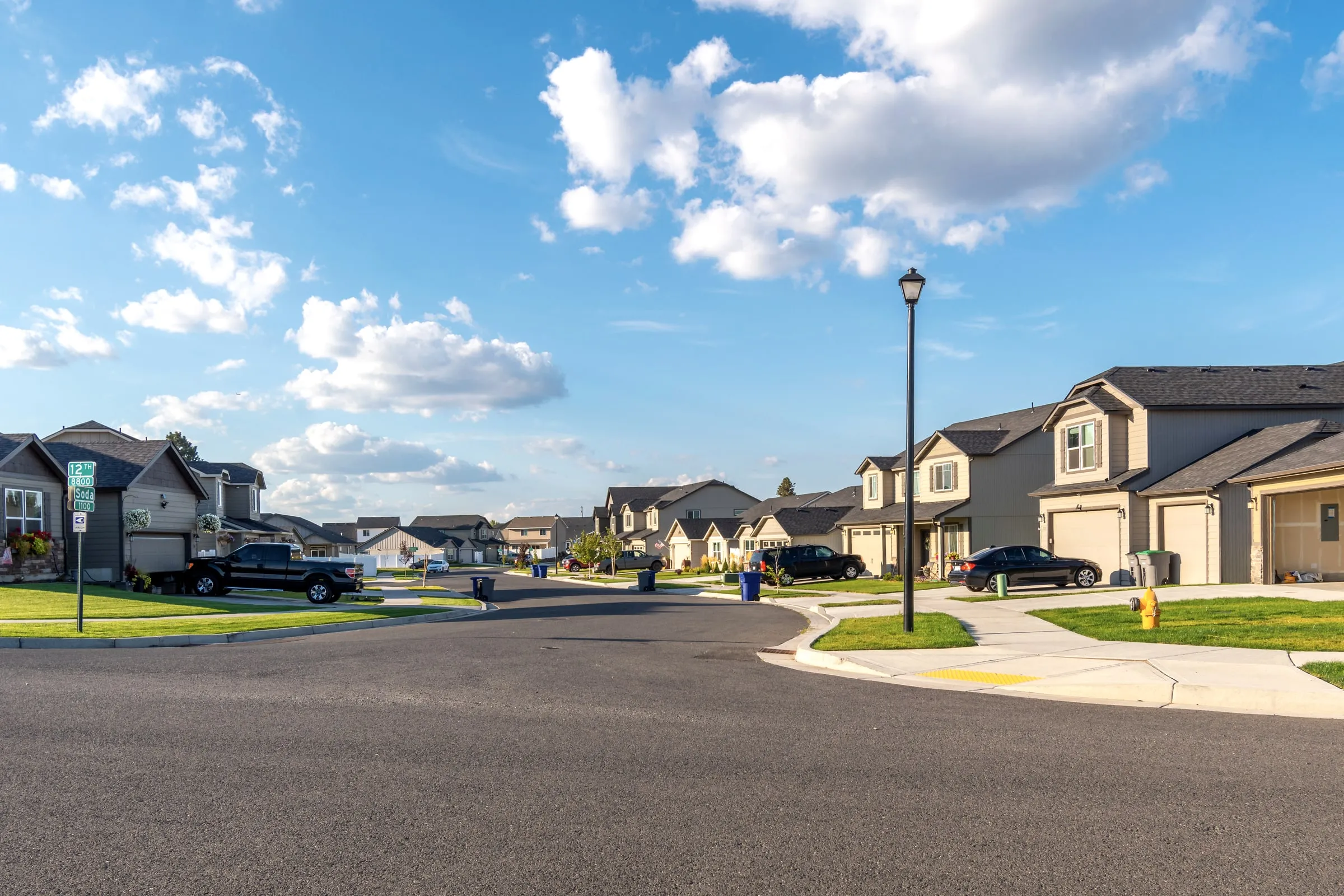
A subdivision is a lot of street
An association without a staffed gate has no post to stand at. Its exposure is spread over miles of street, dozens of cul-de-sacs, two or three entrances, a pool lot, a park and whatever houses happen to be empty this month. The only coverage that fits that shape is a vehicle: an officer who can be on every street several times a night and get out where it matters. Price Protection sets up HOA patrol as a written route rather than a drive-around, with checkpoints the board chooses and a log the manager can read.
The route is planned from a drive with the manager after dark. Every street is on it; so are the entrances, the mail kiosks, the amenity lots, the trail heads and the houses on the vacant list. Some checkpoints are drive-by; the entrances, the pool lot and the vacant homes are on foot. The interval between rounds and the minimum number of rounds per shift are stated in the post orders, and the order is varied each time.
What the post orders say
The post orders restate the association’s rules as instructions: the pool and park hours, the parking rules the board wants logged, what the officer says to a resident with an open garage door, how a gate fault is handled, when the police are called and which line. They list the vacant homes and the contact for each, the manager’s after-hours number and the utility’s number for street lights. They say what the officer does not do: no traffic stops, no towing decisions, no enforcement of deed restrictions beyond logging.
Working with the board
The month’s reports are the board’s picture of its own streets: which cul-de-sac draws cars after midnight, which entrance’s light keeps failing, how many garages are left open on a Friday, whether the pool lot problem is solved. Price Protection’s supervisor brings the pattern to the review meeting and adjusts the route and the checkpoints with the manager. Boards that later add a gate or an amenity officer keep the patrol on the streets, because the streets are where the cars are.
Starting a patrol
Dispatch needs the plat or a map, the hours the board wants, the amenity hours, the vacant list, the manager’s after-hours number and any gate details. The supervisor drives the route with the manager, writes the post orders and the checkpoints, and the patrol starts on the agreed night. A community that has just had a run of car break-ins can generally have an unarmed patrol on its streets within days, and the route is tightened over the first weeks as the officers learn where the problems are.
How we cover it
Every service, applied to this post.
- Vehicle patrol
A marked vehicle drives a written route through every street and cul-de-sac, the amenity lots, the mail kiosks, the entrances and the vacant homes on the list, several times a shift in an order that varies each round. The officer stops and gets out at the checkpoints the board has chosen.
- Unarmed security guards
The patrol officer is unarmed, in uniform and in a vehicle the neighborhood recognizes. Contact with residents is courteous and short; contact with people who do not belong is by the post orders, with police called for anything beyond a request to leave.
- Access control
Where the subdivision has a gate that runs on codes without a guardhouse, the patrol checks it each round, logs faults and tailgating and reports codes that are being shared, and covers the entrance in person when the arm fails.
- Incident reporting
Every round is logged with times; every checkpoint, vehicle of interest, open garage, dark street light and rule violation is entered as it is seen. The manager receives the report each morning and the board sees the month's pattern at the review.
A typical post
What a shift looks like here.
The evening patrol begins as the porch lights come on. The first round is slow: every street, every cul-de-sac, the two entrances, the pool lot, the park, the vacant house on the list with the realtor's box, the mailbox clusters. Open garage doors are noted and, where the post orders allow, the homeowner is told. A trailer parked on the curb goes in the log with the plate.
Later rounds are shorter and in a different order. The pool lot after closing has two cars; the officer makes contact, explains the hours, and both leave. A street light out on the collector road is logged for the utility. At two in the morning a car creeping down a side street with its lights off is followed at a distance, the plate is recorded and the police non-emergency line is called because the post orders say so.
Before dawn the officer checks the vacant house's back gate on foot, drives the last round, and writes the report: rounds with times, contacts, plates, the open garages, the light out, the call to police. The manager reads it with coffee.

Reporting
What the daily report covers here
Every client receives a written report each day, and officer performance is reviewed and documented daily. This is what the report records on this kind of post.
- Each patrol round with its start time and the streets covered
- Checkpoints visited on foot: entrances, amenity lots, mail kiosks, listed vacant homes
- Vehicles of interest with plate, location and time
- Open garage doors and unsecured property noticed, and whether the resident was told
- Amenity closing contacts and rule violations, with the outcome
- Street lights out, gate faults and hazards reported to the manager
- Calls to police, with the time and the reason
How many rounds does a patrol make in a night?
Several, depending on the size of the subdivision and the hours the board buys. The number and the minimum interval are written into the post orders; the order changes every round so the patrol cannot be timed by watching one street.
Does the patrol share nights with other communities?
A dedicated patrol stays on one community for its whole shift. A shared route covers several nearby communities in rotation for a lower cost per association, with each community's rounds logged separately. The proposal states which is being offered.
Can the patrol enforce our deed restrictions?
The patrol observes and logs: the trailer on the curb, the car parked on the grass, the pool used after hours. The manager and the board enforce. The log gives the letter its date, time and plate.
What does the officer do about a suspicious car?
Records the plate, description and location, keeps it in sight without confronting, and calls the police where the post orders direct. The officer does not stop vehicles or make traffic stops.
Do residents know when the patrol is there?
The vehicle is marked and the officer is in uniform, so the patrol is visible when present. The board decides how much of the schedule to publish; most publish the fact of the patrol and not the hours.
Related pages
Industries we serve
Service areas
Insights
Glossary
Request a proposal
Request a proposal for hoa patrol.
Two short steps. Dispatch reviews every request and calls you back about coverage. For urgent unarmed coverage we can typically staff most sites within hours.
24-hour dispatch
(281) 326-9189