
Security Guards for Retail
A uniformed officer at the door, on the floor or in the lot, working to the store's own loss prevention policy, with a written report at the end of every day.
Request a proposalThe industry in Houston
Retail in Houston runs along the freeways
Strip centers at every major intersection, power centers and big-box pads along the Katy Freeway, Westheimer, FM 1960 and the Gulf Freeway, enclosed malls in Uptown and the suburbs, and corner stores that never close. The store is exposed to whoever is driving past, and the parking lot is the first thing a customer judges.
Shrink is the number the store lives by. Shoplifting, grab-and-run theft, return fraud, sweethearting at the register and losses through the back door all land in the same line of the store's results. Cameras record it; a person standing at the door changes whether it happens.
The lot is part of the store. Vehicle break-ins while the owner shops, panhandling at the doors, people sleeping in the cart corral and disputes that start inside and finish outside are the incidents a store manager hears about most. Coverage that stops at the threshold misses most of them.
Peaks are predictable. Back-to-school in August, the run from Thanksgiving week to New Year's Eve, tax refund season in February and March and hurricane preparation in summer all bring more customers, longer hours and thinner staff. The post is planned for those dates rather than added after the first bad week.
Property types
Pick the page that matches your property.
Each page below covers the risks, the post, the report and the questions specific to that property type.

Auto dealerships
The inventory sits outside behind a chain and a light pole. We put an officer on the lot overnight, row by row.
Learn more
Beauty supply stores
The wig wall and the extension case carry most of the store's real value. We post an officer who knows that before learning anything else about the floor.
Learn more
Big-box stores
A footprint this large needs a route, not a stand: the lot, the returns counter, the outside garden or seasonal department, and every exit.
Learn more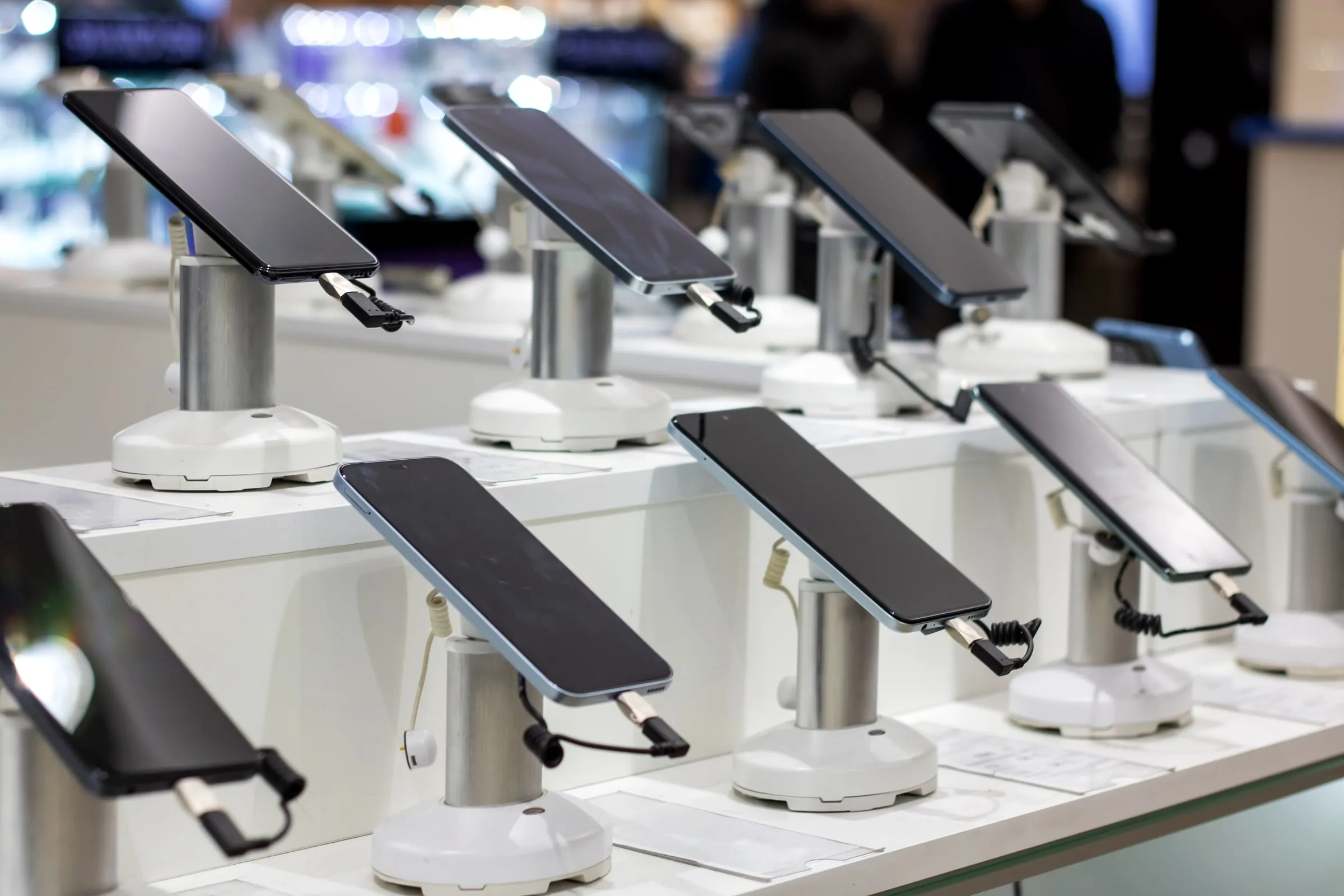
Cell phone stores
A small floor holding a lot of value on tethered demo units gets one officer near the door, watching the whole store at once.
Learn more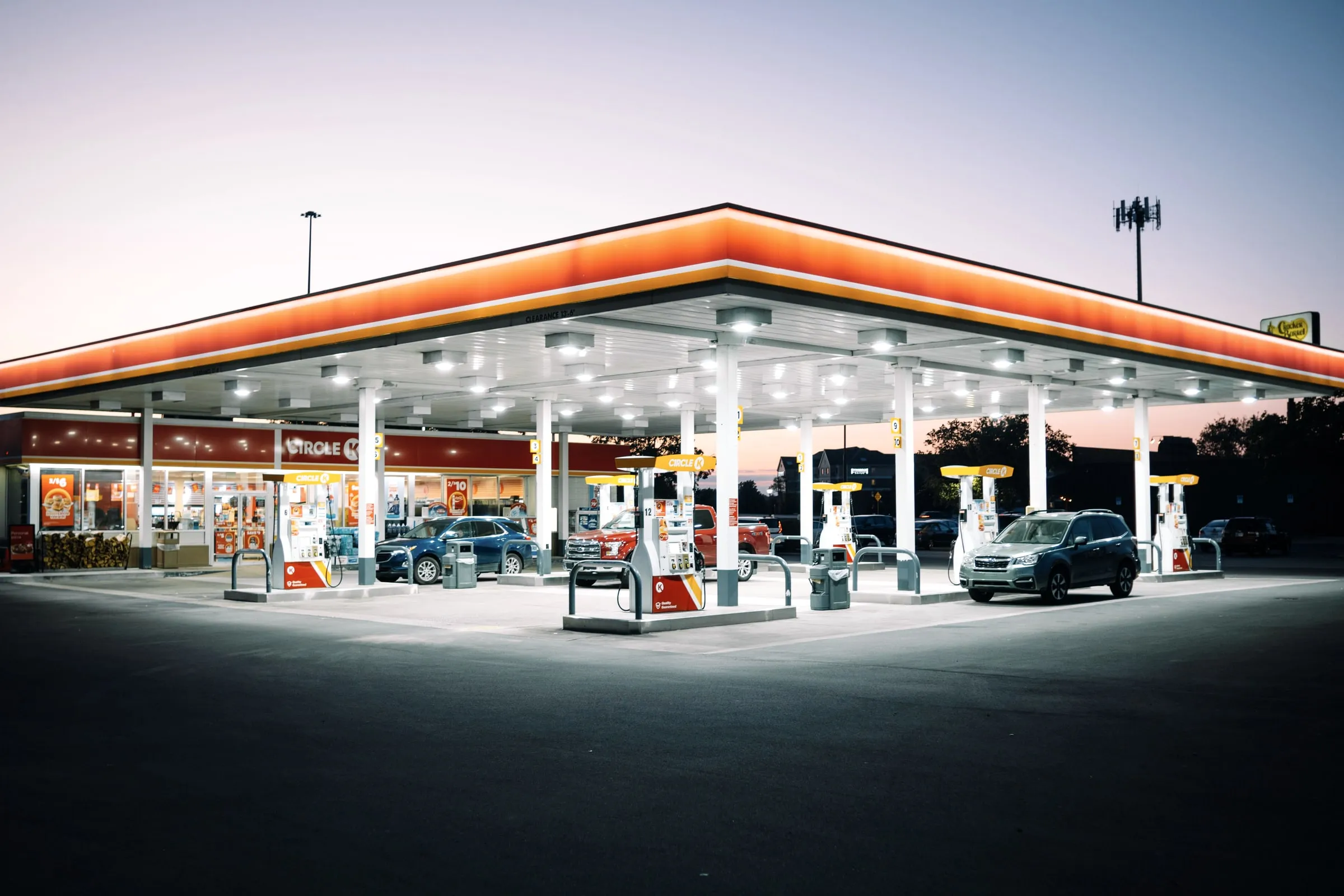
Convenience stores and gas stations
A clerk alone at three in the morning is the exposure. We put an officer at the door with a view of the pumps, and log every round of the forecourt.
Learn more
Furniture stores
The showroom is wide and the staff are few, and the losses happen at the dock and in the truck yard. We cover the back of the building as closely as the front.
Learn more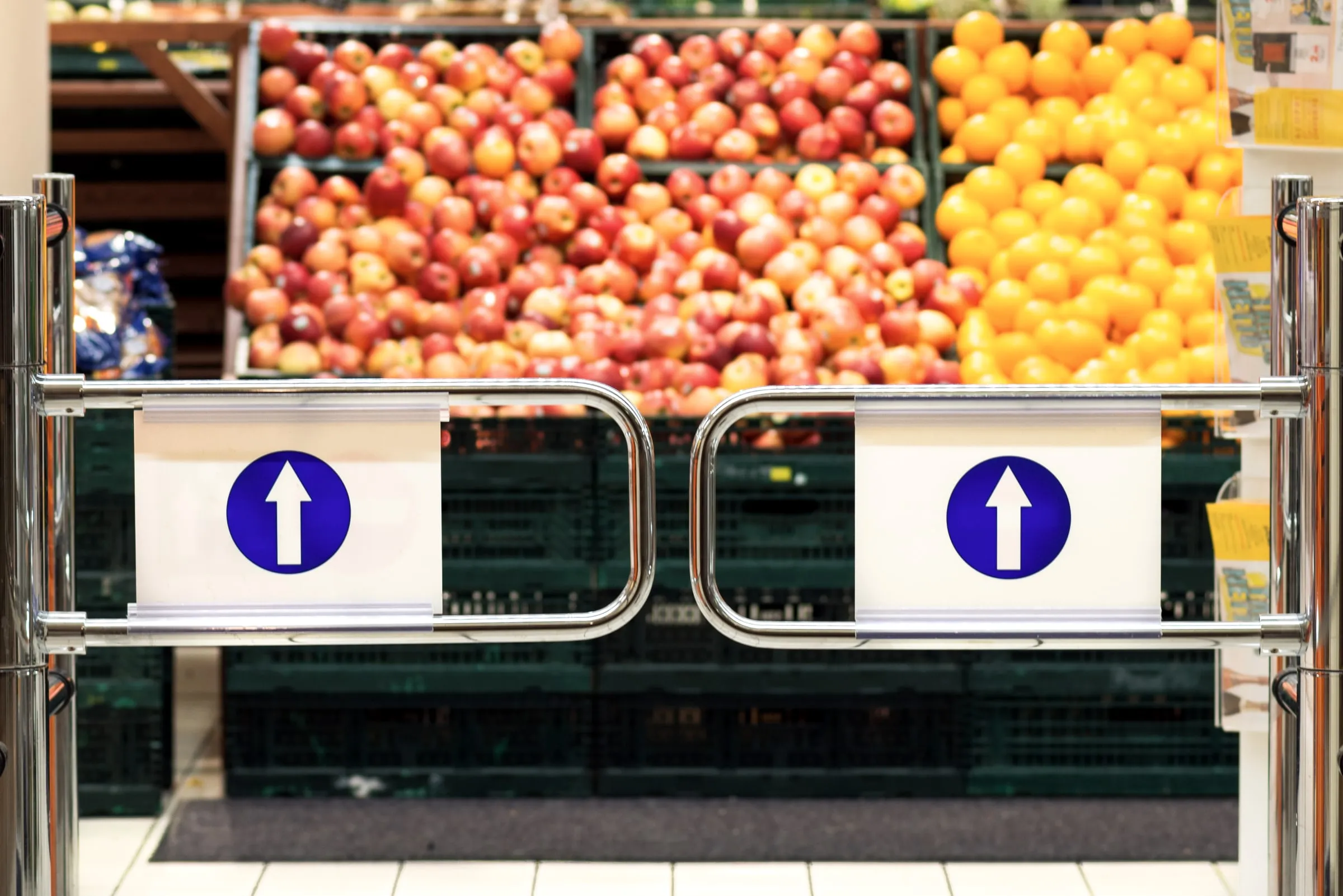
Grocery stores
A store that opens before dawn and stays busy past dark gets one officer who knows the dock schedule as well as the sales floor.
Learn more
Holiday season retail
Six weeks carry a disproportionate share of a retail year's risk. We add coverage on top of a store's existing post, not in place of it.
Learn more
Jewelry stores
The windows facing the street carry as much risk as the showcases inside. We post an officer who watches both, by appointment and by the door.
Learn more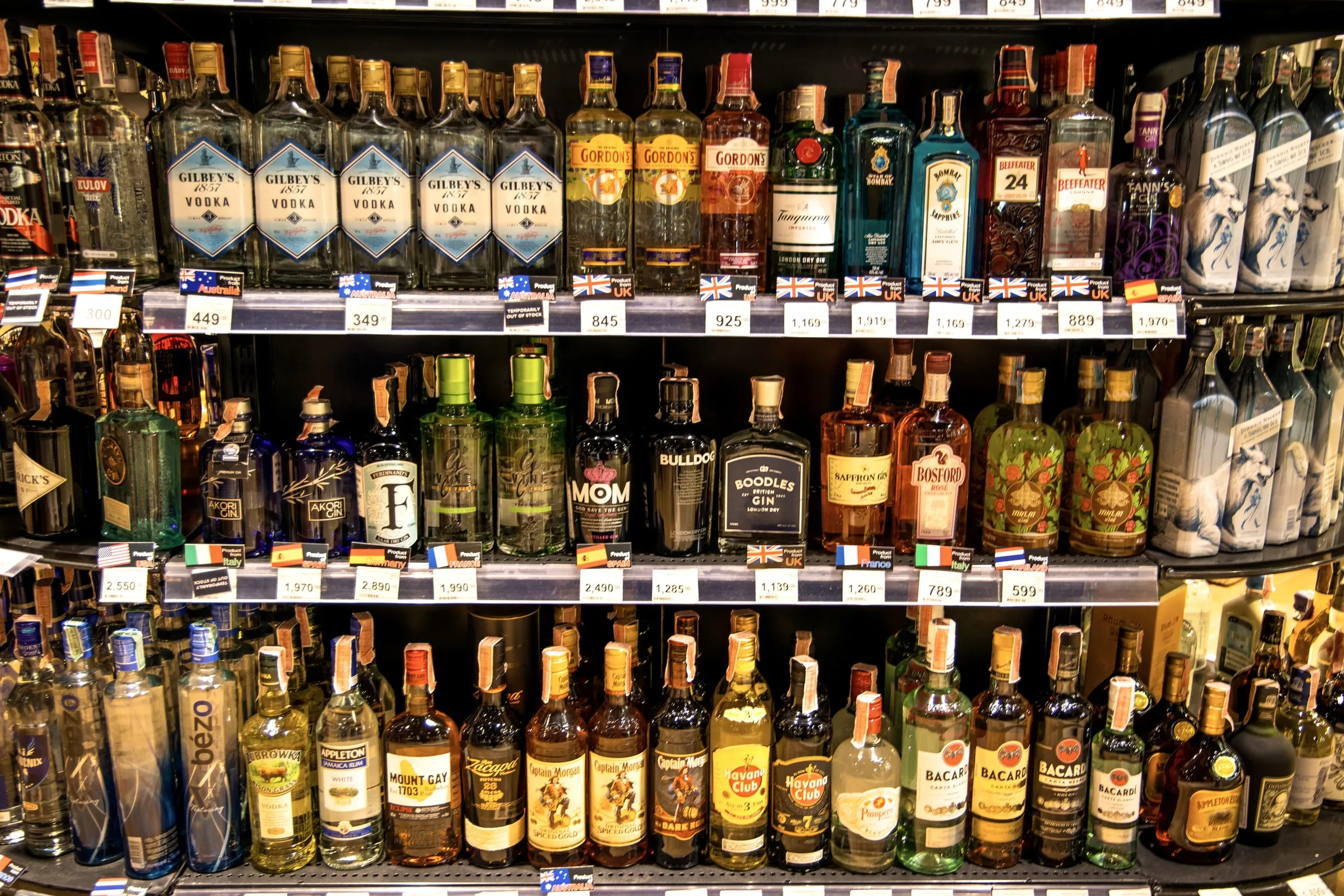
Liquor stores
One clerk behind one register, cash in the drawer all night: we post an officer so the clerk is never the only person standing between the door and the till.
Learn more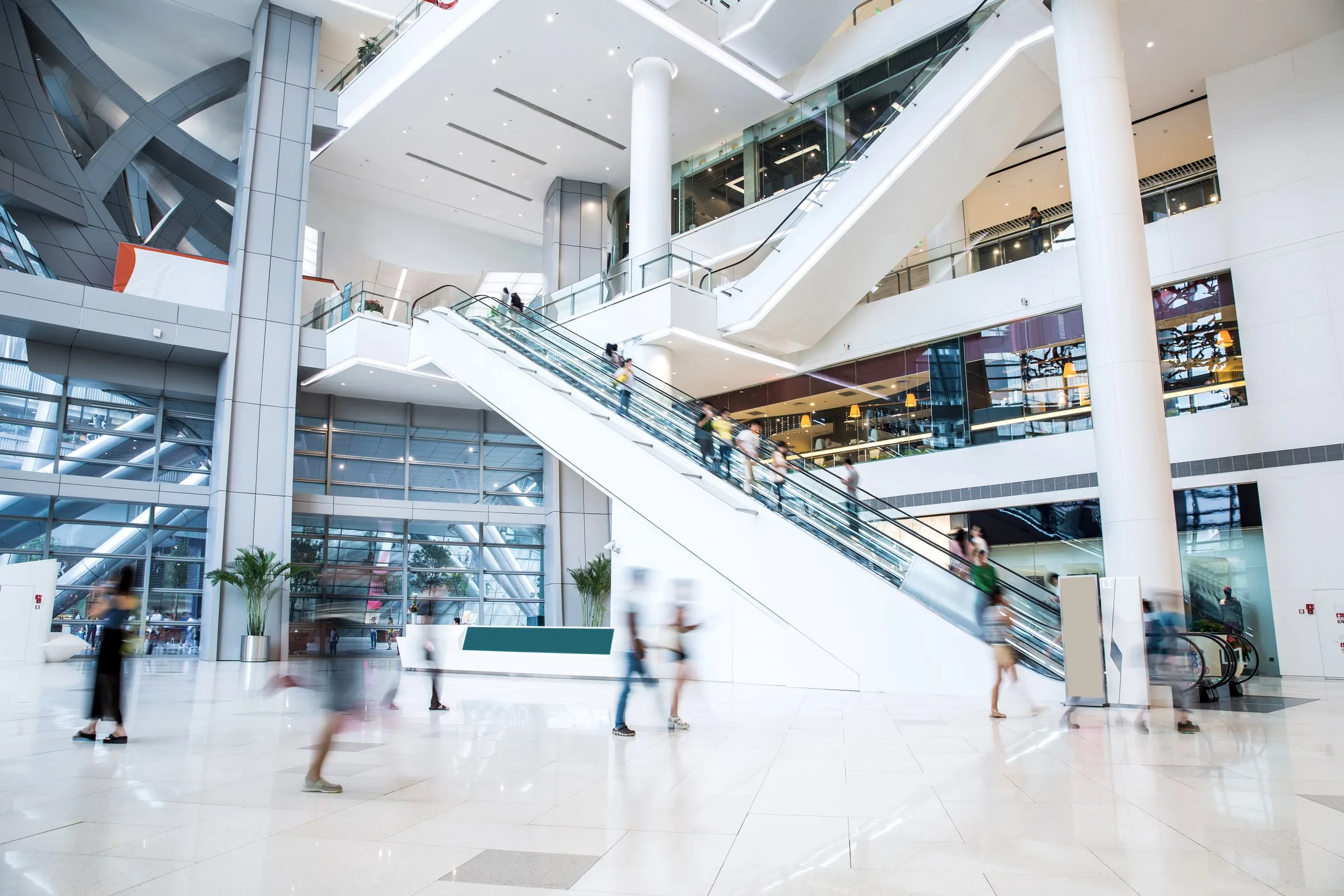
Malls
A team, not a single post: a dispatch desk, foot officers on the concourse and a vehicle in the garage, all writing to the same report.
Learn more
Pawn shops
Cash, jewelry and firearms cross the same counter all day. We post an officer where the door and the showcases are both in view, open to close.
Learn more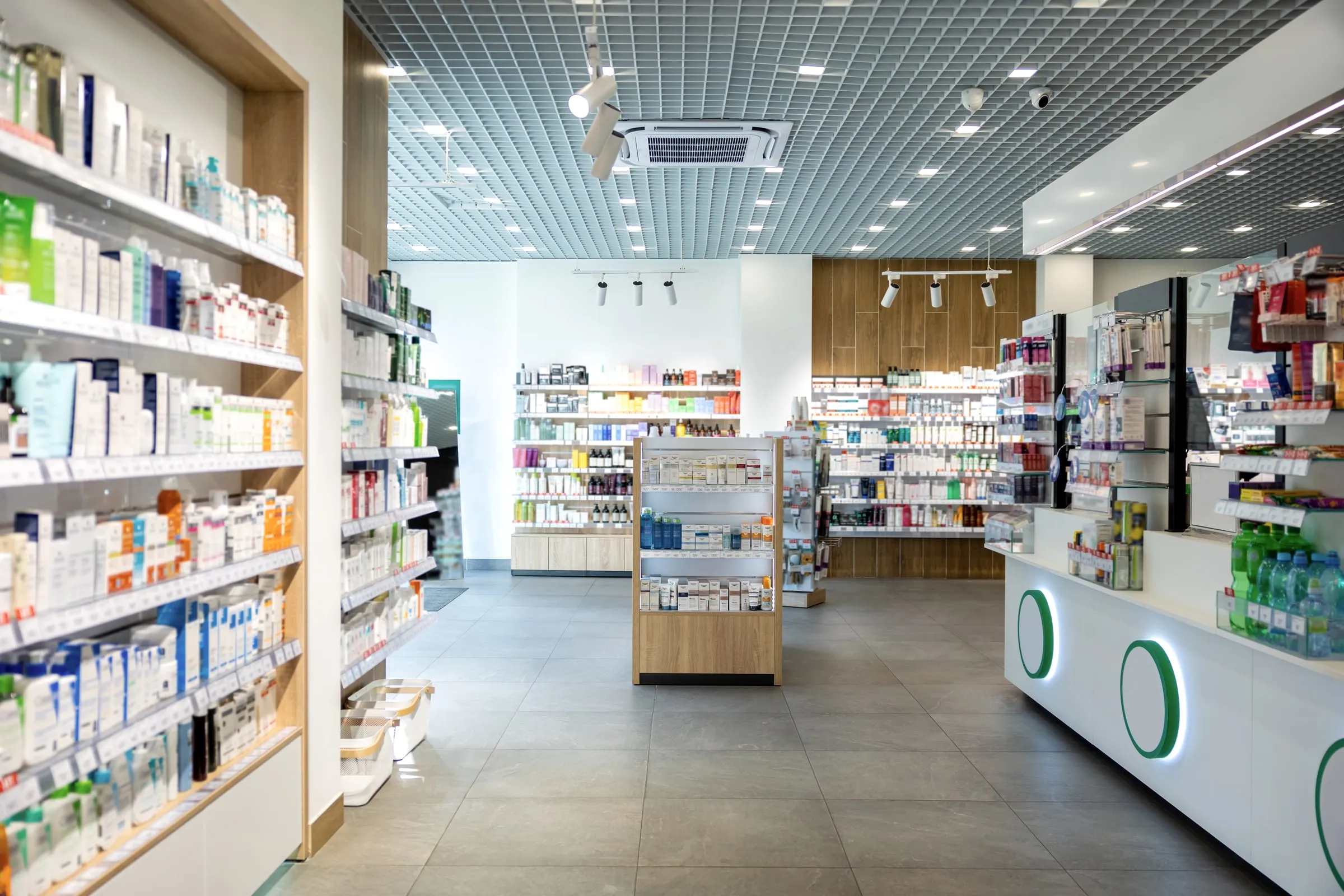
Pharmacies
The pharmacy counter carries the real risk. We post an officer who knows the difference between a slow line and a problem forming at the window.
Learn more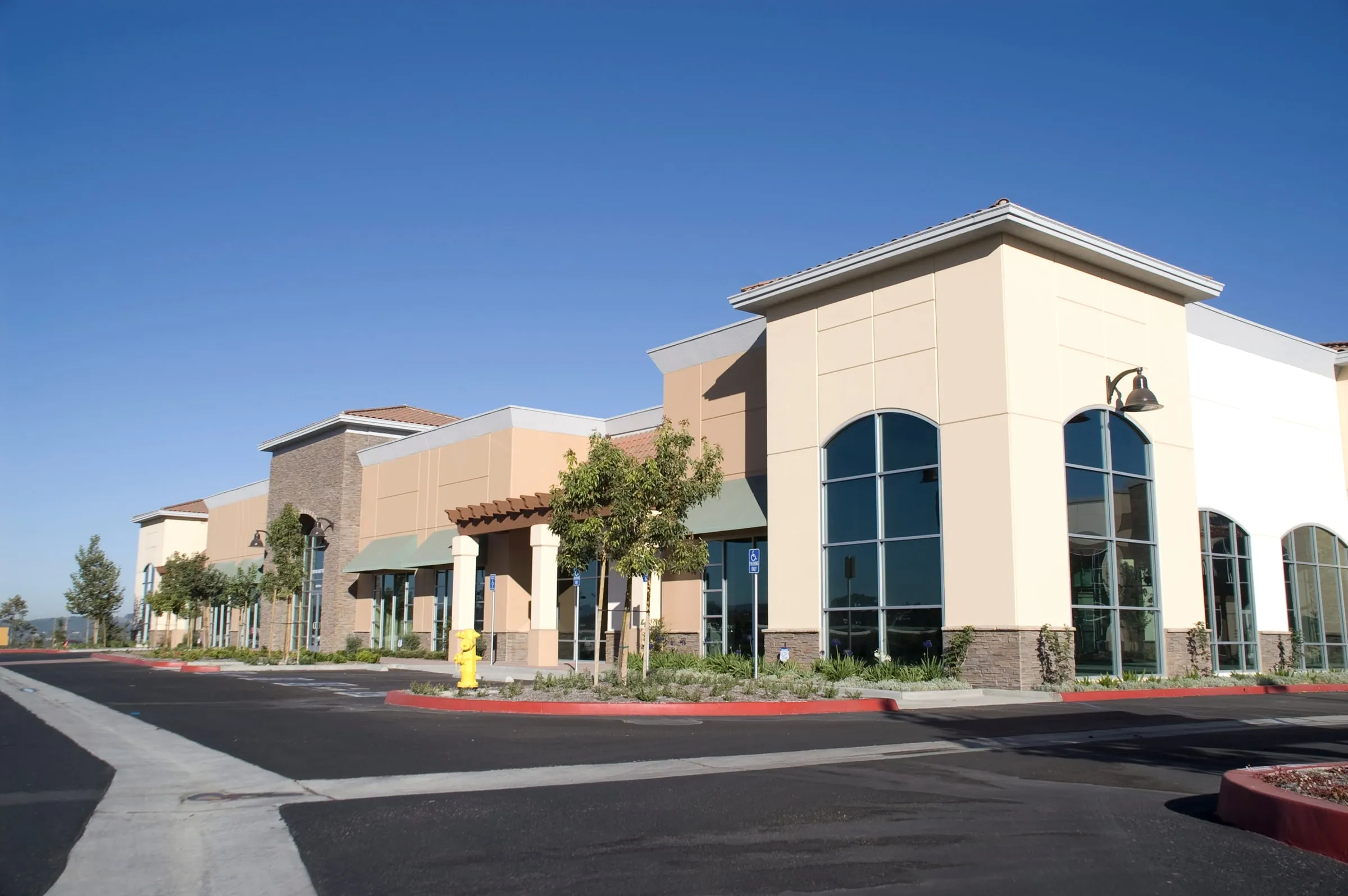
Shopping centers and strip malls
One post for the whole center: the lot, the rear drive, the vacant bays and the tenants that trade late, reported to the property manager every day.
Learn more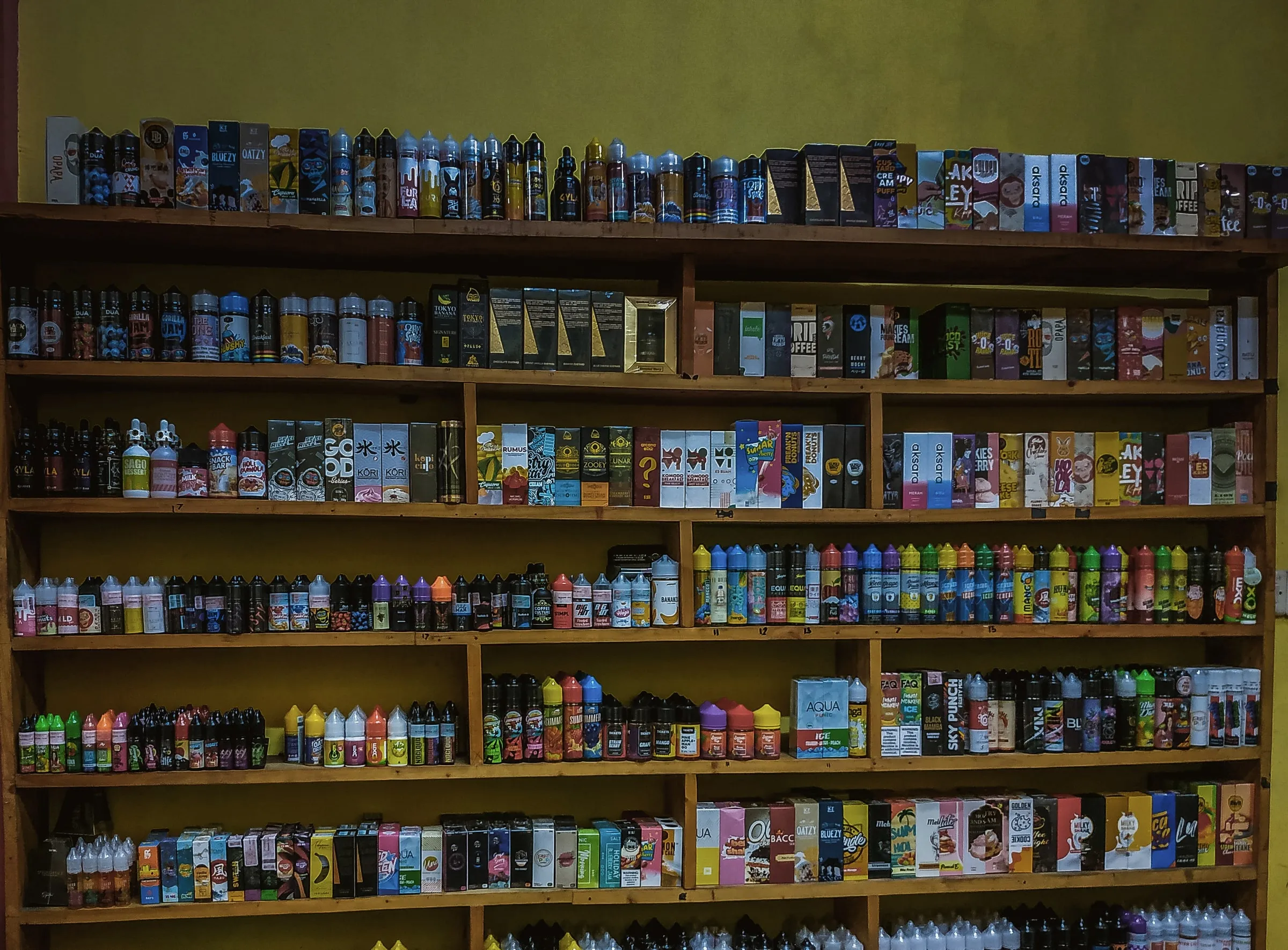
Smoke and vape shops
A small storefront open later than the strip center around it gets one officer who knows the difference between a slow night and a problem walking in.
Learn more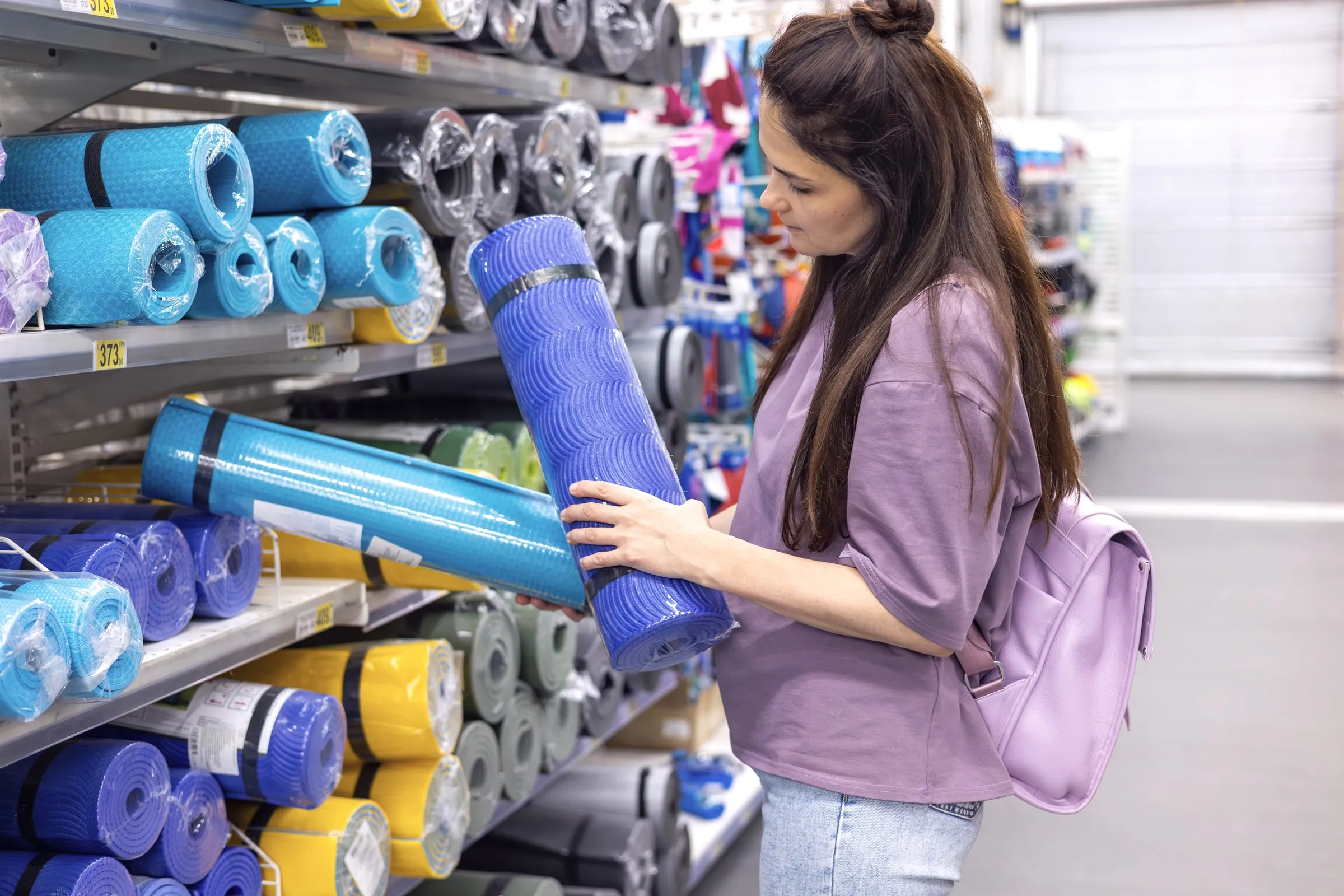
Sporting goods and firearm retailers
Camping gear, cleats and a firearms case share one floor. We post an officer who gives the case its own attention without treating the whole store the same way.
Learn more
How we work here
The services this industry uses.
- Unarmed security guards
The typical retail post is a uniformed unarmed officer at the entrance or on the floor during trading hours, visible from the parking lot, trained in customer service so the greeting is genuine and the deterrence is quiet. Level II officers complete the thirty-hour Texas DPS course before they work a post.
- Armed security guards
Stores that hold cash, jewelry, handsets or controlled substances, or that close after dark on a busy corridor, often run a commissioned Level III officer instead. Armed officers are state-certified after the 45-hour course with firearms proficiency, and the post orders say exactly when a firearm may be drawn.
- Vehicle patrol
Across a center or a large lot, a marked vehicle covers the parking runs, the rear drive and the dumpster enclosures on varied rounds, and the officer gets out at the doors that matter. Tenants see the vehicle from inside the store, and so does anyone waiting in a parked car.
- Camera monitoring
Where the store has a camera room or a monitor at the desk, the officer watches the client's own system between floor walks, so the receiving door, the self-checkout lanes and the lot have a person looking at them rather than a recorder alone.
- Incident reporting
Every shift ends with a written daily report: theft attempts and how each was handled, trespass warnings, lot incidents, medical calls, deposit escorts and anything found unlocked. Officer performance is reviewed against that report every day.
Who hires us, and for what
Retail security comes to us three ways. A store manager or district manager calls about one location, usually after a run of thefts, a robbery nearby or a complaint from staff about closing alone. An asset protection or loss prevention lead adds uniformed coverage to a program that already has plainclothes investigators and cameras. And the owner or property manager of a center or a mall buys coverage for the common areas and the parking lot on behalf of every tenant. The post orders differ for each. A single store needs an officer who knows the floor plan, the high-shrink aisles, the emergency exits and the closing routine. A center needs a patrol that knows which tenants trade late, where the back doors are and what the lease says about loitering.
What is agreed before the first shift
A supervisor walks the store or the center with the person who will read the reports. The walk decides where the officer stands during trading hours, what the officer does at open and close, how a theft in progress is handled under the store’s policy, when police are called, who the after-hours contact is and what the officer may say to a customer. Those decisions become written post orders, and the officer on shift carries them. Where the store has its own loss prevention procedures, the post orders reference them rather than replace them.
The reporting cadence
A daily report reaches the manager after every shift, whatever happened. Managers read it for theft attempts and the description of the people involved, for the exits found propped and the lights out in the lot, and for the time the safe drop was escorted. District managers read it across locations. Incidents get their own report the same day, written so that a loss prevention investigator, an insurer or a police officer can use it without calling to ask what was meant. Officer performance is reviewed against the reports daily.
What changes through the year
Retail coverage in Houston moves with the calendar. Summer brings heat, long daylight and more people in the lot after dark; hurricane season, June to November, brings panic buying, boarded windows and stores that reopen before the power does. The holiday run from Thanksgiving to New Year’s Eve brings the year’s heaviest foot traffic and stretches store staff, and theft attempts rise with the crowds. January brings returns. The post orders carry a holiday appendix with extended hours, added officers and the cash-handling schedule, so the store is not renegotiating coverage in December.
Choose your store type
The pages below cover each type of store separately, because a grocery entrance, a jewelry showroom and a strip center parking lot are three different posts. Each page explains the risks in that store’s vocabulary, the services that apply, what a shift looks like, what the report records and the questions we hear from managers. If your store is not listed, request a proposal and describe it; dispatch takes calls around the clock.
Reporting
A written report, every day.
Every client receives a daily report, and officer performance is reviewed and documented daily. Post orders for this industry are written with the property manager before the first shift.

- 24/7
- Dispatch and guards, every day of the year
- 2019
- Providing armed security in Houston since
- 25+
- Communities and businesses on the client wall
- Daily
- A written report to every client
What happens when an officer sees a theft in progress?
The officer follows the store's policy and Texas law. The shopkeeper's privilege in Texas Civil Practice and Remedies Code section 124.001 permits a reasonable detention of a person reasonably believed to have stolen, for a reasonable time, to investigate. Most clients prefer that the officer observe, deter, report and call police, and the post orders record which approach the store has chosen. This is a summary, not legal advice.
Which retail stores run armed posts?
Jewelry stores, pharmacies with a controlled-substance counter, package liquor stores, cell phone stores and cash-heavy stores that close late are the usual armed posts. A shopping center's common areas, a grocery entrance or a big-box floor is normally an unarmed post. We walk the store with you and recommend one; the proposal states the choice and the rate.
Can you cover only the holiday season?
Yes. Temporary posts from Thanksgiving week through the first week of January are common, and so are posts for a single sale weekend or a launch day. The same post orders and daily report apply to a six-week post as to a year-round one.
How does the officer work with our loss prevention team?
The uniformed officer is the visible half of the arrangement. Your loss prevention staff decide what is investigated and what is prosecuted; our officer holds the door, keeps the lot in view, supports a stop the store's policy allows and writes up what was seen. Roles are set in the post orders before the first shift.
Do you serve retail outside Houston and Sugar Land?
Our headquarters is in Sugar Land and most retail posts are inside Greater Houston, from Katy and Cypress to Pasadena, Baytown and Clear Lake. We have clients across Texas and staff posts further out by arrangement.
Related pages
Industries we serve
Service areas
Insights
Glossary
Request a proposal
Request a proposal for retail.
Two short steps. Dispatch reviews every request and calls you back about coverage. For urgent unarmed coverage we can typically staff most sites within hours.
24-hour dispatch
(281) 326-9189