
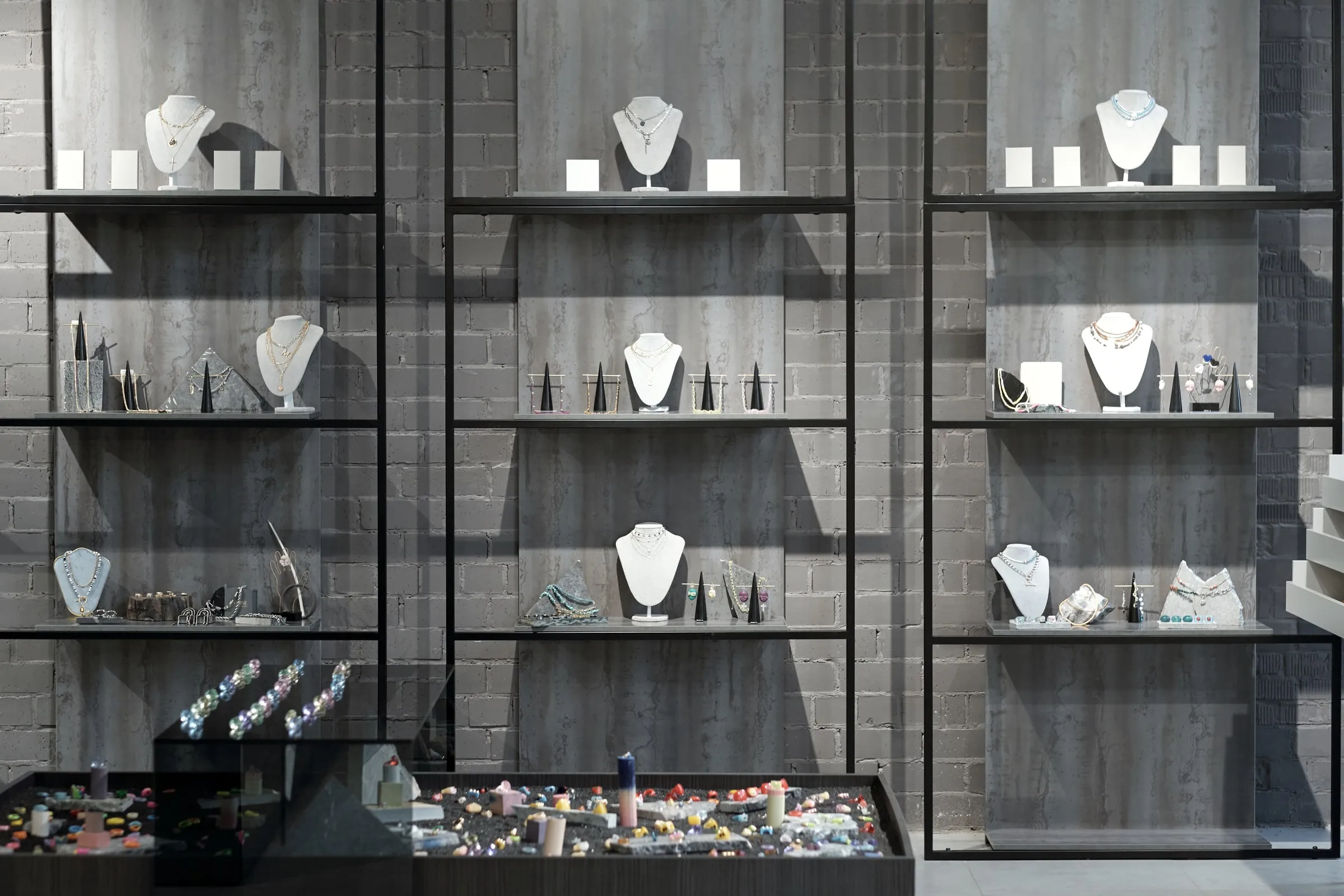
Security Guards for Jewelry Stores
The windows facing the street carry as much risk as the showcases inside. We post an officer who watches both, by appointment and by the door.
Request a proposalThe situation
What a jewelry store deals with
The display window is a showcase to the street
A jewelry store's window is built to draw a customer in, which also means it puts the store's most eye-catching pieces on view to anyone walking or driving past after hours. A window built for display is not built to stop a hammer or a vehicle.
Appraisals and appointments bring value in the door
A private appraisal, a custom order pickup or a high-value client visiting by appointment can bring pieces into the store, or out of the safe, outside the store's normal traffic pattern, and the officer's schedule needs to know about it in advance.
Repairs and drop-offs create a paper trail that has to hold
A ring left for sizing, a watch left for a battery, a piece sent out for repair: each one is tracked by a claim ticket, and the moment of handoff at the counter is when a mismatch or a dispute over what was left is most likely to surface.
Opening and closing move the most value at once
Cases are filled from the safe before the doors open and cleared back into it after closing, which makes those two windows the moments the most inventory is out in the open at the same time.
The window is the store’s most public showcase
A jewelry store’s window display is built to stop a passerby and pull them inside, and that same design puts the store’s most eye-catching pieces on view to the street long after the doors are locked. A pane of glass built for presentation is not built to resist a hammer, a pry bar or a vehicle, and a smash against the window is over in seconds, well before a response can reach the block. Price Protection treats the display windows as part of the post rather than an afterthought behind the counter, with a check built into every round and a plan for what happens if the glass is struck.
Appointments move value outside the normal pattern
Not every visit to a jewelry store looks like the rest of the day. A private appraisal, a custom piece being handed over, a high-value client who calls ahead: each one can bring inventory into the building, or pull it from the safe, at a time and in a way the regular floor traffic does not. The officer’s schedule needs to know about these visits in advance, both to control the door for privacy and to make sure the highest-value moments of the week are not the ones with the least coverage.
The claim ticket is the record, the counter is the moment
A ring dropped off for sizing, a watch left for a battery, a piece sent to a bench for repair: each transaction runs on a claim ticket, and the handoff at the counter, both dropping off and picking up, is when a dispute over what was left or what is owed is most likely to surface. The officer does not settle those disputes. The officer keeps the exchange calm, gives staff the room to check the ticket against the item, and notes anything unresolved in the daily report.
Opening and closing move the safe
The riskiest minutes of a jewelry store’s day are not spread evenly across the hours it is open. They cluster at the two points the safe is worked: cases filled before the doors unlock, and cases cleared back into the safe after closing. An officer present at the door for both windows, watching the street while the transfer happens, closes the gap that a fully staffed afternoon does not carry.
Starting coverage
To begin a jewelry store post, dispatch needs the store’s hours, whether appraisal or private appointments are a regular part of the business, the layout of the showcases relative to the entrance, and whether the store uses a buzzer or locked-entry system. An armed post is scheduled as quickly as a commissioned officer can be assigned, and the post orders are refined over the first week as the officer learns the store’s own appointment calendar and its regular customers.
How we cover it
Every service, applied to this post.
- Armed security guards
Most jewelry stores choose a Level III commissioned officer for the hours the store is open, standing near the entrance where every customer is seen on the way to the showcases, and for opening and closing when the safe is worked.
- Access control
Where the store uses a locked entry or a buzzer, the officer controls it, admitting customers one party at a time during slower hours and holding the door during a scheduled appraisal appointment so the visit stays private.
- Camera monitoring
The officer checks the window display cameras along with the interior feed, since the street-facing windows are watched by the store's own equipment but are outside the officer's direct line of sight for most of the floor.
- Incident reporting
The daily report lists appraisal and repair appointments kept, any window or case disturbance, and the opening and closing times with the safe's status at each, giving the owner a record that lines up with the store's own inventory count.
A typical post
What a shift looks like here.
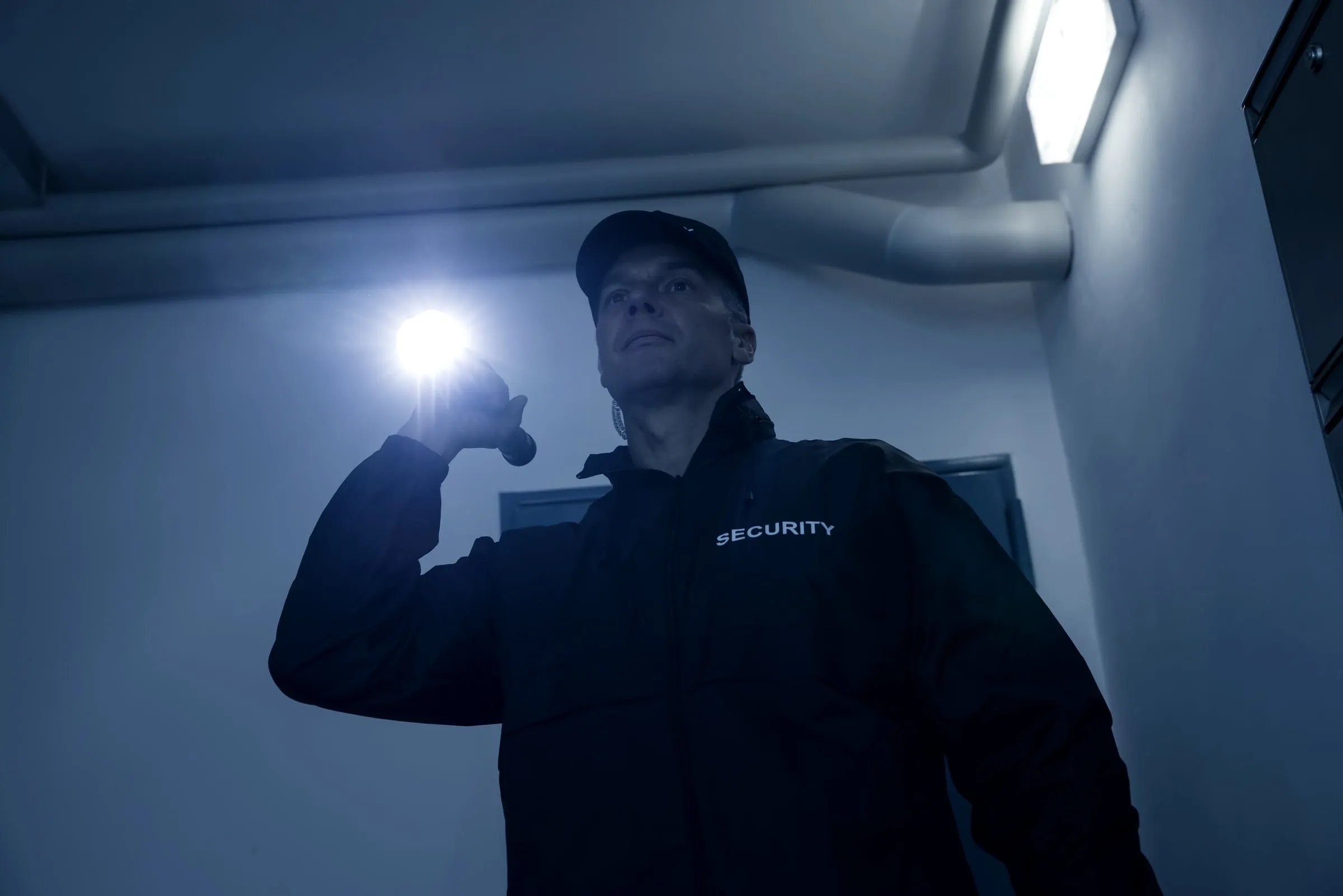
The officer is at the door before the cases are filled, checking the display windows for damage or tampering from overnight and watching the street while the safe is opened and the showcases are stocked for the day.
During business hours the officer holds a position near the entrance with a view of the main showcases, greeting customers and controlling the door if the store uses a buzzer, and shifts closer to the appraisal room or a private viewing area when an appointment is scheduled.
At closing, the officer stays at the door while the cases are cleared and counted back into the safe, checks the display windows a final time, and confirms the alarm is set before leaving the building, with the report written the same evening.
Reporting
What the daily report covers here
Every client receives a written report each day, and officer performance is reviewed and documented daily. This is what the report records on this kind of post.
- Opening and closing times, with the safe's status at each
- Display window condition, checked at opening and closing
- Appraisal and private appointments kept, with the visitor and time
- Repair and drop-off items logged against claim tickets
- Any case, counter or window disturbance
- Police contact or alarm activation, with the time
How do you protect the display windows specifically, not just the inside of the store?
The officer includes the windows in every round, checking them from the street side at opening and closing for glass condition or tampering, and post orders can call for the highest-value window pieces to be pulled at night, which is the store's own decision to make.
Can you staff a single private appraisal appointment?
Yes. A scheduled appraisal or a high-value client visit can be staffed as its own short post, with the officer controlling the door for the length of the visit rather than folding it into the store's regular hours.
Do you handle disputes over a repair or a sizing left at the counter?
The claim ticket and the store's own records settle what was left and what is owed; the officer's role is to keep the conversation calm at the counter and give staff room to work through the ticket without being crowded by other customers.
Why do most jewelry stores choose an armed officer?
Because the store holds portable, high-value inventory behind thin glass, and owners generally want a commissioned officer's presence and training for the full length of business hours, not only for opening and closing.
Do you coordinate with the store's own alarm and camera systems?
Yes. The officer works alongside whatever alarm and camera equipment the store already has, checking window and case sensors are active outside business hours and reviewing footage with the owner when something in the daily report calls for it.
Related pages
Industries we serve
Service areas
Insights
Request a proposal
Request a proposal for jewelry stores.
Two short steps. Dispatch reviews every request and calls you back about coverage. For urgent unarmed coverage we can typically staff most sites within hours.
24-hour dispatch
(281) 326-9189