
Security Guards for Auto Dealerships
The inventory sits outside behind a chain and a light pole. We put an officer on the lot overnight, row by row.
Request a proposalThe situation
What a dealership lot deals with
Inventory in the open
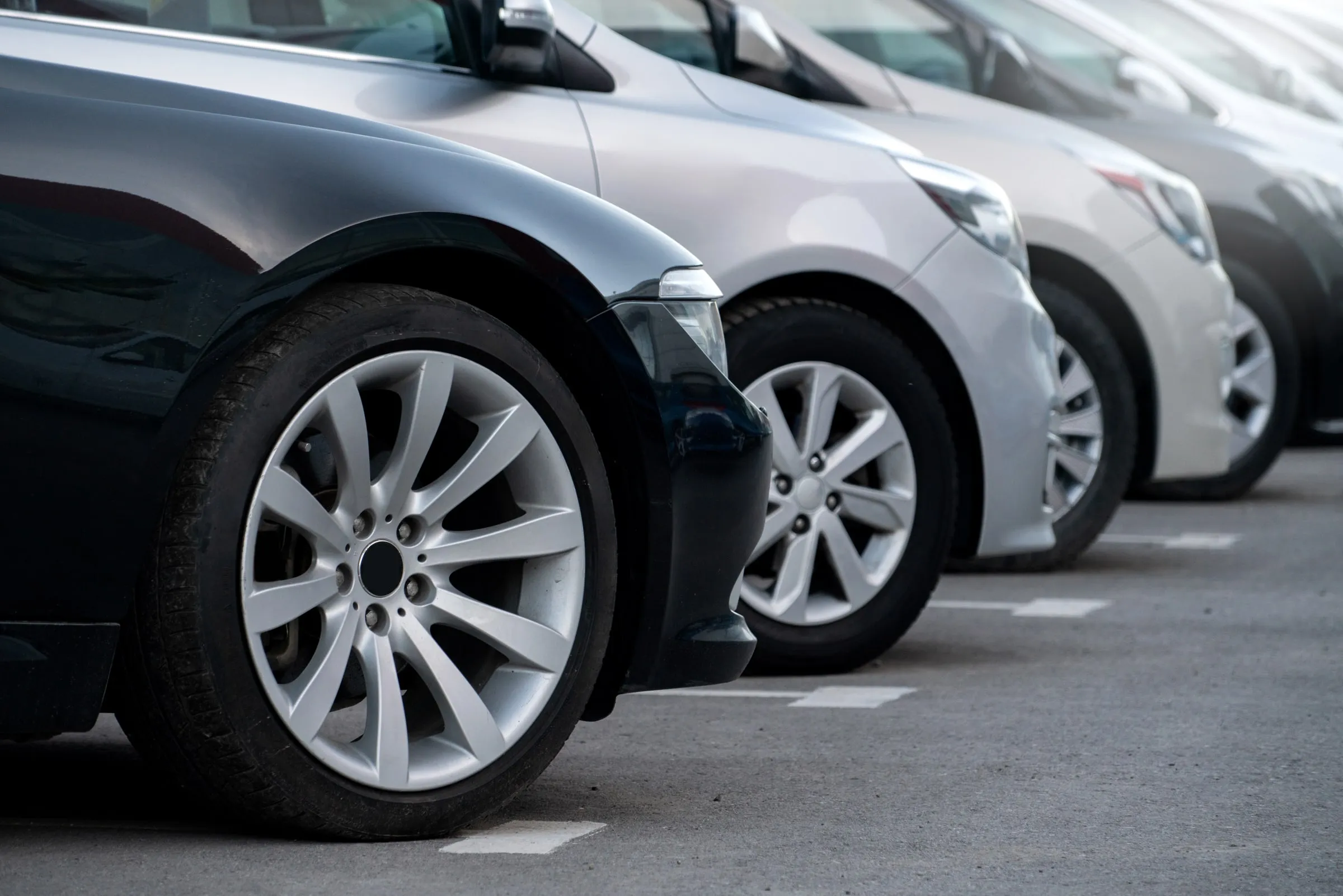
Rows of vehicles sit on an open lot, lit but unwatched after the last salesperson leaves. Wheels and tires, catalytic converters, tailgates, infotainment screens and the vehicles themselves are taken from the far rows, the overflow lot and the row against the back fence.
Service customers' cars
Vehicles dropped for service sit in the service lot overnight with the customer's belongings inside, and the night drop box holds keys until morning. A customer's car broken into on the dealer's lot is the dealer's problem, whatever the paperwork says.
Keys, plates and the after-hours walk-in
Key rooms, dealer plates, the parts department and the finance office are all inside a building that cleaning crews, porters and vendors move through after hours. A fenced lot is only as secure as the gate somebody forgot to chain.
The test drive that does not come back
Daytime losses are quieter: a vehicle driven off on a test drive with a false ID, a person in the service lot who is not a customer, a stolen vehicle brought in as a trade. Sales staff are focused on the sale, and somebody else needs to be looking at the lot.
The lot is the store
A dealership keeps its inventory outdoors, arranged for a customer to see from the road, on a lot that runs from the showroom glass to a back fence nobody visits. Everything a thief wants is there in rows, with the keys inside the building, and the building empties at nine. The security question for a dealership is therefore not the showroom; it is the lot between closing and the porters’ arrival, and the far rows in particular. Price Protection sets dealership posts up as overnight patrol, on the lot, with the officer moving between the rows rather than sitting in the showroom.
Post orders are written with the general manager and the service director before the first night. They map the lot: main rows, the service lot, the overflow lot across the street if there is one, the body shop, the gates and which chain goes on which gate, the night drop box, and the doors into the building that stay alarmed. They name the transport carriers that deliver at night and how to confirm a load, and they say clearly what the officer does when a crew is found working on a vehicle: distance, the phone, and a description.
Where dealership losses happen
Wheels and converters go from the rows farthest from the showroom and from the overflow lot, where the lighting is worst and a truck can back up to the fence. Whole vehicles go from lots without gates or with a gate that was left open, and from service lots where a customer’s car sits with a key in the drop box. Windows are broken on cars in the service lot for what is inside them. The patrol route is drawn around those places, with the officer on foot in the tight rows and in the vehicle for the perimeter, in an order that changes from round to round.
Houston’s dealership rows along the Katy Freeway, the Gulf Freeway, the North Freeway and the Northwest Freeway have the same shape: a lot open to a feeder road, a back fence on a side street, and neighbors that are also dealerships. A marked patrol vehicle on that feeder is seen by the people who are scouting the row, which is part of the point.
Service, porters and the morning handover
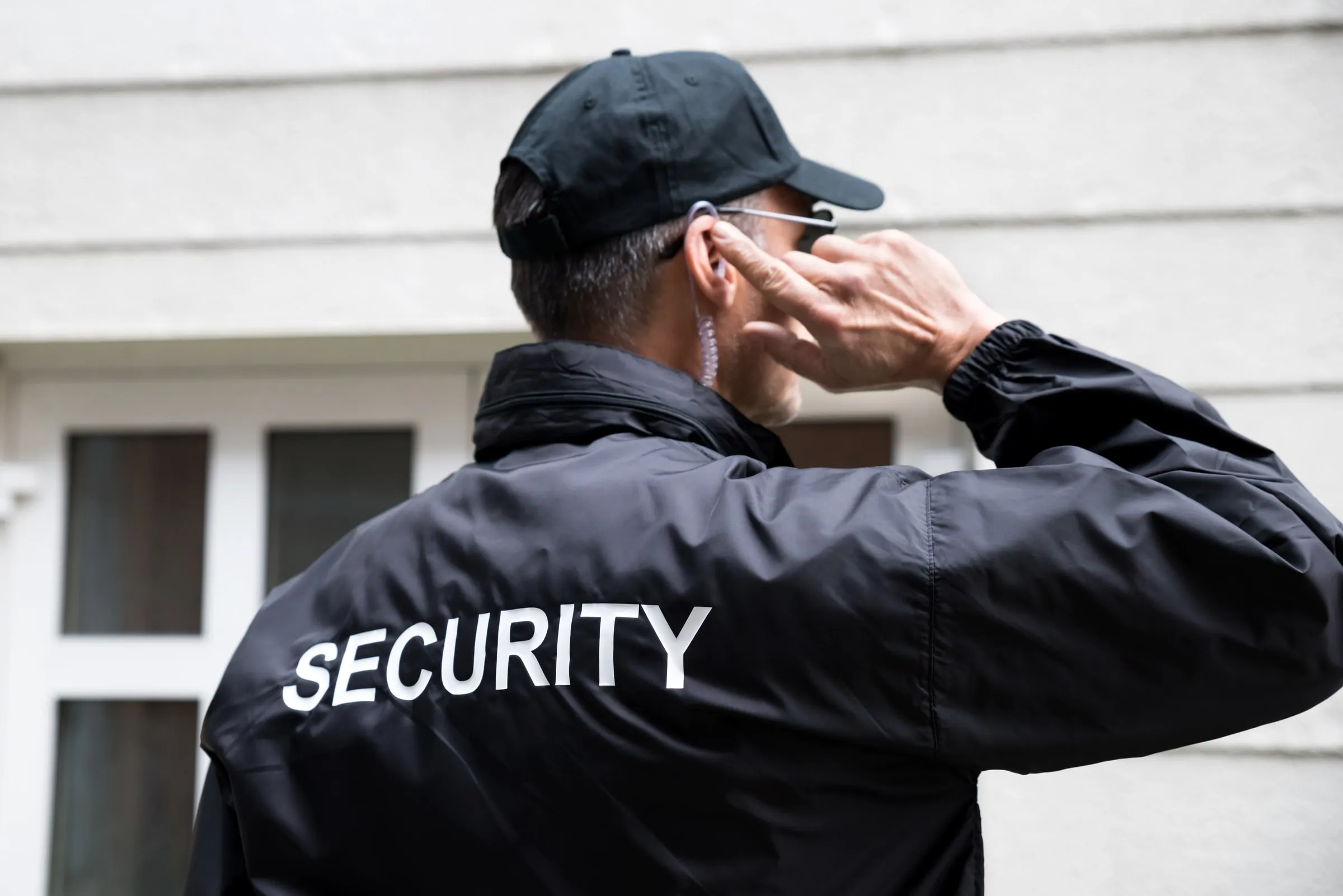
A dealership is never entirely closed. Porters arrive early, technicians come in for a Saturday, a customer drops a car at the night box at eleven, and a transport carrier shows up at four with six units and a driver who needs the gate open. The officer handles those arrivals against the schedule in the post orders and logs each one. The morning handover to the service manager or the lot porter includes anything found on the lot: a unit with a window down, a tailgate missing, a gate that did not lock. That list is in the report before the sales meeting, with stock numbers, and officer performance is reviewed against the same report each day.
Starting overnight coverage
To start, we need the address and a lot map, the closing time and when the porters arrive, the gate and alarm arrangements, the transport schedule, and a contact for the first night’s walk-through. An unarmed officer can usually be on the lot within hours if a dealership needs coverage after a loss; a commissioned officer follows on the next available schedule. The route is settled through the first week as the officer learns the lot.
How we cover it
Every service, applied to this post.
- Vehicle patrol
An officer in a marked vehicle covers the main lot, the overflow lot, the service lot and the back fence on a route that changes each round, stopping to walk the rows where the officer cannot see between vehicles and checking each gate and chain by hand.
- Unarmed security guards
A fixed overnight post at the showroom or the service drive, on foot with rounds of the lot, suits dealerships with a compact footprint or a building that stays open late. The officer meets after-hours drop-offs where the store allows it and logs every person and vehicle that enters.
- Armed security guards
Dealerships that have had vehicles taken from the lot, or that sit on a freeway feeder where a stolen car is on the highway in moments, often ask for a commissioned officer overnight. The officer observes, calls police and does not pursue; the visible armed post is what changes the calculation for a crew scouting the row.
- Access control
Where the dealership closes its gates at night, the officer manages them: checking the chain and locks on each round, admitting the transport carrier that arrives at four in the morning against the delivery schedule, and logging every vehicle that comes in or goes out after hours.
- Incident reporting
The morning report lists the rounds, every gate check, vehicles found unlocked or with windows down, damage or missing parts found on the lot with the stock number, after-hours arrivals, and any police contact. It reaches the general manager before the sales meeting.
A typical post
What a shift looks like here.
The officer takes the lot at closing, meets the sales manager or the lot porter for the day's notes, confirms the key room door and the finance office are locked, and starts the first round while the lot lighting is still coming on: main rows, service lot, overflow, back fence, each gate.
Rounds through the night alternate vehicle and foot. The officer walks the far rows where the vehicle cannot pass, tries doors on a sample of units, looks for vehicles sitting higher than their neighbors, and notes any car in the service lot with a window open. A transport carrier arriving early is met at the gate and held until the delivery is confirmed.
Before the porters arrive the officer walks the lot once more, records any damage or missing parts by stock number, checks the night drop box is intact, hands over to the service manager, and finishes the report.
Reporting
What the daily report covers here
Every client receives a written report each day, and officer performance is reviewed and documented daily. This is what the report records on this kind of post.
- Lot rounds by area: main rows, service lot, overflow and back fence, with times
- Gate, chain and lock checks on each round
- Vehicles found unlocked, with windows down or up on blocks, by stock number
- Damage, missing wheels or parts found, with the stock number and where on the lot
- After-hours arrivals: transport carriers, tow trucks, vendors and drop-offs
- Persons on the lot after hours, and how each was handled
Should the lot be patrolled by vehicle or on foot?
Both, on most lots. The vehicle covers the perimeter, the overflow lot and the service lot quickly and is visible from the road; the officer gets out to walk the rows where units are parked tightly and the far corners a car cannot reach. The post orders set the route and vary the order so it cannot be timed from across the street.
Can the officer let in our transport carriers at night?
Yes, against a delivery schedule the dealership gives us. The officer meets the driver at the gate, confirms the load against the schedule, records the carrier and the units, and locks up after. Unscheduled arrivals wait until a manager confirms them.
What does the officer do if they see a vehicle being stripped?
Calls police, keeps distance, and records what can be seen: the people, the vehicle they came in, the plate, the direction they leave. Officers do not confront a crew on the lot; the post orders are explicit about that, and the report and the camera footage are what the police and the insurer need afterward.
Do you cover the service drive in the morning?
Where the dealership wants it, the overnight post runs until the service advisors open the drive, so the night drop keys, the customer cars and the early arrivals are covered through the handover. Some stores add a day officer at the service drive on Saturdays.
Do you provide coverage for an off-site sale event?
Yes, as a temporary post for the days of the event, on the lot where the vehicles are displayed, with the units counted at opening and closing. The officers come from the same group that knows the main lot where the schedule allows.
Related pages
Industries we serve
Service areas
Insights
Glossary
Request a proposal
Request a proposal for auto dealerships.
Two short steps. Dispatch reviews every request and calls you back about coverage. For urgent unarmed coverage we can typically staff most sites within hours.
24-hour dispatch
(281) 326-9189