
Security Guards for Logistics & Industrial
A gate that logs every truck, a yard that is walked, and a report the site manager reads before the first inbound of the day.
Request a proposalThe industry in Houston
Houston moves freight in every direction
The port and the ship channel, the freeways to Dallas and San Antonio, the distribution corridors on the north and west sides and the industrial parks along Beltway 8 make logistics one of the region's largest land uses. Warehouses, yards, terminals, cold storage and plants each have a fence line and a gate.
Cargo theft is organized and patient. Trailers are watched, seals are studied, drivers are impersonated and yards are tested on weekends. The losses are large and the exposure is highest when the yard is full and the office is closed.
The gate is a process, not a barrier. Inbound drivers with paperwork, outbound loads to verify, visitors, contractors and employees at shift change all pass the same point. A gate that checks and logs each one is the single most effective control a site has, and it needs a person.
Hot work and impairments are routine here. Industrial buildings host welding, cutting and roofing regularly, and their sprinkler systems are taken down for maintenance. Both call for a fire watch, and the same officers who cover the gate can be trained and assigned to it.
Property types
Pick the page that matches your property.
Each page below covers the risks, the post, the report and the questions specific to that property type.

Chemical plants and refineries
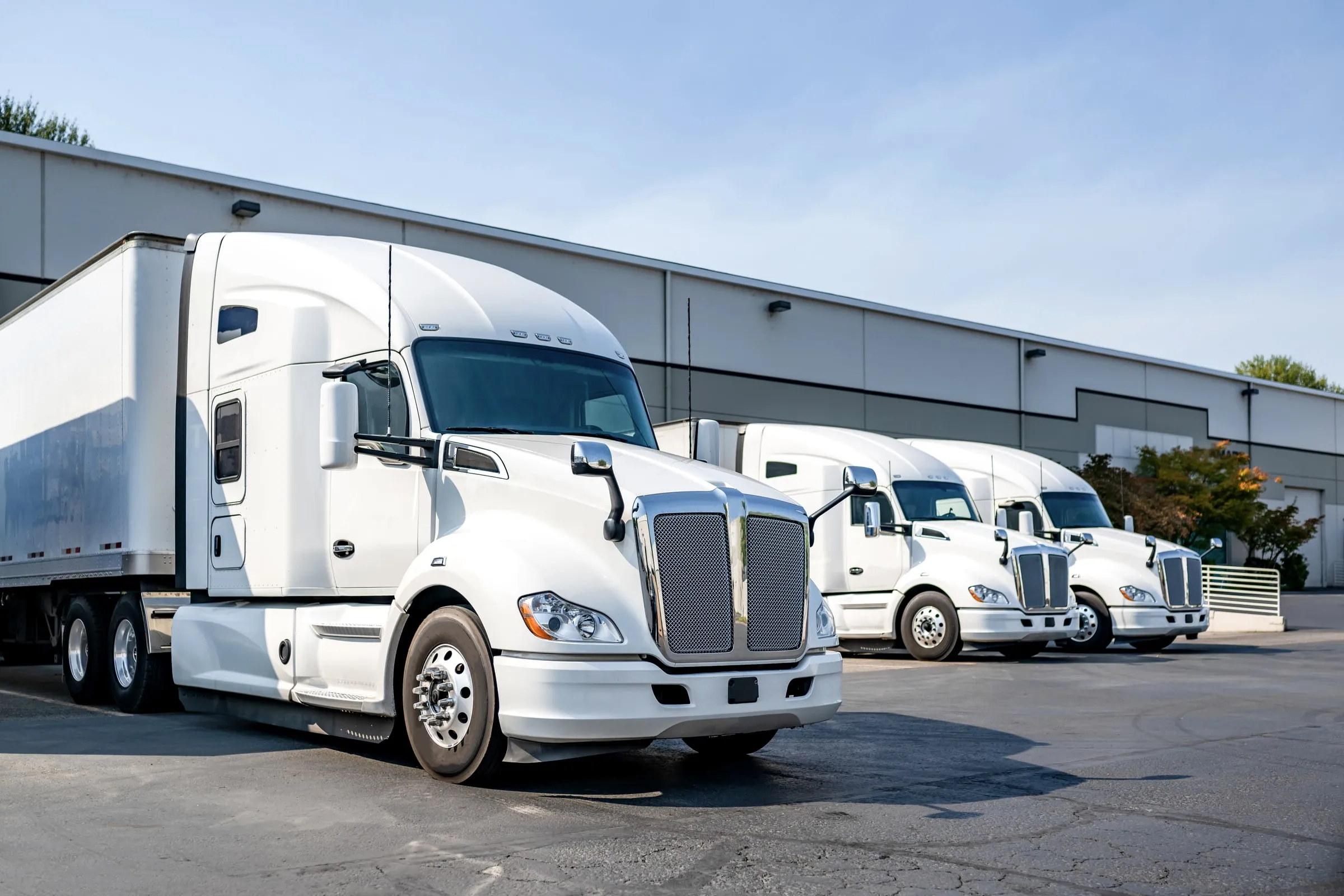
A gate that checks every contractor against a badge and a permit, and fire watch officers who staff hot work and fire system impairments through a turnaround.
Learn more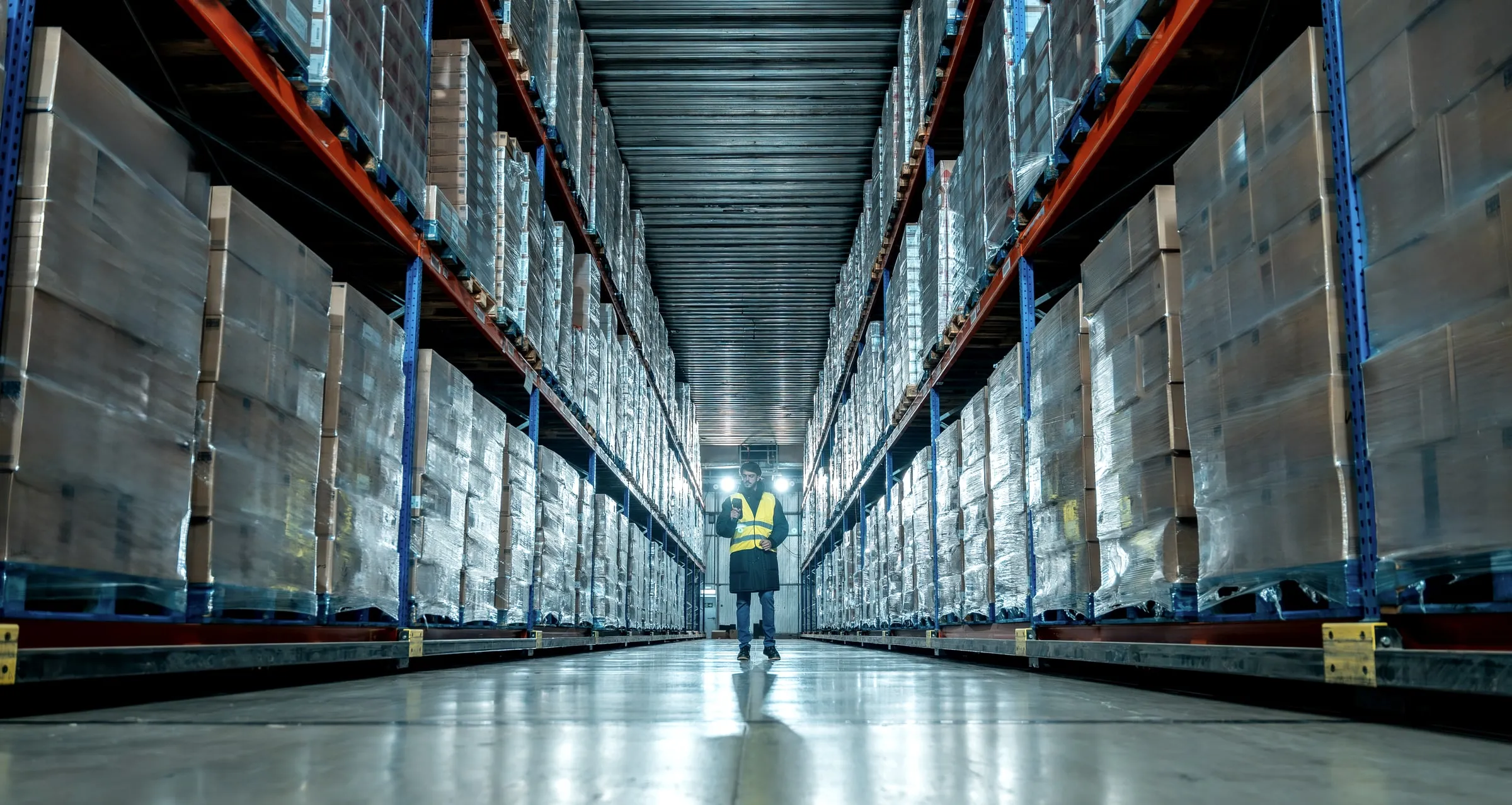
Cold storage facilities
A dock post that keeps the cold chain intact by controlling doors and dwell times, logging product movement and covering fire watch during system work.
Learn more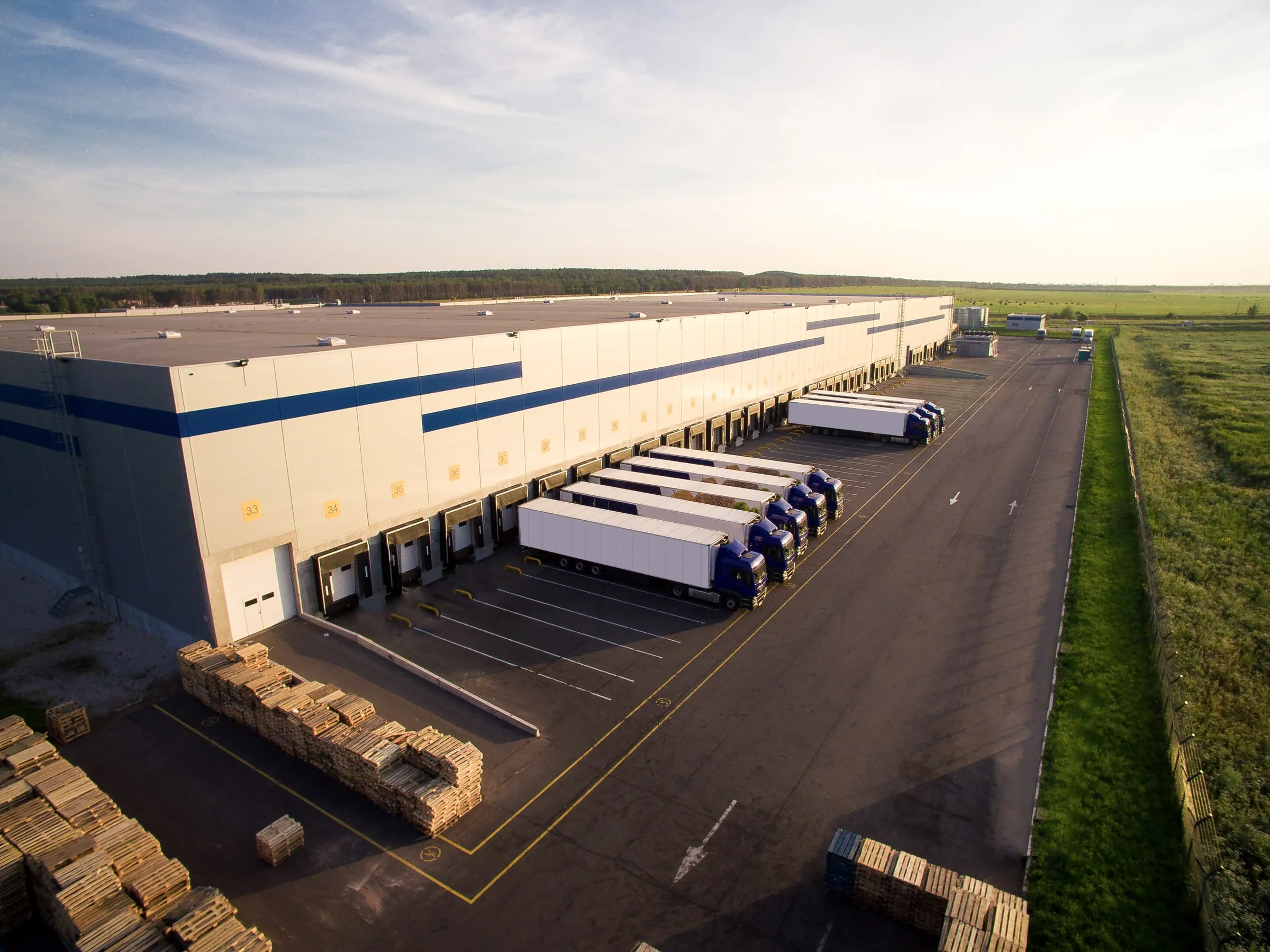
Distribution centers
One post that manages the trailer pool, checks a large rotating workforce at the badge reader and hands operations a clean report at every shift change.
Learn more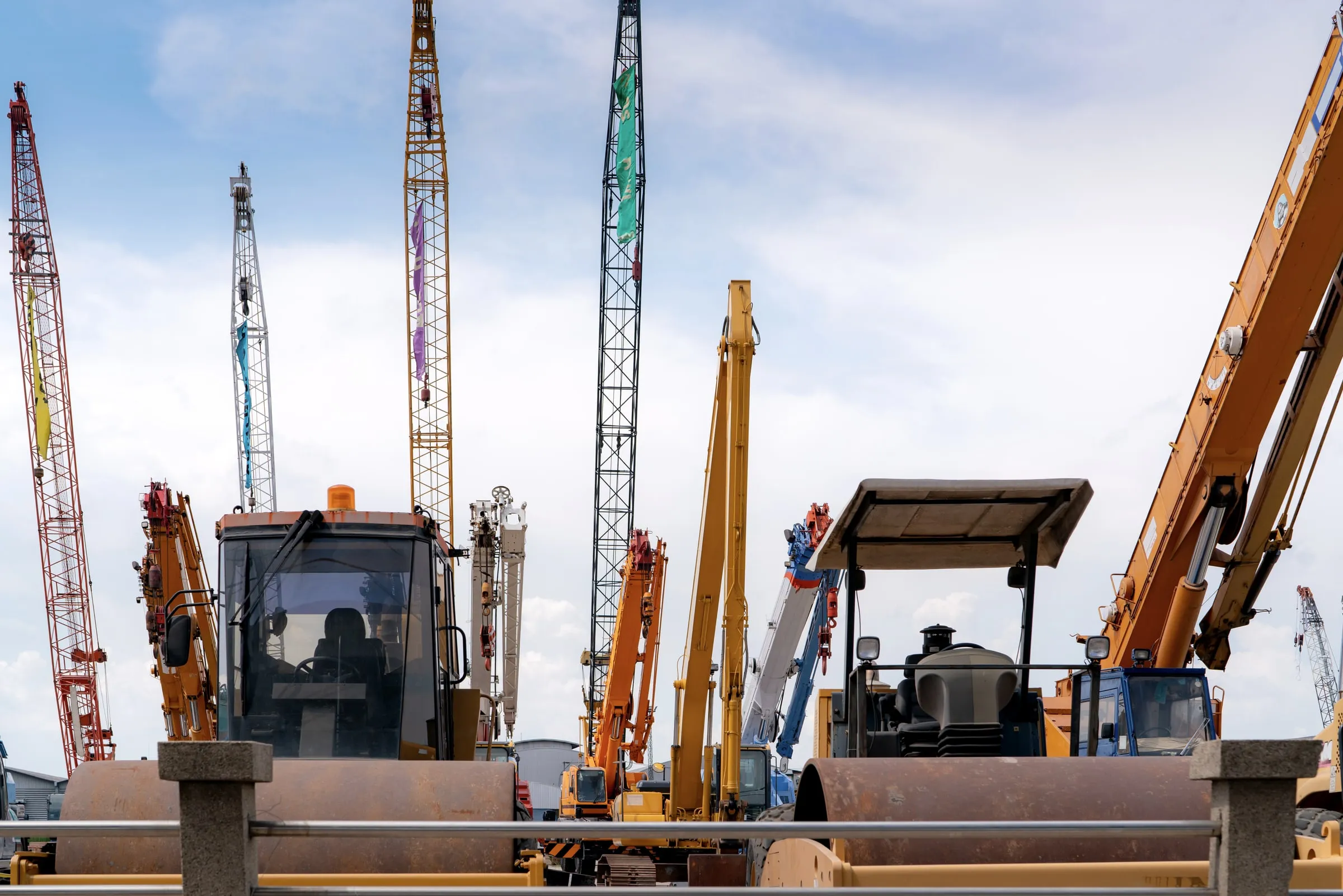
Equipment rental yards
A gate officer who checks every unit against the rental agreement at check-out and return, with a nightly count that matches the yard's own fleet list.
Learn more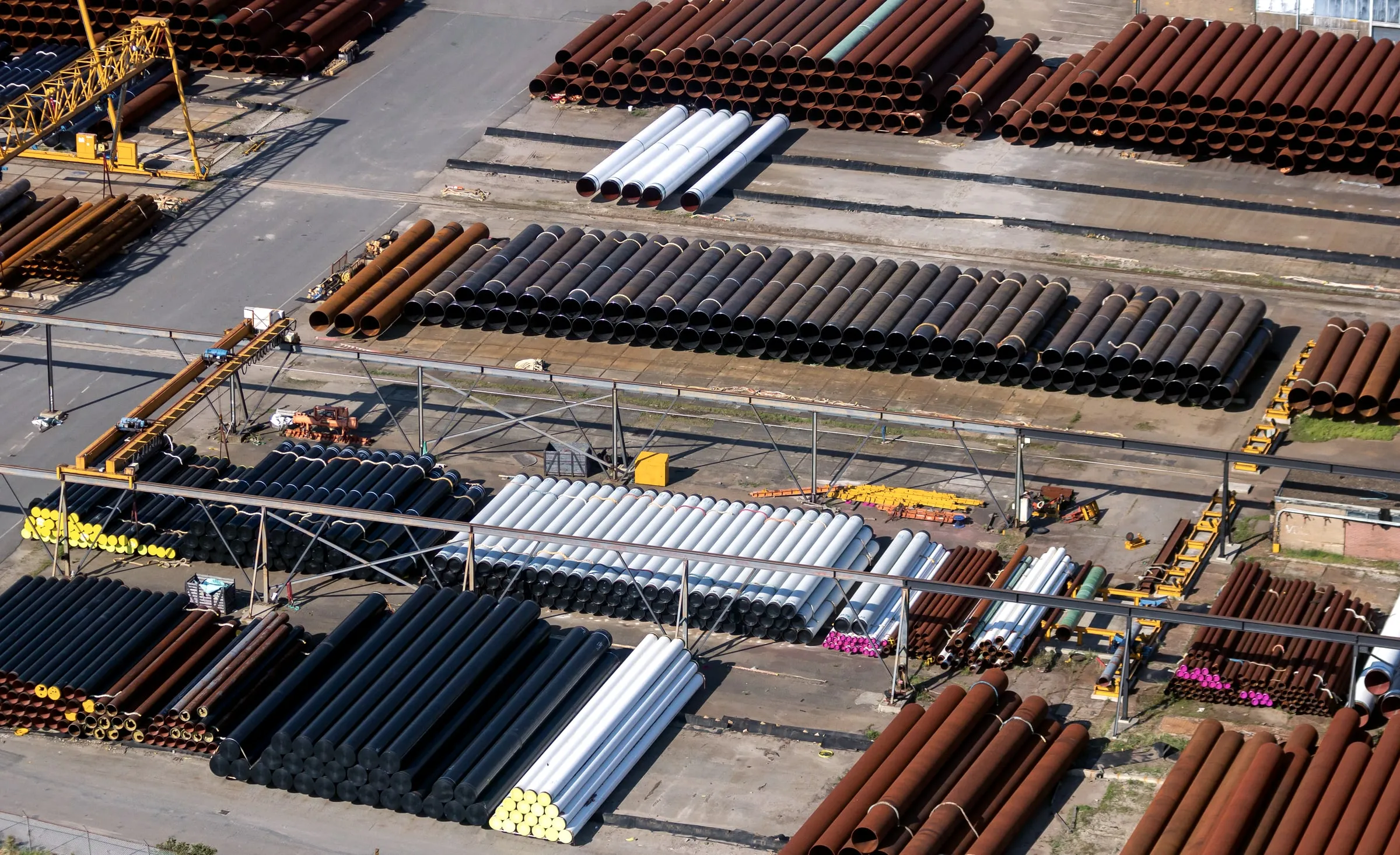
Laydown yards
A gate that logs every load in and out by heat or lot number, and a patrol that counts the yard against the inventory sheet so a shortage is caught that day.
Learn more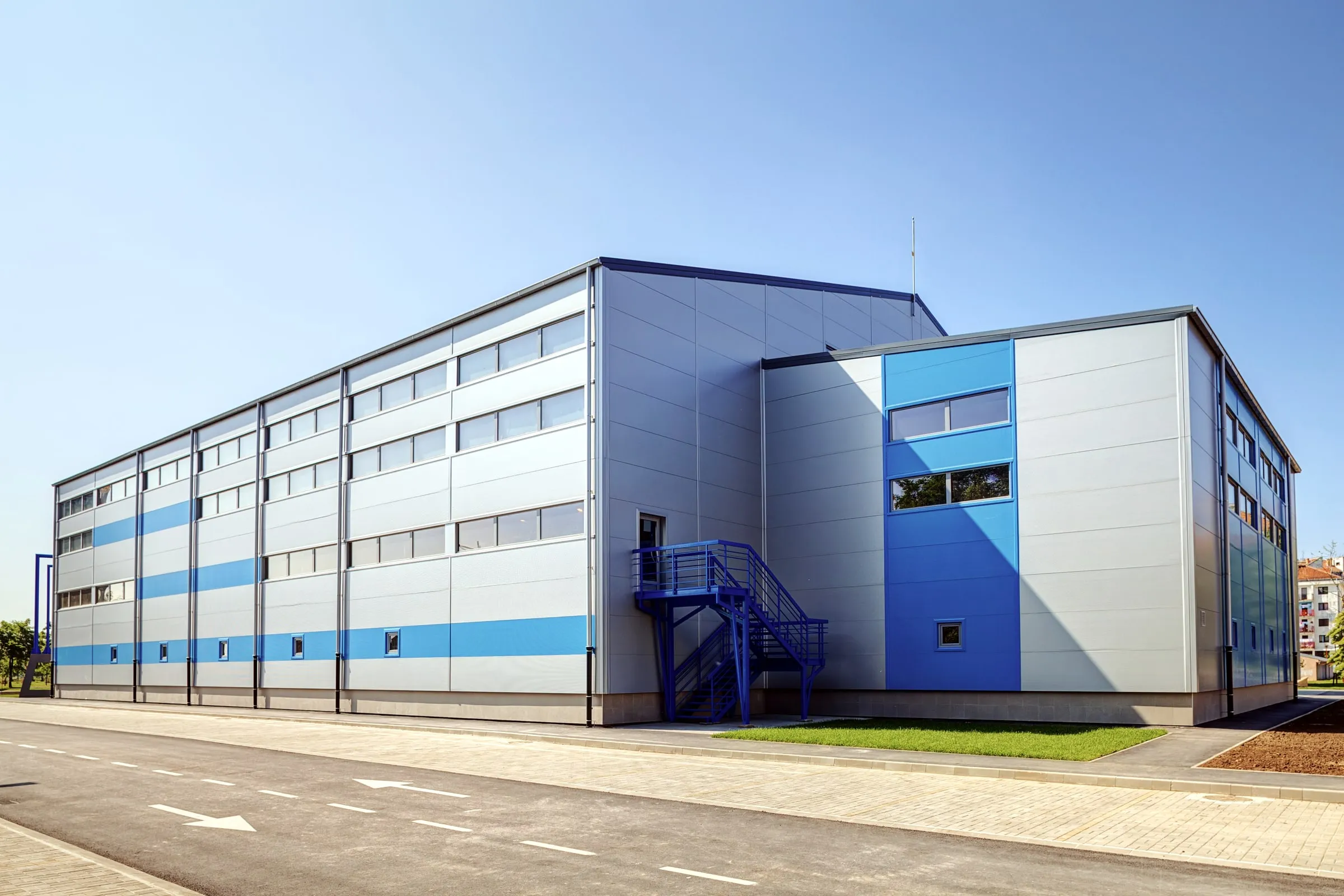
Manufacturing plants
A gate post that separates the plant floor from the shipping yard, checks contractors against a work order and keeps a fire watch ready for hot work.
Learn more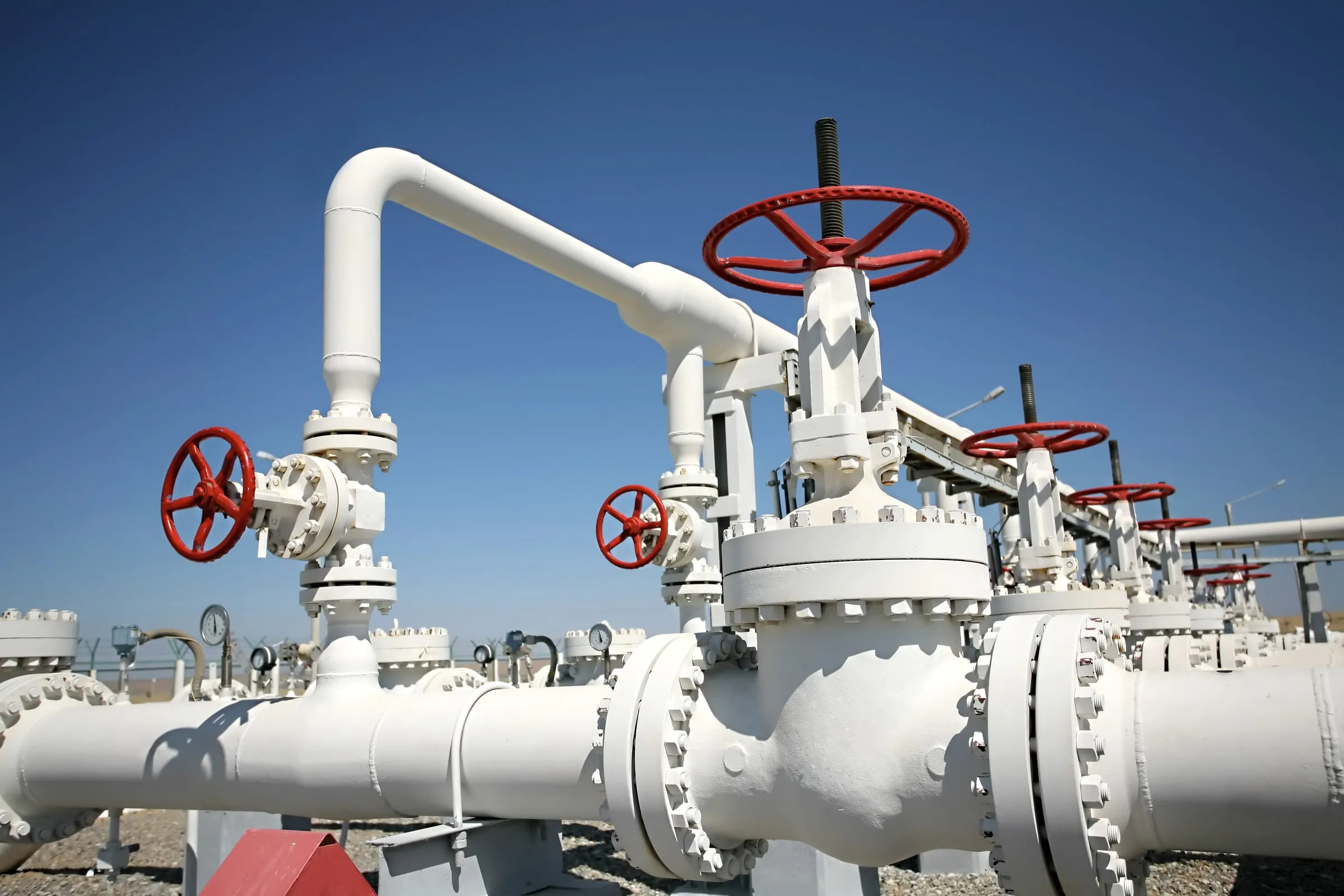
Oil and gas facilities
Coverage sized to the site, from a single gate at a compressor station to a patrol across several unmanned well pads, with a report the operator reads daily.
Learn more
Port and marine terminals
A gate that checks every credential against the terminal's own access list, and a patrol that covers the container yard and the fence line the gate cannot see.
Learn more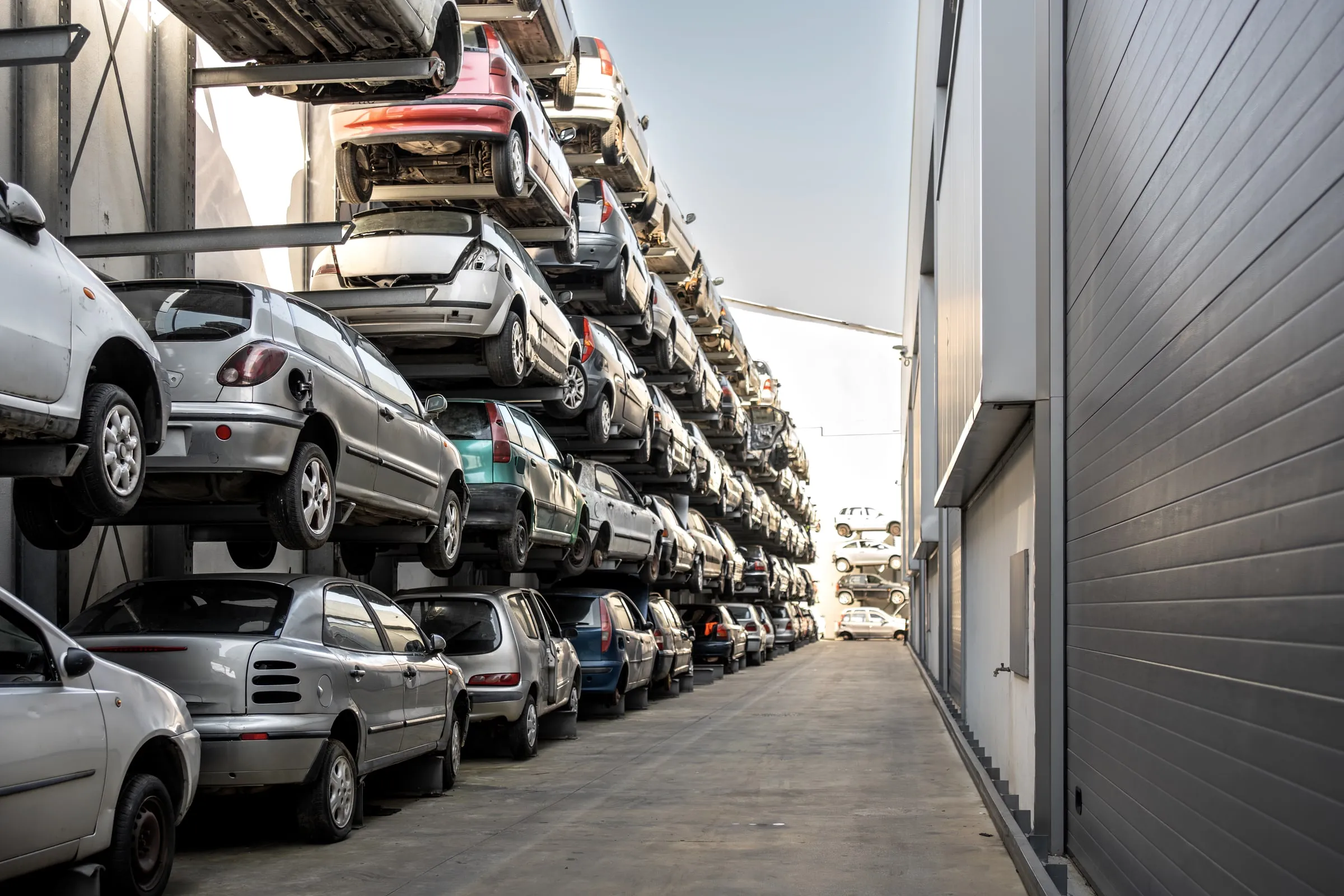
Scrap and recycling yards
A scale house post that logs every inbound load and outbound shipment, with after-hours patrol on a yard that is worth more to a thief closed than open.
Learn more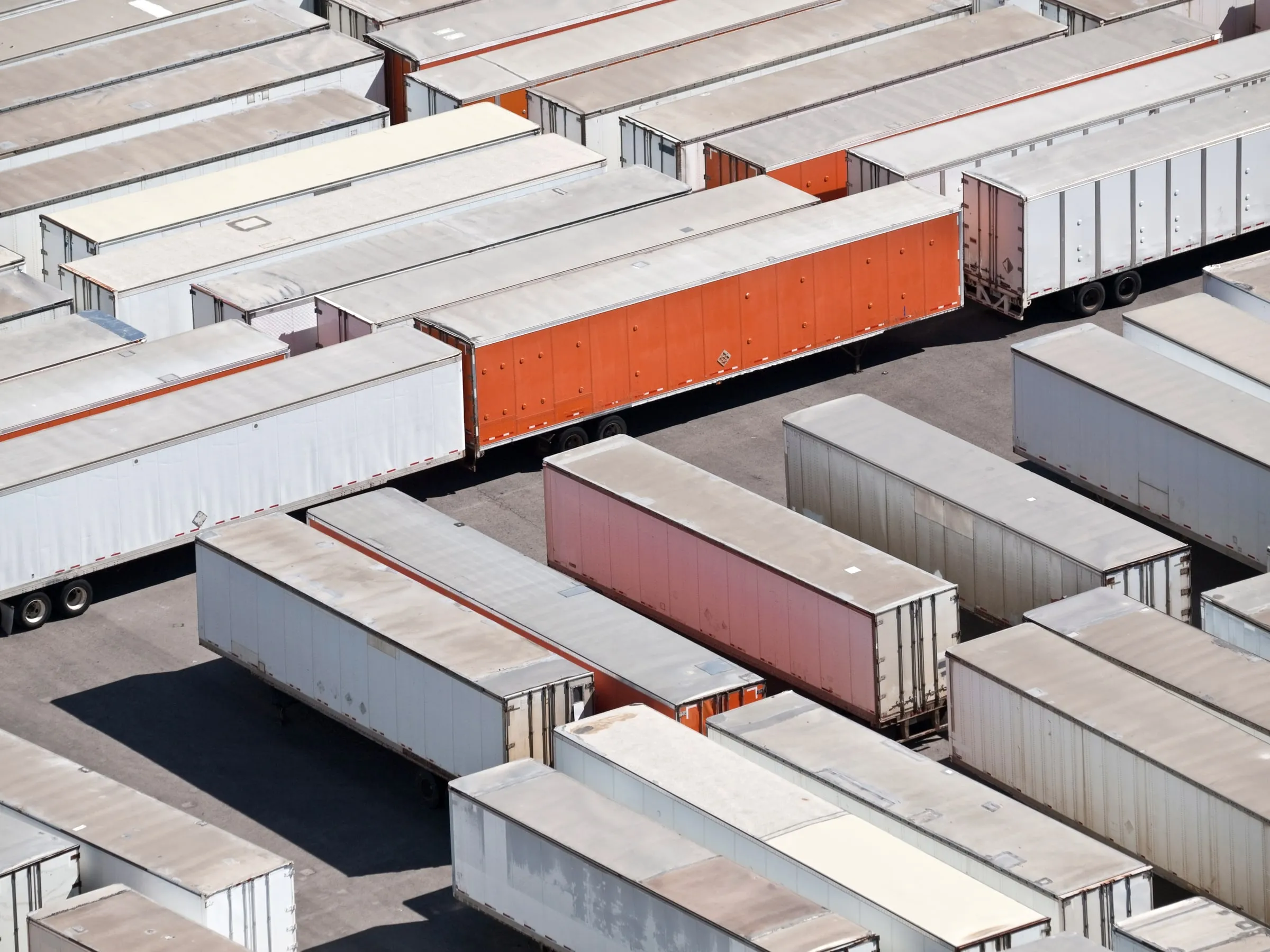
Truck yards and terminals
A gate officer and a lot patrol that count tractors and trailers by row, check every driver against the terminal's list and log the yard before dawn.
Learn more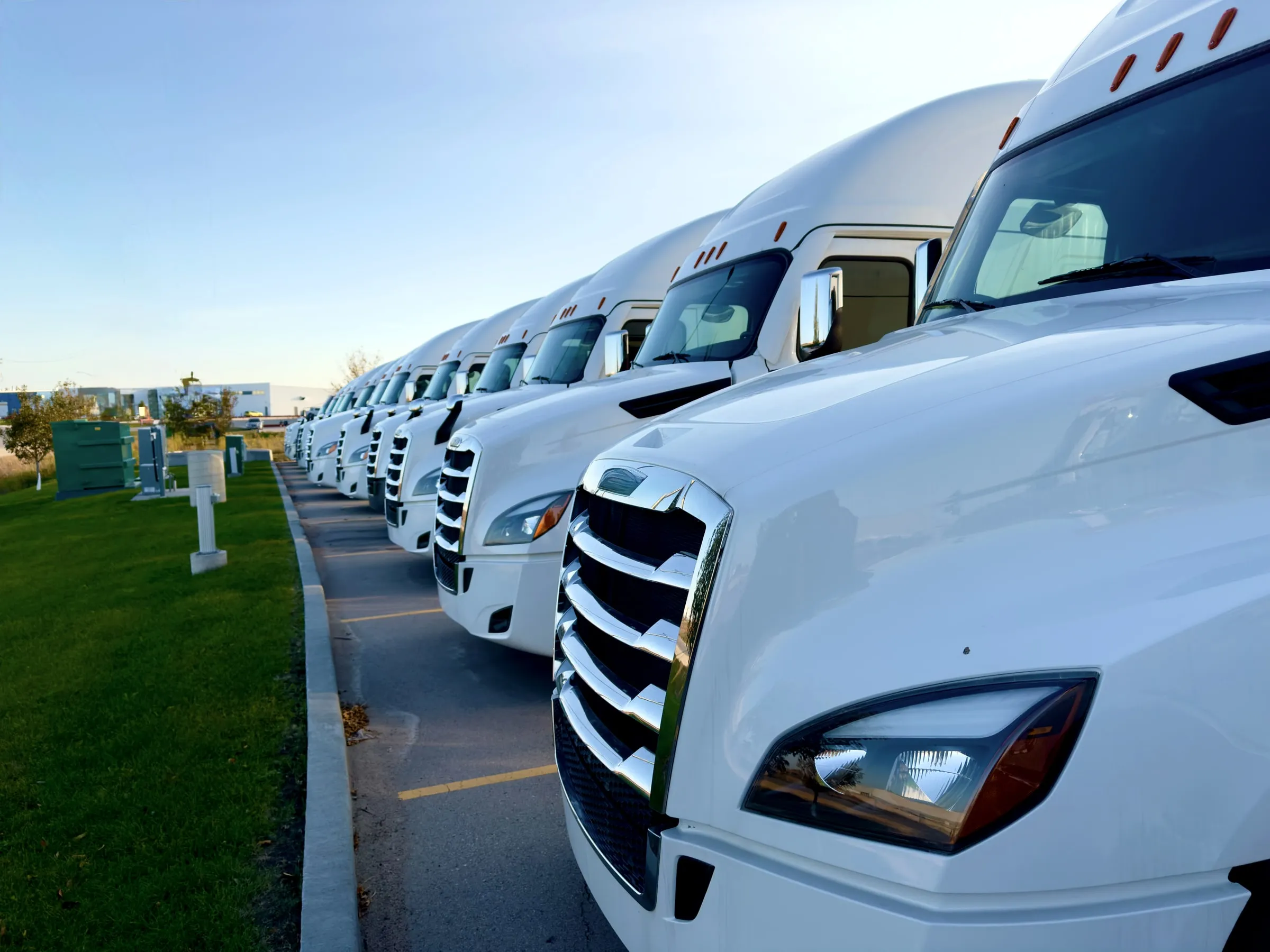
Trucking company lots
A gate post that knows which drivers are dispatched, which tractors are parked overnight, and hands the safety director a count that matches the dispatch board.
Learn more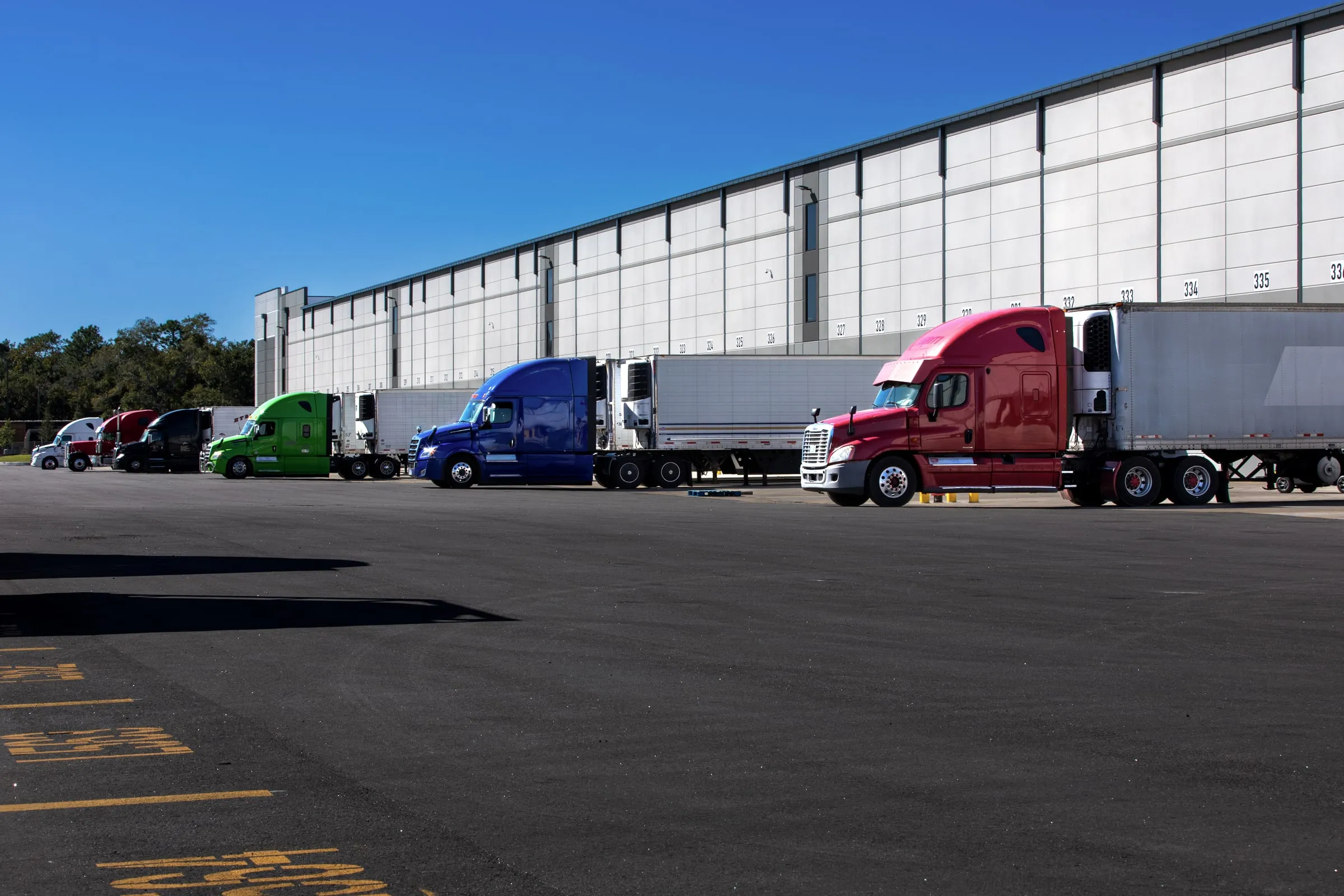
Warehouses
A guard at the gate or the dock office who checks every driver in, watches the yard, and puts what happened on paper before the next shift starts.
Learn more
How we work here
The services this industry uses.
- Unarmed security guards
Most logistics posts are unarmed: a gate officer during operating hours and a yard patrol overnight and on weekends, in uniform, with a vehicle where the yard is large. Officers are used to trucks, forklifts and the pace of a dock.
- Access control
The gate post checks driver credentials and paperwork against the appointment, logs trailer and seal numbers in and out, controls visitor and contractor entry, and holds unscheduled arrivals for the shipping office. Nothing leaves without a log entry.
- Vehicle patrol
Yards, terminals and industrial parks use a vehicle round through trailer rows, the fence line, fuel and equipment areas and the dock face, on varied routes, with the officer out at each checkpoint to check seals, locks and lights.
- Camera monitoring
Where the site has cameras on the yard and the dock, the officer watches them from the gatehouse between rounds and directs the next round from what they show.
- Fire watch
Hot-work fire watch under the site's permit and impairment fire watch when a sprinkler or alarm system is out of service, staffed by officers trained for it and logged for the fire marshal.
- Incident reporting
The daily report gives the site manager every gate entry with trailer and seal numbers, every round, every fence or lock finding and every incident, in time to reconcile against the shipping office's records.
How we work with logistics and industrial sites
The call comes from a warehouse or yard manager, a plant security lead or a property owner with an empty industrial building, and the reason is usually a missing trailer, a cut fence or an insurer’s requirement. Dispatch takes the site type, the acreage, the gate hours, the shift pattern and what has been happening. A supervisor walks the site with the manager: the gate and its process, the dock face, the trailer rows, the fence line and its weak points, fuel and equipment storage, lighting and cameras. The post orders record the gate procedure, the patrol checkpoints, the shift-change arrangement and the escalation contacts, and are agreed before the first shift.
The gate and the yard
A logistics site has two posts in most cases: the gate during operating hours and the yard when the office is closed. The gate officer works the site’s process for drivers, visitors and contractors and logs every movement. The yard officer, on foot or in a vehicle, walks the trailer rows checking seals and doors, checks the fence line and the gates, checks fuel tanks and equipment cages, and watches the dock face. On a large site the two run at once; on a small one the same officer moves from the gate to the yard when the last truck leaves.
Corridors and what they bring
Sites near the port and the ship channel see container and tanker traffic, plant contractors and turnaround crews. Sites on the north and west freeways see parcel and retail distribution with dense weekend yards. Industrial parks along Beltway 8 see multi-tenant buildings with shared fences. Each has its own page below, with the post that fits it and the reporting the site manager needs.
Fire watch is part of the job here
Industrial buildings host hot work constantly and take sprinkler systems down for maintenance and expansion. Both trigger a fire watch under the site’s permit and the fire code, and Price Protection staffs them with officers trained for it, on the same short notice as a gate post. The warehouse and cold storage fire watch article covers the specifics, and the pages below cover each type of facility.
Reporting
A written report, every day.
Every client receives a daily report, and officer performance is reviewed and documented daily. Post orders for this industry are written with the property manager before the first shift.

- 24/7
- Dispatch and guards, every day of the year
- 2019
- Providing armed security in Houston since
- 25+
- Communities and businesses on the client wall
- Daily
- A written report to every client
Can your officers handle driver check-in?
Yes. Gate officers check credentials and paperwork against the appointment, record trailer and seal numbers, direct drivers to the right door and log departures. The procedure is written into the post orders from the site's own process.
Do you cover weekends when the yard is full?
Weekend and overnight coverage is the most common request from logistics clients, precisely because that is when a full yard is unattended. A vehicle patrol with the officer out at each trailer row and the fence line is the standard post.
Do you work at chemical plants and refineries?
Yes, for the posts a plant contracts out: gates, contractor entry during turnarounds, laydown yards, parking and fire watch. Officers complete the site's safety orientation and follow its rules; the page below explains how.
How do you handle shift change?
The gate post is staffed through shift change, when the most people pass in both directions, and the officer's handover to the next officer is arranged so the gate is never uncovered. The daily report shows the times.
Can the gate officer also do the fire watch?
Where the site's schedule and the permit allow it, an officer trained for fire watch can cover both with the duties separated in the post orders. Many sites run a dedicated fire watch during hot work and keep the gate officer at the gate.
Related pages
Service areas
Insights
Request a proposal
Request a proposal for logistics & industrial.
Two short steps. Dispatch reviews every request and calls you back about coverage. For urgent unarmed coverage we can typically staff most sites within hours.
24-hour dispatch
(281) 326-9189