
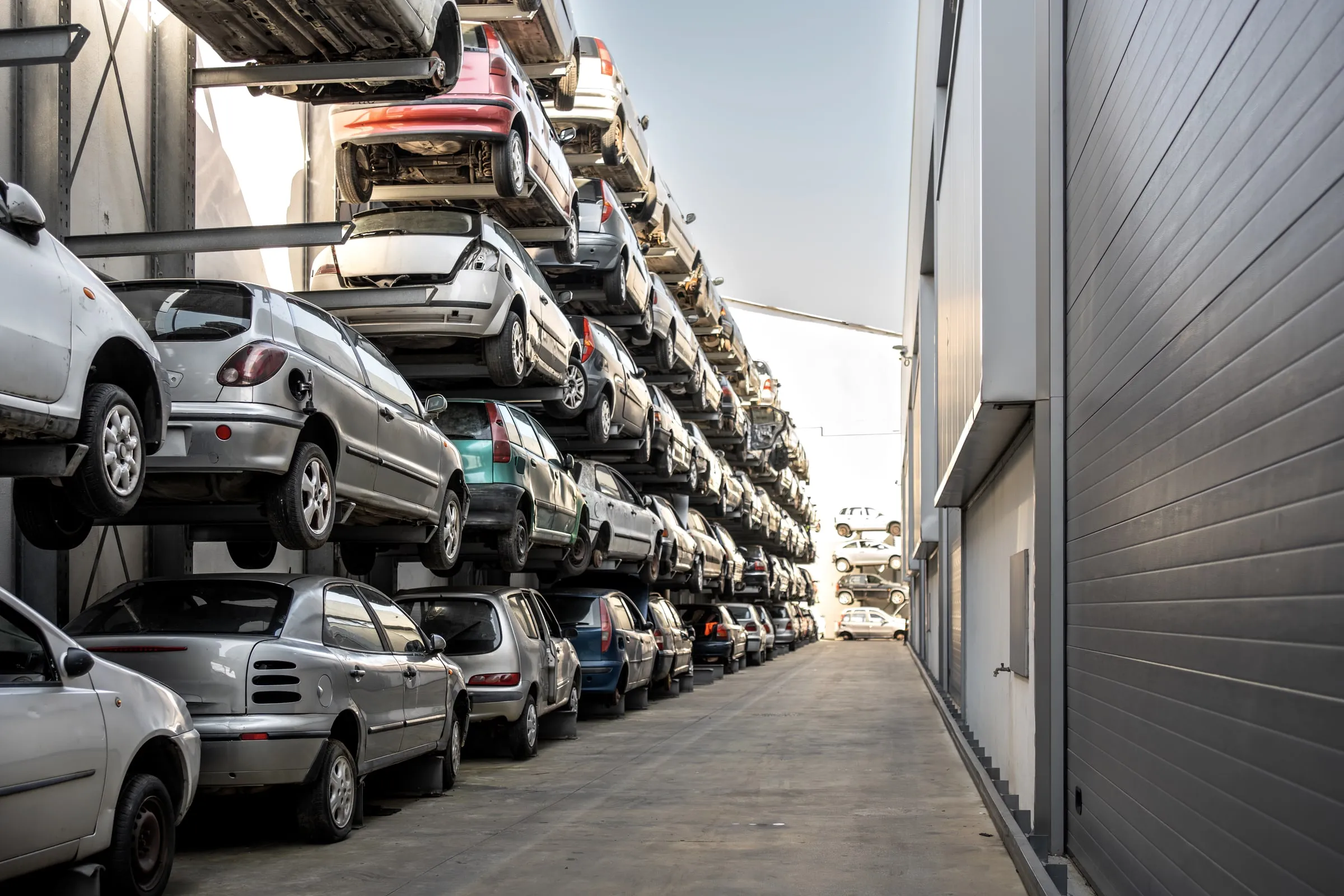
Security Guards for Scrap and Recycling Yards
A scale house post that logs every inbound load and outbound shipment, with after-hours patrol on a yard that is worth more to a thief closed than open.
Request a proposalThe situation
What a scrap or recycling yard deals with at the scale house and after hours
The scale house is the record for every load
A yard's weights and payments run through the scale house, and a seller who is not logged, or a load weighed without the paperwork the yard requires, is a gap in the record the yard needs if a purchase is ever questioned.
Material has resale value the moment it is on the ground
Metal delivered and staged before processing is worth taking as-is, and an unprocessed pile is often less watched than the finished product waiting to ship, simply because it looks like scrap rather than inventory.
The yard is worth more closed than open
After hours, with the scale house dark and the crushers idle, the material on the ground has not gone anywhere and is easier to take without anyone weighing or logging it, which makes closing time the yard's highest-risk hours.
Cutting and torch work on-site needs its own watch
Breaking down large scrap with a torch or performing equipment repairs with welding equipment is routine at a scrap yard, and each of those jobs needs a fire watch under the same rules any hot work does.
The scale house sets the record, the fence protects it
A scrap or recycling yard’s security has two halves: the scale house, where sellers are checked and loads are logged, and the fence, which has to hold once the scale house closes for the night. Price Protection staffs both according to the yard’s own hours, an officer at the scale house during operating hours and a patrol covering the fence and the stacked material once it is dark and the crusher is quiet.
An unprocessed pile is inventory, even though it does not look like it
Material delivered and staged before it is sorted or crushed is easy to overlook as a security concern, since it does not resemble finished product waiting to ship. It has the same resale value the moment it is on the ground, and the patrol’s rounds treat staged material with the same attention as anything closer to the gate, checking it against what was logged at intake earlier that day.
Closing time is the yard’s highest-risk hour, not its lowest
A scrap yard is often safest to a thief exactly when it looks least active: the scale house dark, the equipment idle, and the material sitting where it was left. The patrol schedule here is built around that reality, with rounds concentrated on the hours right after closing and through the night rather than spread evenly across a shift that assumes the risk is constant.
Hot work on-site follows the same rule as anywhere else
Cutting large scrap down with a torch, or welding repairs on the yard’s own equipment, is routine work at a scrap yard and still calls for a fire watch under the standard hot work rules. Price Protection staffs that watch for the duration the job requires, with a log kept for the yard’s own records. This is a summary, not legal advice.
Starting coverage
To begin, dispatch needs the yard’s operating hours, the intake procedure at the scale house, the fence line and gate layout, and whether coverage is wanted during operating hours, after hours, or both. Coverage often starts with after-hours patrol alone and expands to a scale house post once the yard sees how the patrol’s findings match its own experience.
Yard owners who have had a fence cut or a load taken before tend to start with the patrol first, since it addresses the hours when the loss actually happened, and add scale house coverage afterward once the after-hours pattern is better understood from the reports.
How we cover it
Every service, applied to this post.
- Unarmed security guards
An unarmed officer staffs the scale house or the gate during operating hours, checking sellers and haulers against the yard's intake procedure and logging vehicles in and out with load descriptions.
- Access control
Sellers and commercial haulers are checked against the yard's own intake and purchase requirements at the gate, and anyone attempting to enter after the scale house has closed is turned away and logged.
- Vehicle patrol
A marked vehicle patrols the yard and fence line after hours, checking stacked material, the crusher and processing area, and any gate or fence weak point on a set schedule through the night.
- Fire watch
Fire watch is staffed for torch cutting or welding repairs on-site, following the requirements a fire watch has to meet for the duration the work requires, with a log kept for the yard's records.
- Camera monitoring
The yard's scale house and gate cameras are watched during operating hours, with footage available if a load or a payment record needs to be checked against what the camera shows.
- Incident reporting
The daily report lists scale house activity, sellers checked against intake requirements, after-hours patrol findings, fire watch coverage for any hot work, and any fence or gate issue found.
A typical post
What a shift looks like here.
During operating hours the scale house officer checks each seller against the yard's intake procedure, logging vehicle and load details before the material is weighed, so the paper trail exists before the transaction rather than being reconstructed after the fact if a load is later questioned.
As the scale house closes for the day, the officer confirms the gate is secured and any material staged outside the fenced processing area is noted for the overnight patrol, since unprocessed material on the ground is exactly what an after-hours check has to account for.
Overnight, the patrol works the fence line and the stacked material on a set schedule, checking the crusher and processing equipment are secure and that no vehicle has approached the yard after closing. Anyone found at the gate after hours is logged and, where the post orders call for it, reported to the yard owner immediately.
Reporting
What the daily report covers here
Every client receives a written report each day, and officer performance is reviewed and documented daily. This is what the report records on this kind of post.
- Scale house activity: sellers and haulers checked against intake requirements
- Vehicles turned away after the scale house closed
- After-hours patrol findings: fence, gate, stacked material
- Fire watch coverage for torch cutting or welding repairs
- Crusher and processing area conditions checked
- Any attempted entry after hours, with time and description
Do officers check sellers at the scale house?
Officers check sellers and haulers against the yard's own intake procedure and log vehicle and load details, which supports the paper trail the yard keeps; the purchase decision and any required documentation remain the yard's own process.
Why is after-hours coverage more important than daytime coverage here?
Because the yard's material has not gone anywhere when the scale house closes, and it is easier to take without anyone weighing or logging it. A closed yard with no patrol is often at higher risk than an open one with staff present.
Can you provide fire watch for torch cutting on-site?
Yes. Breaking down scrap with a torch or performing welding repairs on yard equipment calls for a fire watch under the same requirements any hot work does, and coverage is arranged for the duration the job needs.
Is the crusher and processing area covered separately from the scale house?
Yes, in the post orders. The scale house handles intake and the record of what came in; the processing area is checked on patrol rounds since it holds equipment and staged material that need their own attention.
Can coverage be added just for after-hours patrol?
Yes. Some yards want coverage only for the closed hours, when the risk is highest and staff are not present, while others also want a scale house officer during the day; the arrangement is built around what the yard actually needs.
Related pages
Industries we serve
Service areas
Insights
Glossary
Request a proposal
Request a proposal for scrap and recycling yards.
Two short steps. Dispatch reviews every request and calls you back about coverage. For urgent unarmed coverage we can typically staff most sites within hours.
24-hour dispatch
(281) 326-9189