
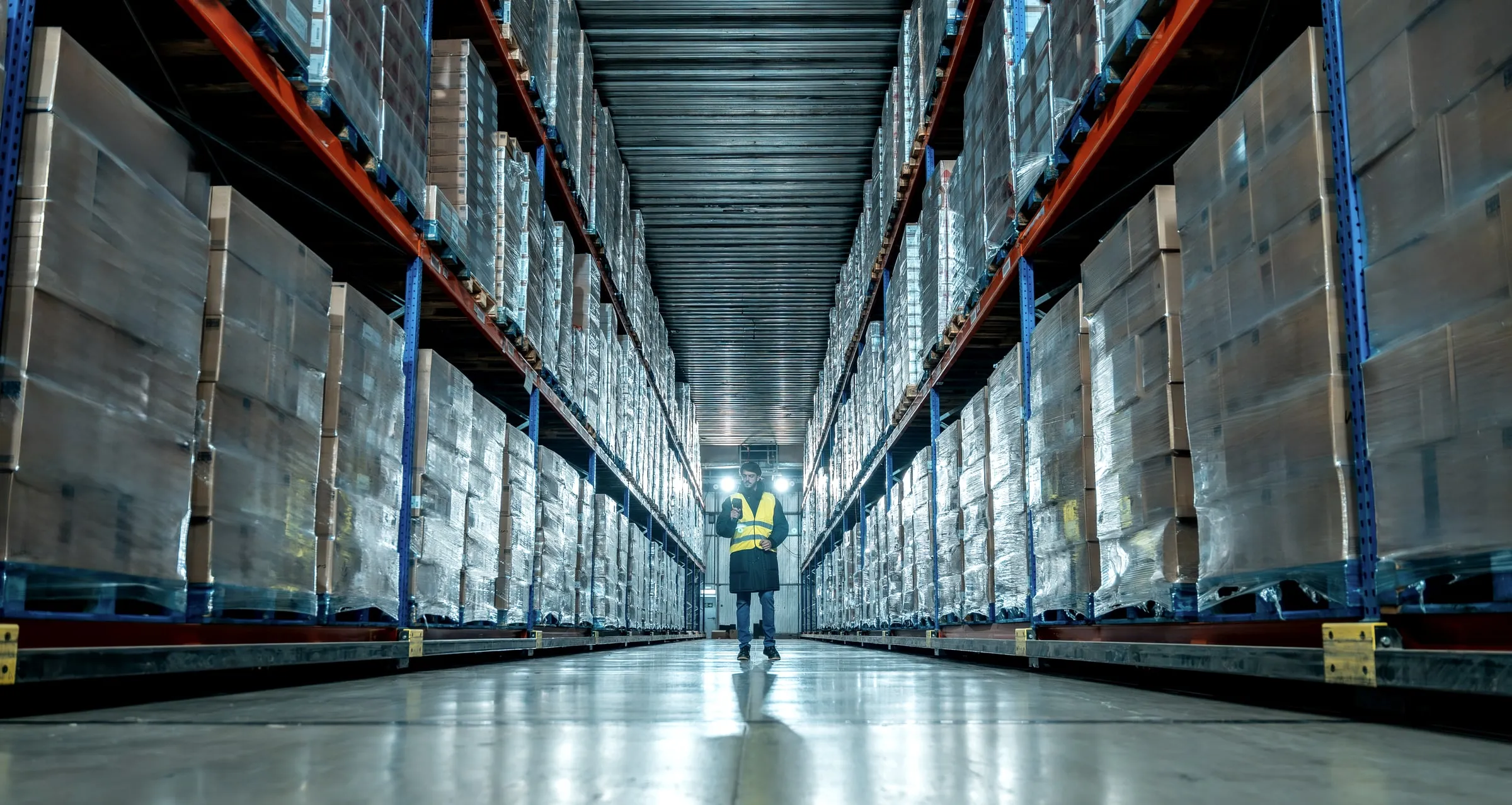
Security Guards for Cold Storage Facilities
A dock post that keeps the cold chain intact by controlling doors and dwell times, logging product movement and covering fire watch during system work.
Request a proposalThe situation
What a refrigerated warehouse deals with that a dry warehouse does not
An open dock door is a temperature problem, not just a security one
A trailer backed to a cold dock for longer than the load-out takes lets warm air into the room, and a door propped for a break is a product quality issue on top of a security gap. The two problems share the same door.
Product is only as good as its documented chain of custody
Refrigerated and frozen product, and anything pharmaceutical, moves under a chain-of-custody standard the client sets, and a gap in who touched a pallet between the trailer and the rack can be as costly as theft.
Ammonia and glycol refrigeration systems need their own controls
Mechanical rooms holding ammonia or glycol refrigeration equipment are restricted for safety as much as security, and anyone in that room who is not on the maintenance list is a problem regardless of intent.
A blast freezer is a place a person can get trapped
Sub-zero rooms are dangerous to be locked in, and a facility with no one checking who is on the floor after the last picker leaves has no way to know a door swung shut behind someone.
The dock is where the cold chain and security meet
Cold storage adds a layer to a normal dock post that a dry warehouse does not have: every door open past its load-out window is both a security exception and a temperature event. Price Protection’s post orders here time doors as closely as they check drivers, since a trailer left seated too long or a door propped for convenience costs the client on the product side even if nothing was taken.
Restricted rooms are about the equipment, not just the door
A cold storage building’s ammonia or glycol mechanical room is dangerous on its own terms, and the post orders treat it as restricted to maintenance staff regardless of who is asking. The officer’s role is to confirm the room stays secured and that anyone entering is on the day’s maintenance list, not to work inside it. The same caution applies to blast freezers and deep-cold rooms, where a check at the end of every shift confirms no one is still inside before the room goes unattended overnight.
Chain of custody follows the client’s own standard
Refrigerated, frozen and pharmaceutical product often moves under a documented chain-of-custody requirement the client sets, not a generic one. The officer logs what that standard asks for at the dock, watches product movement on the warehouse’s own cameras between the trailer and the racks, and reports any gap the warehouse staff flags the same day it is found, so a documentation problem does not compound over a week.
Fire watch where hot work meets refrigeration
Repairs near refrigeration piping or a sprinkler impairment in a cold storage building call for a fire watch on short notice, and Price Protection staffs it with the rounds and the log the fire marshal expects for the length of window the permit sets. This is a summary, not legal advice, and the client’s permit and the authority having jurisdiction decide the exact window.
Starting coverage
To begin, dispatch needs the dock layout and load-out windows by door, the mechanical room and maintenance access list, the chain-of-custody procedure for the product handled, and the appointment schedule for carriers. An unarmed officer is typically posted at the dock within hours of a signed post order, with the door-timing and mechanical room procedures confirmed on the first walk-through.
How we cover it
Every service, applied to this post.
- Unarmed security guards
An unarmed officer staffs the dock office or the gate, checking carriers against the appointment schedule, timing dock door open periods, and directing trailers to a cold or ambient door as the load requires.
- Access control
Drivers, contractors and vendors are checked against the facility's access list before entering any temperature-controlled area, with the ammonia or glycol mechanical room treated as restricted to maintenance staff only.
- Camera monitoring
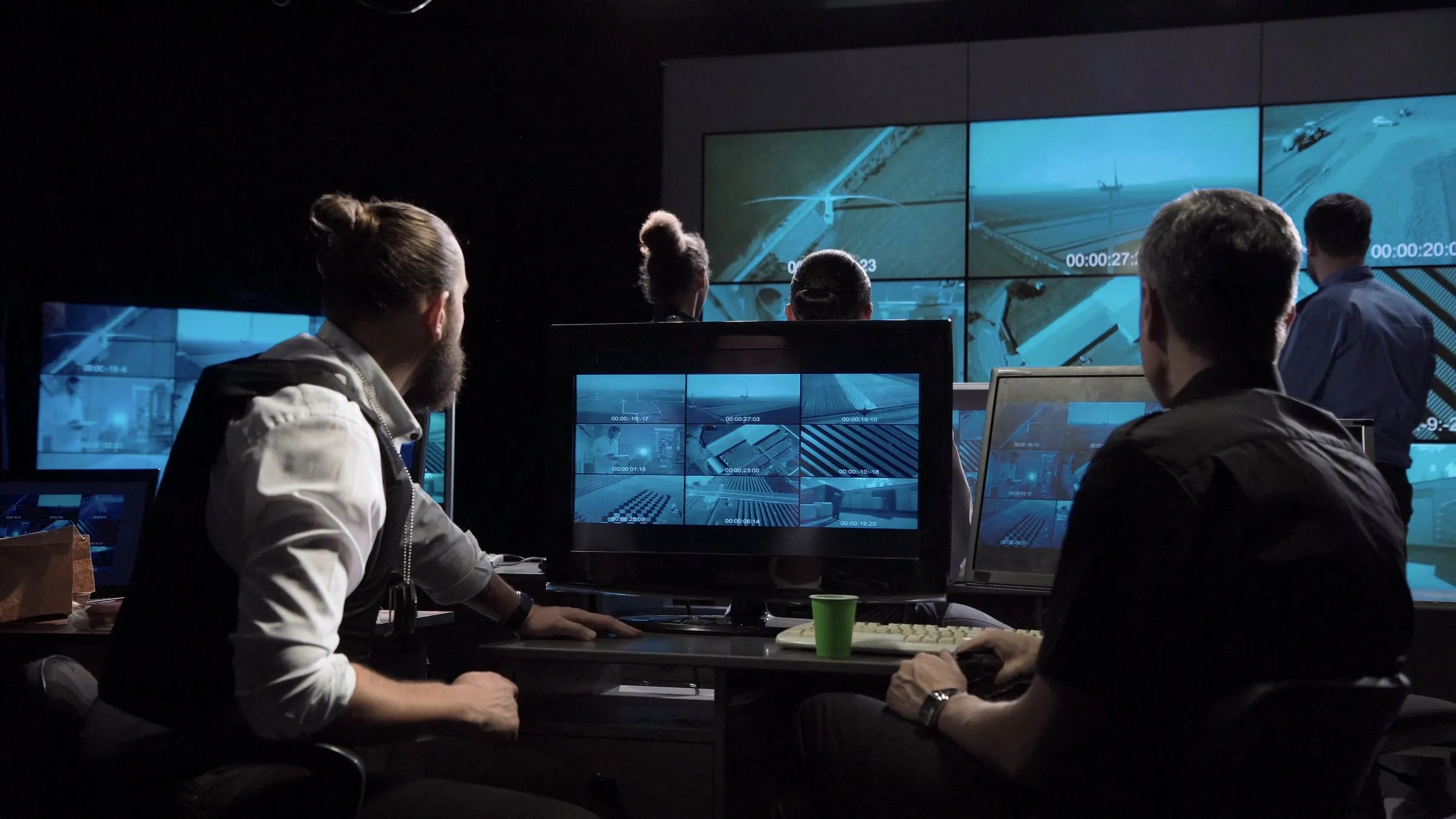
Dock doors, mechanical rooms and cold storage aisles are watched from the guard post using the facility's own cameras, with door-open duration flagged and a clip pulled if a product handling question comes up.
- Vehicle patrol
A marked vehicle covers the yard and trailer parking, checking that reefer units left running on parked trailers are actually running, and that the fence and gate are secure between shifts.
- Fire watch
Fire watch is staffed for hot work near refrigeration piping or during a sprinkler impairment, with the log the fire marshal expects and rounds through the cold rooms as the permit requires.
- Incident reporting
The daily report records carrier check-ins, dock door open times by door, any chain-of-custody exception noted by the warehouse, mechanical room access, and fire watch rounds during any impairment or hot work.
A typical post
What a shift looks like here.
The dock officer opens against the appointment schedule, timing each door from the moment a trailer seats to the moment it pulls away, since a door held open past the load-out window is logged the same as a security exception would be. A reefer trailer waiting on a door has its unit checked before it is parked, running or not.
Through the shift the officer's rounds pass the mechanical room door without entering it, confirming it is secured and that anyone inside is on the maintenance list for that day. Product moving from the dock to the racks is watched for the pallet counts the warehouse's own paperwork calls for, with any gap flagged rather than assumed to be a counting error.
As pickers clear out at the end of a cold-room shift, the officer confirms no one remains in a blast freezer or deep-cold room before it is left unattended, a check the post orders require regardless of how routine the shift has been. The report closes with door times, mechanical room access and any chain-of-custody note from the warehouse team.
Reporting
What the daily report covers here
Every client receives a written report each day, and officer performance is reviewed and documented daily. This is what the report records on this kind of post.
- Dock door open times by door, flagged against the load-out window
- Carriers and reefer trailers checked in and out
- Mechanical room access, by name, against the maintenance list
- Chain-of-custody exceptions noted by warehouse staff
- Cold room and blast freezer occupancy checks at shift end
- Fire watch rounds and log during hot work or a sprinkler impairment
Do officers work inside the refrigerated areas?
Officers work the dock, the yard and the perimeter, and pass through cold storage aisles on rounds dressed for the temperature; they do not enter restricted mechanical rooms holding ammonia or glycol equipment, which stay limited to maintenance staff.
Can you time dock doors against a load-out window?
Yes, when the warehouse sets the window it expects a door to be open for. The officer logs the open and close time for each door and flags anything that runs long, which the warehouse can use for both security and product quality review.
Do you provide fire watch during refrigeration system work?
Yes. Hot work near refrigeration piping or a sprinkler system impairment in a cold storage building is covered by trained fire watch officers, with a log kept for the window the permit or the impairment requires.
How does chain-of-custody logging work for pharmaceutical product?
To the standard the client sets for that product. The officer logs what the warehouse's own procedure calls for at the dock, movement is watched on camera, and any gap the warehouse flags goes into the daily report the same day.
What happens if someone is still in a blast freezer at shift end?
The post orders require a check before a cold room is left unattended at the end of a shift, so a person cannot be locked in unnoticed. This is a standing part of the round, not something added only when a problem is suspected.
Related pages
Industries we serve
Service areas
Insights
Answers
Glossary
Request a proposal
Request a proposal for cold storage facilities.
Two short steps. Dispatch reviews every request and calls you back about coverage. For urgent unarmed coverage we can typically staff most sites within hours.
24-hour dispatch
(281) 326-9189