
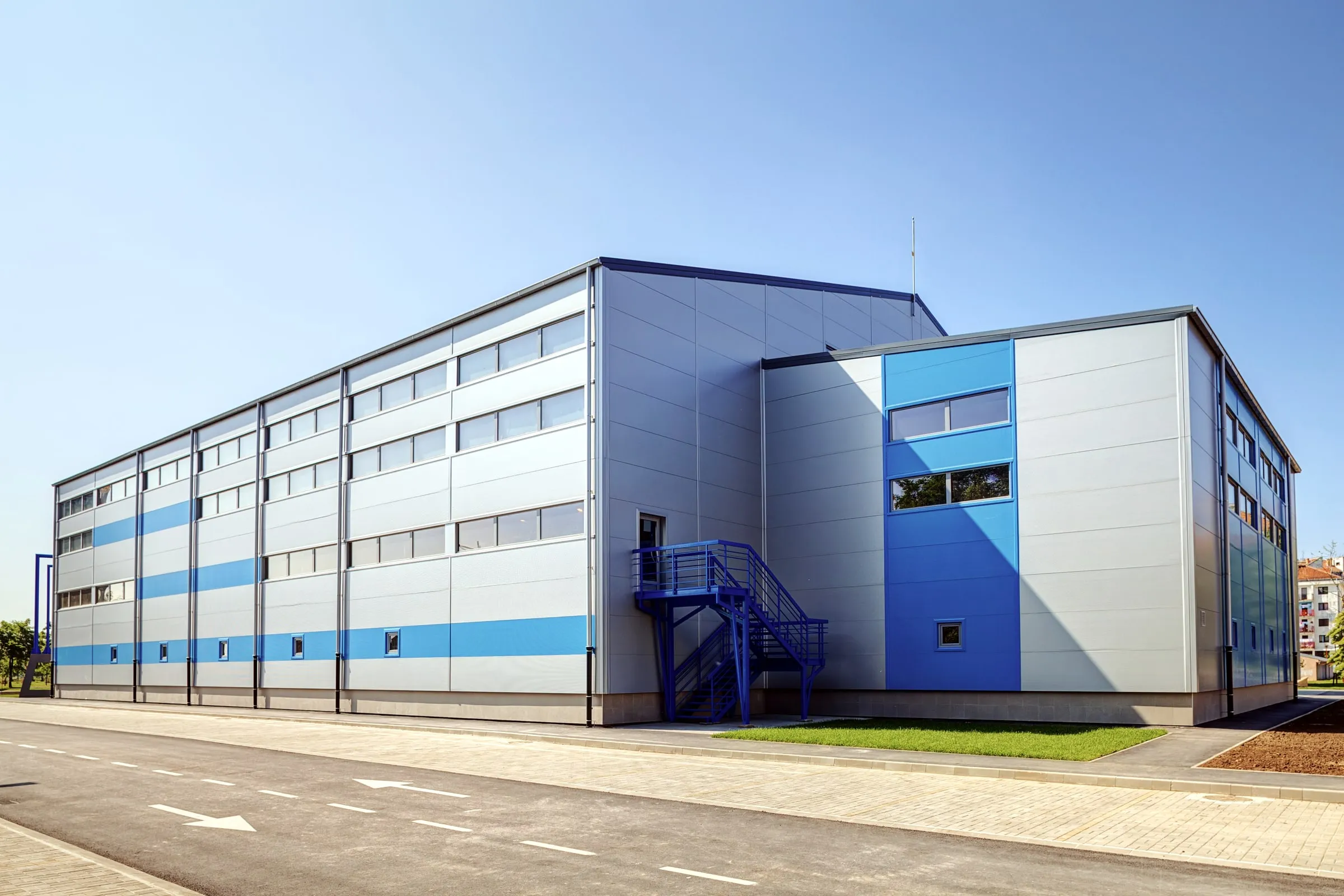
Security Guards for Manufacturing Plants
A gate post that separates the plant floor from the shipping yard, checks contractors against a work order and keeps a fire watch ready for hot work.
Request a proposalThe situation
What a manufacturing plant deals with beyond the shipping dock
The plant floor and the shipping yard are different worlds
Raw material comes in one gate, finished goods leave another, and production workers, contractors and drivers all need different levels of access to a building where a wrong turn can put someone in an area with moving equipment.
Contractors are on site more than they are off it
Maintenance crews, equipment vendors and specialty contractors for machine installs or repairs are in and out constantly, and a plant that checks them once at hire but not at every visit loses track of who is actually on the floor.
Hot work is routine, and each job needs its own watch
Welding, cutting and grinding on equipment repairs happen often enough that a plant needs fire watch coverage available on short notice, not scheduled weeks in advance, or work waits on a watch that is not there yet.
Finished goods sit in a staging area before they ship
Product built and boxed but not yet loaded sits in a staging area between production and the dock, a stretch of the building that is easy to overlook because it is neither the plant floor nor the yard.
Three gates, three kinds of traffic
A manufacturing plant rarely has one entrance doing one job. Raw material comes in one gate, finished product leaves another, and the employee and contractor entrance sits apart from both. Price Protection’s post orders here treat each as its own checkpoint with its own list, so an officer checking a contractor against a work order at the front gate is not also trying to track a delivery truck at the material dock.
Contractors are checked against the work, not just the badge
A plant with an active maintenance program sees contractors more often than most industrial sites, arriving for a specific scope that changes visit to visit. The post orders call for matching each crew to the work order for that day, not a standing vendor badge, since a contractor showing up for an unscheduled job is exactly the situation the plant needs to know about before that crew reaches the floor.
Fire watch has to be ready before the torch is lit
Hot work on a manufacturing floor is routine maintenance, not a special event, which means fire watch coverage has to be available faster than a construction site’s planning cycle allows. Price Protection keeps officers ready to cover a repair called with short notice, staying for the duration the work order and the applicable requirements set rather than a fixed block booked in advance. This is a summary, not legal advice.
The staging area between production and the dock
Finished goods built and boxed but not yet loaded sit in a staging area that belongs to neither the production floor nor the shipping dock, and it is the part of a plant most likely to be checked only in passing. The officer’s rounds include a count against what production reports was built, so a shortfall is caught at the staging area rather than discovered when the load-out comes up short.
Starting coverage
To begin, dispatch needs the plant’s gate layout, the badge or access system, the current contractor list and how work orders are issued, and the finished goods staging procedure. Coverage typically starts with an unarmed officer at the busiest gate, with fire watch availability confirmed separately so a hot work job never waits on a watch that has to be arranged from scratch.
How we cover it
Every service, applied to this post.
- Unarmed security guards
An unarmed officer staffs the employee and visitor entrance, checking badges and work orders, directing contractors to the area their scope covers, and watching the raw material and finished goods gates separately from each other.
- Access control
Employees, contractors and vendors are checked against the plant's badge system or a visitor list at every entry, with contractors verified against the specific work order for that visit rather than a standing pass alone.
- Fire watch
Fire watch officers are available for hot work on repairs and installs, following the requirements a fire watch has to meet for the duration the work order sets, with a log kept and available to the plant's safety team.
- Camera monitoring
The plant's cameras covering the yard, the dock and the finished goods staging area are watched from the guard post, with footage available to the EHS team for an incident review.
- Incident reporting
The daily report lists badge and visitor entries, contractors on site by work order, fire watch rounds and duration, and anything found in the finished goods staging area or the yard.
A typical post
What a shift looks like here.
The morning officer works the employee entrance during the shift change rush, checking badges and holding anyone without one until a supervisor confirms them, then turns to the day's contractor list, matching each crew against a specific work order rather than a general vendor pass.
Through the day the officer moves between the raw material gate, the finished goods staging area and any hot work in progress, since a fire watch called on short notice takes priority over a routine round. The watch stays at the job for the duration the work order sets, extended if the work runs long.
At shift change the officer reconciles the day's badge log against the contractor list, confirms the finished goods staging area matches what production reported was built, and notes any hot work still open for the incoming officer to continue watching or close out.

Reporting
What the daily report covers here
Every client receives a written report each day, and officer performance is reviewed and documented daily. This is what the report records on this kind of post.
- Badge and visitor entries by gate, employee and contractor
- Contractors on site matched against their work order
- Fire watch jobs: location, duration and log
- Finished goods staging area checked against production's count
- Raw material gate activity, by carrier and time
- Anything found on the yard or dock patrol
Can fire watch be called on short notice for a repair?
Yes. Manufacturing plants schedule hot work for repairs and installs on short notice more often than construction sites do, and Price Protection staffs a fire watch on that timeline rather than requiring weeks of lead time.
How are contractors checked differently from employees?
Against the specific work order for that visit, not a standing badge alone. A contractor arriving for a scope that is not on the day's list is held at the gate while the plant confirms the work, then directed to the area the order covers.
Do you separate the raw material gate from the finished goods gate?
Where the plant's layout has two, yes. Post orders treat them differently because the traffic, the paperwork and the risk at each are not the same, and a single log covering both would blur what actually happened at either.
Is the finished goods staging area actually watched?
It is checked on rounds and against production's own count, since it sits between two areas that get more attention on their own, the plant floor and the dock, and product waiting to ship is easy to overlook in between.
Can you provide coverage for a specific shutdown or turnaround?
Yes, temporary coverage for a maintenance shutdown or a turnaround period is arranged for the added contractor traffic and hot work volume those events bring, on the schedule the plant sets for that window.
Related pages
Industries we serve
Insights
Glossary
Request a proposal
Request a proposal for manufacturing plants.
Two short steps. Dispatch reviews every request and calls you back about coverage. For urgent unarmed coverage we can typically staff most sites within hours.
24-hour dispatch
(281) 326-9189