
Security Guards for Warehouses
A guard at the gate or the dock office who checks every driver in, watches the yard, and puts what happened on paper before the next shift starts.
Request a proposalThe situation
What a warehouse deals with at the gate and the dock
The dock runs on a schedule nobody controls
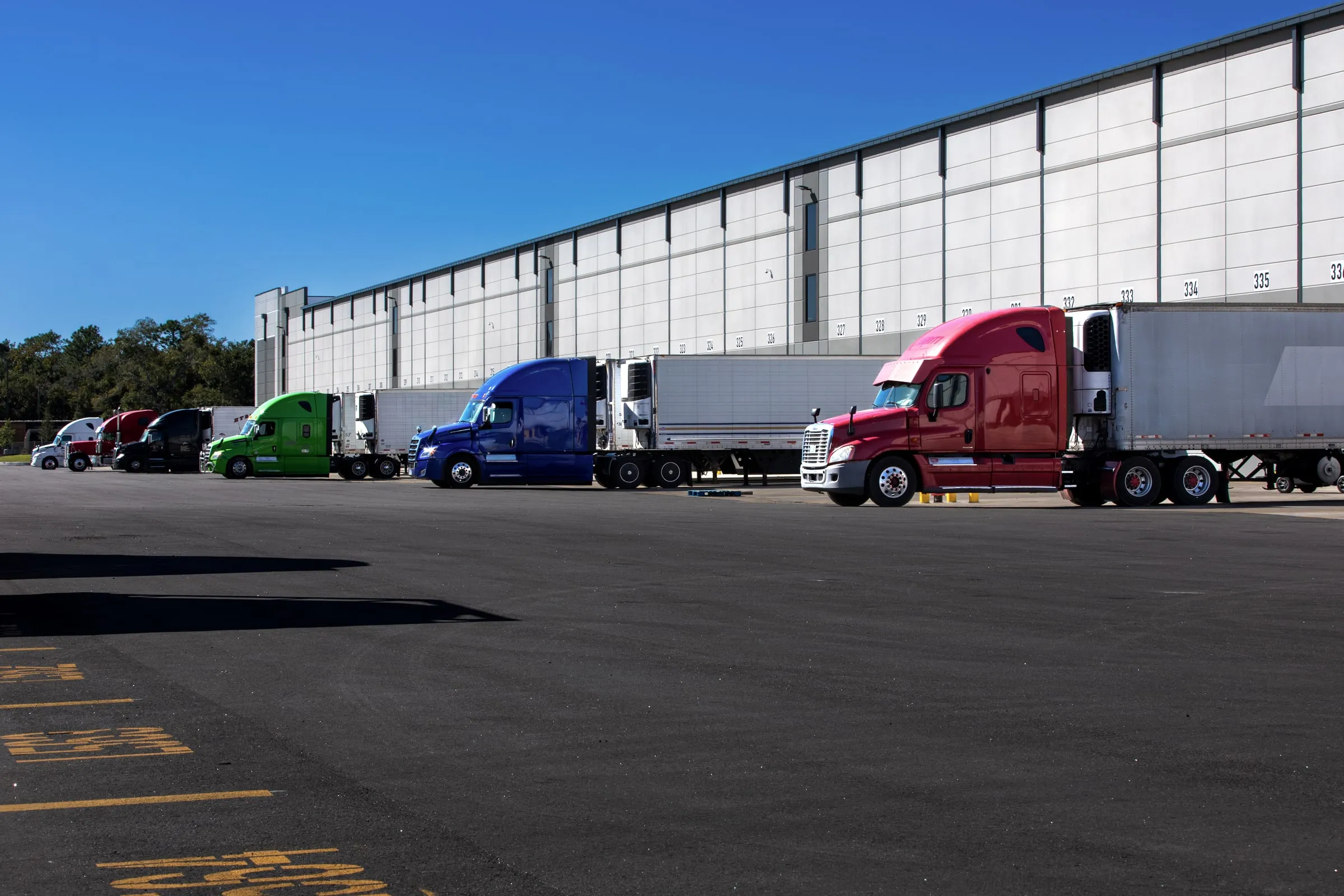
Carriers show up early, late, or all at once, and each truck needs a door, a check-in and a signature before it backs in. A dock with no one at the window either slows to a crawl or lets drivers wander to whichever door looks open.
Trailers sit in the yard overnight
Drop trailers, live loads waiting on a door and empties queued for pickup all sit in the yard between shifts, often loaded with product nobody is watching once the last forklift operator clocks out.
One open door reaches the whole building
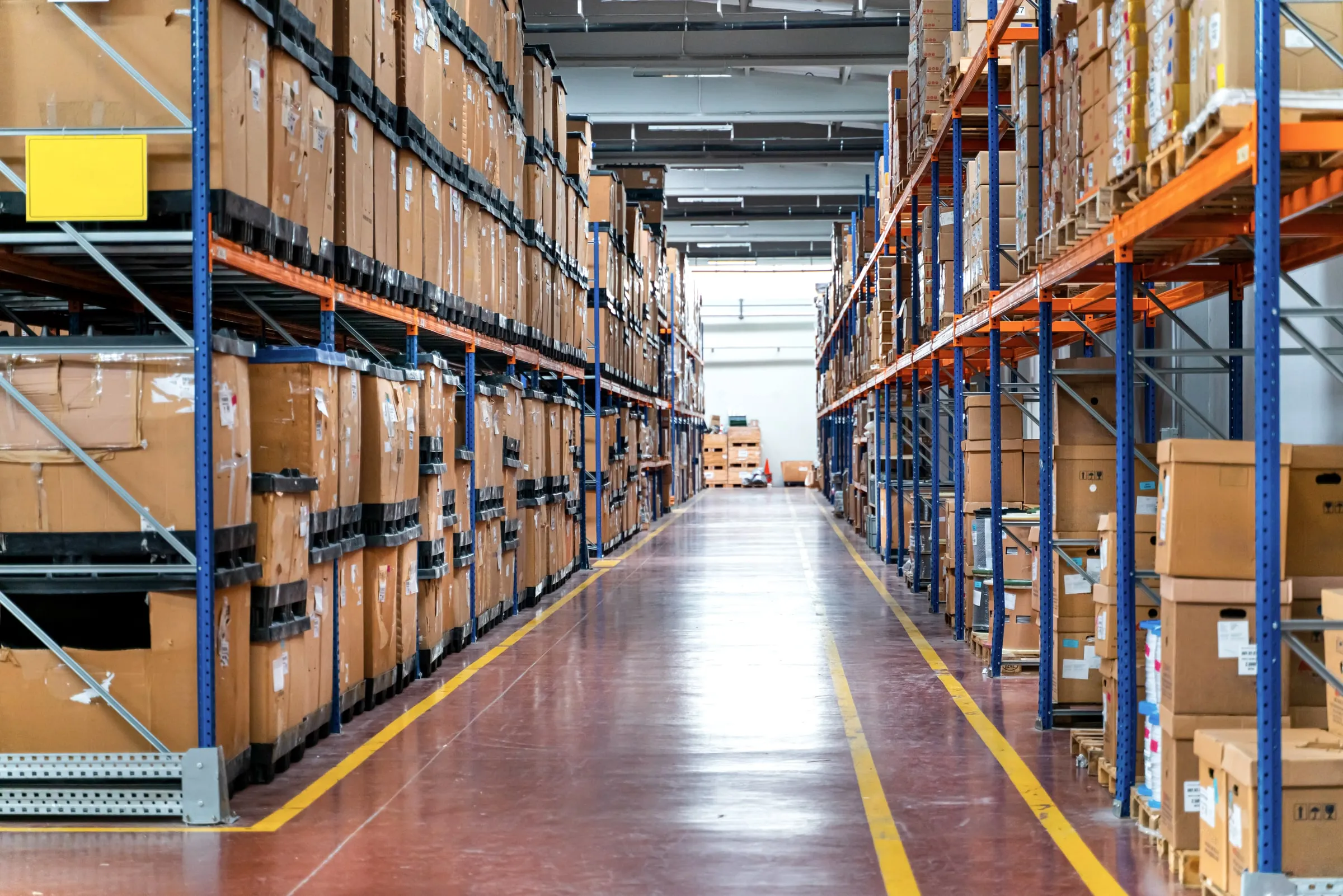
A warehouse is one large open floor behind the dock wall, so a door propped for airflow or a trailer left unsealed during a break gives access to product stored two hundred feet away.
Forklifts, pedestrians and trucks share the same yard
Spotters moving trailers, forklifts crossing the apron and drivers walking to the shipping office are all in the same lane at shift change, and a yard with no one directing traffic is where near-misses happen.
The gate and the dock are one post
A warehouse’s security problem is really two problems sharing one address: who gets through the gate, and what happens at the dock once they do. Price Protection sets the post up around whichever choke point the building actually has, a property gate, a dock office window, or both if the volume of traffic calls for it. The officer’s job is the same either way: check the vehicle against the appointment schedule, direct it to an open door, and write down what happened.
Post orders built from the appointment schedule
The post orders are built from how the warehouse actually runs a dock, not a generic template. They record how appointments are scheduled and confirmed, which door numbers are open on a given shift, who has standing vendor access, how a driver without an appointment is handled, and what to do when a trailer needs to be moved for another truck to back in. An officer who has read them can hold a truck at the gate with a reason the operations manager would give the same way.
The yard between shifts
Drop trailers, empties and loaded trailers waiting on a door all sit in the yard when no forklift is moving, and that is when a warehouse is least watched. A vehicle patrol or a walking round checks seals, confirms trailer counts against the drop log and watches the fence line, so a trailer that should not be there is caught on the next pass rather than at the next audit. Where the building runs a night shift with a smaller crew, the officer’s rounds cover the parts of the dock the crew is not standing at.
Fire watch and system impairments
Large warehouses run sprinkler systems sized to the racking, and repairs or testing take part of the system out of service for hours at a time. Price Protection staffs a fire watch for that window and for hot work on the roof or the dock levelers, following the requirements a fire watch has to meet, with rounds and a log the fire marshal can review. This is a summary, not legal advice.
Starting coverage
To begin, dispatch needs the appointment process, the dock and gate layout, door numbers, standing vendor and carrier lists, and who to call after hours if a trailer or a door needs attention. An unarmed officer can generally be posted within hours of a signed post order, and the schedule is adjusted over the first week or two as the officer learns which carriers run early and which doors see the most traffic.
How we cover it
Every service, applied to this post.
- Unarmed security guards
An unarmed officer staffs the gate or the dock office for the hours the operation runs, checking every carrier against the appointment schedule, directing trailers to an open door and walking the dock and the yard between arrivals.
- Access control
Drivers, vendors and visitors are checked against the day's appointment list or a standing vendor list, badged or logged, and directed to the shipping office; anyone not on the schedule is held at the gate until the warehouse confirms them.
- Vehicle patrol
A marked vehicle covers the trailer yard, the employee lot and the fence line on a written route, testing gates, checking seals on parked trailers and logging any trailer moved or added since the last round.
- Camera monitoring
The warehouse's own dock and yard cameras are watched from the guard post, with the exterior checked between truck arrivals and a clip pulled for the operations manager when a seal or a trailer number needs to be confirmed.
- Fire watch
Fire watch is staffed when the sprinkler system is impaired for repair or when hot work is done on racking, dock levelers or the roof, with rounds and a log kept for the window the permit sets.
- Incident reporting
The daily report lists every carrier checked in and out with door and time, trailers dropped or picked up, seals checked, doors found open after hours and anything unusual on the dock or in the yard.
A typical post
What a shift looks like here.
The morning officer opens the gate against the day's appointment schedule, a page long before the first shift starts. Carriers arrive faster than doors can be assigned, and the officer holds a truck at the gate rather than waving it toward a door the warehouse has not called for. Trailer numbers and seal numbers go in the log before the driver reaches the dock.
Through the afternoon the yard fills with drop trailers and empties waiting on a spotter, and the officer keeps the fire lane and the trailer parking separate so a truck backing in has room to see. A vendor arrives without an appointment on the list; dispatch's post orders say who to call, and the visit is logged either way.
After the last shift clocks out, the officer walks the dock wall checking every door, confirms the trailers left in the yard match the drop log, and notes any door found unlatched. The report goes to the operations manager before the first appointment the next morning, so a door left open overnight is known before the first truck arrives.
Reporting
What the daily report covers here
Every client receives a written report each day, and officer performance is reviewed and documented daily. This is what the report records on this kind of post.
- Carriers checked in and out, by door and time
- Trailers dropped, picked up or left overnight, with numbers
- Seals checked and any seal found broken or missing
- Dock doors found open or unlatched after hours
- Vendors and visitors not on the appointment list, and how they were handled
- Fire watch rounds and log during hot work or a sprinkler impairment
Do you staff the gate or the dock office?
Whichever the warehouse asks for. Some sites want a post at the property gate checking every vehicle before it reaches the yard; others want the officer at the dock office working the appointment schedule directly. The post orders are written around the layout the warehouse actually has.
Can an officer check seals against a manifest?
Yes, when the warehouse gives dispatch the format it uses. The officer records the seal number on arrival and compares it to the manifest or the appointment record, and any mismatch goes in the report and is called in immediately rather than waiting for the log.
What happens to a trailer left in the yard overnight?
It is logged with its number, location and whether it is loaded, empty or sealed, and the patrol checks it on every round. A trailer that was not in the yard the shift before is noted and confirmed with the warehouse the next morning.
Do you cover multiple buildings on one campus?
Yes. A vehicle patrol can cover several buildings sharing a yard, with a written route and a stop at each dock wall, or each building can have its own post if the volume of traffic calls for it.
How fast can coverage start at a new warehouse?
Unarmed guards can typically arrive at most job sites within hours. Dispatch needs the appointment process, the gate and dock layout and who to call after hours, and the post orders are tightened over the first week as the officers learn the carrier patterns.
Related pages
Industries we serve
Service areas
Insights
Answers
Glossary
Request a proposal
Request a proposal for warehouses.
Two short steps. Dispatch reviews every request and calls you back about coverage. For urgent unarmed coverage we can typically staff most sites within hours.
24-hour dispatch
(281) 326-9189