
Property manager guides
Warehouse Security: Gates, Yards and Shift Changes
By Price Protection SecurityReviewed TX DPS Lic #B09430601
Short answer
Warehouse security is built around two positions that usually run at different times. During operating hours, the gate is staffed: drivers are checked against appointments, trailer and seal numbers are logged, and visitors are controlled. Once the dock closes, coverage shifts to the yard: trailer rows, the fence line and the dock face are walked on varied rounds. Shift change, when the largest number of people move through the gate at once, is the point where most warehouses add a second officer.
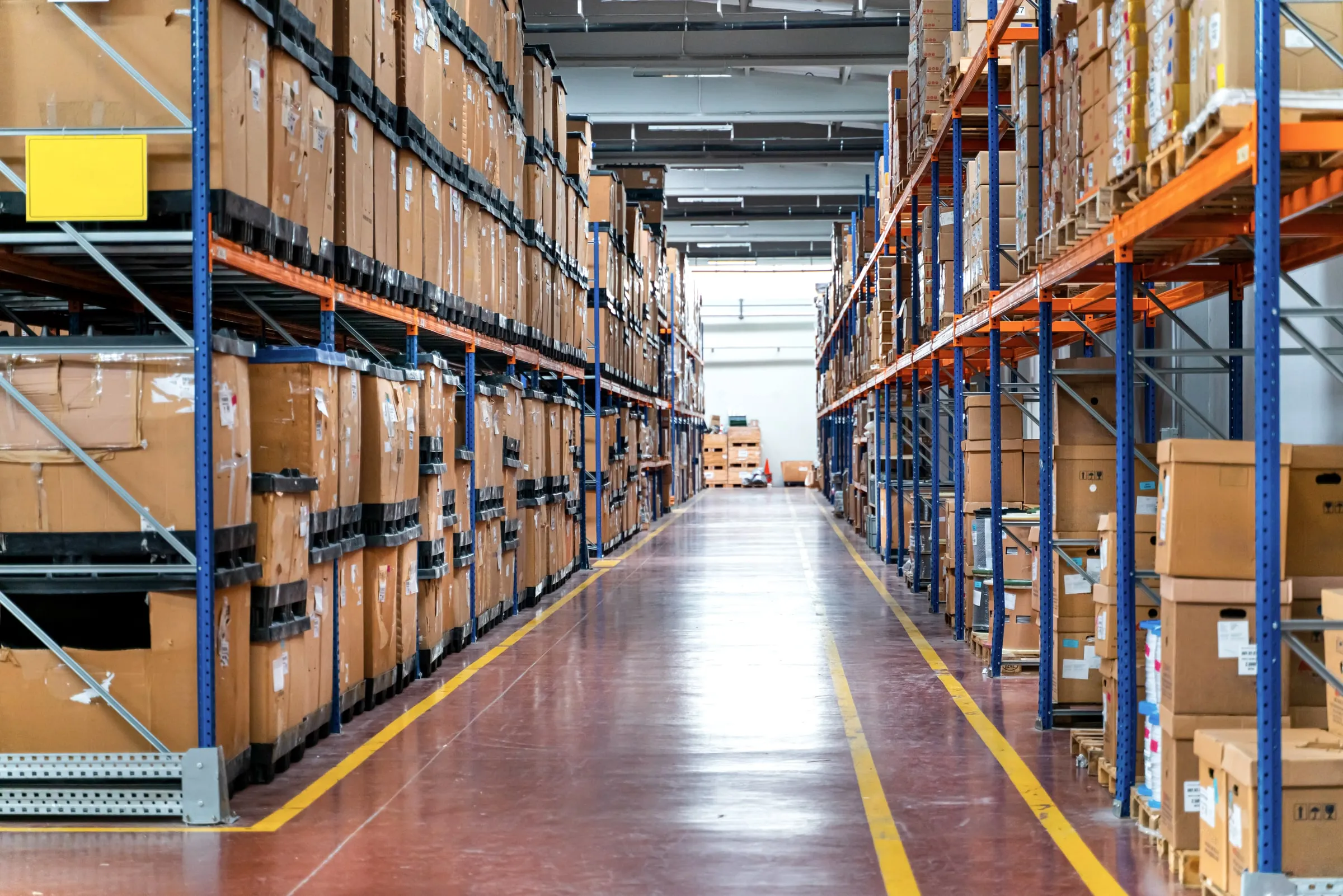
Two posts, not one job
Warehouse security is easiest to understand as two separate positions that happen to be filled, on many sites, by the same officer at different hours. The gate is a checkpoint: it exists to verify that a driver, a visitor or a load belongs at the site before letting it through. The yard is a patrol: it exists to notice what has changed since the last round, in a space with no fixed point to stand and watch. Treating them as one undifferentiated job, “security for the warehouse,” is how gaps appear, because the skills and the attention each one needs are not the same.
The gate during operating hours
Cargo theft against distribution and logistics sites tends to be organized rather than opportunistic: drivers are impersonated, appointment systems are studied, and a yard is tested on a weekend before anyone attempts anything on a weekday. The gate officer’s log is the site’s first defense against that pattern. Every inbound driver’s credentials and paperwork are checked against the day’s appointments before a trailer moves onto the property. Every outbound load is verified against what was actually scheduled to leave. Trailer and seal numbers are recorded in and out, which is what lets a warehouse reconcile its own records against the gate log rather than discovering a discrepancy only at the next full inventory. Visitors and contractors are signed in and directed rather than waved through, and anyone who arrives without an appointment waits at the gate for the shipping office to sort out, rather than being allowed to circulate on the property while the question gets answered.
The yard once the dock goes quiet
When the office closes and the last scheduled truck has left, the post’s shape changes entirely. There is no longer a single point where everything that matters passes through; instead there is open ground, parked trailers, a fence line and a dock face that nobody is actively watching unless someone walks it. The yard patrol, on foot for a small site or in a vehicle for a large one, checks trailer seals and doors along every row, walks the full fence line and every gate, checks fuel storage and any equipment left in the open, and looks over the dock doors for anything left unsecured. Rounds are varied in order and timing on purpose, because a route that runs the same way every night at the same pace is a route someone watching from outside the fence can learn and plan around.
Shift change: the hour that concentrates the risk
A single-shift warehouse has one period of heavy foot and vehicle traffic each day; a multi-shift operation has two or three, and each one puts more people through the gate in a short window than the rest of the day combined. An officer whose job the rest of the day is a careful, unhurried check of credentials and paperwork faces a genuinely different task at shift change: dozens or hundreds of people arriving and leaving inside the same twenty or thirty minutes, each one needing to be recognized or checked without slowing the flow to a crawl. It is the point where a warehouse most often adds a second officer, not because the site has gotten larger, but because the volume moving through one point at one time has.
| Time of day | Primary risk | Coverage that fits |
|---|---|---|
| Operating hours, normal flow | Impersonated drivers, unlogged loads | Single gate officer checking against appointments |
| Shift change | Volume overwhelming one checkpoint | A second officer, or a dedicated shift-change post |
| After close, dock quiet | Trailer and seal tampering in the yard | Vehicle or foot patrol on varied rounds |
| Weekend, yard unattended | Fence line tested away from the gate | Extended patrol hours or a fixed overnight post |
Handing the gate off cleanly
A gate that is uncovered for even a few minutes during a shift handover is a gate with no record for that window, which is exactly the gap an organized attempt is built to find. The outgoing officer briefs the incoming one on anything unresolved, any vehicle still in the yard that should not be, and any appointment still expected before the next scheduled break in traffic, and the two overlap long enough that the post is never actually empty. On a three-shift operation, that handover happens as often as the shifts themselves change, which is part of why shift change deserves its own line in the post orders rather than being treated as an extension of the hour before it.
Fire watch and industrial buildings
Warehouses and distribution centers periodically take a sprinkler system out of service for maintenance or expansion, or bring in welders for structural or rack repair, both of which can call for a fire watch under the applicable code and the facility’s own permit. Where the schedule allows, an officer trained for it can combine the watch with gate or yard duties on a quieter site; where the exposure or the building size calls for it, a dedicated watch is staffed separately, with its own rounds and log kept apart from the gate and yard reports.
Sizing the post from the site itself
There is no single answer for how many officers a warehouse needs, because a small distribution point with one gate and a modest yard is a different problem from a large multi-dock terminal running three shifts. What stays constant is the logic: staff the gate for the hours it actually takes appointments, staff the yard for the hours nobody else is on the property, and add coverage specifically for the window where traffic concentrates, rather than spreading the same one or two officers evenly across a day that is not itself even.
Questions
Related questions
Is a warehouse gate really that different from a construction site gate?
In purpose, yes. A construction gate mostly keeps unauthorized people and vehicles out. A warehouse gate does that and also verifies that what is leaving matches what is supposed to leave, checking trailer and seal numbers against appointments. The log is as much an inventory control as a security one.
Why does shift change need extra attention?
Because it concentrates the two things a gate officer has to do, checking credentials and watching for anything unusual, into a short window with far more traffic than the rest of the day. An officer who is thorough at ten in the morning can be overwhelmed at a shift change moving hundreds of people through the same gate in twenty minutes.
Does the yard patrol matter if the gate is already staffed?
Yes, because the gate only sees what comes through it. Cargo theft that targets trailers already parked in the yard, or a fence line tested away from the gate entirely, is invisible to a gate post and is exactly what the yard patrol is built to catch.
Can the same officer cover the gate and the yard?
On a smaller site, often yes, moving from the gate to the yard once the last truck leaves. A larger site running both at once, or a yard too big for one round to cover inside a useful interval, usually needs the roles split between two officers.
Related pages
Industries we serve
Services
Insights
Answers
Glossary
Request a proposal
Request a proposal for your property.
Two short steps. Dispatch reviews every request and calls you back about coverage. For urgent unarmed coverage we can typically staff most sites within hours.
24-hour dispatch
(281) 326-9189