
Security Guards for Commercial & Office
A lobby that is staffed after the receptionist leaves, a garage that is walked, and a report the property manager can hand to a tenant.
Request a proposalThe industry in Houston
Houston's office market is spread across districts
Downtown and the Galleria are the towers; the Energy Corridor, Westchase, Greenway and the Woodlands are the campuses and mid-rises; every arterial has small professional buildings and strip offices. Each district has its own hours, its own tenants and its own after-dark problem.
Tenants judge the building by the lobby. A leasing decision is made in the lobby and the garage. Tenants want a person at the desk after six, a garage that feels watched and an incident handled before their employees hear about it. Property managers hear about the alternative at renewal.
After hours is the exposure. Cleaning crews, contractors and late workers move through a building nobody is watching. Propped doors, loading docks left open, unauthorized people in the garage and theft from suites happen in the hours when the management office is dark.
Reports are part of the lease. Commercial leases assign responsibility for security, and tenants and insurers ask what the building did about an incident. The daily report and the incident report are what the property manager produces in reply.
Property types
Pick the page that matches your property.
Each page below covers the risks, the post, the report and the questions specific to that property type.
Banks and credit unions
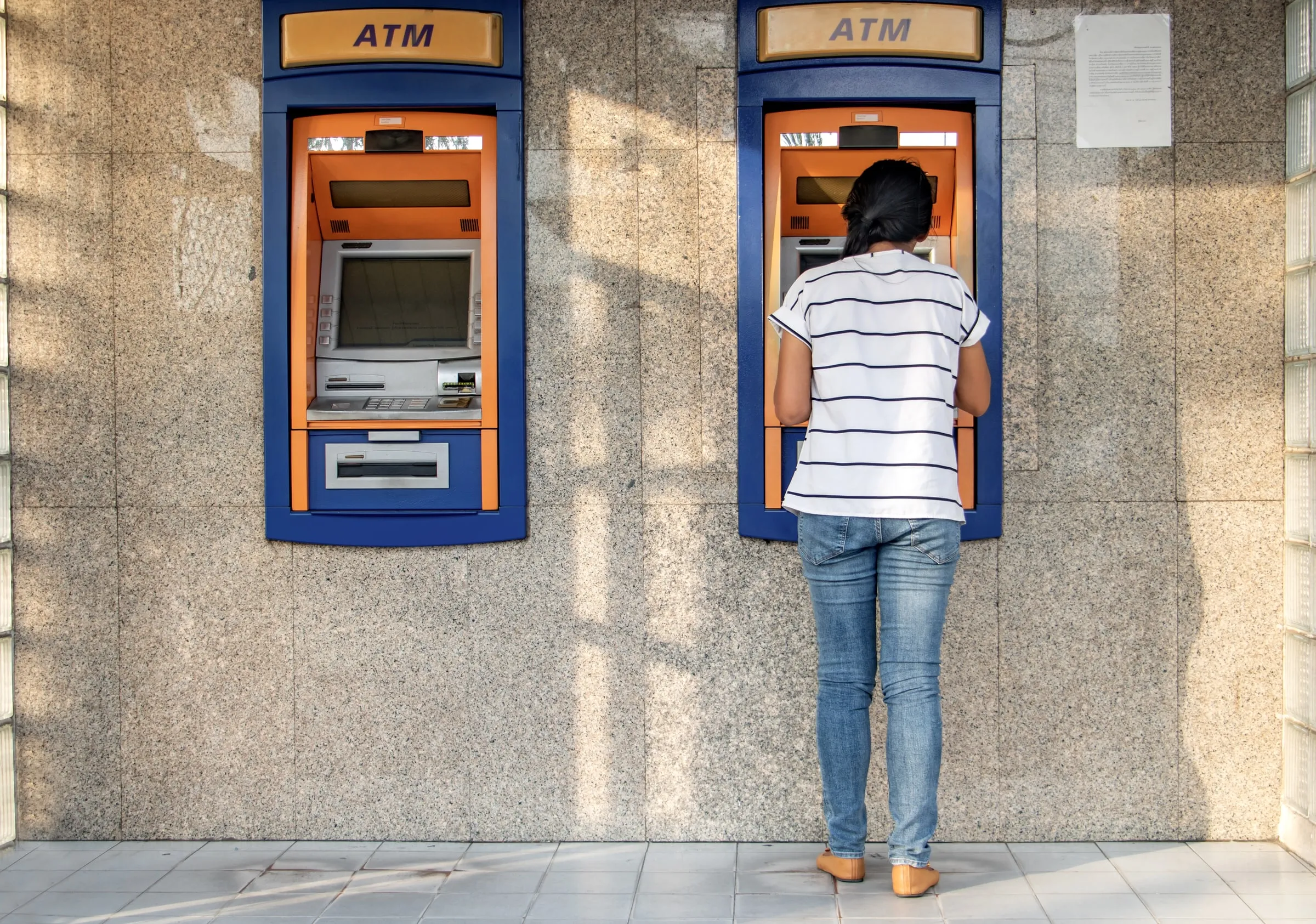
A uniformed presence during teller hours and a second set of eyes at the two moments a branch is most exposed: opening the vault and closing it.
Learn more
Call centers
Coverage built around shift changes rather than a nine-to-five day, since the exposed hour is whichever hour the largest shift walks to the lot.
Learn more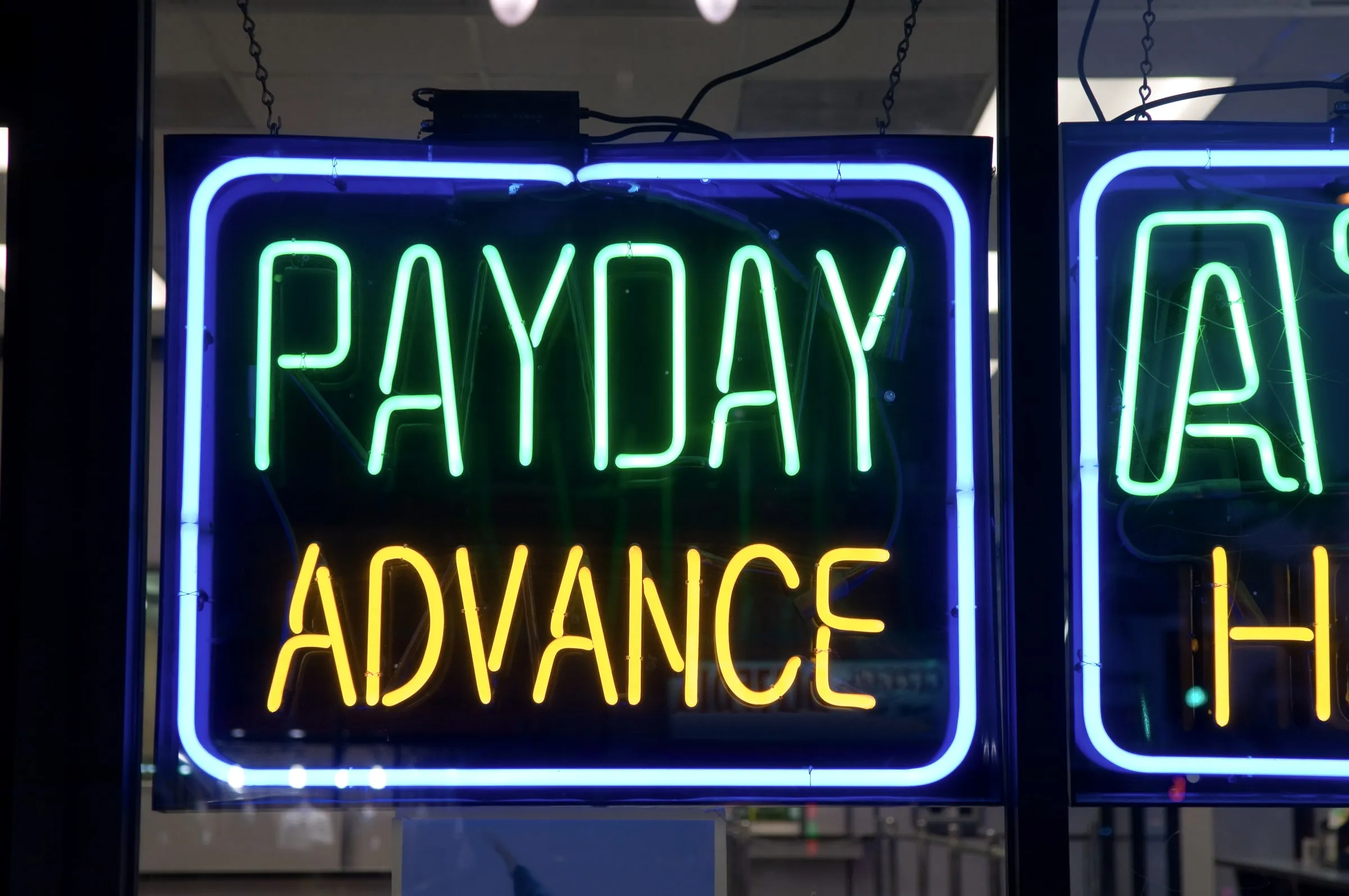
Check cashing and lenders
A visible officer at the counter of a business that keeps cash on hand by design, in a storefront built with one door and thin sightlines to the street.
Learn more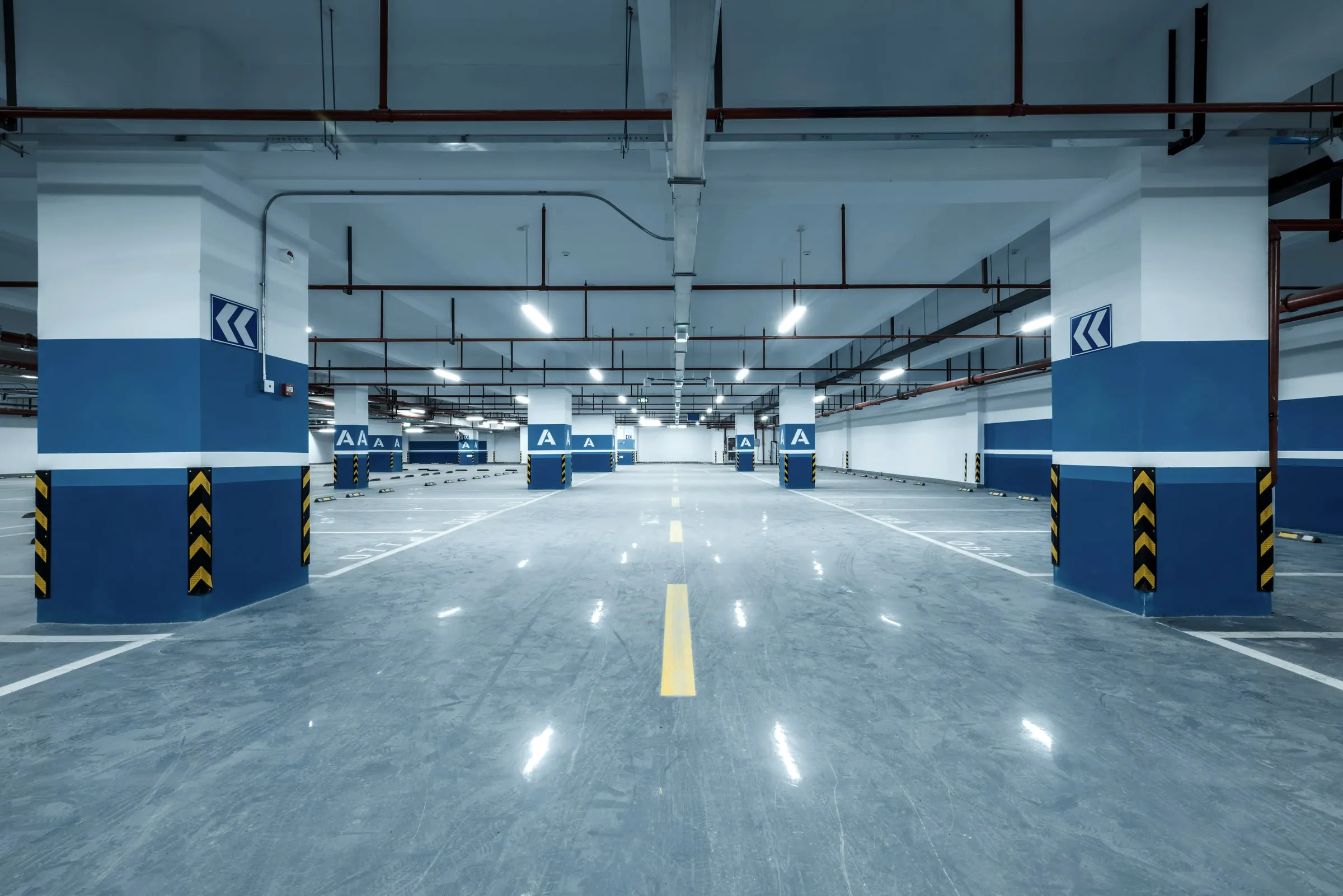
Commercial parking garages
A round that actually walks every level, not a camera feed nobody watches, because a garage's blind spots are the space between the cameras.
Learn more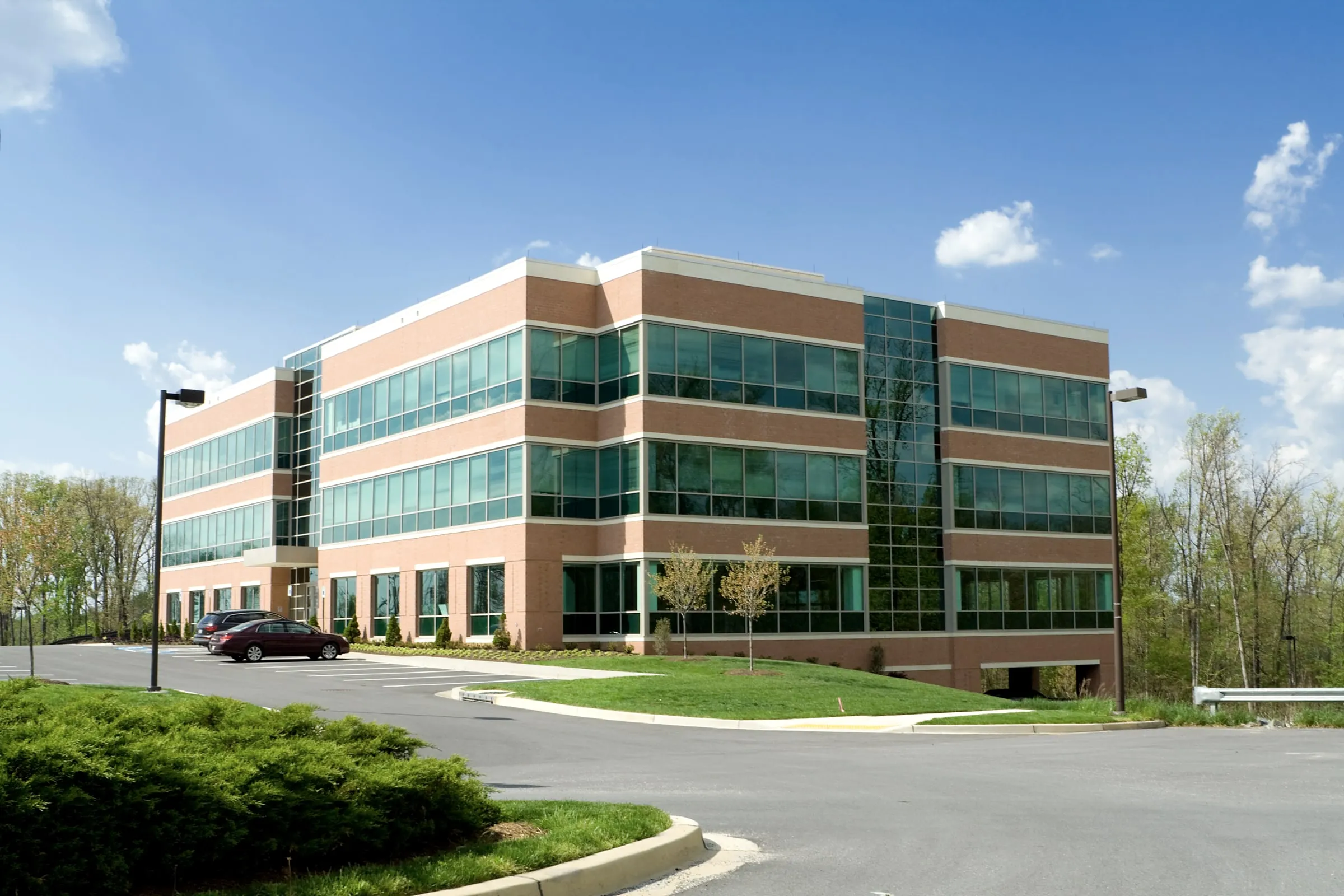
Corporate campuses
One team that covers the gate, the visitor center and every building on the property, instead of a separate arrangement for each address.
Learn more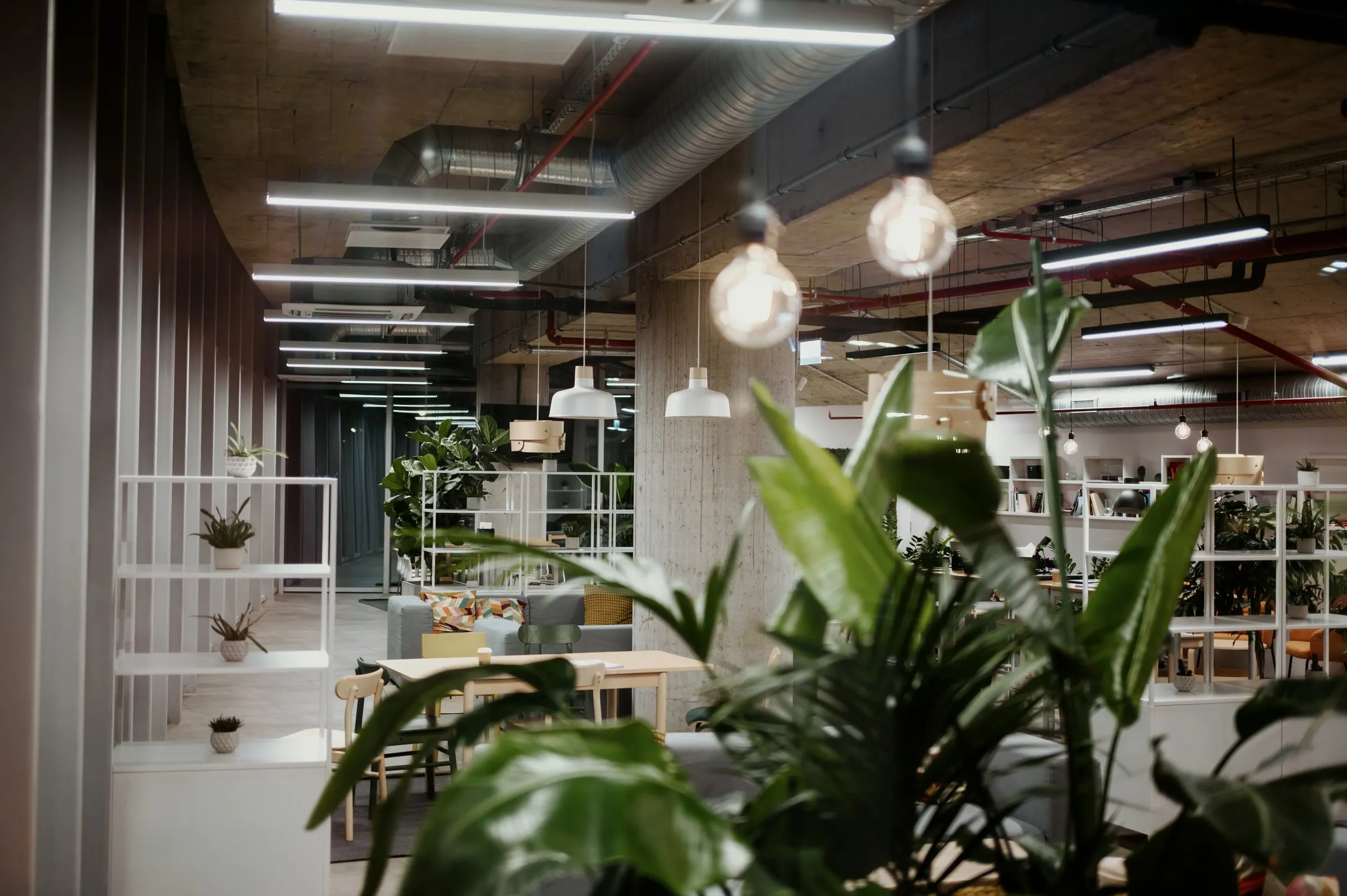
Coworking spaces
An officer who can tell a member from a stranger, watches a floor of open desks nobody owns, and handles a lapsed keycard without stopping the room.
Learn more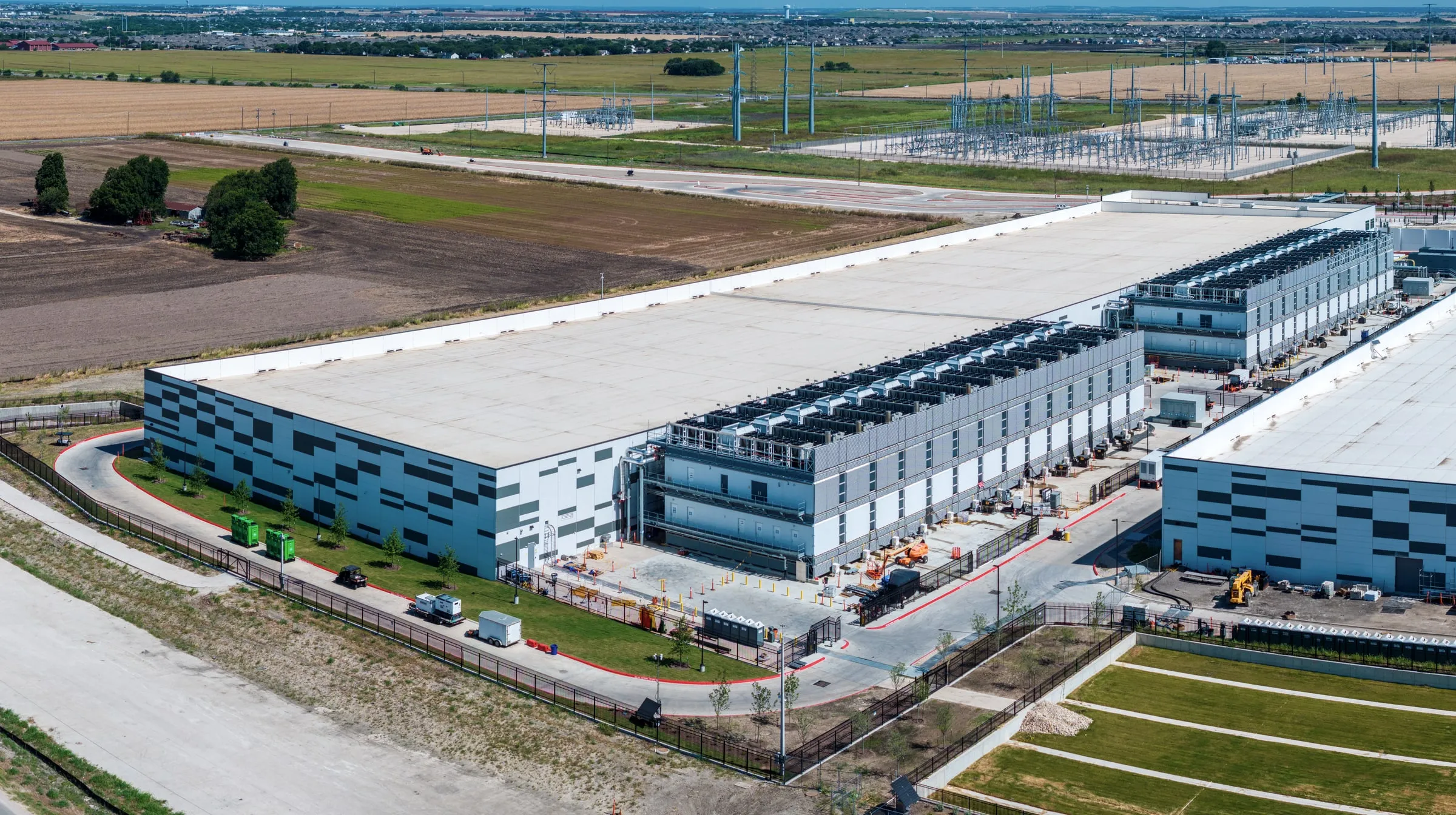
Data centers
An officer who treats every door as a checkpoint, escorts every vendor without exception, and logs an access record precise enough to answer any audit.
Learn more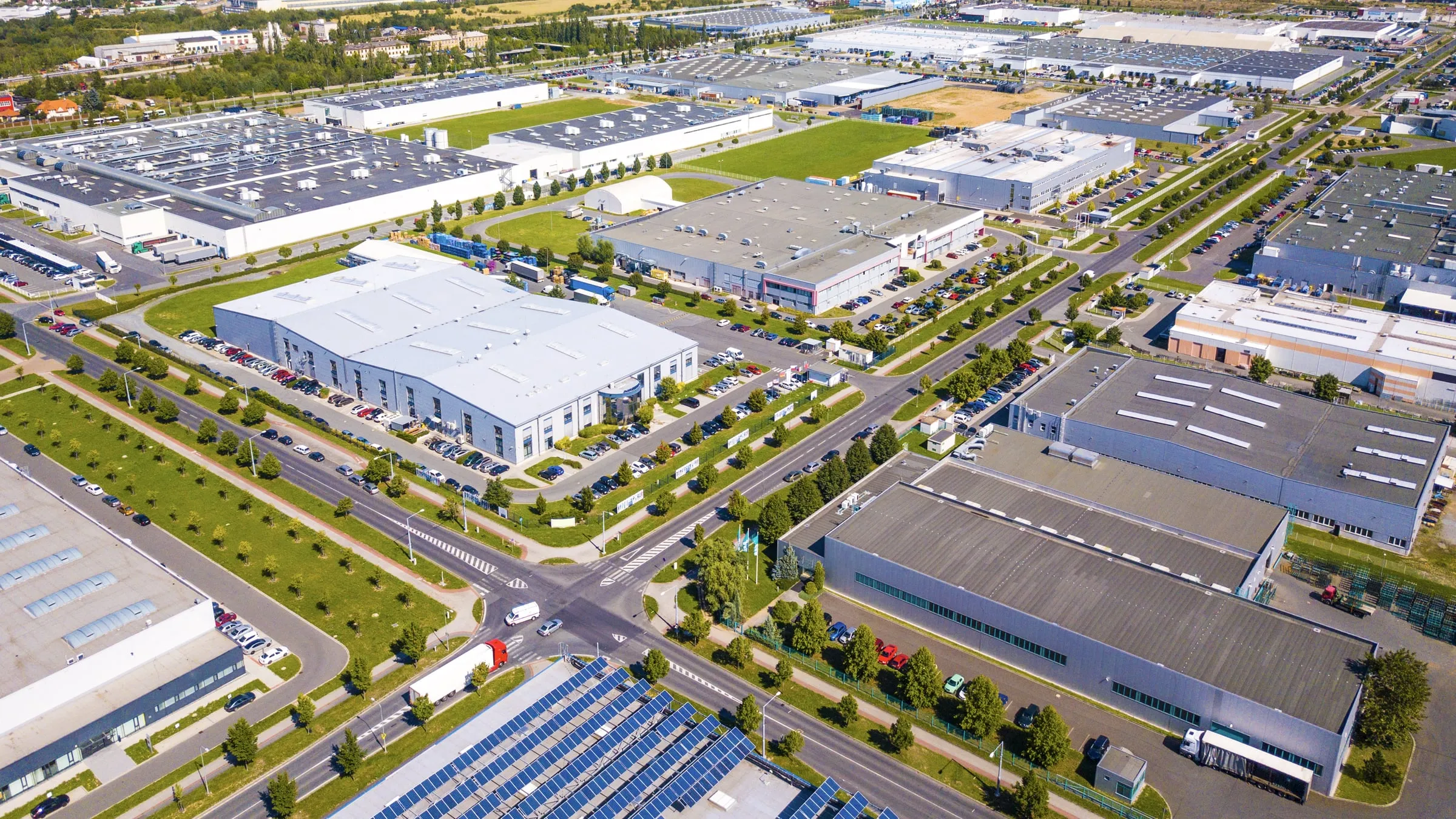
Industrial parks
A patrol that covers the whole park, not one tenant's fence line, so a problem at building six is seen even when the post started the shift at building one.
Learn more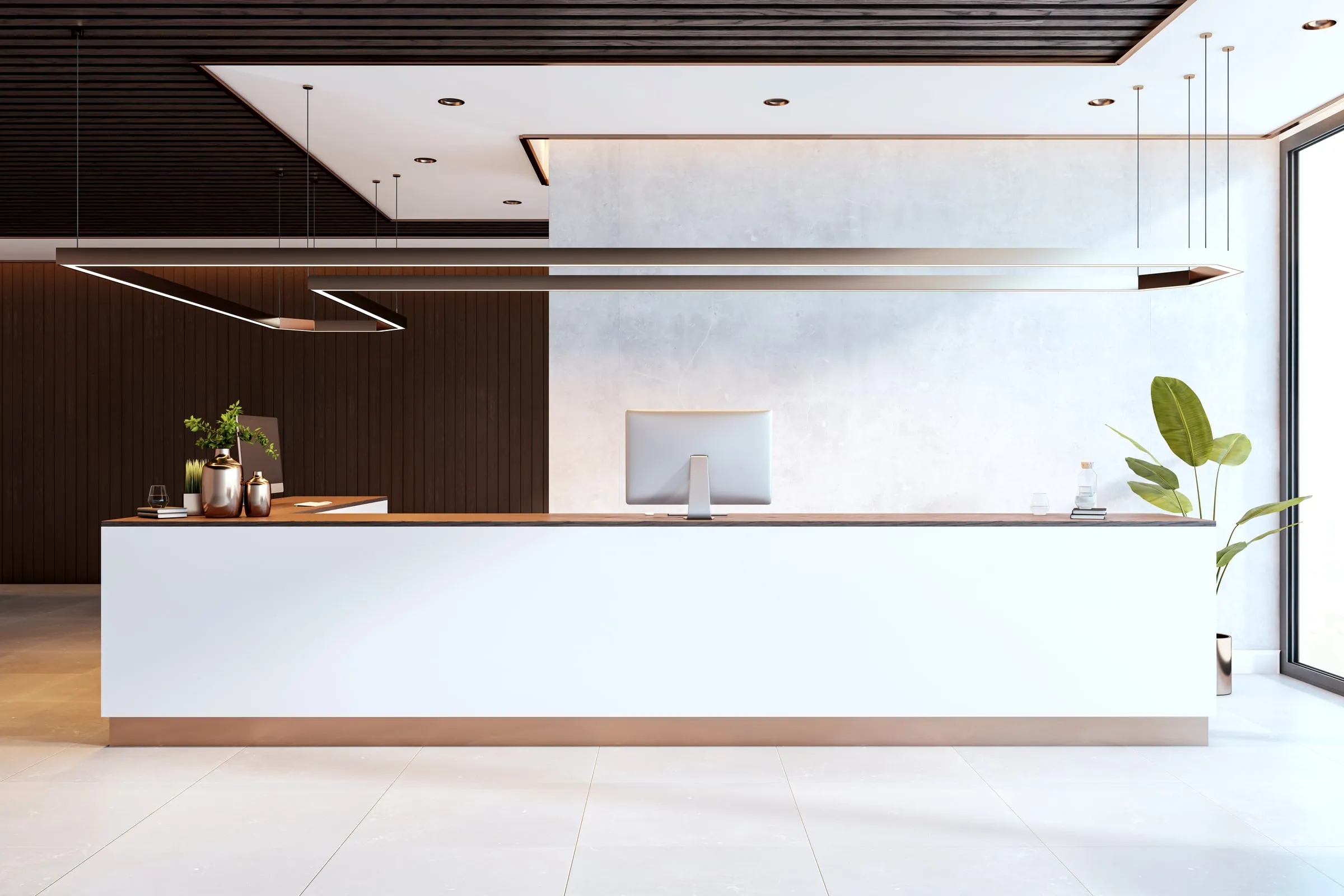
Law and professional offices
An officer who knows a client meeting from a walk-in that should not have made it past reception, in a suite built for confidentiality, not confrontation.
Learn more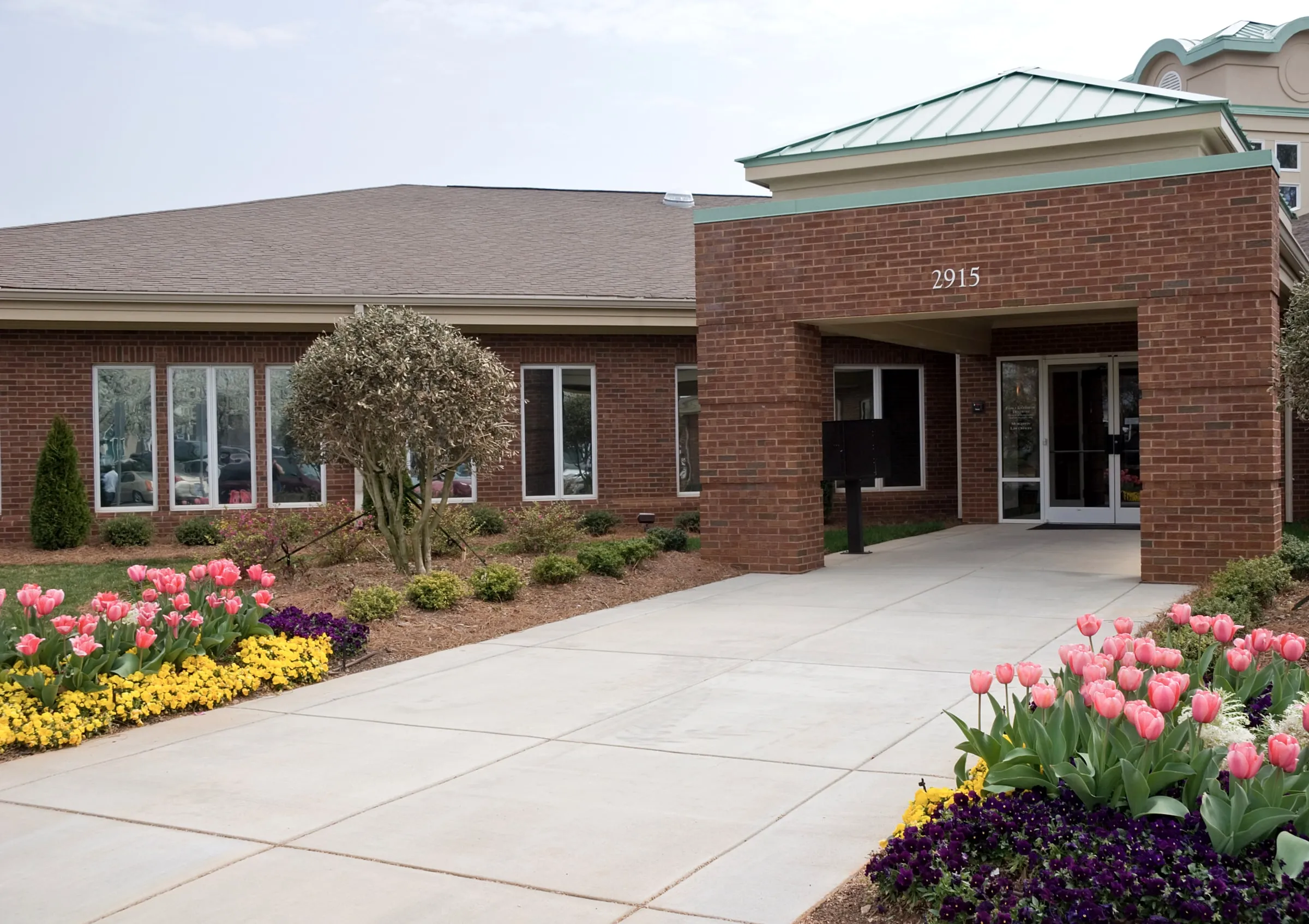
Medical office buildings
An officer who understands a waiting room is not a lobby, and that the patient walking slowly to her car after dark is the reason the lot gets watched.
Learn more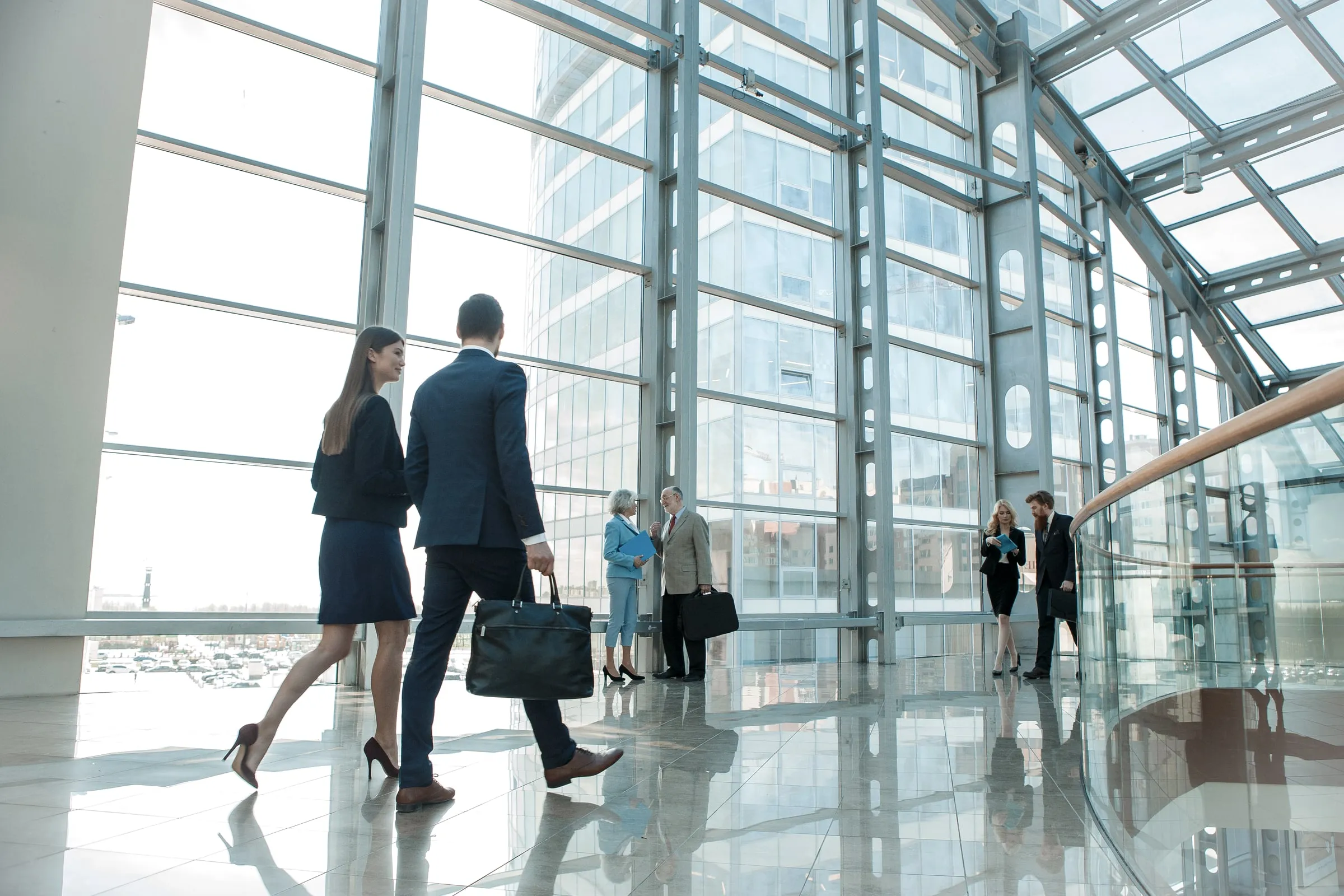
Office buildings
A lobby officer who knows the tenants by sight and logs every visitor, contractor and after-hours badge that comes through the door.
Learn more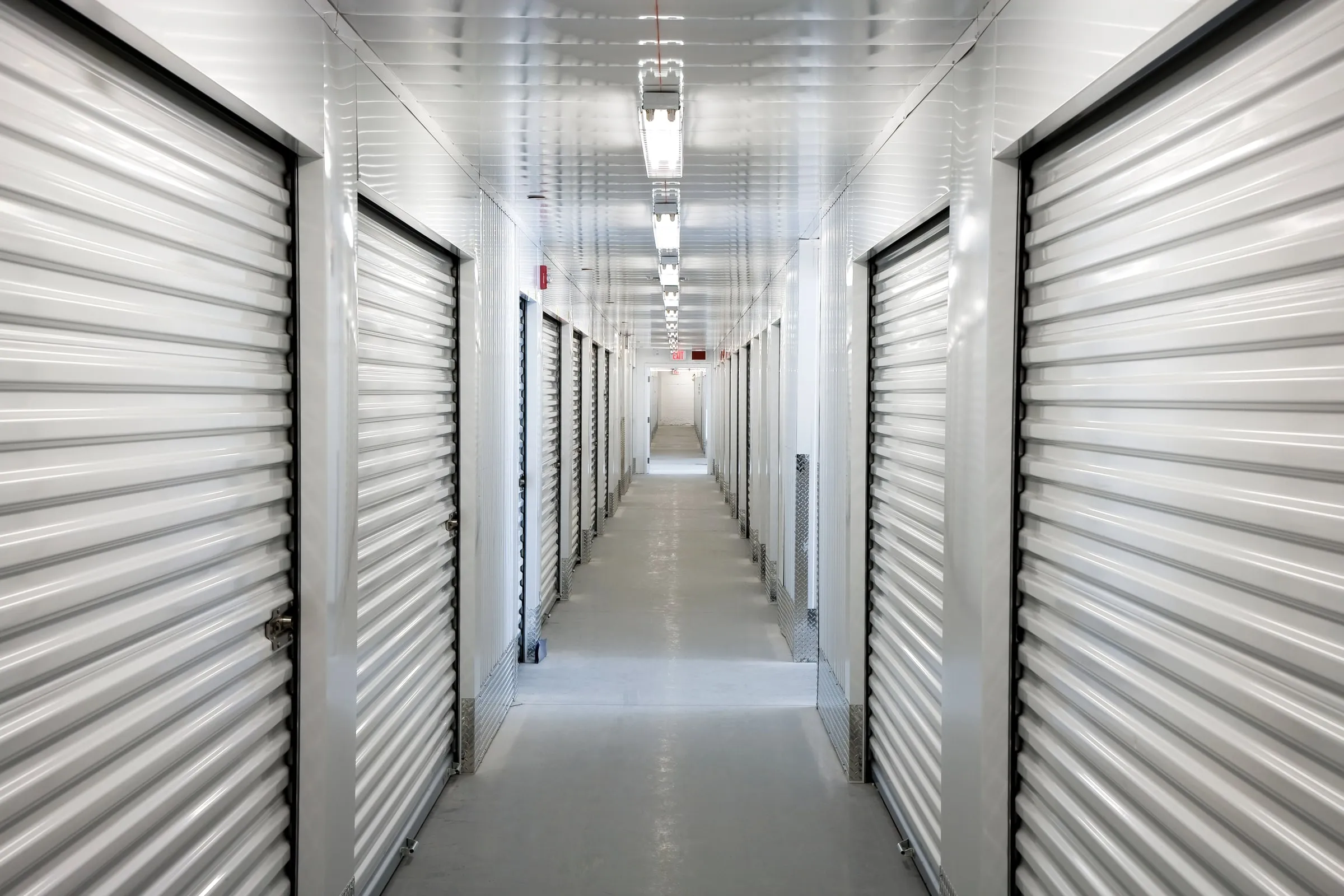
Self-storage facilities
A round through the rows and corridors a keypad never walks, because a gate code controls who gets in, not what happens once they are inside.
Learn more
How we work here
The services this industry uses.
- Unarmed security guards
Office and commercial posts are almost always unarmed: a lobby officer in a blazer or a plain uniform, a garage patrol, an after-hours desk. The officer's manner is part of the building's presentation, and officers on these posts are chosen for it.
- Access control
After the receptionist leaves, the officer runs the lobby: visitor sign-in, tenant credential checks, contractor and cleaning crew logs, deliveries directed to the dock. During the day the officer supports the building's card system with the judgment a reader does not have.
- Vehicle patrol
Business parks and campuses with several buildings and surface lots use a vehicle round on varied routes, with the officer out at each entrance, dock and stairwell, and a check of lighting and gates on every pass.
- Camera monitoring
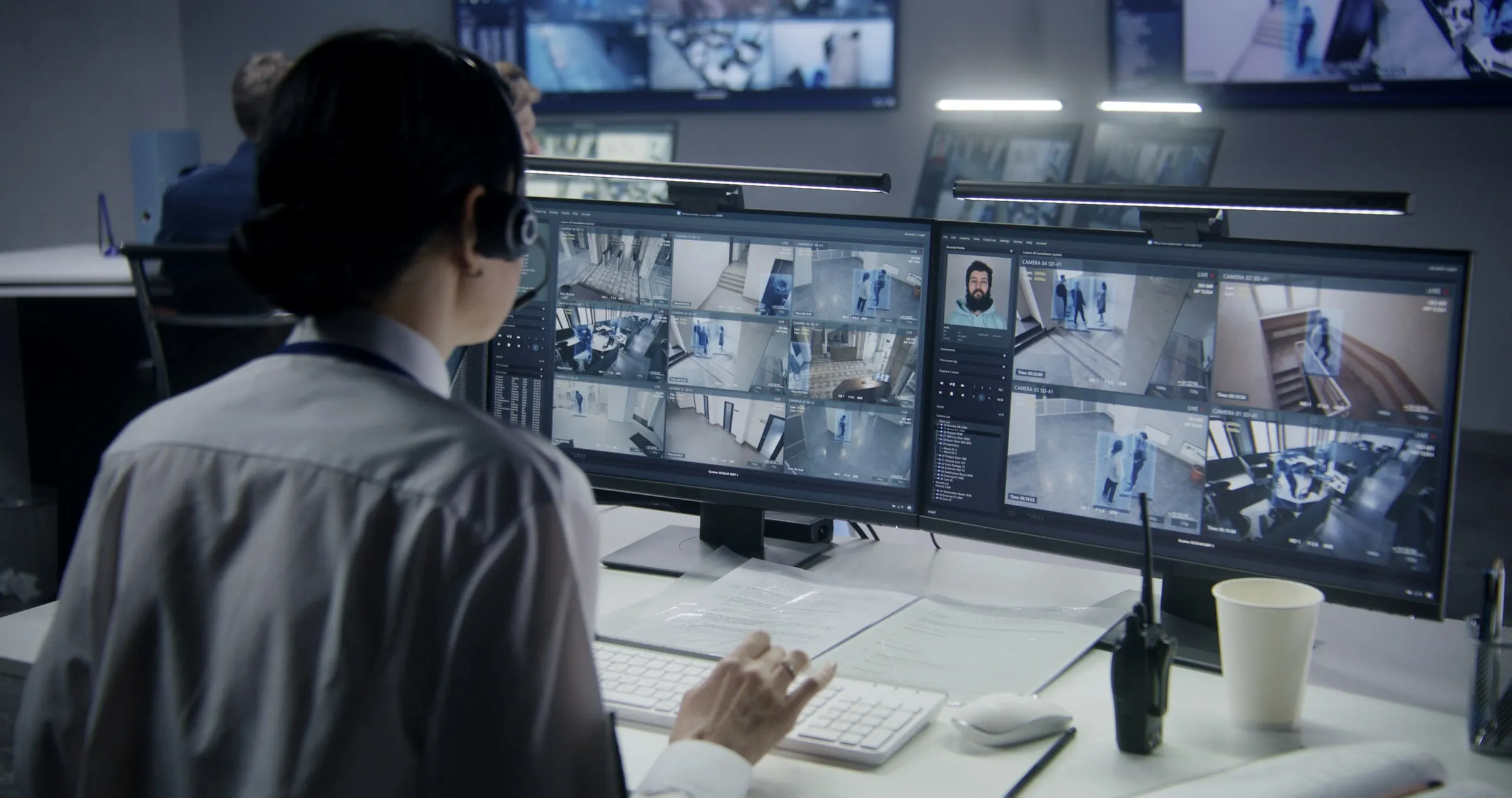
Most commercial buildings have cameras nobody watches after hours. The lobby officer watches them between rounds and uses them to direct the next round, so a person in the garage at midnight gets a response rather than a recording.
- Incident reporting
The daily report lists visitors, contractors, cleaning crews, rounds, doors found open, dock activity, maintenance findings and incidents with times, and it reaches the property manager before the office opens.
How we work with commercial property
Commercial engagements begin with the property manager, and sometimes with a tenant who has asked the property manager for more. Dispatch takes the building’s address and size, the hours the management office and reception keep, whether the building has a garage and a dock, the card system in use and the problem that prompted the call. A supervisor walks the building: the lobby, the elevator banks, the garage levels, the dock, the stairwells, the roof door, the lighting in the lot. The post orders describe the desk procedure, the rounds, the after-hours access rules for tenants and vendors, and the escalation list, and they are agreed with the property manager before the first shift.
Where the post sits
Most office buildings need one of two things or both: a person at the desk in the hours the receptionist is gone, and a person moving through the garage and the building in the hours nobody else is. Towers with a 24-hour desk run a fixed post and add a roving officer overnight. Mid-rises run an evening desk that becomes a patrol after the last tenant leaves. Business parks and campuses run a vehicle patrol across buildings and lots with a fixed post only where a lobby demands it. The lobby officer vs roving officer article works through the choice.
The after-hours building
Cleaning crews arrive at six, contractors work at night to avoid tenants, late workers leave through the garage alone, and a loading dock stays open for a delivery that is running late. The officer’s rounds are timed to those movements, and the log records them: who came in, when, where they went. Doors found propped are closed and noted; a person in the garage who does not belong is asked what they need; a tenant who has locked themselves out is helped by the building’s procedure and not by the officer’s guess.
What the manager gets, and the tenant sees
The property manager receives a daily report and, when something happens, an incident report with the camera references, the same day. The tenant sees an officer who knows the building, greets their people by name, and handles the odd visitor without a scene. Both are why commercial clients renew. The pages below cover the building types Price Protection sees most, from towers and campuses to self-storage and call centers.
Reporting
A written report, every day.
Every client receives a daily report, and officer performance is reviewed and documented daily. Post orders for this industry are written with the property manager before the first shift.
- 24/7
- Dispatch and guards, every day of the year
- 2019
- Providing armed security in Houston since
- 25+
- Communities and businesses on the client wall
- Daily
- A written report to every client
Do you provide lobby officers for office buildings?
Yes. Lobby and concierge posts are a common commercial assignment: a uniformed or blazer-dressed officer at the desk during the hours the building sets, handling visitors, deliveries, tenant questions and after-hours access, with rounds through the building and garage between.
Can one officer cover a building and its garage?
In a mid-rise with a small garage, often yes, with rounds through the garage on a set interval between desk duties. A large garage or a campus with several buildings usually needs a patrol post as well; the walk-through settles it.
How do you handle cleaning crews and contractors after hours?
By the building's rules, written into the post orders: who is approved, which floors they may access, whether they sign in, and who to call if a crew that is not on the list turns up. Every entry and exit is logged.
Do you staff small professional buildings, not just towers?
Yes. Medical office buildings, law offices, call centers, self-storage facilities and single-tenant buildings all appear on the pages below, with posts sized to the building rather than to a tower.
What does the property manager receive?
A written report every day and an incident report the same day anything happens, with camera references where the building has cameras. Officer performance is reviewed against the report daily.
Related pages
Service areas
Insights
Request a proposal
Request a proposal for commercial & office.
Two short steps. Dispatch reviews every request and calls you back about coverage. For urgent unarmed coverage we can typically staff most sites within hours.
24-hour dispatch
(281) 326-9189