
Security Guards for Law and Professional Offices
An officer who knows a client meeting from a walk-in that should not have made it past reception, in a suite built for confidentiality, not confrontation.
Request a proposalThe situation
What a law or professional office deals with beyond routine reception
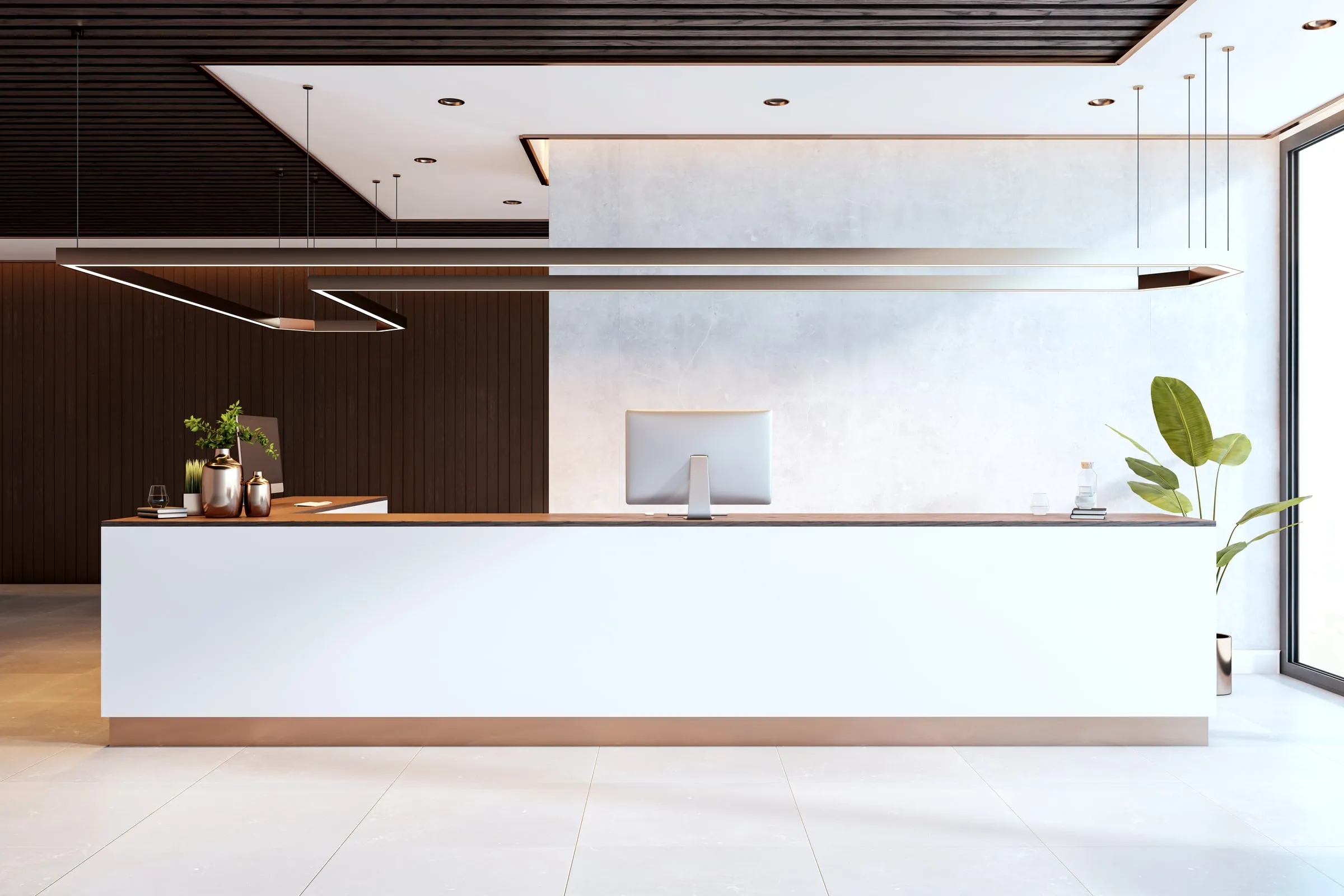
A waiting room built for confidentiality, not confrontation
A law firm's reception is designed around client privacy, quiet meeting rooms and controlled document access, not around handling a person who arrives angry, whether that is an opposing party, a process server or a client receiving bad news.
The visitor who should not be there
Family law, litigation and collections practices in particular deal with people who have a personal stake in the outcome of a case, and an estranged spouse, a disgruntled former client or an opposing party showing up unannounced is a different risk than a typical office's walk-in.
After hours means an empty suite with active files
Attorneys and staff working late on a filing deadline are often alone in a suite that closes to the rest of the building's foot traffic, with case files and often a small number of people aware that anyone is even still there.
Multiple small tenants share one lobby
A professional office building often holds several independent firms on shared floors, and a visitor buzzed in for one firm has physical access to the corridor outside every other one, whether or not that access was ever intended.
A waiting room built for confidentiality
A law firm’s reception area is designed around client privacy: quiet meeting rooms, a desk that controls who moves past it, and staff trained for scheduling and client service rather than for a person who arrives upset. That design works well for its intended purpose and poorly for the moment it was never built to handle, whether that is an opposing party in a litigation matter or a family member receiving unwelcome news about a case. Price Protection’s post orders are written from the firm’s own practice areas, since a collections practice and an estate planning practice see very different visitors.
The visitor who should not be there
Family law, litigation and collections work in particular bring people to a firm’s door who have a direct personal stake in a case’s outcome, and an estranged spouse, a disgruntled former client or an opposing party showing up unannounced is a meaningfully different situation than a typical office’s occasional walk-in. Where a firm has identified specific individuals who should not be admitted without prior approval, that instruction becomes part of the post orders exactly as given, and the officer’s role is to follow it consistently rather than make a judgment call in the moment.
After hours and the file room
Attorneys working late on a filing deadline are often the only people in a suite that has otherwise emptied for the day, and a floor with several independent firms means an unlocked shared entrance can expose more than the one firm actually working late. The officer confirms with attorneys staying past normal hours whether they expect to be alone, secures the suite and building entrance behind the last scheduled departure, and treats an unexpected door left unlocked as something to check rather than assume is fine.
Working with office administrators
The daily report goes to the firm’s office administrator rather than to any single attorney, giving one point of contact a record of visitors, flagged meetings and after-hours activity across the whole office. For a firm occupying multiple floors or suites in the same building, that consistent reporting makes it possible to see a pattern, a particular visitor who has shown up more than once, a meeting type that consistently runs into conflict, that an individual attorney handling their own calendar would not otherwise notice.
Starting a post
To begin, dispatch needs the office’s address, its hours and any evening work patterns, a list of practice areas and any individuals flagged for restricted access, and the office administrator’s contact for scheduling high-conflict meetings in advance. An unarmed officer can typically start within hours of a signed proposal, with post orders refined as the firm identifies which meetings and visitors need advance notice.
How we cover it
Every service, applied to this post.
- Unarmed security guards
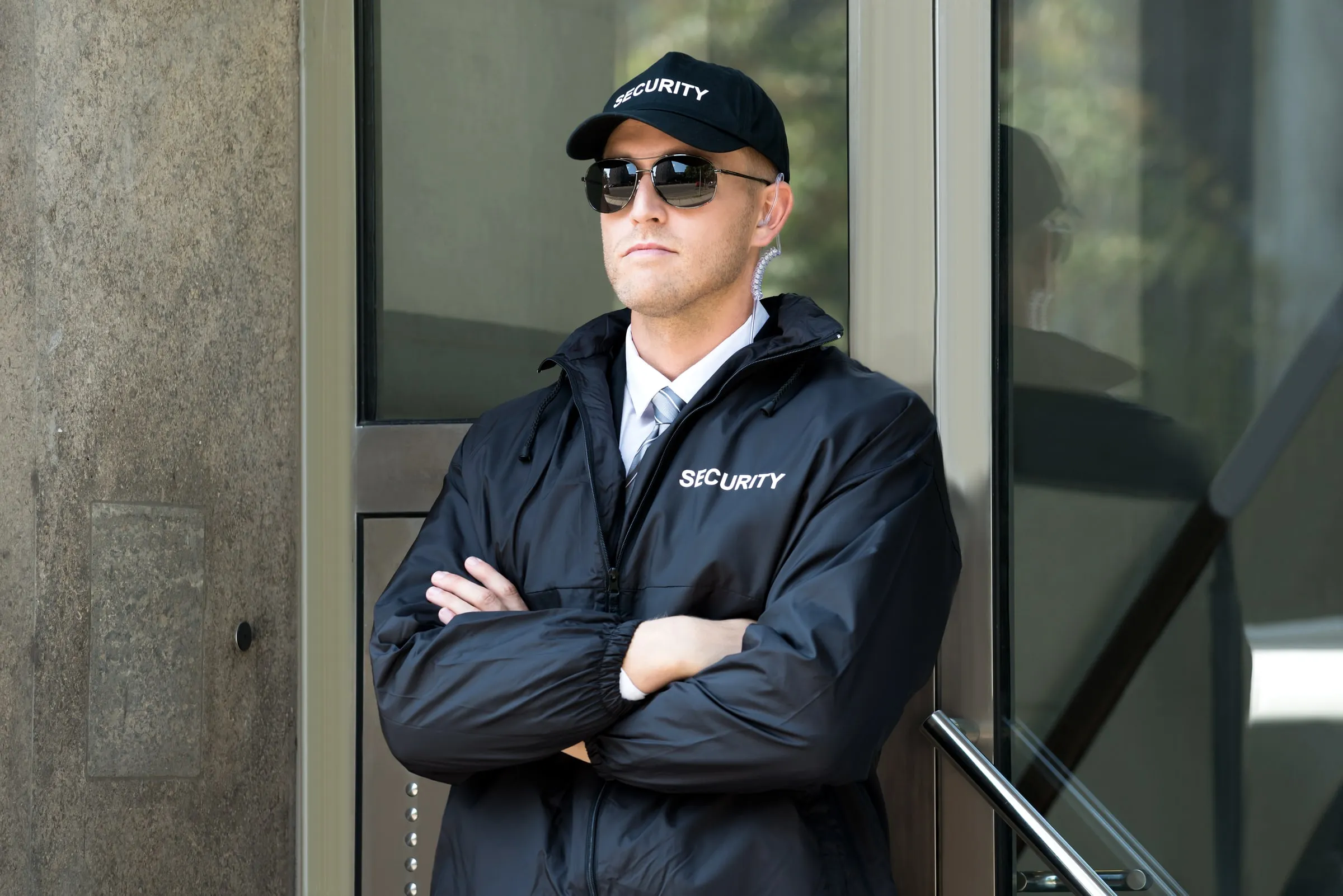
An unarmed officer at the reception desk or building entrance checks visitors against a scheduled appointment list, escorts a visitor to the correct suite rather than releasing them into a shared corridor, and is present for a meeting flagged in advance as high-conflict.
- Access control
The officer manages entry to the suite itself during business hours and secures it after hours, coordinating with the firm's own key or badge system so a visitor's access matches exactly the firm and floor they are there to see.
- Camera monitoring
Where the office or the building owns lobby and corridor cameras, the officer monitors them and can pull footage if a firm reports an unauthorized visitor or a document left in a common area.
- Incident reporting
The daily report lists scheduled and walk-in visitors, any flagged or high-conflict meeting and how it was handled, and after-hours access by attorneys or staff, delivered to the office administrator.
A typical post
What a shift looks like here.
The daytime officer works the reception desk or the shared building lobby, checking arrivals against the day's scheduled appointments and confirming with the relevant attorney or paralegal before directing an unscheduled visitor further into the office.
A meeting flagged in advance as high-conflict, a deposition, a mediation, or a family law matter involving both parties, is staffed with the officer positioned near the meeting room rather than at the front desk alone, present specifically for the duration of that meeting.
Process servers and unannounced visitors are handled by policy rather than instinct: the officer confirms who they are there to see, and where the firm has instructed that certain individuals not be admitted without prior approval, that instruction is followed exactly and logged.
As the office empties for the evening, the officer confirms with attorneys working late whether they expect to be alone in the suite, secures the entrance behind the last scheduled departure, and closes the shift with a report noting anything the administrator should know.
Reporting
What the daily report covers here
Every client receives a written report each day, and officer performance is reviewed and documented daily. This is what the report records on this kind of post.
- Scheduled and walk-in visitors, with the attorney or department they saw
- High-conflict meetings staffed, with the outcome
- Process servers and unannounced visitors, with how each was handled
- After-hours access by attorneys or staff, with times
- Suite or corridor doors found unsecured after hours
- Anything a firm flagged in advance for the officer to watch for
Questions
About law and professional offices coverage.
Anything else? Call dispatch at (281) 326-9189.
Can an officer be present specifically for a high-conflict meeting?
Yes. A firm can flag a deposition, mediation or family law meeting in advance, and the officer is positioned near the meeting room for its duration rather than only working the general reception desk that day.
How do you handle a process server or an unannounced visitor?
The officer confirms who the visitor is there to see before allowing further access, and follows any specific instruction a firm has given about individuals who should not be admitted without prior approval, logging the visit either way.
Does coverage protect the neighboring firms sharing the same floor?
Where the building or an individual firm contracts for it, yes, since a visitor buzzed in for one firm has physical access to the shared corridor outside every other suite on that floor, and the post orders account for that.
Can coverage be limited to specific hours, such as evenings before a filing deadline?
Yes. Many firms only need coverage during predictable high-exposure periods, such as evenings when staff are working late on a deadline, rather than a full-time post, and the proposal can be scoped to those hours.
Do officers see confidential case materials?
No. The officer's role is physical access and presence at the reception and meeting areas, not document handling, and post orders are written to keep the officer out of case files and confidential work product entirely.
Related pages
Industries we serve
Service areas
Insights
Glossary
Request a proposal
Request a proposal for law and professional offices.
Two short steps. Dispatch reviews every request and calls you back about coverage. For urgent unarmed coverage we can typically staff most sites within hours.
24-hour dispatch
(281) 326-9189