
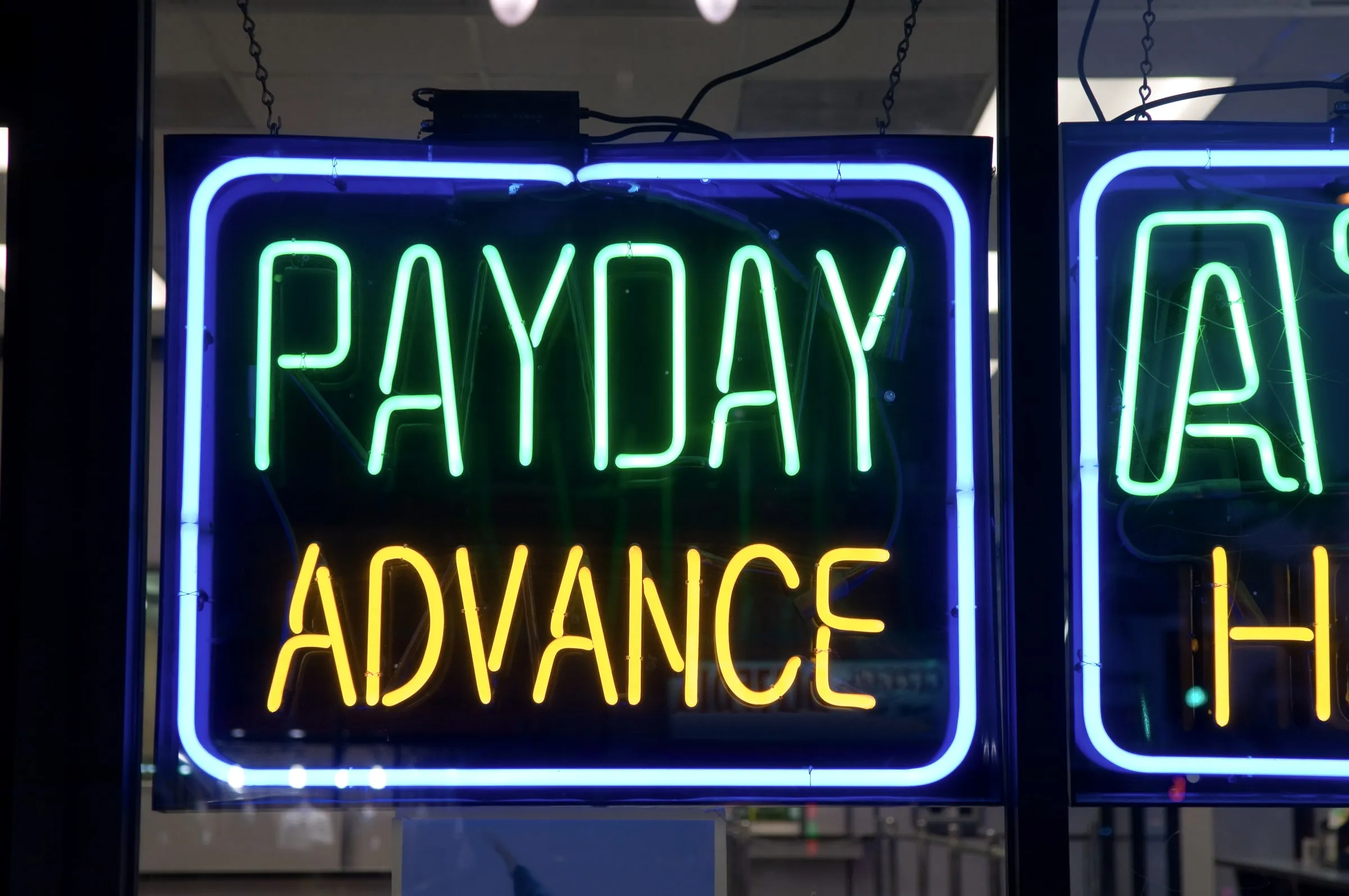
Security Guards for Check Cashing and Lending Offices
A visible officer at the counter of a business that keeps cash on hand by design, in a storefront built with one door and thin sightlines to the street.
Request a proposalThe situation
What a cash-on-hand storefront deals with that a typical retailer does not
Cash on hand changes the risk
A check cashing or payday lending storefront keeps more cash accessible at the counter, by the nature of the business, than most retail operations do, and that alone makes it a different kind of target than a shop selling merchandise.
A storefront with one door and thin sightlines
These businesses are frequently small strip-center units with a single entrance, limited street visibility and a counter set back from the window, a layout that gives an officer or an employee little warning before someone is already at the register.
Distressed customers arrive at their worst moment
A customer at a payday lender or title loan counter is often there because of a financial emergency, and frustration over a declined application or a fee can escalate faster at this counter than at a business where the transaction is not tied to someone's immediate financial stress.
Closing means moving cash out of the register
End-of-day procedures involve counting and securing cash on site or preparing it for pickup, and that routine, if it happens the same way at the same time every night, is also the most predictable moment in the business's day.
Cash on hand changes the risk
A check cashing or payday lending storefront keeps cash accessible at the counter in a way most retail businesses do not, simply because the transaction itself is cash-based. That single fact changes what the business needs from a security post: less about protecting merchandise on shelves and more about a visible deterrent at the point where cash actually changes hands, and a calm, trained response if a robbery attempt or a customer dispute happens at that counter. Price Protection writes the post orders around the store’s cash handling routine and its owner’s own policy, armed or unarmed, rather than a generic retail template.
A storefront with one door and thin sightlines
These businesses are often compact strip-center units: a single entrance, limited visibility to the parking lot or street, and a counter set back far enough that staff have little warning before a customer is already at the register. That layout limits how much a camera at the door alone can do, since the time between someone entering and reaching the counter is short. An officer positioned to see the entrance from inside gives the business the warning the layout itself does not provide.
Distressed customers at the counter
Customers at a payday lender or title loan counter are frequently there because of a financial emergency, and a declined application, a fee, or simply the stress of the visit itself can escalate faster here than at a counter where the transaction is not tied to someone’s immediate financial pressure. The officer’s role in these moments is de-escalation first: staying close enough to step in without raising the tension further, since most disputes at this kind of counter resolve on their own once the customer feels heard rather than confronted.
Working with the store manager
The daily report gives the owner or manager a record of customer incidents, closing observations and anything unusual at the entrance, separate from the transaction log the business already keeps for its cash handling. For a business with more than one location, that same report format lets an owner compare incident patterns across storefronts rather than relying on each manager’s own account of what happened that week.
Starting coverage
To begin, dispatch needs the store’s address, the hours coverage is wanted, whether the owner wants an armed or unarmed post, and the store’s own cash handling and closing procedure. An officer can typically start within hours of a signed proposal, with post orders written from the store’s actual layout and routine rather than a standard template.
How we cover it
Every service, applied to this post.
- Unarmed security guards
An unarmed officer positioned near the entrance or the counter is visible to anyone walking in before they reach the register, which changes the calculation for a would-be robbery target far more than a camera alone does.
- Armed security guards
Where the owner has decided on an armed presence given the cash the business holds, a commissioned officer works the counter or entrance under post orders that keep observe, deter and report as the default, positioned as the store prefers.
- Camera monitoring
The officer monitors the store's own counter and entrance cameras during the shift, which supports a faster response to anything the storefront's single sightline would otherwise miss until it was already at the register.
- Incident reporting
The daily report covers customer incidents, closing procedures observed, and anything unusual at the entrance during the day, giving the owner a record independent of the transaction log the business already keeps.
A typical post
What a shift looks like here.
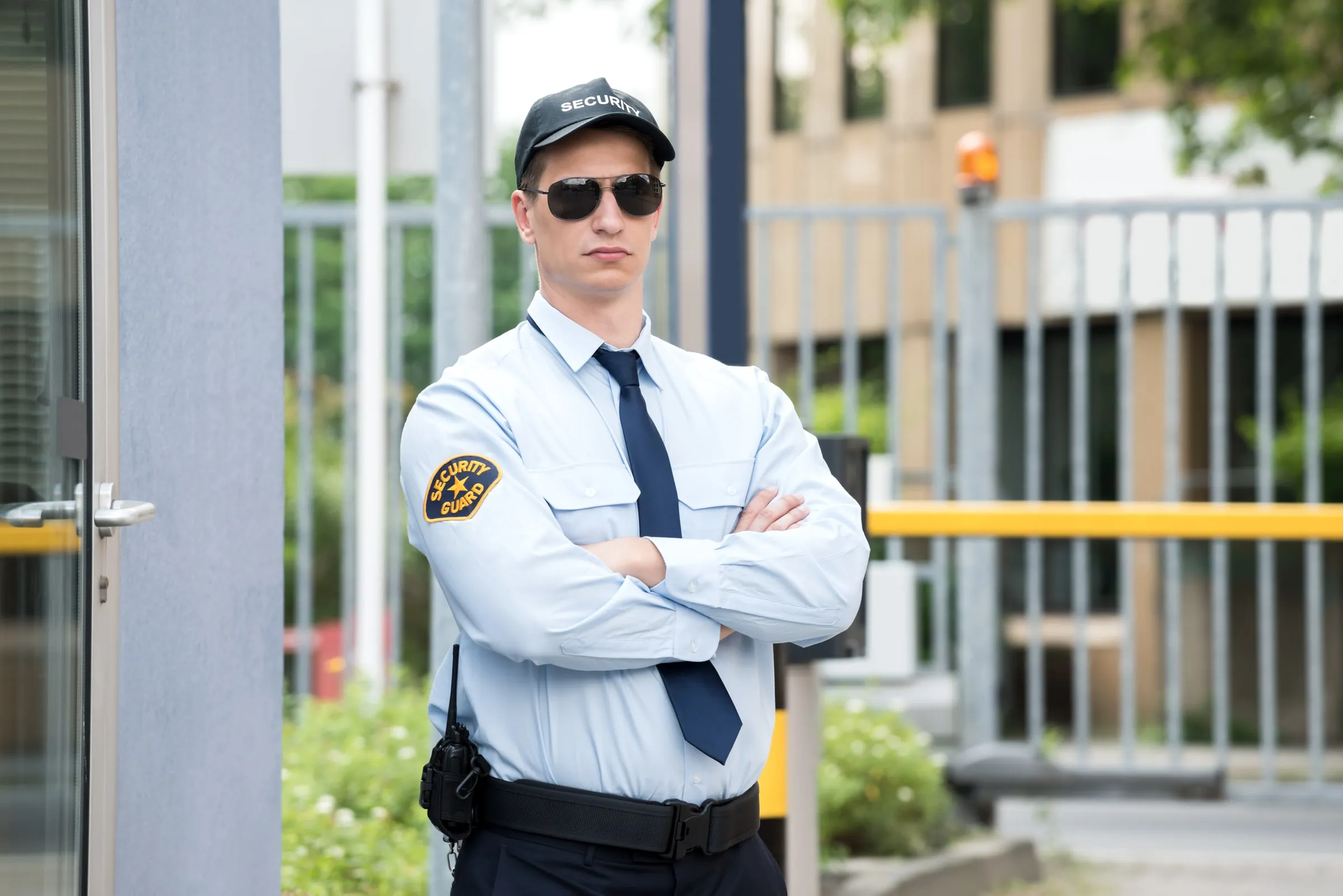
The officer is positioned to see the entrance from inside the store for the duration of business hours, present without standing over the counter, so a customer walking in is visible before reaching the register rather than only after.
Through the day the officer watches for the pattern that precedes most incidents at this kind of storefront: someone loitering near the entrance without transacting, a person who has visited and left more than once in a short window, or a customer whose frustration at the counter is building rather than resolving.
A distressed customer dispute is handled with a calm, low-key approach, the officer stepping in only enough to de-escalate and protect staff, since raising the tension at a counter already dealing with someone's financial stress tends to make the situation worse rather than better.
At closing, the officer is present through the cash count and secures the door behind the last employee to leave, since this predictable end-of-day routine is the moment the business is most exposed and the one most worth having a second set of eyes on.
Reporting
What the daily report covers here
Every client receives a written report each day, and officer performance is reviewed and documented daily. This is what the report records on this kind of post.
- Customer incidents at the counter, with the outcome
- Loitering or repeat visits near the entrance, with times
- Closing procedure observed, with the time staff left
- Cash pickup coordination, where the store uses an armored service
- Camera or alarm issues found and reported to the owner
- Anything unusual at the entrance during business hours
Armed or unarmed for a check cashing storefront?
Many owners choose an armed post given the cash the business holds, while others start unarmed and reassess; the company advises on the option that fits the store's layout and cash policy, and the owner decides.
How does an officer help with a frustrated customer at the counter?
The officer stays close enough to step in calmly if a dispute escalates, without inserting themselves into every transaction. Most visits need no intervention at all; the presence itself is what changes how a tense counter conversation tends to go.
Can coverage be limited to closing time only?
Yes. Some storefronts only want coverage for the cash count and closing routine rather than the full business day, and the proposal can be scoped to that narrower window if that is where the owner sees the most exposure.
Do you coordinate with an armored cash pickup service?
The officer can observe a scheduled pickup and log the time, supporting the store's own procedure without directing the transport crew, similar to how the post works with an armored service at any cash-handling business.
What happens if someone loiters near the entrance without entering?
The officer notes the behavior and, where appropriate, engages the person to ask if they need assistance, which resolves most loitering without confrontation and gives the officer a closer look at anyone with other intentions.
Related pages
Industries we serve
Service areas
Insights
Answers
Glossary
Request a proposal
Request a proposal for check cashing and lenders.
Two short steps. Dispatch reviews every request and calls you back about coverage. For urgent unarmed coverage we can typically staff most sites within hours.
24-hour dispatch
(281) 326-9189