
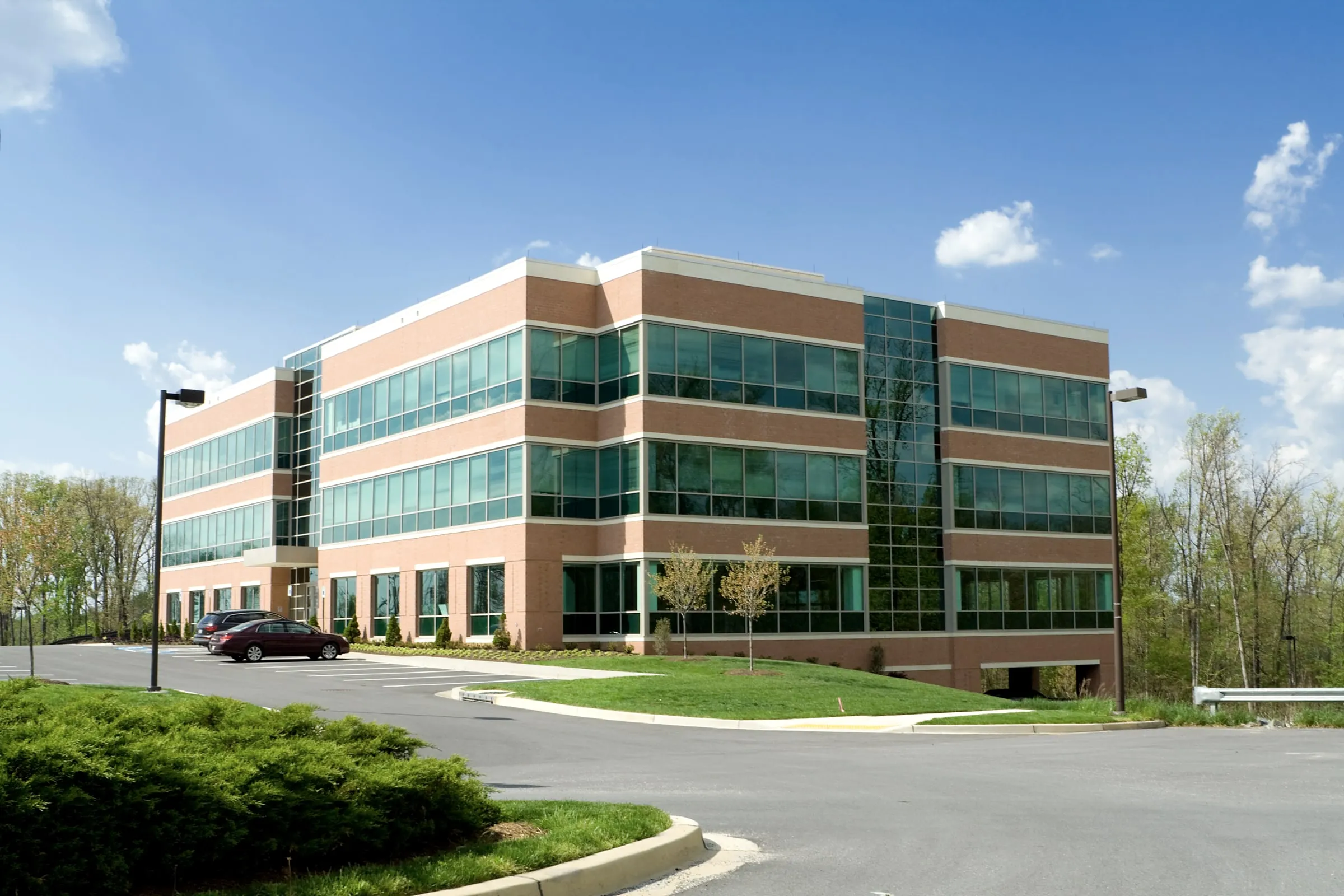
Security Guards for Corporate Campuses
One team that covers the gate, the visitor center and every building on the property, instead of a separate arrangement for each address.
Request a proposalThe situation
What a multi-building campus deals with that one office tower does not
One address hides several buildings
A campus badge or a guest pass that opens the visitor center does not automatically make sense of which of six buildings a contractor is actually headed to, and a single fixed post at the main entrance cannot see what happens at a building three roads away.
The perimeter is longer than the fence line suggests
A campus often mixes fenced sections with open landscaped edges along a public road, several vehicle gates instead of one, and pedestrian paths connecting to a garage or a transit stop, all of which need to be covered by the same post orders.
Executive visits change the plan for a day
A board meeting, a site visit from a client or an executive's travel schedule can call for tighter access at specific buildings or entrances for a single day, without disrupting the badge access every other employee relies on.
Facilities, catering and shuttle vendors move constantly
A campus supports its own cafeteria, fitness center, landscaping crew and often a shuttle between parking and buildings, each with vendors and staff who need consistent access without becoming a daily judgment call for whoever is on the gate.
One address, several buildings
A corporate campus is one property on paper and several buildings in practice, and post orders written for a single lobby do not answer what happens at the building across the parking structure. Price Protection builds the post around the campus as a whole: a visitor center and gate presence that checks arrivals against a list naming which building they are actually headed to, and coverage that follows employees and contractors between buildings rather than assuming a badge that opens the front gate explains where someone ends up.
The perimeter and the visitor center
Campus perimeters mix fenced sections with open landscaped edges, several vehicle gates instead of a single entrance, and pedestrian paths that connect to transit stops or shared parking. The visitor center is usually the first stop for anyone without a standing badge, and the officer there issues a visitor pass tied to a specific building and host rather than a general campus credential, so a guest’s access matches exactly where they are supposed to be and nowhere else.
Executive visits and board days
A board meeting or a site visit from a client can call for tighter access at one building without changing anything for the rest of the campus. Facilities provides a specific list for the day, the officer at that building’s entrance works from it, and every other gate and building on campus continues under its normal post orders. The arrangement is written once and reused for the next event day, rather than rebuilt from scratch each time leadership schedules something on short notice.
Coordinating with facilities across campus
A campus supports its own cafeteria, fitness center, landscaping and often a shuttle between parking and buildings, and each of those brings vendors and staff who need consistent, repeatable access rather than a different judgment call at every gate. The officer works from a standing vendor list facilities maintains, and updates flow through facilities the same way an employee badge change would, so a catering delivery at building three is handled the same way it was handled the week before.
Starting a campus post
To begin, dispatch needs a site map naming each building and gate, the current visitor and vendor access lists, the hours each entrance operates, and a facilities contact for building-specific requests. Coverage typically starts with the visitor center and primary gates within days of a signed proposal, with patrol routes and building-specific post orders added as the officers learn the property.
How we cover it
Every service, applied to this post.
- Unarmed security guards
Unarmed officers staff the visitor center and the primary vehicle gates, checking guest and contractor arrivals against the day's list, issuing visitor badges tied to the specific building being visited, and directing traffic to the right lot or dock.
- Access control
The officer manages badge exceptions across every building on campus rather than one address, coordinates with facilities when a specific building needs tighter access for a meeting or event, and confirms after-hours entry against the campus's standing list.
- Vehicle patrol
A patrol vehicle covers the roads between buildings, the parking structures and the fence line on a set round, watching for tailgating at a gate, an unlocked vehicle entrance, or a landscaping crew working past its scheduled hours.
- Camera monitoring
Where campus buildings share a security operations room, officers monitor gate, lobby and garage cameras across the property from one point, cutting the time between an incident at one building and a response reaching it.
- Incident reporting
The daily report covers the whole campus rather than a single lobby: visitor and contractor traffic by building, gate activity, patrol findings and anything facilities needs to act on before the next business day.
A typical post
What a shift looks like here.
The morning shift stages the visitor center and the main gates ahead of the employee commute, confirms the day's scheduled visitors and any building-specific access changes with facilities, and works the badge and guest traffic as employees and contractors arrive across several entrances at once rather than one.
Through the day a patrol vehicle runs the loop between buildings, the fitness center, the cafeteria delivery dock and the parking structures, catching what a fixed gate post cannot: a service door propped at a building on the far side of campus, a contractor vehicle parked somewhere it should not be.
An executive visit or a board day shifts the plan for that shift only: the officer works from a tighter access list for the specific building involved, coordinates with facilities on which entrances are affected, and returns to standard coverage once the event ends, without changing access for the rest of campus.
As buildings empty in the evening, the gates move to a reduced list, the patrol vehicle checks that each building's exterior doors are secured, and the shift closes with a campus-wide report rather than a single building's account of the day.

Reporting
What the daily report covers here
Every client receives a written report each day, and officer performance is reviewed and documented daily. This is what the report records on this kind of post.
- Visitor and contractor traffic, by building and by gate
- Badge exceptions and after-hours access, across all buildings
- Patrol rounds of the perimeter, parking structures and building exteriors
- Executive or event-day access changes and the buildings affected
- Vendor and facilities crew access outside standard hours
- Doors or gates found open or unsecured, with the building and time
Does one contract cover every building on the campus?
Yes. The proposal is written for the campus as a single property, with post orders that name each building, gate and vehicle entrance rather than treating the site as several separate contracts to coordinate.
How do you handle a badge that works at one building but not another?
The officer checks the visitor or employee against the campus-wide access list rather than a single building's roster, and routes a mismatched badge to facilities to correct rather than turning the person away without explanation.
Can security be tightened for a single building during a board meeting?
Yes. Facilities provides a specific access list for the meeting, the officer works from it for that building only, and coverage returns to the standard campus list once the meeting ends, without affecting other buildings' access.
Do you patrol the grounds or only staff the gates?
Both. A patrol vehicle runs the roads and parking structures between buildings on a set round throughout the day, since a campus's exposure is spread across the property, not concentrated at a single entrance.
How is coverage staffed for a campus with several vehicle gates?
Each active gate is staffed for the hours it operates, and gates used only during peak commute times can move to a reduced or unstaffed state with camera coverage during off-peak hours, based on what facilities wants for the property.
Related pages
Industries we serve
Services
Service areas
Insights
Glossary
Request a proposal
Request a proposal for corporate campuses.
Two short steps. Dispatch reviews every request and calls you back about coverage. For urgent unarmed coverage we can typically staff most sites within hours.
24-hour dispatch
(281) 326-9189