
Security Guards for Pawn Shops
Cash, jewelry and firearms cross the same counter all day. We post an officer where the door and the showcases are both in view, open to close.
Request a proposalThe situation
What a pawn counter deals with
The counter is the whole business
Every transaction happens at one counter: a customer hands over a ring or a drill, the clerk names a figure, and cash changes hands. The figure is the argument. A customer who expected more, or who has come to redeem an item that has already been forfeited, is standing at the glass with the clerk on the other side.
Showcases full of small, valuable things
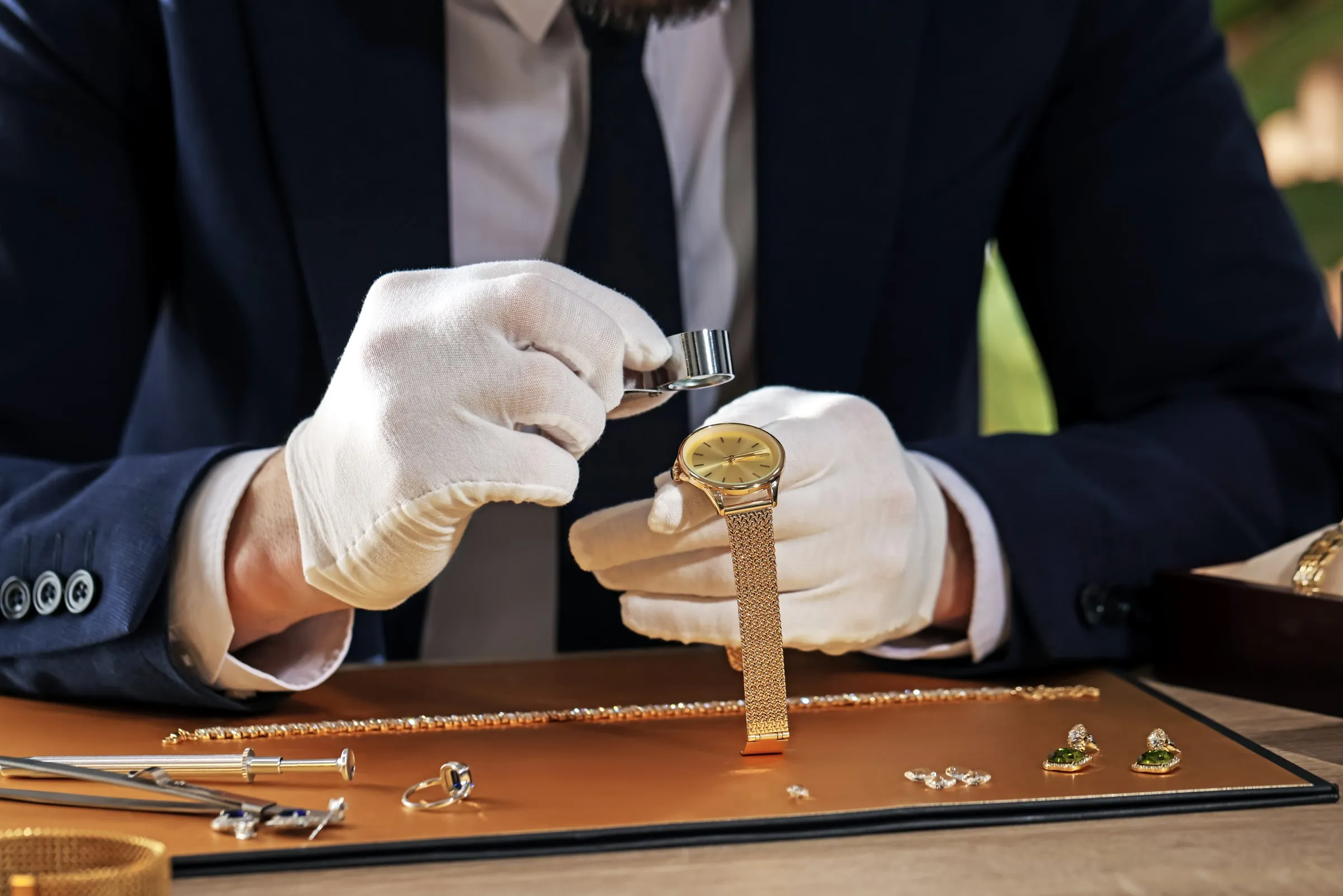
Gold, watches, diamond rings and handguns sit in glass cases a foot from the customer side. A distraction at one end of the counter while a case is open at the other is the oldest trick in the trade, and a single clerk cannot watch both ends.
Cash on hand, and known to be
A pawn shop pays out in cash and takes in cash all day, and everyone on the street knows it. Opening, when the safe is unlocked and the cases are filled, and closing, when the day's take is counted, are the two moments the store is most exposed.
Property disputes at the glass
A customer who recognizes something in a case as theirs, relatives disputing who had the right to pawn an item, a police hold on merchandise: these are the manager's to resolve, and they get loud. Staff need room to follow the process without being pressed at the counter.
A store where the customer is also the supplier
Retail security usually means watching what leaves the store. A pawn shop is different: value comes in over the counter as well as going out, in cash and in kind, and the person bringing it may have found it, inherited it, or taken it from somewhere it should not have left. That gives the officer’s job a particular shape. The post is not an exit door. It is the counter, and the officer’s attention is on the transaction: the customer’s hands, the case that is open, the second person who came in with the customer and has drifted toward the jewelry end.
We write pawn shop post orders around the store’s own procedures: how items are received and tagged, which cases are opened by which staff, the store’s rules for showing a firearm to a customer, the buzzer door if there is one, and the opening and closing sequence. The officer does not appraise, handle merchandise or touch the register. The officer makes it possible for the clerk to do those things without watching the door at the same time.
Firearms on the floor
Pawn shops that take firearms in pawn or sell them from the case keep them under the store’s federal license and its own handling rules. From the officer’s side, a firearm on the counter is the moment of the transaction that needs the closest attention: the customer is holding it, the clerk is a foot away, and the door is behind them both. Post orders usually put the officer within a few steps of the counter whenever a firearm is out of the case, and in view of the entrance. A commissioned officer carrying on duty is the norm at these stores, which is the reason most owners ask for one.
Opening, closing and the lot
The sales floor is a controlled space once the door is locked; the danger is at the edges of the day. Post hours are set so the officer is on the sidewalk before the manager arrives, walks the front and the lot, and stands at the door while the safe is opened and the cases are stocked. At the end of the day the sequence runs in reverse, with the officer at the door while staff clear the cases and count, and, where the store wants it, a walk to the cars afterward. Stores in strip centers along Bissonnet, Bellaire Boulevard and the Gulf Freeway ask for this most, because the lot is shared and busy right up to closing time.
Working with the manager
A pawn shop manager runs a loan book, a sales floor and a compliance file at once, and the officer’s report is written to fit into that. It names the disputes, the refusals, the police contacts and the opening and closing times, so the manager has a record of the day that does not depend on memory. Daily review of every officer’s performance is done against that report. The same small group of officers works the store, so they learn the regulars, the staff and the difference between a customer who is upset and a customer who is a problem.
Starting coverage
To set up a post, we need the address and the hours, whether the store deals in firearms, the layout of the counter and cases, whether there is a buzzer door or vestibule, and the store’s opening and closing procedure. An unarmed officer can usually be in place within hours if the store needs someone immediately; an armed post is scheduled as quickly as a commissioned officer can be assigned. The post orders are refined over the first week as the officer learns the staff and the regulars.
How we cover it
Every service, applied to this post.
- Armed security guards
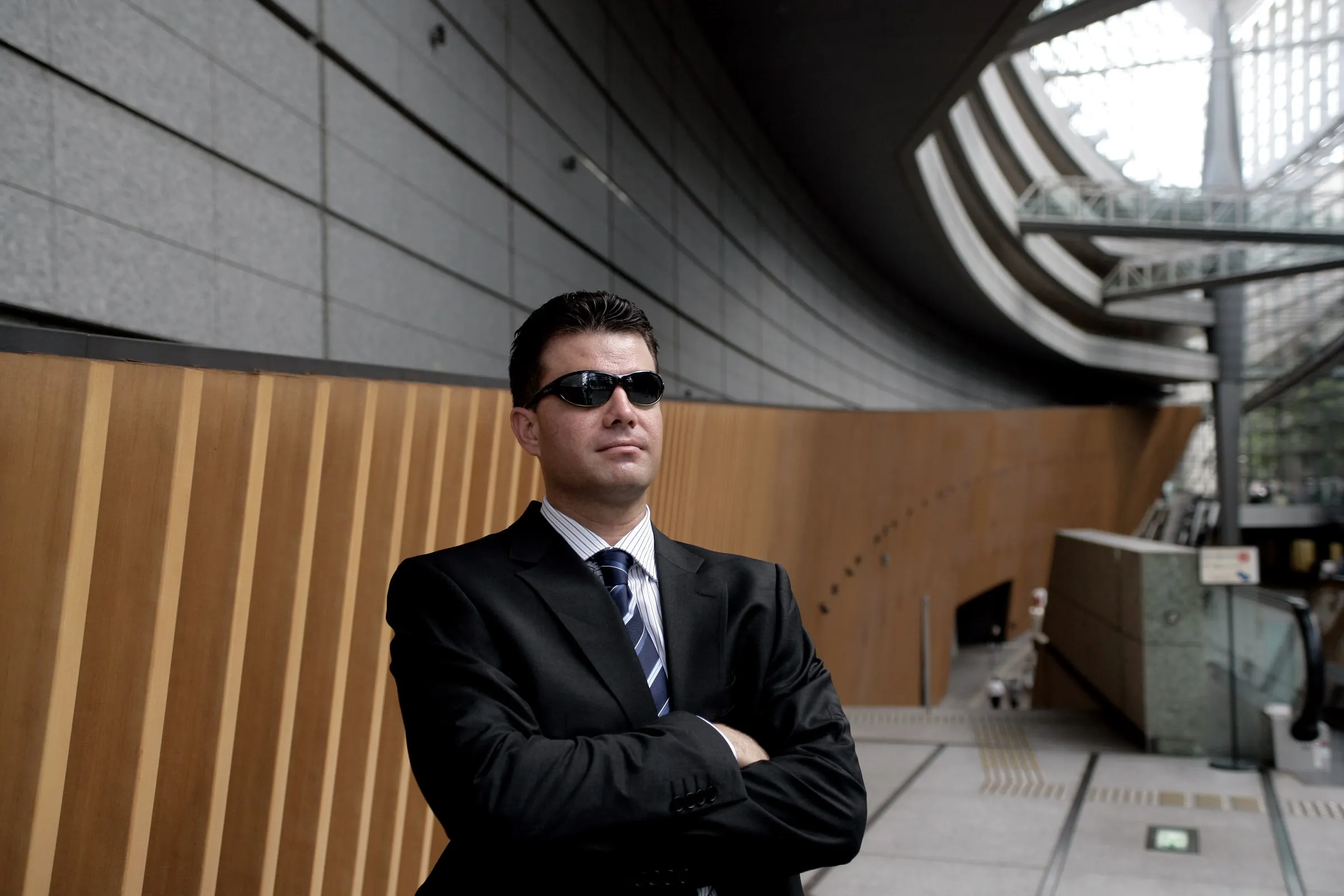
Most pawn shops choose a Level III commissioned officer, in uniform, inside the store. The officer stands between the entrance and the counter, greets each customer, and is the first thing a person sees when they walk in with something to sell. The firearm is carried; the job is presence, observation and the call to police.
- Access control
Where the store uses a buzzer door or a vestibule, the officer works it, deciding with the clerk who is admitted when the store is busy, holding the door for a customer carrying a heavy item, and keeping a group from filling the floor while a single transaction is under way.
- Camera monitoring
Pawn shops usually have cameras on every case and on the counter. The officer uses the monitor to watch the end of the counter that is out of direct sight and to check the sidewalk before opening and after closing, and notes for the manager any clip worth saving.
- Incident reporting
Each day's report lists the customers turned away or asked to leave, disputes at the counter and how they ended, the opening and closing times with who was present, any police contact, and anything the officer saw on the sidewalk or in the lot that the owner should know about.
A typical post
What a shift looks like here.
The officer arrives before the manager unlocks, walks the front of the building and the lot, and waits at the door while the safe is opened and the cases are filled. Once the store is open the officer takes the position by the door and stays on the floor for the first hour, when customers who have been waiting outside come in together.
Midday is a stream of transactions. The officer watches the counter from the customer side, steps closer when a conversation about value goes up in volume, and gives the clerk room to say no. A customer who is asked to leave is walked to the door; a customer who will not go is a call to police, and the officer waits with them near the entrance.
At closing the officer clears the floor, checks the restroom and the back hallway, stands at the door while the cases are emptied and the safe is locked, and walks staff to their cars where the post orders call for it. The report is finished before the officer leaves the lot.
Reporting
What the daily report covers here
Every client receives a written report each day, and officer performance is reviewed and documented daily. This is what the report records on this kind of post.
- Opening and closing times, with the staff present and the sidewalk condition before the door was unlocked
- Counter disputes over loan value, redemption or forfeiture, and how each ended
- Customers refused entry or asked to leave, with the reason
- Showcase openings the officer covered, and any distraction attempt at the counter
- Police contact, holds and requests, with the time
- Loitering, vehicles and activity observed in the lot and on the sidewalk
Why do most pawn shops choose a commissioned officer?
Because the store holds cash and firearms on the same floor, and the people who plan a robbery know it. A Level III commissioned officer has completed the state course including firearms proficiency and is licensed to carry on duty. Some stores in quieter locations run an unarmed officer during the day and add an armed one for opening and closing; we advise after seeing the store.
Where does the officer stand in a small store?
Between the door and the counter, on the customer side, where every person who enters passes the officer and the whole counter is in view. In a store with a vestibule or buzzer door, the officer works the door. The position is set in the post orders and changes if the layout does.
Can the officer handle a customer who is angry about an offer?
The officer keeps the exchange calm and gives the clerk room; the offer itself is the store's business. If the customer refuses to leave or threatens staff, the officer calls police and keeps the person away from the counter and the cases until they arrive. Most of these conversations end with the customer walking out.
Do you cover the morning safe opening and the evening count?
Yes. Post hours are usually set to start before the store unlocks and end after the cases are cleared and the safe is locked, because those are the two points of the day when the most cash and inventory are out of the cases at once.
What happens when police put a hold on an item?
The hold is the manager's process. The officer's part is to keep the counter and the customer calm while it is explained, record the contact in the daily report, and note the agency and the time for the store's file.
Related pages
Industries we serve
Service areas
Insights
Answers
Request a proposal
Request a proposal for pawn shops.
Two short steps. Dispatch reviews every request and calls you back about coverage. For urgent unarmed coverage we can typically staff most sites within hours.
24-hour dispatch
(281) 326-9189