
Security Guards for Sporting Goods and Firearm Retailers
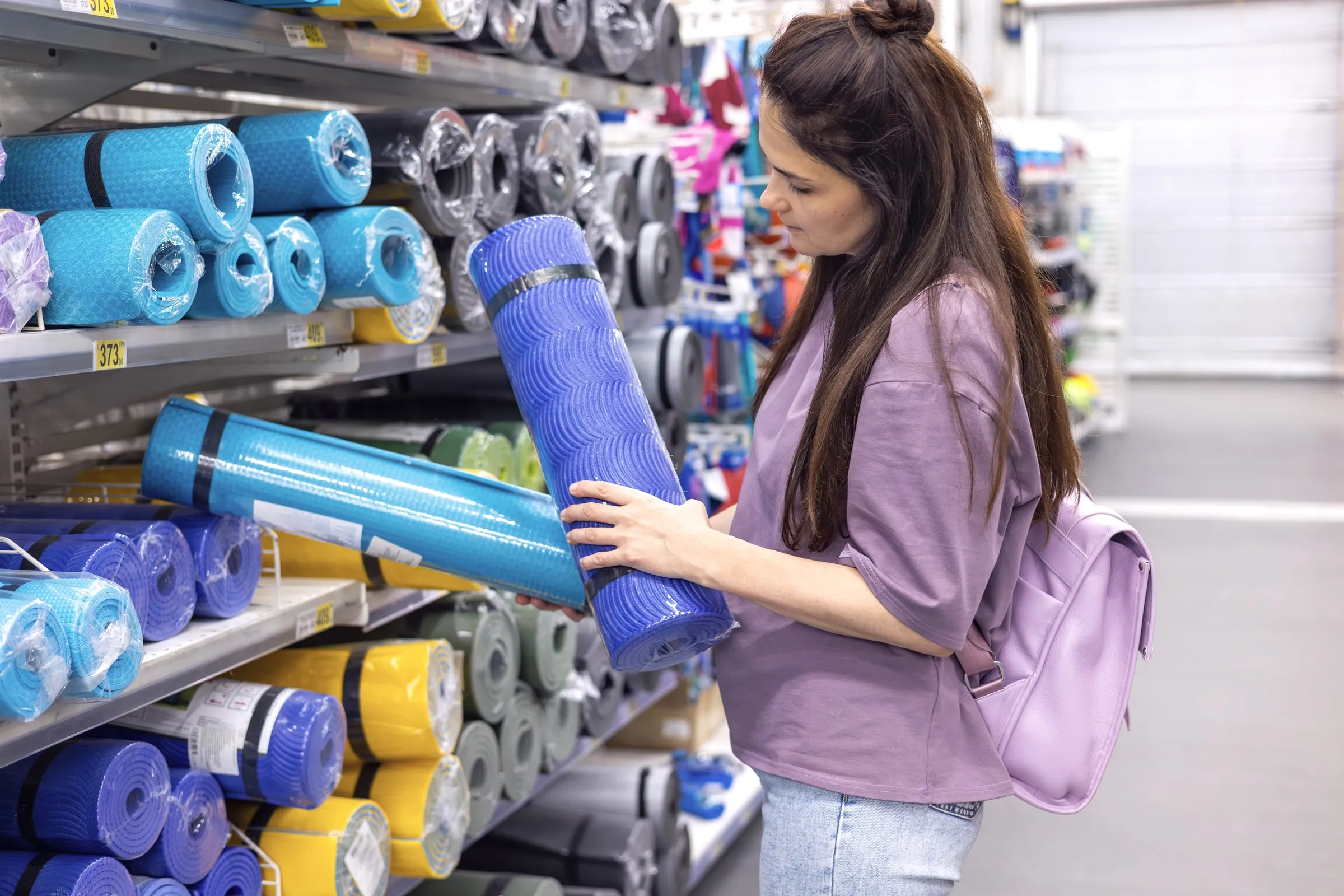
Camping gear, cleats and a firearms case share one floor. We post an officer who gives the case its own attention without treating the whole store the same way.
Request a proposalThe situation
What a sporting goods or firearm retailer deals with
A licensed sales floor holds two very different risks
Most of the store, from cleats to camping stoves to fishing tackle, carries an ordinary retail risk. The firearms case and the ammunition shelves behind or beside it carry a different one, and the two need different attention from the same officer on the same shift.
Hunting and shooting sports seasons change the traffic pattern
Deer season and the weeks leading into it bring a surge of customers to the firearms and ammunition sections specifically, along with hunting apparel and gear, changing where the store's foot traffic concentrates for weeks at a time.
The store handles the federal paperwork, not the officer
Background checks and transfer forms for a firearm purchase are the store's own federally licensed process. The officer's role is presence at the counter and the door, not any part of the sale itself.
Ammunition and accessories are the easier target
A locked case slows theft of a firearm itself; a shelf of ammunition boxes or a rack of holsters and optics does not carry the same lock, and those sections draw a different kind of attention than the case does.
One floor, two different levels of risk
Most of a sporting goods store looks and behaves like any large-format retailer: cleats, camping stoves, fishing tackle, team jerseys, a checkout bank near the front. Where a store also sells firearms, the counter or case holding them, and the ammunition shelved nearby, carries a different level of risk than the rest of the floor, licensed and regulated in a way the camping section is not. Price Protection writes post orders that treat the two parts of the store differently rather than covering the whole floor the same way, because they are not the same risk.
Hunting season changes where the traffic goes
The weeks leading into deer season bring a surge of customers specifically to the firearms and ammunition sections, along with hunting apparel, boots and gear that barely move the rest of the year. A store’s general foot traffic pattern shifts for that stretch, and coverage shifts with it: more attention on the sections drawing the crowd, without pulling attention away from the rest of the store, which still sees its usual traffic even during the surge.
The federal paperwork is the store’s, not ours
A firearm sale runs through a federally licensed process the store’s own staff handles: background checks, transfer forms, the wait a purchase sometimes requires. Price Protection officers are not part of that process in any way. What the officer provides is a visible presence at the counter and the entrance, the same role an officer plays at any retail counter, applied to a section of the store where the stakes of a mistake are higher.
Ammunition and accessories are the easier target
A locked case around the firearms themselves slows theft in a way an open shelf of ammunition boxes or a rack of holsters, optics and cleaning kits does not. Those sections do not carry the case’s own physical protection, and they draw the officer’s attention on the route and on the camera feed for exactly that reason, treated more like the open-shelf sections of any sporting goods store than like the firearms counter itself.
Starting coverage
To set up a post at a sporting goods or firearm retailer, dispatch needs the store’s hours, the layout of the firearms section relative to the rest of the floor, whether the store expects a hunting season surge and when, and whether the owner wants one officer covering the whole store or a split between the general floor and the firearms counter. An armed post is scheduled as quickly as a commissioned officer can be assigned, and the route is adjusted through the first weeks as the officer learns the store’s traffic pattern.
How we cover it
Every service, applied to this post.
- Unarmed security guards
A uniformed Level II officer covers the general sales floor, the entrance and the checkout lanes, the same way the officer would at any large-format retailer, and is the first visible presence a customer sees on the way in.
- Armed security guards
Many stores that sell firearms choose a Level III commissioned officer positioned within sight of the firearms case and counter, in addition to or in place of the unarmed floor position, particularly during the hours the counter is busiest.
- Access control
Where the store has a separate firearms sales area or a locked range attached to the retail floor, the officer manages entry to that section and keeps it distinct from the general sales floor traffic.
- Camera monitoring
The officer gives the ammunition aisle and any open-shelf accessory section, holsters, optics, cleaning supplies, its own attention on the camera feed, since those areas do not carry the same physical lock the firearms case does.
- Incident reporting
The daily report separates activity at the firearms counter from the rest of the sales floor, and notes the traffic pattern during hunting season surges so the store can plan staffing for the following year.
A typical post
What a shift looks like here.
The officer opens the shift with a position that keeps both the main entrance and the firearms counter in view, since customers headed for either the general sales floor or the firearms section pass the same doors on the way in.
During hunting season and the weeks leading into it, the officer's attention shifts toward the sections drawing the surge: firearms, ammunition and hunting apparel, while the rest of the floor, camping and team sports gear, sees its usual traffic and its usual level of coverage.
Closing includes a check of the firearms case and any secured storage room, confirming the count matches the store's own inventory process, along with the general sales floor sweep every large retailer runs before locking up for the night.
Reporting
What the daily report covers here
Every client receives a written report each day, and officer performance is reviewed and documented daily. This is what the report records on this kind of post.
- Firearms counter activity, separate from general sales floor traffic
- Ammunition and open-shelf accessory section checks
- Hunting or shooting sports season traffic patterns, by week
- Closing checks of the firearms case and any secured storage room
- Any incident involving the firearms section, with the outcome
Questions
About sporting goods and firearm retailers coverage.
Anything else? Call dispatch at (281) 326-9189.
Does the officer help with the background check process?
No. The federal background check and transfer paperwork for a firearm sale are handled entirely by the store's own licensed staff. The officer's role is presence at the counter and the entrance, not any part of the transaction.
Should coverage focus on the firearms case or the whole store?
Both, usually from two positions on busier shifts: a general floor officer covering the entrance and the rest of the store, and an officer within sight of the firearms counter specifically, since the two areas carry different levels of risk.
Does staffing change during hunting season?
Yes, for most stores. The weeks leading into deer season bring a surge to the firearms, ammunition and hunting apparel sections, and stores often add coverage or shift the existing officer's attention toward those sections for that stretch.
Is the officer armed or unarmed?
Many stores run both: an unarmed officer for the general sales floor and a commissioned, armed officer positioned near the firearms counter, particularly during the store's busiest hours. Smaller stores sometimes run one armed officer covering the whole floor.
What about the ammunition and accessories, since they are not in a locked case?
Those sections get specific attention in the route and on the camera feed precisely because they lack the case's own lock. It is a different kind of coverage than the firearms counter, closer to how the officer would watch any open-shelf, high-turnover retail section.
Related pages
Industries we serve
Service areas
Insights
Request a proposal
Request a proposal for sporting goods and firearm retailers.
Two short steps. Dispatch reviews every request and calls you back about coverage. For urgent unarmed coverage we can typically staff most sites within hours.
24-hour dispatch
(281) 326-9189