
Security Guards for Liquor Stores
One clerk behind one register, cash in the drawer all night: we post an officer so the clerk is never the only person standing between the door and the till.
Request a proposalThe situation
What a liquor store deals with
One clerk, one register, cash all night
A liquor store commonly runs a single clerk per shift, especially in the evening, working a cash-heavy register with no one else on the floor to notice a problem before it reaches the counter.
Small bottles are the easiest to conceal
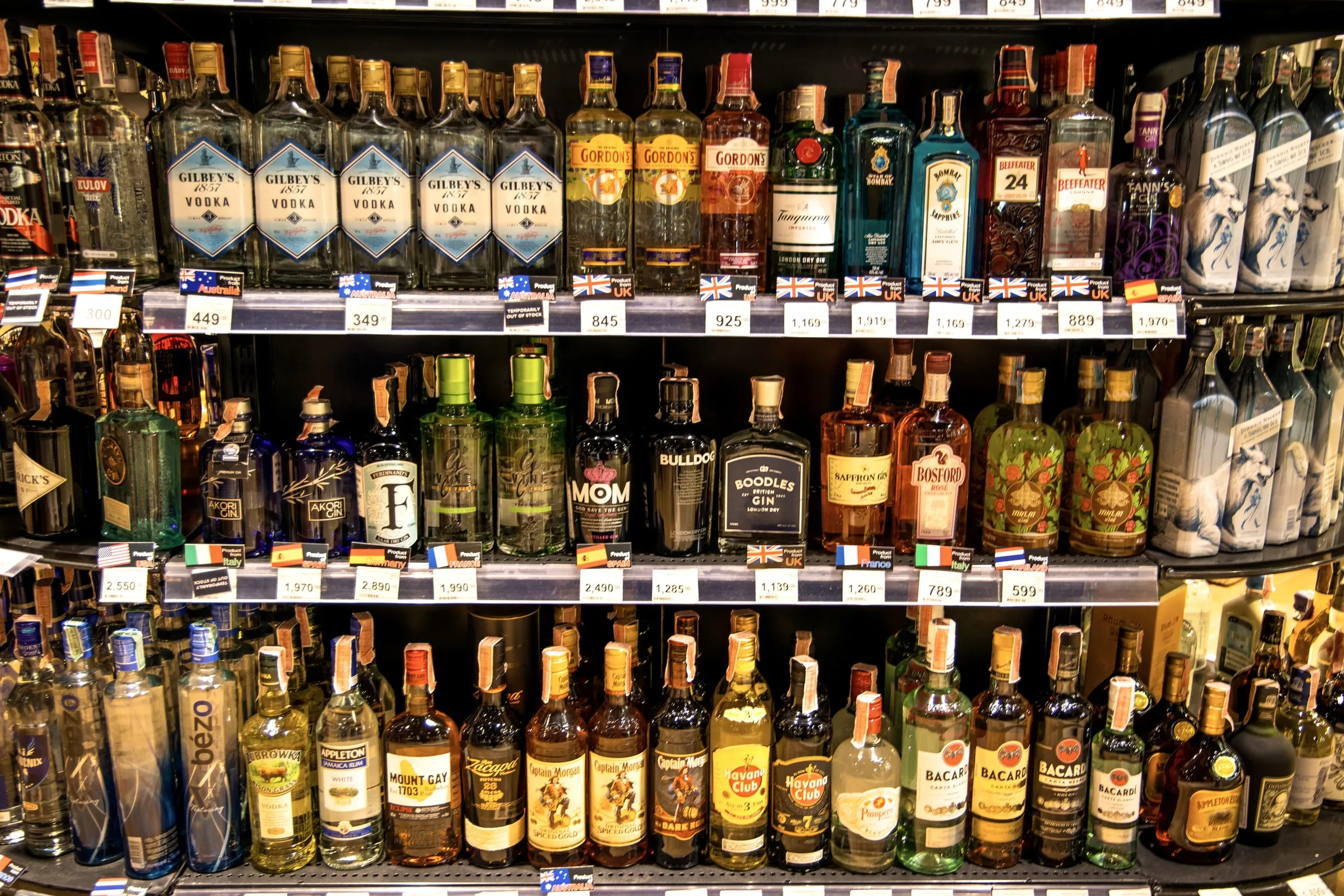
Miniatures and half-pints fit in a pocket or a sleeve in a way a full case never will, and a narrow aisle with product stacked to eye level gives a shoplifter cover a wider store layout would not.
The door draws people who are not there to buy
A liquor store's entrance attracts panhandling for spare change, loitering near closing time, and occasionally someone already intoxicated looking for a way in after the clerk has said no. None of it is the clerk's job to manage alone.
Age verification is store policy, and the clerk carries it alone
Checking identification at the register is the clerk's responsibility under state law, and a customer who disputes a refusal, especially late at night, can turn a routine check into a confrontation with no other staff member nearby.
One clerk, one register, and a store that stays open into the night
A liquor store runs lean by design: often a single clerk per shift, especially once the afternoon turns into evening, working a register that holds more cash than most retail counters this size. That clerk is also the only person on the floor to notice a problem building near the door, in the aisles or at the counter. An officer posted at the entrance does what a second staff member used to do before stores this size trimmed down to one, without asking the clerk to split attention between a customer and the door.
Small bottles carry the biggest shrink
The most valuable items in a liquor store, by the case, are not the ones that go missing most often. Miniatures and half-pints slip into a pocket or a sleeve in a way nothing else on the shelf does, and a narrow aisle stacked close to eye level gives cover that a wide grocery aisle would not. The officer’s rounds include the small-bottle sections specifically, not as a stop on a general walk of the store but as its own checkpoint, because that is where the store’s actual losses tend to happen.
The door draws its own kind of traffic
A liquor store’s entrance sees more than customers coming in to buy. Panhandling for spare change, people lingering near closing time rather than shopping, and occasionally someone already intoxicated pushing to get in after a clerk has said no: none of it is dramatic on its own, and none of it is something a single clerk behind a register should be handling alone. An officer at the door changes that math before it reaches the counter.
Age verification stays the clerk’s call
Checking identification and deciding whether to sell is the clerk’s responsibility under Texas alcohol law, not the officer’s, and Price Protection does not put officers in that decision. What the officer does is stand close enough that a disputed refusal has a witness and a calm second presence, rather than one person alone defending a decision to an unhappy customer at ten at night.
Starting coverage
To set up a liquor store post, dispatch needs the store’s hours, whether it runs single-clerk shifts and when, any history of attempted robbery or loitering complaints, and whether the store sits alone or inside a larger shopping center. Unarmed daytime coverage can typically begin within hours; an armed evening or closing post is scheduled as quickly as a commissioned officer can be assigned, and the route is adjusted through the first week as the officer learns the store’s regulars and its slow hours.
How we cover it
Every service, applied to this post.
- Unarmed security guards
A uniformed Level II officer stationed near the entrance is visible to every customer walking in, which on its own reduces the number of people willing to test the clerk at the register.
- Armed security guards
Stores that stay open into the late evening, or that have had an attempted robbery, often move to a commissioned officer for the closing hours, when a single clerk and a full register are most exposed.
- Camera monitoring
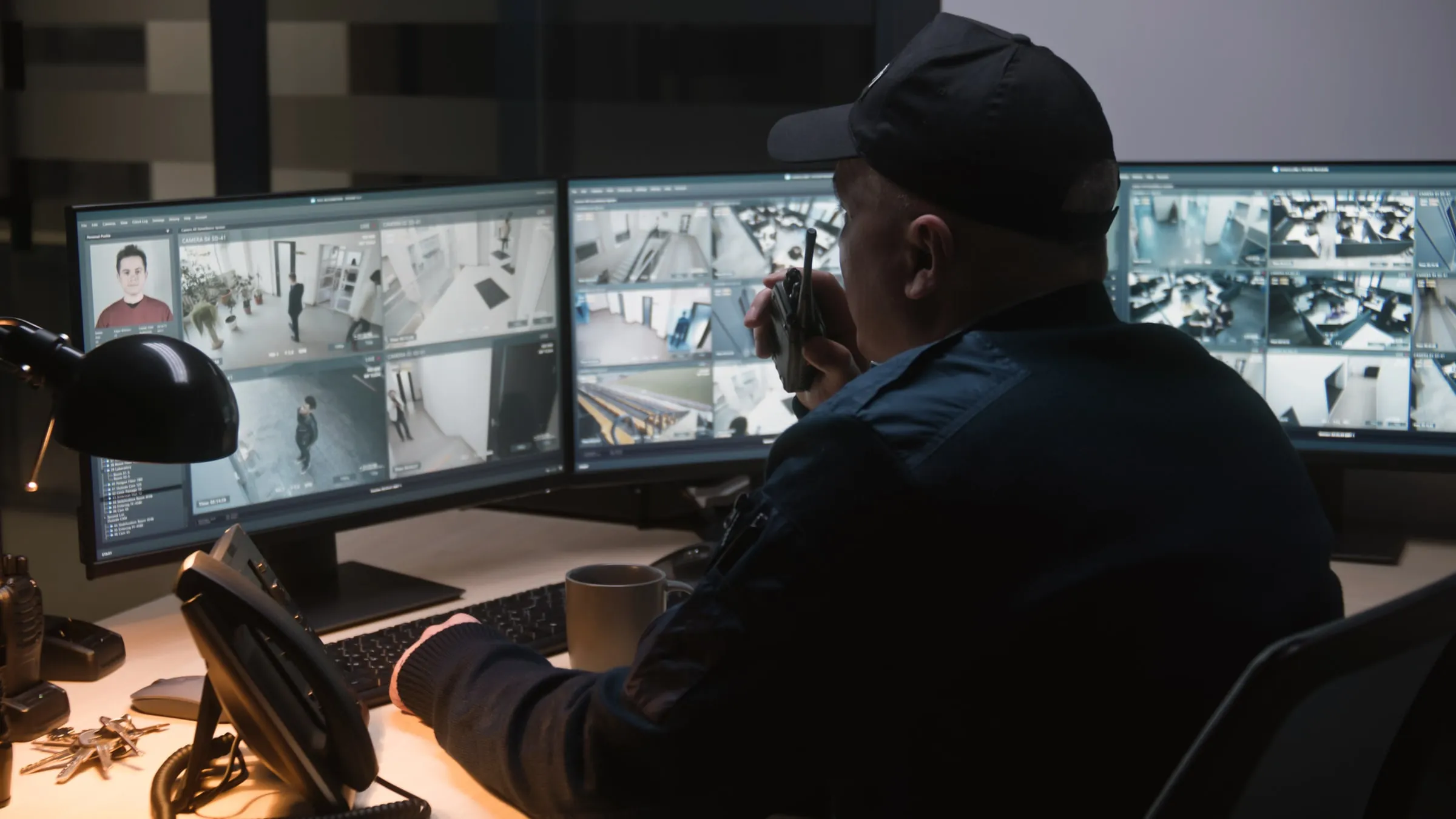
The officer checks the store's camera coverage on the small-bottle aisles specifically, since that is where a narrow shelf and a low sightline make concealment easiest to miss from the register.
- Incident reporting
The daily report separates loitering and panhandling at the entrance from anything at the register, and records every refusal of service tied to age or intoxication, giving the owner a record if a customer disputes it later.
A typical post
What a shift looks like here.
The officer is at the door as the store opens, and stays visible near the entrance through the afternoon, when most of the day's foot traffic is customers coming in for a single purchase and out again within minutes.
As the evening shift begins, the officer's attention shifts toward the register and the clerk, since a single-clerk night shift is when the store is most exposed. The officer watches the door for anyone loitering rather than entering, and stands near enough to the register to be part of any age-verification conversation that turns tense.
At closing, the officer holds the door while the clerk counts down the drawer, walks the clerk to a car if the lot is otherwise empty, and does a last check of the small-bottle aisles and the storeroom door before the store is locked for the night.
Reporting
What the daily report covers here
Every client receives a written report each day, and officer performance is reviewed and documented daily. This is what the report records on this kind of post.
- Loitering or panhandling at the entrance, by time
- Refusals of service tied to age or intoxication, with the outcome
- Register activity during single-clerk shifts, especially evenings
- Small-bottle aisle checks and any concealment observed
- Opening and closing times, with the clerk present at each
- Any police contact, with the time and the reason
Is a liquor store better off with an armed or unarmed officer?
Most run unarmed coverage during the day and add an armed, commissioned officer for the evening and closing hours, when a single clerk and a full cash drawer carry the most risk. Stores in areas with a history of attempted robbery sometimes run armed coverage throughout.
Does the officer check IDs at the register?
No. Verifying a customer's age is the clerk's responsibility under state alcohol law, not the officer's. The officer's role is to be present if a refusal turns into an argument, and to keep the conversation from escalating at the counter.
What does the officer do about people asking for money outside the store?
The officer applies the owner's policy on loitering and panhandling, which is usually a conversation first and, where the policy allows it, a request to move along. A person who refuses and becomes a problem for customers is a call to police.
Can one officer cover a store that runs a single clerk overnight?
Yes, and that is the most common reason a liquor store asks for coverage in the first place. One officer near the entrance changes the math for anyone considering the register when there is a witness at the door instead of an empty aisle.
Do you cover a liquor store inside a larger shopping center?
Yes, and the post is written to the store's own hours and entrance rather than the center's common areas, which are covered separately if the center itself contracts for security. The two posts can share notes where the same lot serves both.
Related pages
Industries we serve
Service areas
Insights
Glossary
Request a proposal
Request a proposal for liquor stores.
Two short steps. Dispatch reviews every request and calls you back about coverage. For urgent unarmed coverage we can typically staff most sites within hours.
24-hour dispatch
(281) 326-9189