
Security Guards for Smoke and Vape Shops
A small storefront open later than the strip center around it gets one officer who knows the difference between a slow night and a problem walking in.
Request a proposalThe situation
What a smoke or vape shop deals with
A small footprint stays open after the strip center closes
Many smoke shops run later hours than the salon, the nail bar or the sandwich shop sharing the same strip center, which means the lot is emptiest and the store is most exposed during exactly the hours it is still taking cash.
Small products fit in a pocket
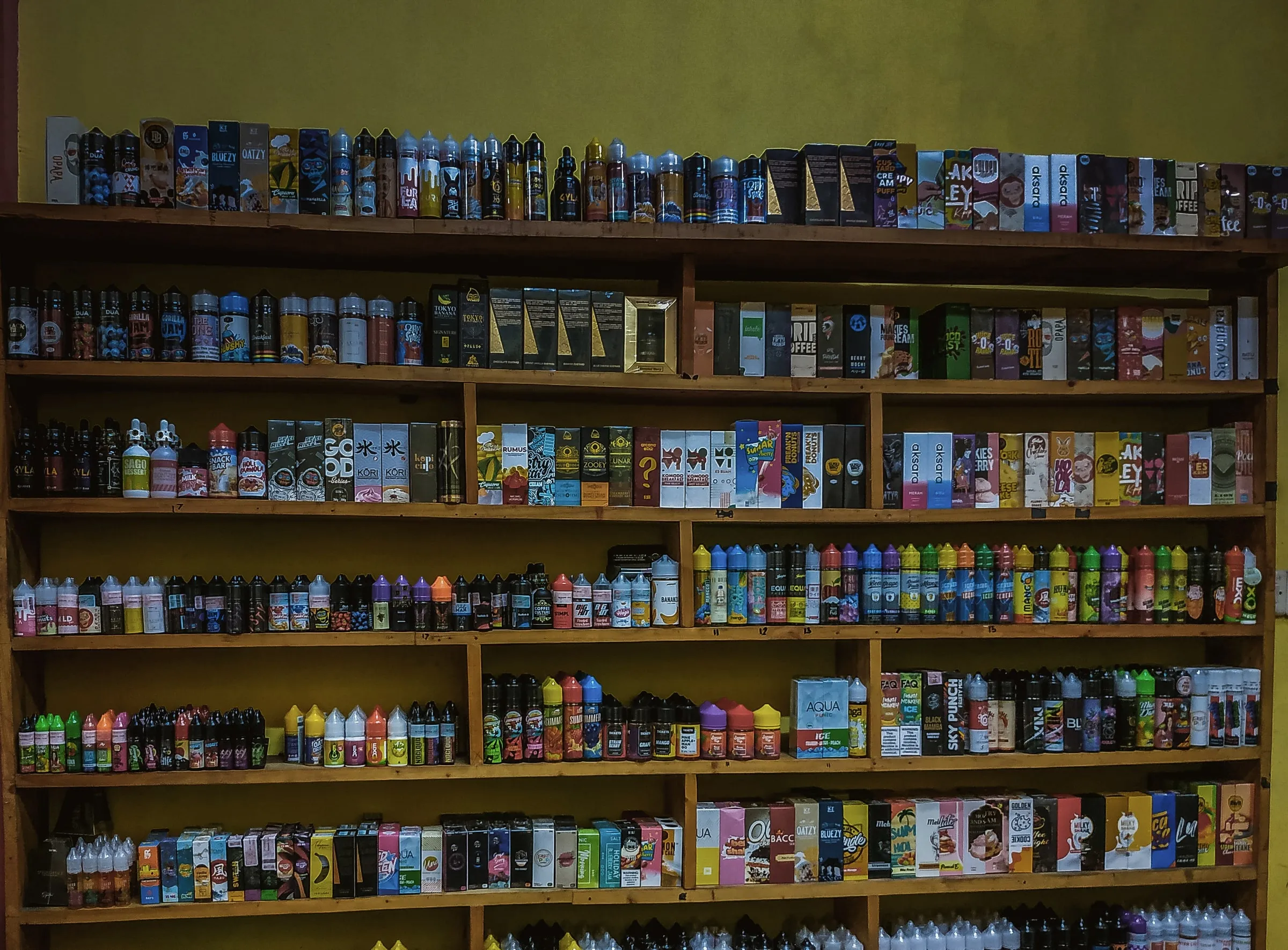
Vape pods, disposable devices and small accessories are compact and easy to conceal in a way a full display case of larger merchandise is not, and a store with dense shelving from floor to ceiling gives a shoplifter more cover to work in.
One clerk carries the whole shift
Most smoke and vape shops staff a single employee for most of the day, running the register, restocking and watching the door at the same time, with no one else on the floor to notice a problem before it reaches the counter.
Age-restricted sales are the clerk's call, and can draw pushback
Verifying a customer is old enough to purchase is the clerk's responsibility, and a refusal, especially from a customer who has been turned away before, can turn into an argument the clerk has to handle alone.
A small storefront that outlasts its neighbors
Smoke and vape shops commonly keep later hours than the rest of the strip center they sit in: later than the salon, the sandwich shop, the nail bar that closes with the early evening. That gap in hours matters more than it sounds. Once the surrounding businesses lock up, the lot empties, the lighting that felt adequate at five in the afternoon feels different at ten, and the smoke shop becomes the only lit storefront and the only one still taking cash. Price Protection writes the post orders around that shift in the evening, not just around the store’s own opening and closing times.
Small products, dense shelving, one set of eyes
The inventory that moves fastest off the shelf, vape pods, disposable devices, small glass accessories, is also the easiest to pocket. Add shelving that runs floor to ceiling to fit a wide product range into a small footprint, and a single clerk at the register loses sightlines a wider, more open store would not have. The officer’s rounds treat the dense shelving sections as their own checkpoint, walking the aisles a clerk working the counter cannot watch at the same time.
One clerk, and the shift that clerk cannot split
Most shops this size run one employee for most of a shift: ringing up sales, restocking, and watching the door, all at once. There is no spare attention left for a customer lingering near the back shelf or a car idling outside longer than a normal stop. An officer at the entrance restores exactly the coverage a second employee would provide, for stores that cannot or do not want to staff two people at once.
Age checks stay the clerk’s decision
Verifying that a customer is old enough to buy tobacco or vaping products is the clerk’s responsibility, set by state and federal law, and Price Protection does not put officers into that decision. What the officer provides is a calm, visible presence if a refusal turns into an argument, particularly from a customer who has been turned away at this counter before and is not happy to hear it again.
Starting coverage
To set up a post at a smoke or vape shop, dispatch needs the store’s hours relative to the rest of the strip center, whether the shift runs with one employee or more, any history of attempted robbery, and the layout of the shelving relative to the register. Unarmed daytime coverage can typically start within hours; an armed evening post is scheduled as quickly as a commissioned officer can be assigned.
How we cover it
Every service, applied to this post.
- Unarmed security guards
A uniformed Level II officer near the entrance is visible from the parking lot before a customer even reaches the door, which changes the calculation for anyone considering the register during a quiet, single-clerk stretch.
- Armed security guards
Shops that stay open past the rest of the strip center, or that have had an attempted robbery, often move to a commissioned officer for the late evening hours specifically.
- Camera monitoring
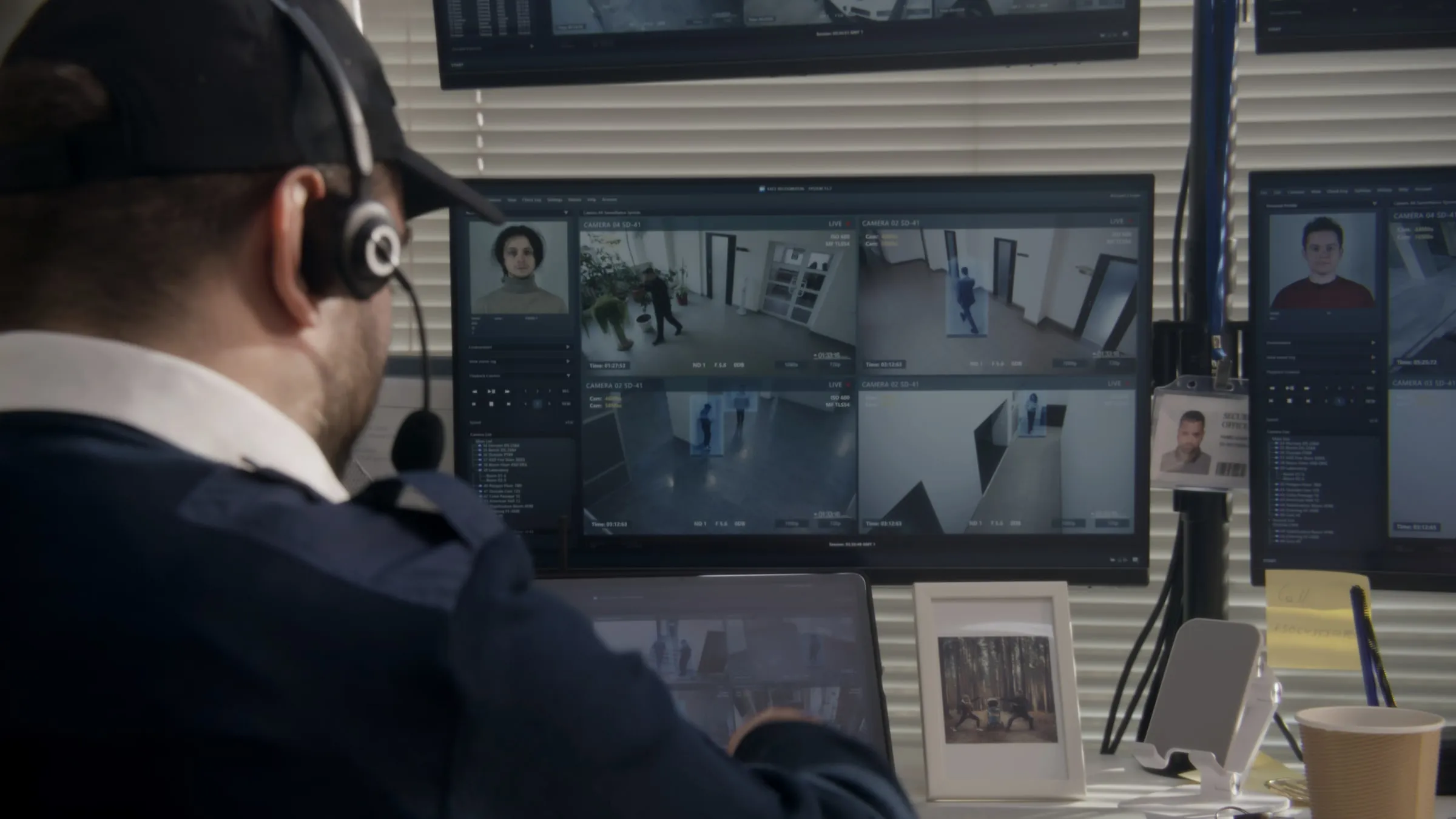
The officer checks the dense shelving sections on the store's own camera feed, since floor-to-ceiling product displays create sightline gaps a single clerk at the register cannot see around.
- Incident reporting
The daily report notes the store's hours relative to the rest of the strip center, any age-verification refusal that became tense, and the lot's condition during the store's latest operating hours.
A typical post
What a shift looks like here.
Through the afternoon, while the rest of the strip center is still open and the lot has other customers coming and going, the officer's presence at the entrance is straightforward: visible, greeting customers, watching the dense shelving for concealment.
As the surrounding businesses close for the evening and the lot empties, the officer's attention shifts to the parking lot itself along with the entrance, since the store is now the only lit storefront in a mostly dark row of businesses.
At closing, the officer stays until the clerk has counted the drawer and locked the door, checks the lot is clear, and walks the clerk to a car if the strip center's shared lot is otherwise empty.
Reporting
What the daily report covers here
Every client receives a written report each day, and officer performance is reviewed and documented daily. This is what the report records on this kind of post.
- Store hours relative to the rest of the strip center, by shift
- Age-verification refusals that became tense, with the outcome
- Dense shelving section checks and any concealment observed
- Parking lot condition once surrounding businesses have closed
- Closing walk to the car, when the post orders include one
Why does a small store like this need an officer at all?
Because the store's square footage has little to do with what makes it a target: a single clerk, a cash register, and hours that often run later than the businesses around it. A small footprint with those three things together is exactly the profile that benefits from a visible officer at the door.
Do you check customer IDs for age-restricted products?
No. Verifying a customer's age for tobacco or vaping products is the clerk's responsibility under state and federal law. The officer's role is to be present if a refusal turns into an argument, not to make the verification decision.
Should the store run armed or unarmed coverage?
Most run unarmed coverage during the day and add an armed, commissioned officer for the hours after the rest of the strip center has closed, when the store is the only business still lit and taking cash.
Can the officer help with the dense product displays, where it's hard to see the whole store from the register?
Yes. The officer's rounds specifically include the floor-to-ceiling shelving sections a single clerk cannot watch while running the register, and the store's own camera feed is checked with those sightline gaps in mind.
Do you cover a shop that shares a strip center with other late-closing businesses?
Yes, and the post orders note which neighboring businesses stay open as late, since a shared, well-lit lot with other activity is a different risk profile than a lot where the smoke shop is the last one open.
Related pages
Industries we serve
Service areas
Insights
Glossary
Request a proposal
Request a proposal for smoke and vape shops.
Two short steps. Dispatch reviews every request and calls you back about coverage. For urgent unarmed coverage we can typically staff most sites within hours.
24-hour dispatch
(281) 326-9189