
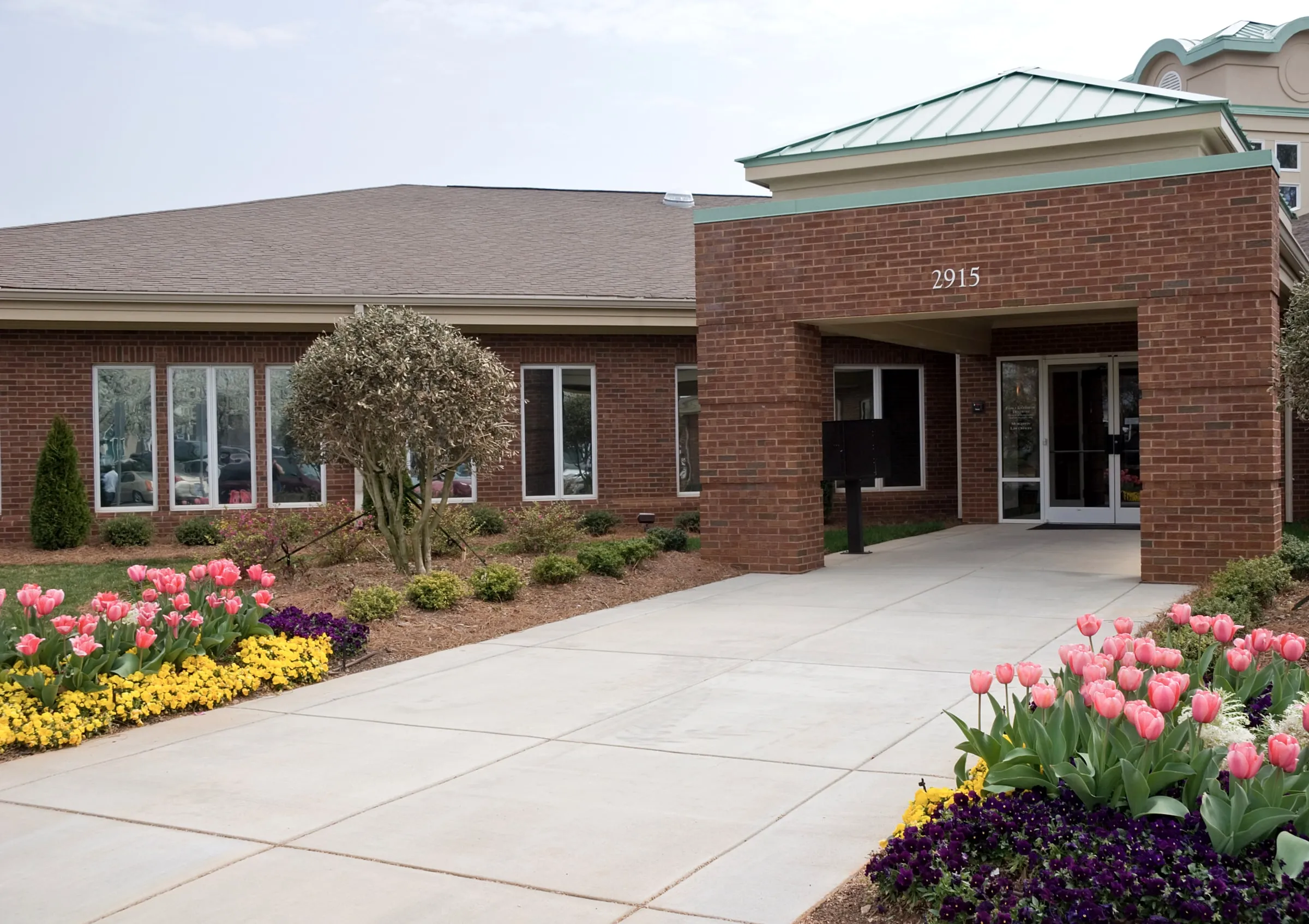
Security Guards for Medical Office Buildings
An officer who understands a waiting room is not a lobby, and that the patient walking slowly to her car after dark is the reason the lot gets watched.
Request a proposalThe situation
What a medical office building deals with that a standard office does not
A waiting room holds people at their worst
A medical office waiting room seats patients who are frightened, in pain or waiting on results, along with family members under stress, and a raised voice or a confrontation there needs a calmer response than most office lobbies ever require.
Controlled substances and equipment stay overnight
Sample medications, imaging equipment and a locked pharmacy cabinet often sit in a suite that closes at five and reopens at eight, unattended for fifteen hours in a building with dozens of other tenants and their own keys.
Patients cross the lot slowly and alone
A physician's office serves an older and less mobile population than most office tenants, and a patient leaving a late appointment, sometimes sedated or unsteady, is a different kind of exposure than an employee walking to a car after work.
Records and billing offices hold personal data
Charts, billing files and intake paperwork sit in back offices behind unlocked doors during the day, and a building serving several practices has more of these rooms, and more staff moving between them, than a single-tenant clinic.
A waiting room is not a lobby
Patients in a medical office waiting room are there because something is wrong, or because they are waiting to find out. That changes what a front-of-house presence needs to do compared with a standard office lobby: less about checking badges, more about being a calm, visible presence who notices when a patient’s anxiety turns into something that needs a response, or when a family member’s frustration with a long wait needs a quiet word before it becomes a scene in front of other patients. Price Protection writes the post orders around the practices in the building, not a generic office script, because a physical therapy suite’s afternoon and an urgent care suite’s morning look nothing alike.
What is in the building overnight
A medical office building holds more than desks and files after the last patient leaves. Sample medications, a locked pharmacy cabinet, imaging equipment and refrigerated specimens sit in suites that close at different times depending on the practice, and a building with a dozen tenants has a dozen different closing routines to track. The post orders record which suites lock which doors, what a courier picking up specimens is allowed to access, and what the officer does if a practice’s back door is found propped after the practice has left for the day.
The parking lot patients cannot easily cross
A physician’s office serves patients who are often older, less mobile, or leaving an appointment sedated, and a lot that would be a five-minute concern for an office building’s fit employees is a longer and more exposed walk for a patient here. A patrol round timed to the day’s last appointment blocks puts an officer in the lot precisely when a patient is most likely to be walking alone and slowly to a car, which a desk at the front entrance cannot see on its own.
Working with practice managers
Every practice in the building has its own manager, its own hours and its own idea of what the front desk should handle versus what belongs to security. The officer works from a list each practice manager confirms: which patients need an escort, which deliveries are expected, whether a late clinic is running that evening. The daily report goes to the building’s property manager and is available to each practice, so a question about a missed courier pickup or a lobby incident has a written answer rather than a guess.
Starting a post
To begin, dispatch needs the building’s address, a list of the practices and their hours, which suites hold controlled substances or equipment worth securing after close, and the property manager’s contact for building-wide questions. An unarmed officer can typically start within hours of a signed proposal, and the post orders are tightened over the first weeks as the officer learns each practice’s routine.
How we cover it
Every service, applied to this post.
- Unarmed security guards
An unarmed officer at the entrance during patient hours greets arrivals, watches the waiting room for a patient or family member in distress, and walks the parking lot on a set round so a patient leaving alone is not the only person out there.
- Access control
After the practices close, the officer secures suite doors that should be locked, logs which practices remain open for evening hours, and checks a cleaning crew or a courier picking up specimens against the building's after-hours list.
- Camera monitoring
Where the building or an individual practice owns lobby and parking lot cameras, the officer monitors them during the post and pulls footage for a practice manager when equipment or a sample cabinet is reported disturbed.
- Vehicle patrol
A patrol round of the lot timed to the last appointments of the day covers the window when patients are most often walking to their cars alone, which a static entrance post cannot see on its own.
- Incident reporting
The daily report lists patient and visitor incidents, suites secured after hours, courier and cleaning crew access, and any lot activity worth a practice manager's attention, sent before the building reopens.
A typical post
What a shift looks like here.
The daytime officer works the entrance and the waiting rooms during patient hours, present without hovering, available if a patient in the lobby becomes distressed or a family member's argument with front desk staff needs a calm third party rather than a raised voice on both sides.
Between appointment blocks the officer walks the lot, checking for a patient sitting in a parked car who has not driven off, a delivery van blocking a fire lane, or a suite's back door propped for a smoke break that has been left open too long.
As practices close for the evening, the officer confirms with each one whether a late clinic is running and secures the suites that report closed, then focuses the evening round on the entrance and the lot as the day's last patients leave, since that is when a person leaving a sedation appointment is most exposed.
Overnight or in the early close window, the officer checks that sample refrigerators and cabinets described in the post orders remain secured, logs a courier picking up specimens against the building's list, and writes the report the property manager and practice managers read before the building reopens.
Reporting
What the daily report covers here
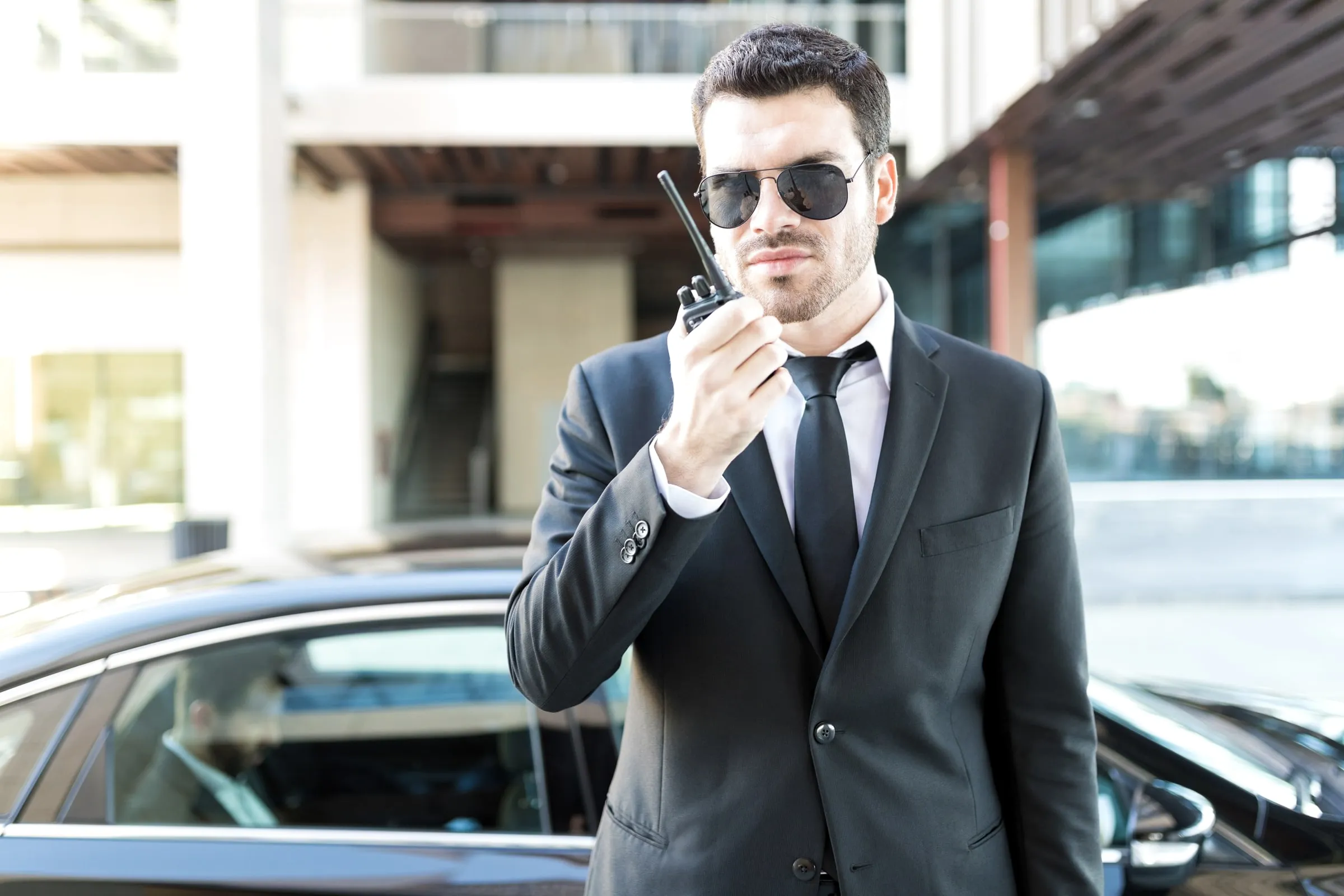
Every client receives a written report each day, and officer performance is reviewed and documented daily. This is what the report records on this kind of post.
- Patient or visitor incidents in the waiting room, with the outcome
- Suites confirmed closed and secured, by practice and time
- Courier and cleaning crew access logged against the after-hours list
- Parking lot rounds, with any patient assisted to a vehicle
- Medical emergencies in the building, with 911 time and who was notified
- Doors or gates found propped and the practice notified
Is this the same as hospital security?
No. This covers standalone or multi-tenant medical office buildings and physician suites rather than a hospital campus, where the risks are a waiting room, a parking lot and after-hours suite access rather than an emergency department or inpatient floors.
Can an officer help a patient who becomes unsteady in the lobby?
The officer is trained in first aid and can assist a patient to a seat or call 911, but is not a medical provider and defers to practice staff on any clinical decision. The incident is written up in the daily report.
Do you check that each practice's suite is actually locked at close?
Where the building includes that in the post orders, yes, the officer confirms with each practice or checks the door directly and logs any suite that could not be reached or confirmed, so the property manager knows before the next morning.
How do you handle a family dispute in the waiting room?
The officer separates the parties calmly, asks the disruptive party to step into the lobby or outside, and calls the police only if the person will not de-escalate. The approach favors quiet and private over a public confrontation in front of other patients.
Can coverage be limited to just the parking lot during evening hours?
Yes. Some buildings only need a patrol round covering the last appointment block and the evening close, rather than a full entrance post; the proposal is priced to the hours and the coverage the owner chooses.
Related pages
Industries we serve
Service areas
Insights
Glossary
Request a proposal
Request a proposal for medical office buildings.
Two short steps. Dispatch reviews every request and calls you back about coverage. For urgent unarmed coverage we can typically staff most sites within hours.
24-hour dispatch
(281) 326-9189