
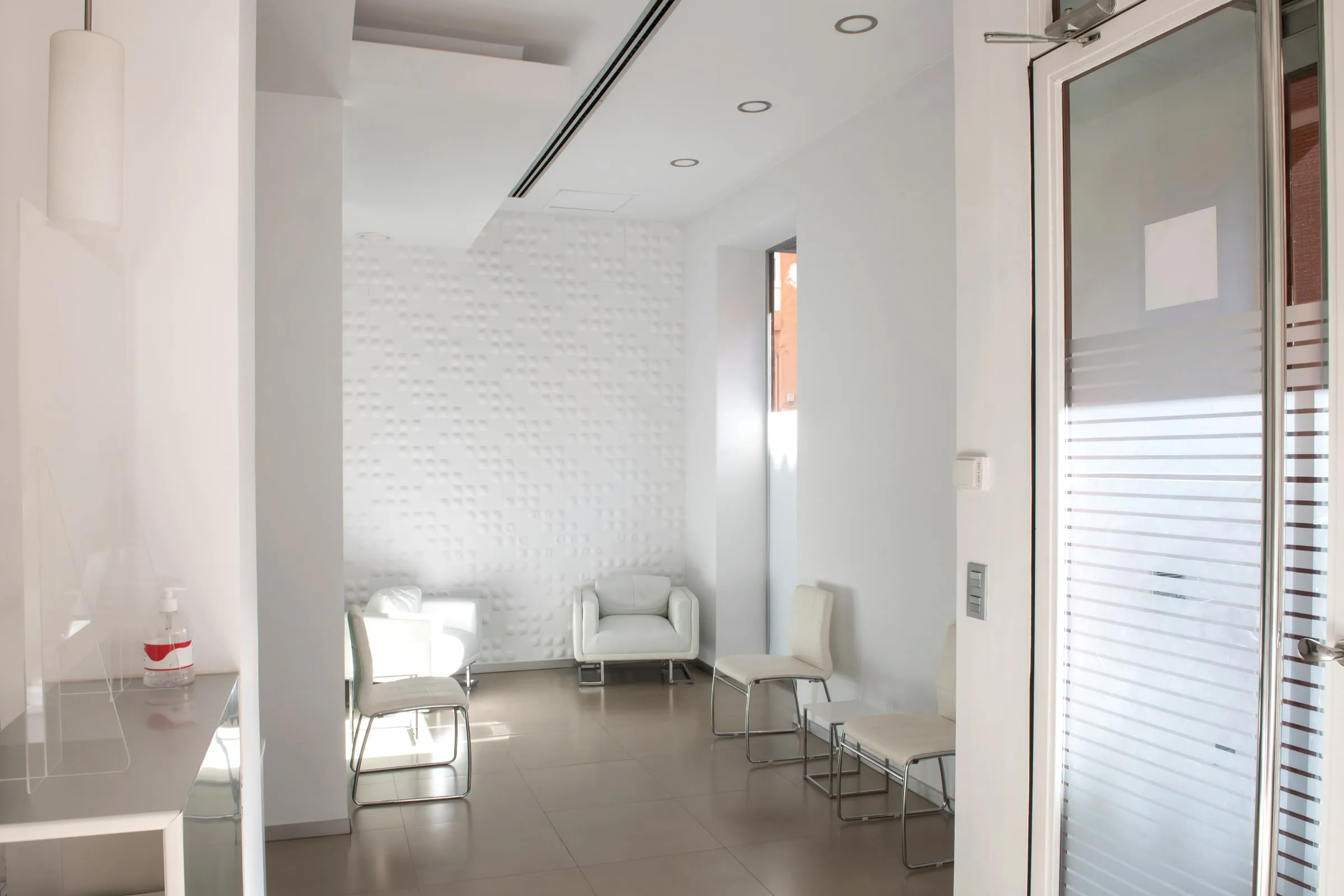
Security Guards for Dental Offices
Patrol checks and alarm response for the hours a small practice is closed, sized to a business that rarely needs a full-time officer at all.
Request a proposalThe situation
What a dental office deals with once the day's patients are gone
A daytime practice, an after-hours target
Most dental offices operate on scheduled daytime hours and sit empty overnight and on weekends, which is exactly when a practice is at the most risk: no staff present, an office park or strip center that is quiet, and equipment and supplies worth taking.
Equipment and sedation medications are theft targets
Dental handpieces and imaging equipment have resale value, and offices that keep nitrous oxide or sedation medications on-site are a specific target for anyone looking for either. A practice broken into overnight rarely has anyone to notice until the next business day.
A front desk employee often works alone
Many small practices run with a single front-desk employee at opening and closing, unlocking or locking the office alone, sometimes before or after other staff have arrived or left for the day.
Multi-location practices have this risk at every site
A dental service organization or a multi-office practice owner has the same after-hours exposure multiplied across every location, often without the staffing at any single office to notice a problem until patients arrive the next morning.
Sized to what a small practice actually needs
A dental office is usually a small, daytime business, and its security needs look nothing like a hospital’s or even a busy urgent care clinic’s. Price Protection’s coverage for a practice like this is built around that reality: most offices need patrol checks during closed hours and a plan for what happens if an alarm goes off, not a continuous staffed post that would cost far more than the risk justifies. The starting point for almost every dental office is a patrol route, not a static officer.
Empty overnight, and worth checking
A practice that closes at five and sits empty until the next morning is exactly the kind of target that benefits from an unpredictable check rather than constant staffing: dental equipment has resale value, and offices that keep sedation medications on-site are a specific draw for anyone looking for either. A patrol pass through the office park or strip center, at a time that varies rather than a fixed hour, checks the exterior doors and parking area without the cost of a full-time position watching an empty office.
When an alarm actually goes off
Most nights, nothing happens, which is exactly why an alarm response plan matters more than a static post for a business like this. When a practice’s alarm triggers, the officer responds, checks the building’s exterior for any sign of forced entry before approaching, and calls police immediately if anything looks disturbed, notifying the practice owner either way. That response, not a nightly walkthrough alone, is what actually catches a break-in in progress.
One employee, alone, at the door
Many small practices run with a single front-desk employee who opens or closes the office alone, sometimes arriving before any other staff member or leaving after everyone else has gone. A staffed window covering just that opening or closing period, rather than a full patrol route or a continuous post, is a common request from practices that have identified this specific moment as their real point of exposure.
Multi-location coverage
A dental service organization or a multi-office practice owner carries this same after-hours exposure at every location, and a single patrol route can be built to cover several nearby offices on one schedule, with reporting consolidated for a regional manager rather than tracked separately at each site. Starting coverage across multiple offices does not require a separate arrangement negotiated location by location.
Starting coverage
To begin, dispatch needs each office’s address, the practice’s closing hours, whether alarm response or a staffed opening and closing window is wanted, and the owner’s or manager’s contact. A patrol route or a staffed window can generally start within days of the practice confirming its hours and any alarm system details.
How we cover it
Every service, applied to this post.
- Vehicle patrol
A scheduled patrol pass checks the office exterior, the parking area and the entrance during the hours the practice is closed, which is the coverage most dental offices actually need rather than a full-time post.
- Camera monitoring
Where the practice has its own camera and alarm system, a monitored response confirms what triggered an after-hours alert and whether police or the practice owner need to be called.
- Unarmed security guards
For a practice that wants a staffed presence, most often during opening or closing when a single employee is alone in the office, an unarmed officer covers that specific window rather than the full business day.
- Incident reporting
A report after each patrol or covered shift goes to the office manager or the DSO's regional contact: exterior checks completed, any alarm response, and anything found at the property.
A typical post
What a shift looks like here.
On a patrol route, the officer arrives at the office park or strip center after the practice's last patient is expected to have left, checks the exterior doors, the parking area and any signage that shows the office is closed, and confirms nothing looks disturbed before moving to the next stop on the route.
If an alarm triggers overnight, the officer responds to confirm what set it off, checks the exterior for signs of forced entry before anyone approaches the building, and calls police if there is any indication of a break-in, following the notification order the practice owner has set.
For a practice that has requested a staffed opening or closing window, the officer arrives before the first staff member and stays until the office is occupied and secure, or arrives before the last employee leaves and confirms the doors and alarm are set before that employee walks to their car.

Reporting
What the daily report covers here
Every client receives a written report each day, and officer performance is reviewed and documented daily. This is what the report records on this kind of post.
- Patrol checks completed, with the time at each stop on the route
- Alarm responses, with what was found and whether police were called
- Doors, windows or signage checked and confirmed secure
- Opening or closing coverage completed, with staff present when the officer arrived or left
Does a single dental office need a full-time security guard?
Most do not. A patrol route that checks the exterior during closed hours, combined with an alarm response arrangement, covers the actual risk for most single-location practices without the cost of a continuous post.
Can a multi-location practice or DSO get one arrangement for all its offices?
Yes. A patrol route can be built to cover several offices in the same area on one schedule, and reporting can be consolidated for a regional manager rather than handled separately by each location.
What happens when an alarm goes off at night?
The officer responds, checks the building's exterior for signs of a break-in before approaching, and calls police immediately if anything looks disturbed. The practice owner or manager is notified regardless of what is found.
Can coverage focus on just opening or closing instead of a full patrol route?
Yes. A practice with one employee who opens or closes alone can request a staffed window for just that time, which is a smaller and more specific arrangement than either a full post or a patrol route.
Do you secure medications kept on-site?
Access to and inventory of any medications stays with the practice. The officer's role is exterior checks and alarm response, which reduces the chance of an after-hours break-in reaching that storage in the first place.
Related pages
Industries we serve
Services
Service areas
Glossary
Request a proposal
Request a proposal for dental offices.
Two short steps. Dispatch reviews every request and calls you back about coverage. For urgent unarmed coverage we can typically staff most sites within hours.
24-hour dispatch
(281) 326-9189