
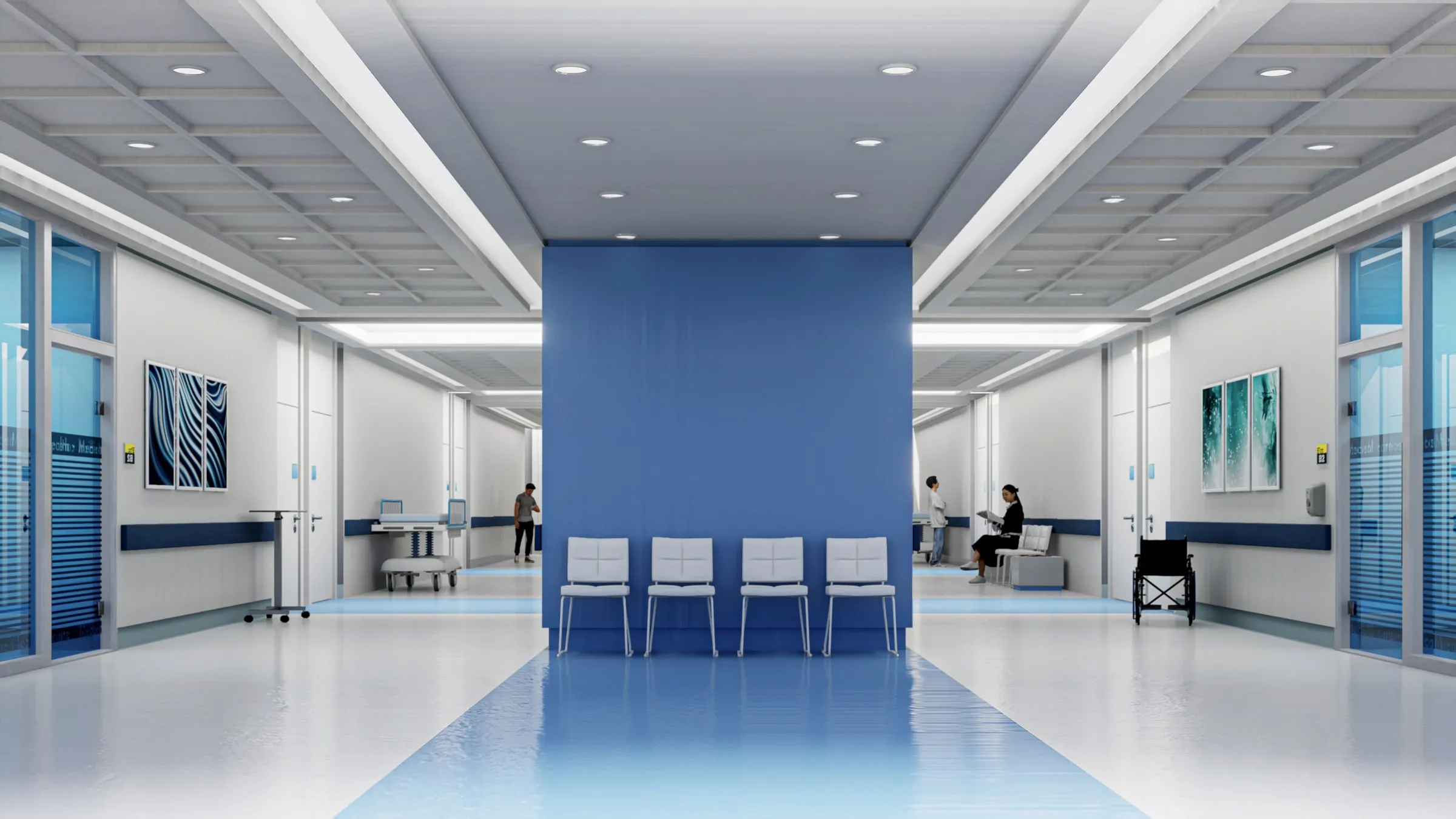
Security Guards for Medical Clinics
A presence at the front desk and the building's common areas, sized to a scheduled clinic day rather than a hospital's around-the-clock traffic.
Request a proposalThe situation
What a scheduled outpatient clinic deals with during the day
A scheduled day, not a walk-in day
A clinic's patient volume is booked in advance, and most of its security needs follow that schedule too: a busy Monday morning, a slow Friday afternoon, a specific provider whose patients tend to run long and fill the waiting room past its usual capacity.
Shared building, shared risk
Many clinics sit inside a multi-tenant medical office building, sharing an elevator lobby, a parking garage and a main entrance with practices that are not the client's own. A single unlocked exterior door affects every tenant on the floor, not just one.
A billing or scheduling dispute at the front desk
A denied claim, a canceled appointment, a wait that ran long: front-desk staff absorb most of a clinic's friction, and none of them are trained to de-escalate a patient who has raised their voice at the counter.
Deliveries, couriers and vendors all day
Medical supply deliveries, specimen couriers and equipment vendors move through a clinic constantly, and a front desk focused on patients does not always have someone free to verify who is walking through the back hallway.
A day that is scheduled, not constant
A medical clinic’s traffic is booked in advance, and that changes what a security post there actually looks like compared with a hospital’s around-the-clock arrivals. Price Protection sizes coverage to the clinic’s own schedule: a Monday morning that always runs heavy, a provider whose patients regularly fill the waiting room past capacity, a specific block of afternoon appointments. The officer’s hours match when the clinic is actually busy rather than a fixed shift picked without reference to the practice’s calendar.
Sharing a building with other tenants
Many clinics operate inside a medical office building alongside other practices, sharing an entrance, an elevator lobby and sometimes a parking garage. A security post in that setting has to account for space the client’s practice does not fully control: a main entrance that admits every tenant’s patients, a garage where a break-in affects everyone on the floor, an after-hours door that several practices rely on being locked. Post orders for a shared building are written with that layout in mind, distinguishing the client’s own suite from the common areas around it.
The front desk absorbs the friction
Almost every difficult moment a clinic has starts at the front desk: a denied insurance claim, a canceled appointment, a wait that has run long enough to frustrate a patient who took time off work for the visit. Front-desk staff are not trained to de-escalate a raised voice, and an officer positioned nearby, visible but not hovering, is often enough to keep a frustrated conversation from becoming a scene the rest of the waiting room notices. The officer’s role stops at keeping the room calm; the billing or scheduling question itself stays with the practice’s own staff.
Deliveries and the back hallway
A clinic receives medical supplies, specimen pickups and equipment vendors throughout the day, often through a back hallway the front desk cannot watch while also managing patients. Post orders can require every delivery or vendor to check in before being directed back, which keeps the staff-only areas of the clinic from being an open path simply because the front desk was busy with a patient.
Starting coverage
To begin, dispatch needs the clinic’s address and suite, the hours patient volume runs heaviest, the practice manager’s contact and whether the building has other tenants who might share a post. A supervisor walks the suite with the practice manager, post orders are written together, and an unarmed officer can generally start within hours of the practice being ready.
How we cover it
Every service, applied to this post.
- Unarmed security guards
An unarmed officer at the front desk or the building's main entrance during clinic hours, greeting arrivals, watching the waiting room and stepping in when a front-desk interaction starts to escalate.
- Access control
Suite doors, staff-only hallways and after-hours building entrances are covered by post orders written with the practice manager, so a courier or vendor is checked before reaching an area meant for staff only.
- Camera monitoring
Where the clinic or the building owns a camera system, the officer watches the waiting room, the entrance and shared hallways, and pulls footage when the practice manager asks about a specific visit or delivery.
- Vehicle patrol
For clinics with their own parking lot rather than a shared garage, a patrol pass during opening and closing hours covers the lot without staffing a full post there.
- Incident reporting
A report after each covered day goes to the practice manager: front-desk contacts, deliveries received, any dispute and its outcome, and anything the manager should know before the next day starts.
A typical post
What a shift looks like here.
The officer arrives before the clinic opens and walks the suite with the practice manager: which door unlocks first, where the day's first deliveries usually arrive, whether a specific provider's patients tend to arrive early. As the waiting room fills through the morning, the officer is visible near the front desk rather than at a separate post out of sight.
Midday brings the clinic's heaviest scheduling friction: patients arriving for appointments that are running behind, a billing question that has been building since check-in, a courier trying to reach the back office during a busy stretch. The officer works the room, greeting each new arrival and stepping toward the front desk the moment a conversation there starts to draw attention from other patients.
As the clinic winds down toward closing, the officer confirms the last patients have left, walks the suite with the closing staff member to check the exam rooms and back offices, and secures the doors the practice manager has designated. In a shared medical office building, the officer also checks that the common-area entrance is locked before leaving.

Reporting
What the daily report covers here
Every client receives a written report each day, and officer performance is reviewed and documented daily. This is what the report records on this kind of post.
- Front-desk contacts and any dispute over billing or scheduling
- Waiting room headcount at peak and any wait-time complaint
- Deliveries and couriers received, with the time and the company
- Vendors or contractors admitted to staff-only areas
- Suite and common-area doors confirmed secured at close
Do you staff the clinic for its full hours or only the busiest ones?
Either. Some practices want a presence from open to close; others want coverage only for the hours patient volume is highest, such as a Monday morning or a provider's longest clinic day. Hours are set to the schedule the practice manager gives dispatch.
How do you handle a patient upset about a bill or a wait?
The officer's role is to keep the front desk calm, not to resolve the billing question. Front-desk staff handle the dispute itself; the officer steps in only if the exchange is becoming loud or disruptive to other patients.
Can one officer cover multiple practices in the same building?
Where several tenants in a medical office building want to split the cost of a shared entrance post, yes. Coverage for a single practice's own suite is a separate, smaller post.
Do you check deliveries and couriers before they reach the back office?
Where the practice manager wants it. Post orders can require every courier or vendor to check in at the front desk before being directed to a staff-only hallway, which is a common request for clinics that receive frequent supply deliveries.
Can a clinic add coverage for a single event, such as a health fair?
Yes. A clinic hosting a vaccination drive, a screening event or an open house can add coverage for that day alone without changing its ongoing arrangement.
Related pages
Industries we serve
Service areas
Insights
Request a proposal
Request a proposal for medical clinics.
Two short steps. Dispatch reviews every request and calls you back about coverage. For urgent unarmed coverage we can typically staff most sites within hours.
24-hour dispatch
(281) 326-9189