
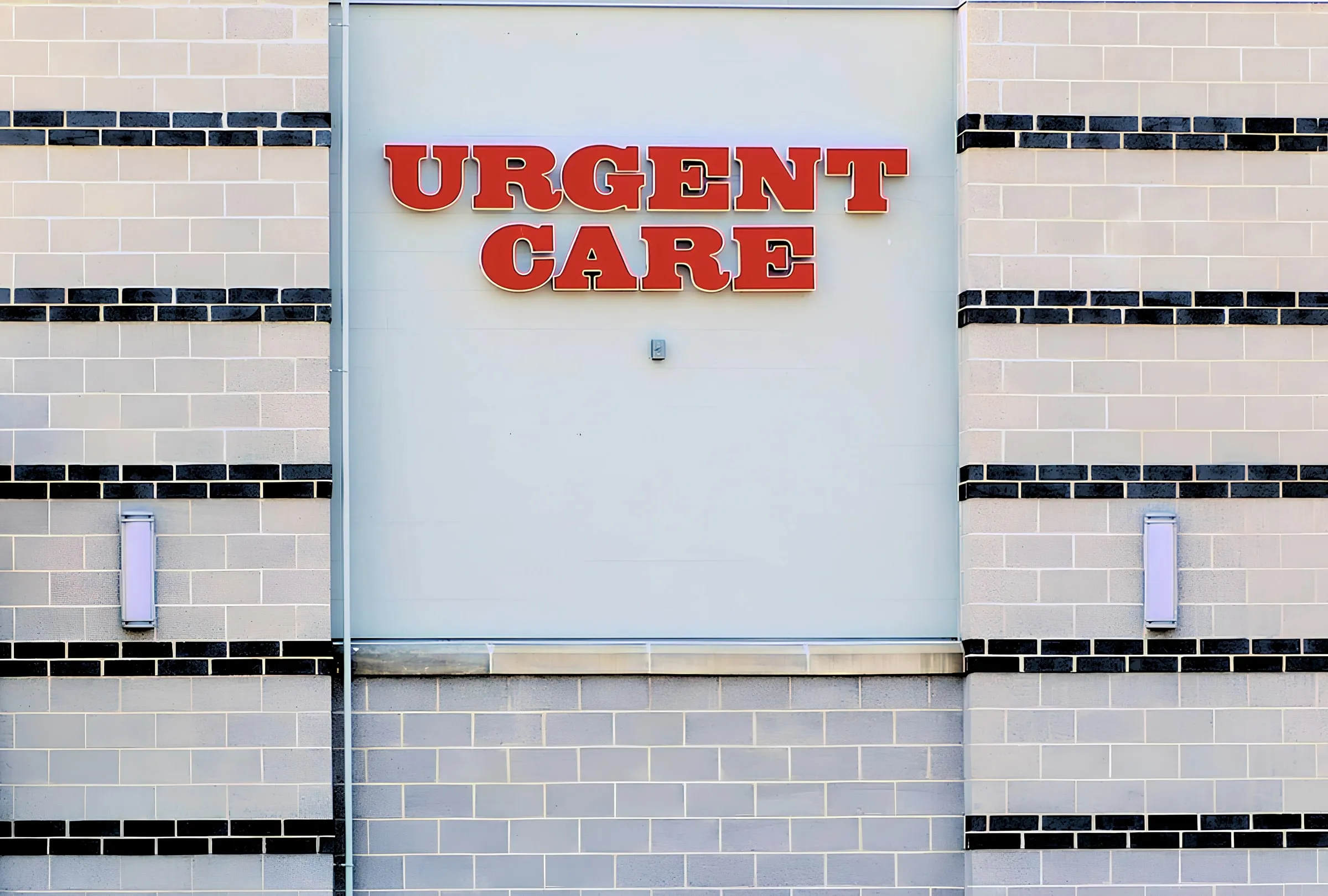
Security Guards for Urgent Care Centers
A visible officer for the evening rush and the closing routine, at a clinic that usually has one or two staff on duty and no security desk of its own.
Request a proposalThe situation
What an urgent care clinic deals with without an in-house security team
One provider, a small staff, no security desk
A typical urgent care clinic runs with a provider, a medical assistant and a front-desk employee, none of whom are security staff. When the waiting room fills or a patient becomes upset about a wait or a bill, there is nobody on-site whose job is to manage it.
The evening rush in a strip center
Urgent care visits peak after school and after work, in the same hours a strip center's parking lot is at its fullest and its lighting is at its worst. A packed lot after dark, shared with a restaurant or a retailer next door, is where most clinic parking-lot incidents happen.
Closing alone
The last patient leaves, the provider finishes the chart, and one or two staff members lock up and walk to their cars alone, often after the rest of the strip center has gone dark. A clinic that closes at nine has the same closing risk as a retail store, without a store's staffing.
A walk-in clinic gets walk-ins of every kind
An urgent care's open-door model, no appointment needed, is also why it occasionally gets a visitor who is not there for care: someone looking for a place to be warm, a person in crisis who wandered in, a dispute that followed a patient through the door.
A clinic without a security desk
An urgent care center is built to be fast and easy to walk into, and that same open model means most clinics have no one on staff whose job is security. A provider, a medical assistant and a front-desk employee run the visit; none of them is positioned to manage a crowded waiting room, a lot full of cars after dark or a closing routine that leaves one or two people locking up alone. Price Protection’s coverage for a clinic fills that specific gap rather than duplicating clinical staff, working the waiting room, the lot and the close.
The evening hours that matter most
Urgent care visits cluster after school and after work, which puts the clinic’s busiest hour at the same time a strip center’s parking lot fills up and its lighting gets worse. A clinic that wants coverage rarely needs it from open to close; it needs the three or four hours when the waiting room is fullest and the lot is at its darkest. Post hours are set around that window, and a vehicle patrol through the evening is often enough for a clinic whose volume does not justify a full standing post.
The lot is the risk as much as the lobby
Because most urgent care clinics sit in shared retail centers, the parking lot is rarely the clinic’s alone to secure, and lighting, foot traffic from neighboring businesses and a lot that empties out by nine all work against a clinic closing late. A patrol pass through the lot during the evening, and an escort to the car at closing, addresses the part of the risk a waiting-room-only post would miss entirely.
Closing without a security desk
The last patient leaves, the chart gets finished, and the clinic’s one or two remaining staff members have to lock the doors and walk to their cars, often into a lot the rest of the strip center has already gone dark around. A closing-focused post or patrol pass is one of the most requested pieces of coverage for a single urgent care location: the officer arrives before close, stays until the building is confirmed secured, and walks staff to their vehicles.
Starting coverage
To begin, dispatch needs the clinic’s address, the hours that concern the manager most, whether the clinic wants a standing evening post or a patrol through closing, and the manager’s after-hours contact. A single location can start with a short trial period, and a regional operator can add locations as each one’s evening traffic and closing routine are reviewed.
How we cover it
Every service, applied to this post.
- Unarmed security guards
An unarmed officer covers the evening hours a clinic wants watched, present in the waiting room and the lot rather than only on camera, and walks staff to their cars at closing.
- Vehicle patrol
For clinics without a full evening post, a vehicle patrol checks the lot and the building exterior on a schedule through the evening and at closing, which covers the parking-lot risk without staffing a full shift.
- Camera monitoring
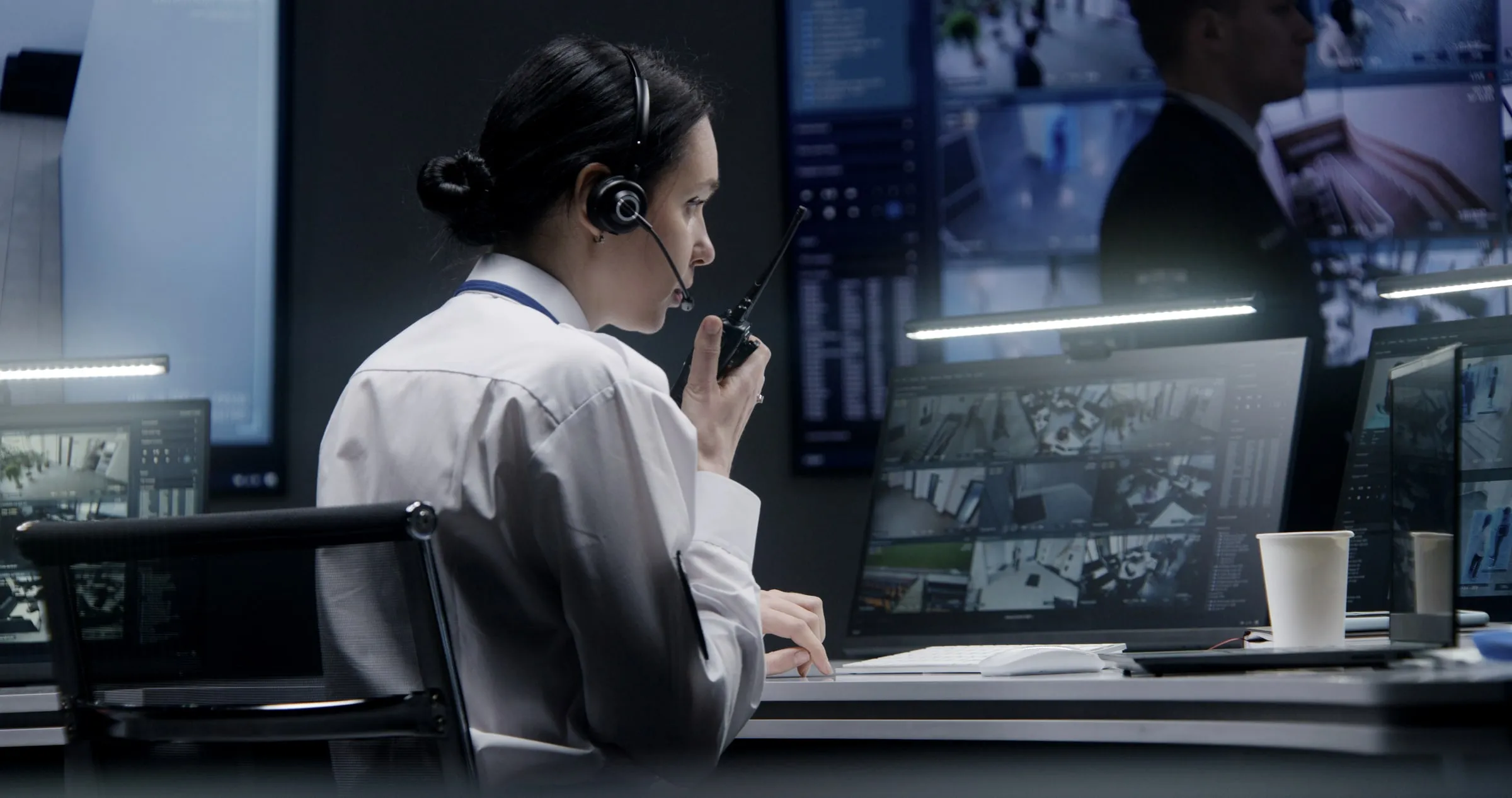
Where the clinic has its own camera system, the officer or a monitoring post watches the waiting room and the lot during the busiest hours and reviews footage after an incident a staff member reports.
- Incident reporting
A report after each covered shift or patrol goes to the clinic manager or the regional operator: waiting room contacts, lot activity, and the time and outcome of the closing walk-through.
A typical post
What a shift looks like here.
The officer arrives before the evening rush starts, when the lot still has daylight and the clinic still has a manageable line, and checks in with the front desk on anything the clinic wants watched that night: a patient who has been difficult before, a car that has circled the lot, a delivery expected after hours.
As the waiting room fills through the evening, the officer works the room the way a lobby officer would, present and visible, stepping in early when a wait gets contentious or a patient raises a billing question that is escalating past what the front desk can calm down. Between waiting room checks the officer walks the lot, which is where a strip center's evening problems usually start.
At closing the officer stays until the last patient and the last staff member are out, walks the building exterior with the closing employee to confirm the doors, and escorts staff to their cars across a lot that by nine most nights is dark except for the clinic's own lights. The report is written before the officer leaves, so the morning shift knows what the night looked like.
Reporting
What the daily report covers here
Every client receives a written report each day, and officer performance is reviewed and documented daily. This is what the report records on this kind of post.
- Waiting room contacts and any dispute over wait time or billing
- Parking lot rounds, with vehicles or activity of concern noted
- Closing time, with the staff escorted and the doors confirmed secured
- Visitors who were not there for care, and how they were handled
- Deliveries or contractors after hours, with the time
Does a single clinic need a full-time officer?
Most do not. A common arrangement covers the evening hours a clinic wants watched, or a vehicle patrol through the evening and at closing, rather than a continuous post. Coverage is sized to when the clinic is actually busiest and darkest, not around the clock.
Can coverage be added for one location in a multi-site group?
Yes. A regional operator can start with the one clinic that has had the most trouble, a new location in its first weeks, or a flu-season surge, and add other locations later without a group-wide commitment up front.
How is a patient dispute over billing or wait time handled?
The officer's role is to keep the waiting room calm, not to resolve the dispute itself. Front-desk staff handle the billing or scheduling question; the officer steps in only if a disagreement is becoming disruptive to other patients.
What happens if someone comes in who is not there for medical care?
The officer speaks with the person courteously, following the plan the clinic manager has set, and asks them to leave if they are not a patient or a visitor. Police are called if the person will not leave or becomes a safety concern.
Can you cover just the closing routine instead of the whole evening?
Yes, a closing-only post or patrol pass is common for smaller clinics: the officer arrives shortly before close, walks staff to their cars, and confirms the building is secured.
Related pages
Industries we serve
Answers
Glossary
Request a proposal
Request a proposal for urgent care centers.
Two short steps. Dispatch reviews every request and calls you back about coverage. For urgent unarmed coverage we can typically staff most sites within hours.
24-hour dispatch
(281) 326-9189