
Operations and reporting
How Security Guards Handle Medical Emergencies and First Aid
By Price Protection SecurityReviewed TX DPS Lic #B09430601
Short answer
Every medical call starts the same way regardless of the property: 911 first, then help within the officer's training while the ambulance is on the way. What differs is the setting, an apartment stairwell, a construction site, a lobby, and post orders account for that by naming the entrance to open, the elevator to hold and who at the property to notify. The response ends with an incident report the same day, recording what was observed and done without offering a diagnosis.
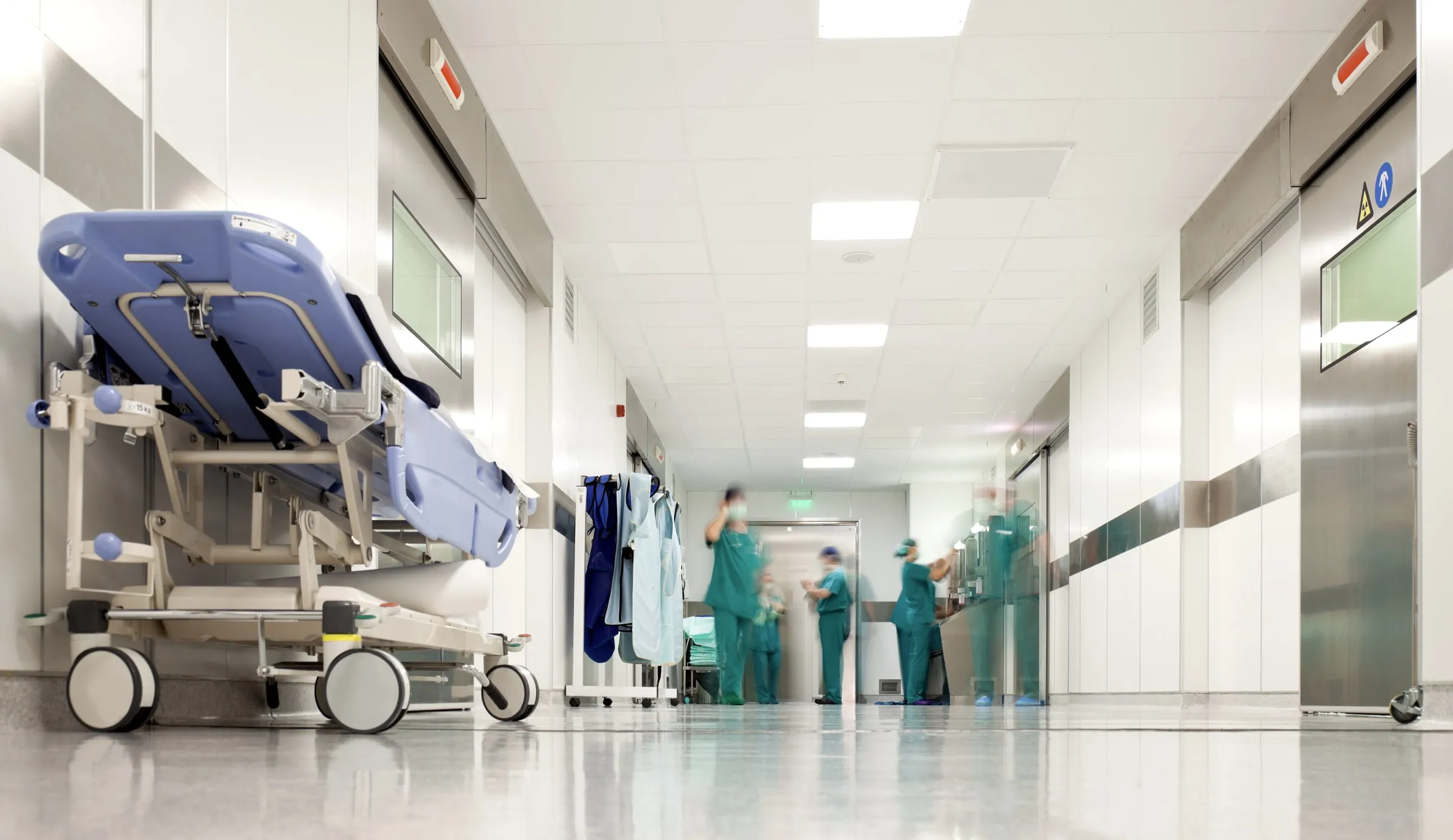
The first call is always the same
Whatever the property, whatever the situation, the first action in a medical response is the same: call 911. A resident who collapses at a mailbox, a worker who cuts a hand on a job site, a guest who has had far too much at an event, an officer’s job is never to decide whether the situation warrants a call; it always does. The reason is straightforward: EMS arriving sooner rather than later matters more than anything an officer can do in the meantime, and delaying that call to assess further only costs time the person may not have. Once the call is made, or the officer has directed someone nearby to make it, attention turns to the person.
Helping within training, not beyond it
Price Protection officers complete first aid training as part of company training, alongside fire safety, incident reporting and customer service. That training covers the basics that matter in the minutes before EMS takes over: controlling bleeding with direct pressure, placing an unconscious but breathing person in the recovery position, performing CPR, and using an AED where one is available and the officer has been shown its location. It does not cover diagnosis or treatment beyond that scope, and officers are trained to recognize the edge of what they know rather than guess past it. An officer unsure what is happening still has clear things to do: keep the person still, keep the airway clear, keep bystanders back, and keep watching for changes until EMS arrives.
What the response looks like at different kinds of property
The first-aid steps do not change by property type, but what surrounds them does. A senior living community’s post orders account for residents with existing mobility limits and often name a specific route for a wheelchair-accessible entrance. A construction site’s response has to account for a patient who may be on an upper floor or behind active work, where getting help to them safely takes priority over speed alone. An event with alcohol service sees medical calls that look different again, more often related to intoxication than injury, and post orders for that kind of post typically include a location to move a guest to privately while still monitoring them.
| Property type | What changes in the response | What post orders typically add |
|---|---|---|
| Senior living or assisted living | Mobility limits, existing conditions the person may mention | Accessible entrance route, staff contact on duty |
| Construction site | Location of the patient relative to active work, uneven terrain | Who halts nearby work, safest path to the patient |
| Hotel or event venue | Volume of guests, alcohol involvement, privacy concerns | Discreet holding area, coordination with venue staff |
| Hospital or clinic | Clinical staff may already be nearby | Officer’s role is often access and crowd control, not first aid |
Getting the ambulance to the right door
An officer’s knowledge of the property is often the difference between EMS reaching a patient directly and circling a large site looking for the right entrance. Post orders name the gate to unlock, the door to prop, the elevator to hold, and often a specific meeting point where an officer or another staff member waits to walk the crew in. On a gated community, this can mean opening a vehicle gate that is normally left closed; on a mid-rise building, it can mean holding an elevator car at the ground floor so the crew does not have to wait for it to cycle down. None of this replaces the 911 call itself; it is what makes the minutes between that call and EMS arrival useful rather than wasted on navigation.
What gets written down afterward
Every medical call gets an incident report the same day, separate from the routine daily log. The report records what the officer directly observed and did: the time of the call, a description of what was found, what first aid was given, when EMS arrived and took over, and who at the property was notified. It does not include a diagnosis, a guess at what caused the condition, or anything beyond what the officer actually witnessed; those judgments belong to EMS and, later, to the person’s own medical record. The daily report carries a single line pointing to the incident report, so a manager reading the morning log knows a call happened without needing the full detail unless they ask for it.
Why the response looks routine on paper
A well-handled medical call often reads as unremarkable in the report: a call made, aid given within training, EMS met at the door, a note filed. That plainness is intentional. The training and the post orders exist so that an officer facing a real emergency is following a sequence already worked out in advance, on the property’s own layout, rather than improvising one under pressure. What a property manager reads afterward is meant to look ordinary, because the goal of the whole system is for the response itself to be exactly that.
Coordinating with other staff on site
A medical call rarely involves the officer alone. On a property with its own maintenance or leasing staff, the post orders name who else gets a call once EMS is on the way, so a manager is not learning about a resident’s ambulance ride secondhand from a neighbor. On a construction site, a superintendent or safety lead is usually the second call, both because they may need to account for the crew and because an injury tied to the work itself often needs its own separate documentation beyond the officer’s incident report. The officer’s role in that coordination is limited but specific: make the notifications the post orders name, in the order they name them, and let the people with authority over the property or the job site take it from there.
Questions
Related questions
Do officers carry medical equipment?
Officers carry what their training covers using, typically a basic first-aid kit. Where a property has its own AED, officers are shown its location and use during the walk-through; Price Protection does not require a property to add equipment it does not already have.
What does an officer say when calling 911 for someone else?
The address or property name, the exact location on the property, what is observed, whether the person is conscious and breathing, and any hazards on scene. Dispatchers ask follow-up questions from there, and the officer stays on the line if asked to.
How is a medical call different from a general incident?
The steps are the same as any incident, observe, act, report, but the narrative in the incident report stays limited to what the officer directly saw and did. Medical history, a diagnosis or a cause of the person's condition are for EMS to determine, not the officer to record.
What happens after EMS leaves?
The officer completes the incident report the same day: the time of the call, what was observed, what first aid was given, when EMS arrived, and who at the property was notified. The daily report carries a one-line pointer to it.
Related pages
Industries we serve
Insights
Request a proposal
Request a proposal for your property.
Two short steps. Dispatch reviews every request and calls you back about coverage. For urgent unarmed coverage we can typically staff most sites within hours.
24-hour dispatch
(281) 326-9189