
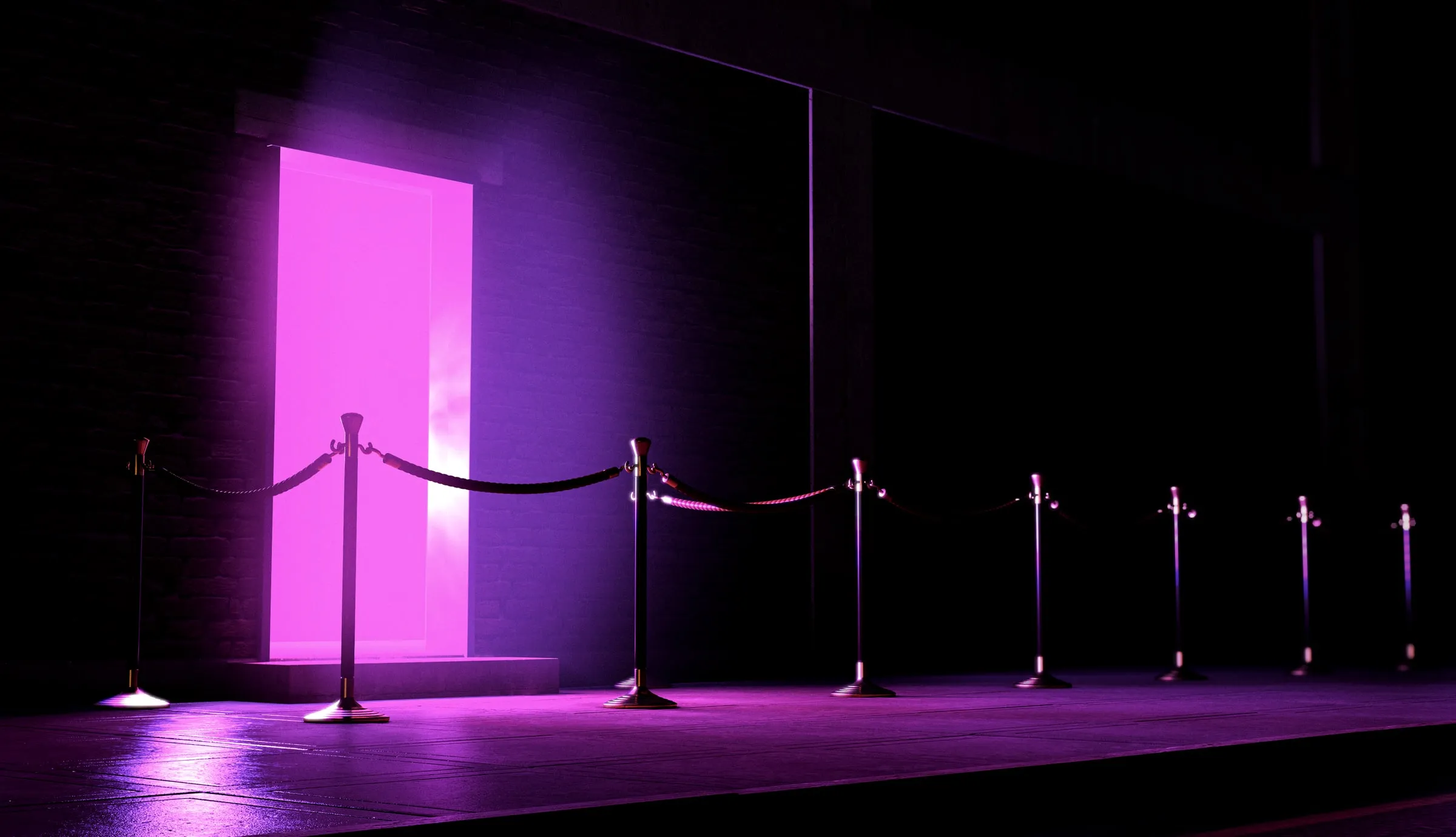
Security Guards for Bars and Nightclubs
Door, floor and lot from open to the last staff car, with every refusal and ejection written up before the lights come on.
Request a proposalThe situation
What Houston bars and clubs are dealing with between nine and three
The line and the door
A line that stops moving is where the night goes wrong first: people cutting in, IDs that do not match, a group that was refused last week, and a sidewalk full of people the club is responsible for while they wait.
Fights start in seconds
Two people bump at the bar, a drink is spilled, a comment is made about someone's partner. By the time the bartender looks up there is a circle. Getting there fast and separating people without adding to it is the whole job.
Intoxicated guests are the club's problem
A guest who is over-served and leaves, a guest who passes out in the restroom, a guest who is cut off and starts a scene. Each is a report the club needs to have written the same night, with times, in case the question comes later.
The lot at two
Closing sends the whole crowd into the lot at once, into rideshare pickups, arguments that were paused inside and cars that have been sitting unattended for four hours. The worst incidents at a club tend to happen outside, after close.
Door, floor and lot: three jobs in one night
A nightclub post is a crew, not a guard. The door needs at least one officer beside the door host for the whole night, the floor needs officers who move and can reach any corner of the room quickly, and the lot needs someone outside from midnight until the last employee drives away. Price Protection staffs Houston bars and clubs with crews built that way, sized to the room’s capacity, the number of bars and the nights the promoter fills it, with a lead officer who is the general manager’s single point of contact from the pre-shift meeting to the last report.
The post orders come from a walk-through with the general manager and the head of door. They record the capacity, the age policy, the banned list and how it is updated, the dress code, re-entry, whether bags are checked and how, the VIP entrance and its list, where the cameras are and who can pull footage, the club’s medical procedure, the police detail’s role and contact, and the closing procedure for the crowd, the staff and the cash. They are reviewed with the club every month and whenever a promoter or a format changes.
How ejections and fights are handled
Officers end fights; they do not join them. The floor officers reach the circle, separate the people involved, and walk them out different doors so the argument does not restart on the sidewalk. Texas Penal Code chapter 9 governs what force a private person may use, in self-defense under section 9.31 and in protection of property under section 9.41, and the post orders hold officers to the least force that ends the situation. Anyone who has to be arrested, and anyone who has been hurt, is a matter for the police and EMS; the officers hold the scene, keep witnesses and staff in place and hand it over. This is a summary, not legal advice. Every ejection gets a written report before close, with the camera time, so the club’s account of the night exists before anyone else’s.
Closing time
The last hour is the most dangerous one and the post orders treat it that way. The lot officer moves to the rideshare pickup zone at last call, the floor officers clear the restrooms and the patio before the lights come up, and the door officers manage the sidewalk while the crowd disperses. Staff leave in groups, walked to their cars, and the manager with the deposit leaves last with the lot officer alongside. An armed officer in the lot for that hour is the most common addition Houston clubs make to an unarmed crew, and it is written into the post orders as a separate position with its own orders.
Post orders, promoters and the police detail
A club’s risk changes with the promoter. A live band night, a DJ night, a college night and a private buyout draw different crowds with different problems, and the crew size and the door policy are set per night, not per club. Where the club hires an off-duty police detail, the officers take the door, the floor and the lot around it and hand enforcement to the detail. The insight on how security guards coordinate with Houston police explains the split in more detail.
Starting coverage before the weekend
Dispatch needs the address, the capacity, the nights and hours, the number of entrances, whether there is a lot, the door policy and the banned list, and whether a police detail is hired. A crew can usually be on the door by the coming weekend, and an unarmed officer can often be there the same night when a club has lost its door staff or had an incident. The proposal states the crew size by night, the positions and the hourly schedule in writing.
How we cover it
Every service, applied to this post.
- Unarmed security guards
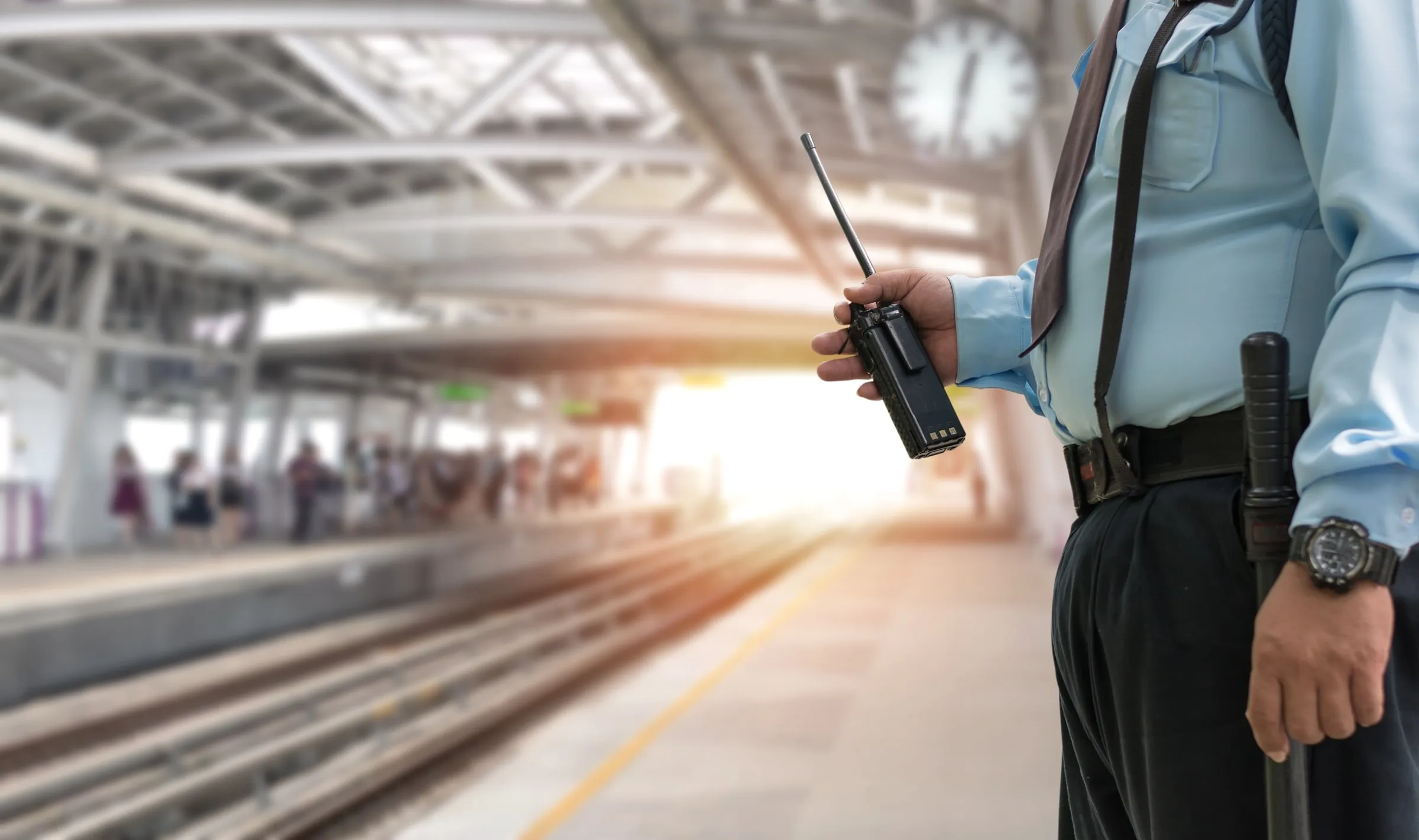
Unarmed officers work the door and the floor: ID and guest list checks with the door host, capacity counts, bag checks where the club's policy calls for them, floor rounds through the restrooms and the patio, and the first response to a fight.
- Armed security guards
An armed Level III officer in the lot at closing is the most common armed request from Houston clubs. The officer is outside, visible, watching the rideshare zone and the far rows, and is the person the police detail coordinates with. Inside the club the officers stay unarmed.
- Access control
The door runs on the club's rules: age checks, dress code, the banned list with photos, capacity, re-entry and the VIP list. Officers do not decide the rules; they apply them the same way to everyone, and every refusal is logged so a pattern at the door is visible by the end of the month.
- Camera monitoring
Clubs have cameras on the door, the bar, the dance floor and the lot. An officer in the office watches them on busy nights and sends floor officers to a circle forming before a bartender has to call, and pulls footage of an ejection while the memory is fresh.
- Incident reporting
Every ejection, refusal, medical call, police contact and use of force gets its own written report before the officer leaves, with the names of the club staff involved. The general manager has the pack in the morning, and the club has it when a guest or an attorney asks.
A typical post
What a shift looks like here.
The crew arrives at nine and meets the general manager and the head of door: tonight's promoter, the guest list, who is on the banned list, which bartenders are new. The line is set with the stanchions, and the lot officer walks the rows and notes the cars already there.
From eleven the door is steady: IDs checked with the door host, bags checked by the club's policy, a count kept against capacity. A man on the banned list tries the line twice; he is refused both times and the second refusal is logged with a description for the police detail outside.
At a quarter past one a circle forms by the far bar. Two floor officers reach it, separate the two people, walk one out the side door and one to the patio, and the camera officer marks the time. Both get an ejection report before close. Nobody is hit.
At last call the lot officer moves to the rideshare zone, the floor officers clear the restrooms and the patio, and the door officers walk the crowd out onto the sidewalk. Staff and the night's cash leave last, walked to their cars, and the reports are handed to the manager.
Reporting
What the daily report covers here
Every client receives a written report each day, and officer performance is reviewed and documented daily. This is what the report records on this kind of post.
- Door refusals by reason: ID, banned list, dress code, intoxication, capacity
- Ejections with the time, the officers involved, the camera reference and how the guest left
- Fights and disturbances, with the location in the club and whether police were called
- Medical calls: passed-out guests, injuries, EMS notified and when
- Capacity counts at set times through the night
- Lot rounds, rideshare zone notes and vehicle incidents at close
- Staff and cash walk-outs, with the time the last employee left
Do your officers check IDs at the door?
Yes, with the club's door host and to the club's standard. The officer checks the ID, the door host handles the cover charge and wristbands, and refusal decisions follow the post orders. Serving decisions and the club's permit obligations stay with the bar staff and the permit holder.
Do we need an officer in the lot as well as at the door?
At most clubs, yes, at least from midnight to the last staff car. The lot is where paused arguments resume and where vehicles get broken into. Smaller bars with street parking and no lot run a door and floor crew only.
Can officers physically remove someone who is fighting?
Officers separate people and walk them out with the least force the moment needs, then hold the scene for police if anyone has to be arrested. Officers never fight a guest; they end the fight. The section on ejections below summarizes what Texas law allows.
Will every ejection be written up?
Yes. Every ejection, refusal for intoxication and medical call gets its own written report the same night, with the camera time. The club needs that record for its permit, for a claim and for the door staff who work the next night.
Do you staff armed officers at nightclubs?
For the lot and the cash walk-out, when the club asks and the post orders justify it. Armed officers are Level III commissioned officers, state-certified for firearms. Inside the club the crew is unarmed.
Do your officers work alongside our off-duty police?
Yes. Many Houston clubs hire a police detail for the sidewalk and the lot. The post orders say what our officers handle and what goes straight to the detail, and the lot officer is in contact with them all night.
Related pages
Industries we serve
Service areas
Insights
Glossary
Request a proposal
Request a proposal for bars and nightclubs.
Two short steps. Dispatch reviews every request and calls you back about coverage. For urgent unarmed coverage we can typically staff most sites within hours.
24-hour dispatch
(281) 326-9189