
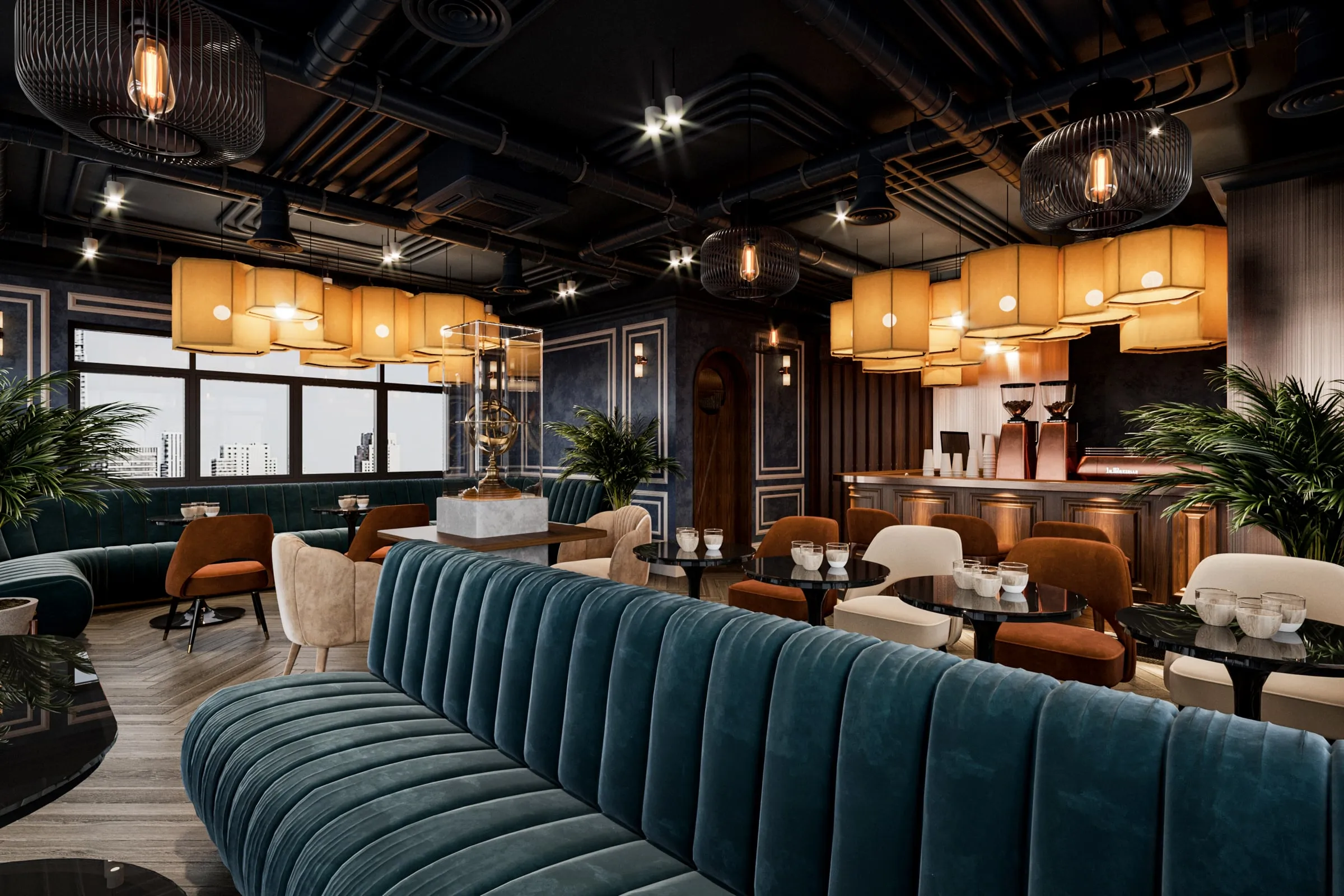
Security Guards for Restaurants and Lounges
One officer from the late seating to the last staff walk-out, at the door when the dining room turns into a lounge and in the lot when it empties.
Request a proposalThe situation
What restaurants and lounges deal with after the kitchen closes
The room changes at ten
A dinner house with a DJ on Friday is a restaurant until the last entrée leaves the pass and a lounge after that. The guests change, the volume changes, and the host stand that seated families is now the door of a bar, without a doorman.
Refusals fall on the manager
Cutting off a guest at the bar, telling a party the patio is closed, declining a group that arrives already drunk: every one of those is a confrontation, and it lands on the manager or a server who then has to keep serving that table.
Dine-and-dash and the walk-out
Guests who leave without paying, a purse taken from the back of a chair, a phone lifted from a patio table. Small losses, no witnesses, and staff who are busy enough not to notice until the table is bussed.
The lot at close
Servers and bartenders leave at two in the morning carrying cash tips, walking to the far end of a lot that the valet stand left an hour earlier. Vehicle break-ins in restaurant lots cluster in that last hour.
The turn from dinner to late night
Most restaurants that call Price Protection are not bars, but for a few hours on a few nights they run like one. The lights go down, the music comes up, the patio fills with people who did not eat, and the host stand becomes a door. The staff who were serving a family at seven are pouring for a bachelorette party at midnight, and the general manager is the only person with the authority to say no to anyone. A restaurant post is written for that turn: one unarmed officer, arriving before it happens, standing where the manager needs a second person, and leaving after the staff do.
The post orders are written with the general manager and the bar manager. They cover the hours, the dress code if there is one, the patio capacity, the rule on re-entry, who at the restaurant can decide a refusal, what the bar’s cut-off looks like in practice, where the cameras are and who can pull footage, where the staff park and what time the valet leaves. Officers do not touch the bar, the register or the reservation list. The job is the door, the room, the patio and the lot.
Where restaurant incidents actually start
They start at the bar, at the host stand and in the lot, in that order. At the bar it is a guest who has been cut off and will not accept it, or two tables that started an argument over a seat on the patio. At the host stand it is a group that arrives at midnight already loud, or a party that was told the kitchen is closed and wants to stay anyway. In the lot it is a vehicle break-in while the owner is inside, or a confrontation that started at the bar and moved outside. The officer’s position moves through the night to match: the lot and patio early, the door when the room turns, the bar area when the bartenders signal, and the lot again at close.
One officer, the door and the lot
A single officer covers a restaurant because the building is small and the manager is close. The officer at the door sees everyone who comes in and is the first person a departing guest passes. A walk through the patio and the lot every half hour is enough to see a car with a broken window or a group gathering by the dumpsters. The officer does not need to be large or loud, and the de-escalation training every officer receives matters more at a restaurant than anywhere else: the aim is for the surrounding tables never to notice. Restaurants with a large patio, a second bar upstairs or a lot shared with a strip center are set up with two officers on their busiest night.
Working alongside the general manager and the bar
The manager decides; the officer carries it out and writes it down. A bartender who wants a guest gone signals the officer, not the manager, so the manager keeps running the floor. A server whose table walked out tells the officer, who pulls the camera time and the description. The report the next morning lists every refusal, every cut-off and every walk-out with times, which is what the owner reads on Monday and what the restaurant has if a guest complaint turns into something more.
Booking the post
Restaurants usually book a weekend post for Thursday through Saturday, from the last seating to the walk-out, and add nights for holidays, a private buyout or a big game on the televisions. Dispatch needs the address, the nights and hours, whether there is a patio and a lot, the cut-off and re-entry rules, and a contact for a short walk-through. A new restaurant post can usually be on the door the same week, and often the same night when the manager has a reason to hurry.
How we cover it
Every service, applied to this post.
- Unarmed security guards
An unarmed officer from the late seating to close plus the staff walk-out, typically Thursday through Saturday, is the restaurant post. The officer stands at the entrance once the room turns, walks the patio and the lot on a schedule, and is the person the manager points to when a guest has to be refused.
- Access control
During lounge hours the officer manages the door on the restaurant's rules: the private dining guest list, the patio capacity, the no re-entry policy if there is one, and the group at the host stand that has clearly been somewhere else first. Refusals are polite, short and logged.
- Camera monitoring
Most restaurants have a few cameras on the register, the bar and the back door. The officer checks them from the office when a guest leaves without paying or a bag goes missing, so the manager has a description and a time for the police report the same night.
- Incident reporting
The daily report goes to the general manager and the owner: door refusals, guests cut off, walk-outs, patio and lot rounds, and staff escorted to vehicles. An incident that involves a guest complaint or a police call gets its own written report before the officer leaves.
A typical post
What a shift looks like here.
The officer arrives at nine, checks in with the manager on duty and the bar manager, and walks the patio and the lot while the last dinner tables are finishing. The lighting at the far end of the lot is noted, and the valet stand is asked when it closes.
When the DJ starts the officer takes the entrance. A group of six arrives loud; the officer speaks to the host, the manager decides, and the group is turned away with a short explanation and no argument. The refusal goes in the log with the time.
At half past midnight a bartender signals that a guest at the end of the bar has been cut off and is not accepting it. The officer walks over, stands with the guest, talks him toward the door and waits with him until his ride arrives. Nobody at the surrounding tables looks up.
After last call the officer walks the lot every fifteen minutes, then stands at the back door as the kitchen and bar staff leave, walking each group to their cars. The report is finished in the office with the manager before the alarm is set.
Reporting
What the daily report covers here
Every client receives a written report each day, and officer performance is reviewed and documented daily. This is what the report records on this kind of post.
- Door refusals during lounge hours, with the time, the reason and the manager who decided
- Guests cut off at the bar and how each left the property
- Walk-outs and thefts reported by staff, with the camera time and a description
- Patio and parking lot rounds, with lighting and vehicle notes
- Staff escorted to vehicles at close, by time
- Calls to police or EMS, with the reason and the time
We are a restaurant, not a bar. Do we still need an officer?
If the room turns into a lounge after dinner, serves late, or has a patio and a lot that empty after midnight, the risks are the same as a bar's for those hours. Restaurants that close at ten and serve families rarely need a post; the ones that book us have a late crowd two or three nights a week.
What hours do restaurants usually book?
From the last seating to the end of the staff walk-out, typically nine to half past two, on Thursday, Friday and Saturday. Some add Sunday brunch when a bottomless mimosa service brings its own problems, and some run a shorter door post on weeknights with live music.
Will an officer at the door put guests off?
An officer in uniform who greets people and opens the door is read as a sign the restaurant takes care of its guests. What puts guests off is a fight at the bar with nobody to handle it. Officers assigned to restaurants are chosen for manner and trained in customer service first.
Can the officer walk our staff to their cars?
Yes, and it is written into the post orders as the last task of the night. The officer waits at the back door, walks each group to their vehicles and stays in the lot until the manager sets the alarm and leaves.
What happens when a guest leaves without paying?
Officers do not chase. The officer notes the description, the direction of travel and the vehicle if there is one, pulls the camera time with the manager, and the restaurant decides whether to call police. The theft is written up the same night.
Related pages
Industries we serve
Service areas
Insights
Glossary
Request a proposal
Request a proposal for restaurants and lounges.
Two short steps. Dispatch reviews every request and calls you back about coverage. For urgent unarmed coverage we can typically staff most sites within hours.
24-hour dispatch
(281) 326-9189