
Security Guards for Event Venues
Your officers, your rules, every rental: staffed from the month's calendar, present from load-in to load-out, reporting on each event.
Request a proposalThe situation
What venue operators deal with when the building is rented
The host's guests are not your guests
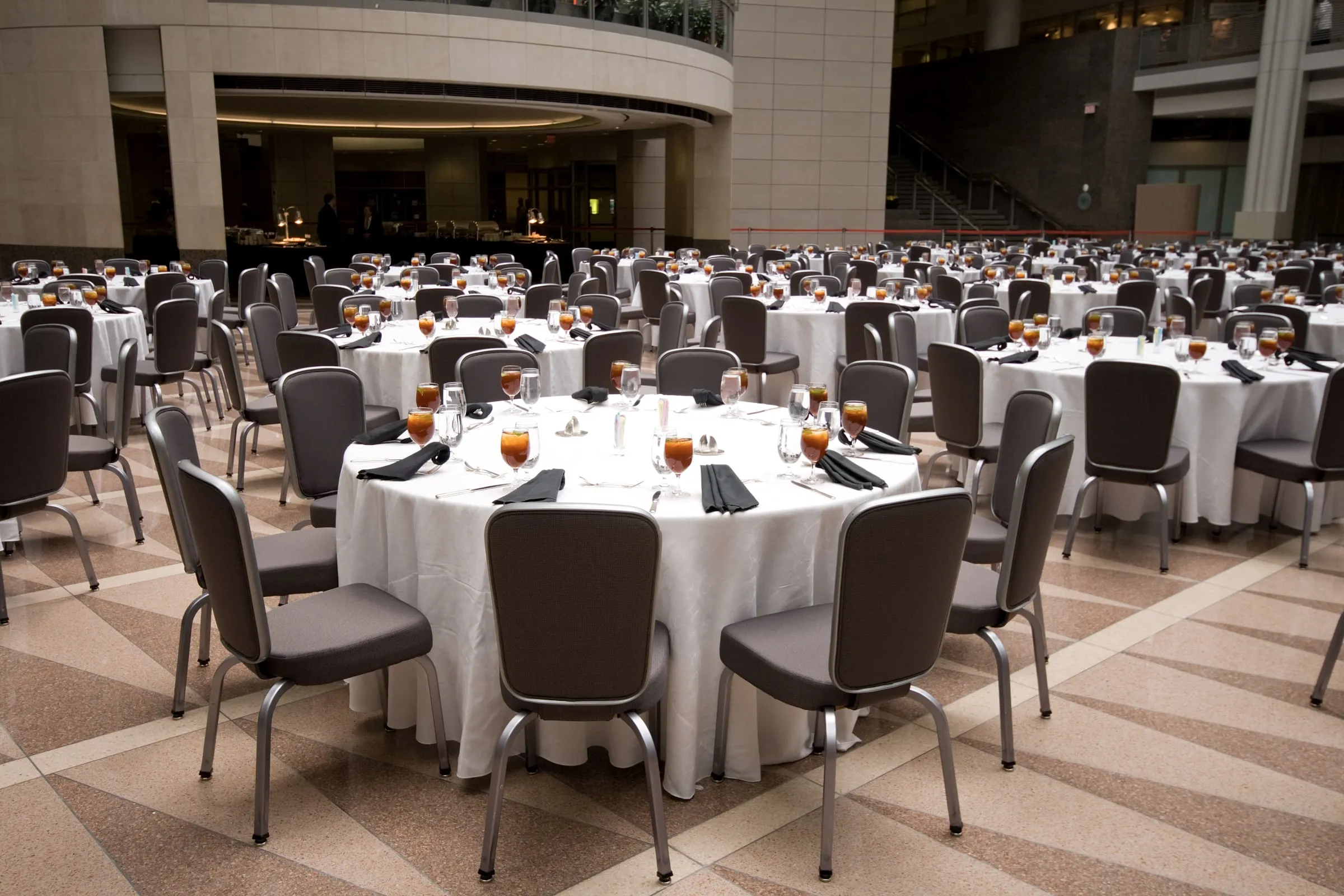
The person who rented the hall invited everyone in the room, and the venue meets them for the first time at the door. Their bar, their DJ and their family disputes arrive with them, and the venue is responsible for the building, the neighbors and the permit while they are inside.
Outside alcohol and the bar contract
A venue's liquor arrangement, whether an in-house bar, a licensed caterer or a bring-your-own policy, is undone by a cooler in a trunk. Bottles carried in from the lot break the venue's rules and its bar's obligations, and the venue's staff are the last people who want to search a guest.
End times and the neighbors
Every rental has an end time in the contract and every host wants one more song. A hall in a neighborhood or a strip center has a noise curfew and a lot that has to be empty by a set hour, and the coordinator alone cannot clear a room that does not want to leave.
Load-in and load-out open the back door
Caterers, florists, DJs and rental companies come through the dock for hours before and after the event. The back door is propped, the loading area is full of equipment, and nobody is watching who else comes in while the room is being set.
The venue’s officer, not the host’s
A reception hall, a ballroom, a converted warehouse or a garden venue hosts a different crowd every weekend, and the one constant is the building. Price Protection sets venues up so the security is the venue’s: one set of post orders written with the venue manager, the same lead officers across events, and a crew for each rental sized to that rental’s guest count and bar. The host gets a professional at the door; the venue gets someone who knows where the breaker panel is, what the noise curfew says and which neighbor calls the city.
That distinction matters most when the host and the venue disagree. The bar is closing at the contracted time, the cooler stays in the car, the end time is the end time. The officer carries the venue’s decision, made in advance, so the coordinator is not negotiating with a guest at midnight.
A calendar, not a single date
Venues do not book officers one event at a time. The venue manager sends dispatch the month’s events with the date, the hours from load-in to load-out, the expected attendance, the bar arrangement and anything the coordinator already knows about the host. Dispatch staffs each event from that list under the venue’s standing post orders, with the crew size set by a rule the venue and Price Protection agree in the proposal, for example one officer for a seated dinner without a bar and more as the guest count and the open bar go up. Late additions are staffed as they come. Most venues pass the cost to the host through the rental agreement, and the insight on how security contracts are structured covers the hours and notice terms a venue should expect.
Load-in, doors, end time, load-out
An event at a venue has four moments the officer is positioned for. Load-in, when the dock is open for hours and vendors are carrying in equipment nobody has counted. Doors, when the entrance needs a list, a count and a polite refusal for the outside bottle. The end time, when the room has to empty and the lot has to clear before the neighbors’ curfew. Load-out, when the same dock is open again, the host’s family is loading gifts and centerpieces, and the venue’s own equipment is at risk of leaving with them. The loading dock insight covers the dock problem in more depth; the post orders for a venue treat it as the officer’s first and last job of the night.
What the venue coordinator gets
A lead officer to talk to all night, a crew that already knows the building, and a report after every event that records the timeline, the counts, what was refused, what happened and what was found damaged. Coordinators use the report to settle deposit disputes with hosts, to answer a neighbor’s complaint and to plan the next event with the same host. Officer performance on each event is reviewed against the report, which is how a venue’s post orders improve month to month.
Setting up a standing arrangement
Dispatch needs the venue’s address and capacity, the layout with entrances, the dock and the lot, the bar arrangement, the noise and end-time rules, the rental agreement’s security clause if there is one, and next month’s calendar. A walk-through with the venue manager produces the post orders, and the first event can usually be staffed within the week. Venues that only need an officer for a single rental can book it as a one-event post and move to a standing arrangement later. The event security planning checklist lists what to have ready before the call.
How we cover it
Every service, applied to this post.
- Unarmed security guards
The venue post is one or more unarmed officers per event, present from the start of load-in to the end of load-out, positioned at the main entrance during the event and at the dock and the lot around it. Crew size is set per event from the guest count and the bar.
- Access control
The officer at the entrance works the host's guest list or wristbands, turns away outside alcohol at the door, keeps the count against the room's capacity, and holds the vendor entrance to vendors only. Refusals are the venue's decision, made in advance in the post orders.
- Armed security guards
Venues that host events they consider higher risk under their own policy, or that handle cash at the door, can add an armed officer in the lot. The venue decides which events; the armed position is written separately in the post orders.
- Camera monitoring
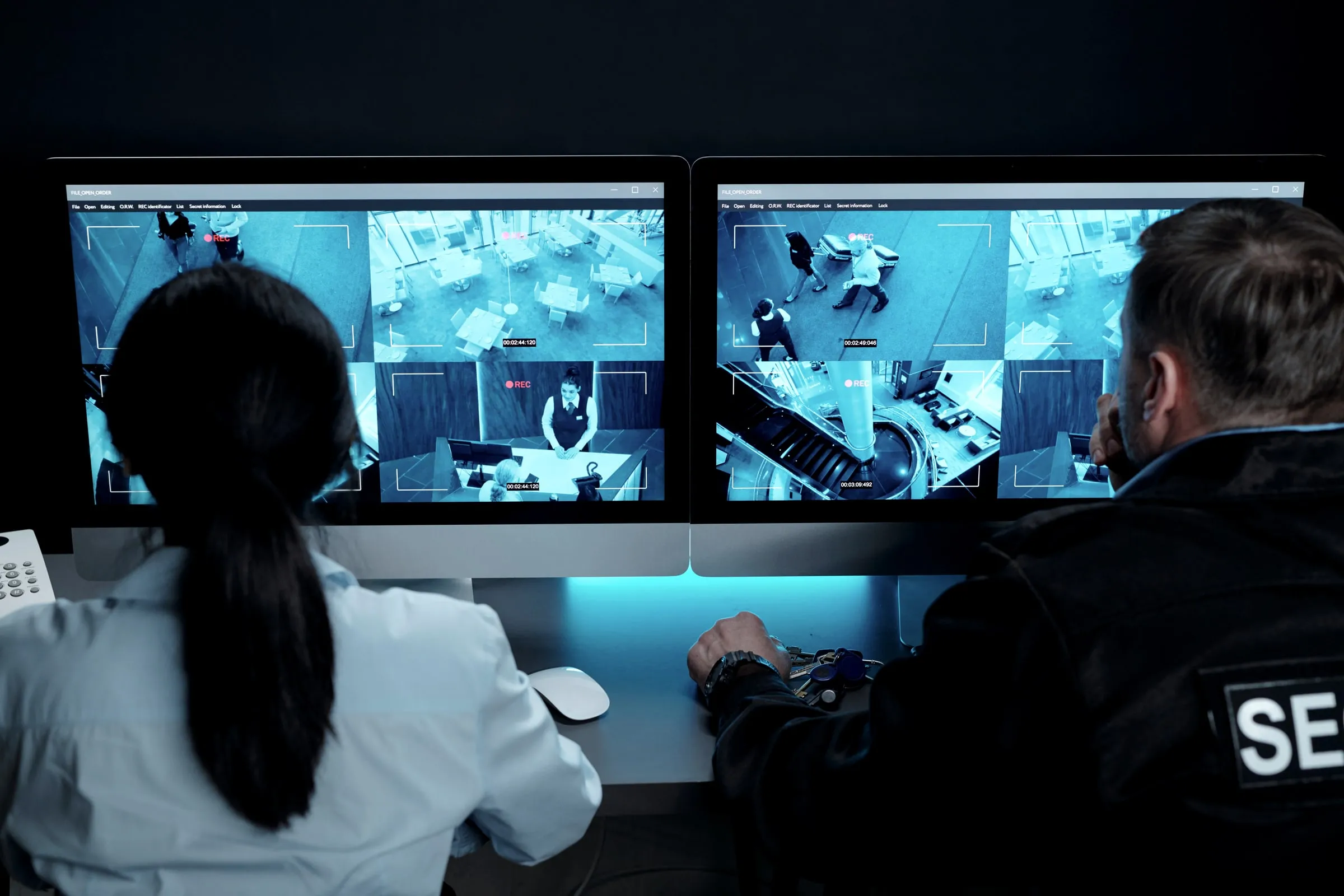
Where the venue has cameras on the entrance, the hall, the dock and the lot, the lead officer watches them from the office during the event and pulls the footage of any incident before the host leaves, so the venue's record is complete the same night.
- Incident reporting
Each event ends with a written report to the venue manager: the timeline, the counts, refusals, outside alcohol found, incidents, damage noticed, the time the last guest and the last vendor left. Damage disputes with a host are settled with that report.
A typical post
What a shift looks like here.
The officer arrives at the start of load-in, walks the hall with the venue coordinator, confirms the end time and the bar arrangement for tonight's event, and posts at the dock while the caterer and the DJ unload, keeping the back door from staying propped.
At doors the officer moves to the entrance with the host's guest list. A cooler comes out of a trunk in the lot; the officer meets the guests at the door, explains the venue's policy, and the cooler goes back to the car. The refusal is noted, without a scene.
During the event the officer rounds the lot, the restrooms and the patio between stints at the door, and watches the cameras from the office when the coordinator asks. A dispute between two guests near the bar is settled by walking one of them outside to cool off.
At the end time the coordinator makes the announcement and the officer stands at the exit as the room empties, then returns to the dock for load-out. The lot is clear and the report is with the coordinator before the officer leaves.
Reporting
What the daily report covers here
Every client receives a written report each day, and officer performance is reviewed and documented daily. This is what the report records on this kind of post.
- Event timeline: load-in start, doors, bar close, end time, last guest out, last vendor out
- Entrance counts at set times and the peak count against capacity
- Outside alcohol turned away and refusals at the door, with times
- Guest disputes and how each was resolved, with police called or not
- Damage or spills noticed in the hall, restrooms or lot, with the time found
- Dock and back door checks during load-in and load-out
Do you contract with the venue or with the person renting it?
With the venue, in most cases. The venue keeps one set of post orders, sends dispatch its calendar, and passes the cost to the host under its own rental agreement. Some venues prefer the host to book directly; either way the officer follows the venue's rules.
Can we require your officers in our rental agreement?
Yes, and many venues do: the rental contract states that security is provided by the venue's chosen company at the host's cost, with the crew size set by guest count and bar service. That keeps the officer answerable to the venue rather than to the host.
How far ahead do you need our event calendar?
A month ahead is comfortable; dispatch takes each event's date, hours, expected attendance and bar arrangement and staffs it. Events added during the month are staffed as they come, and a single officer can usually be found for a late addition.
What does the officer do during load-in and load-out?
Holds the dock and the back door. Vendors come and go for hours with the door open, and the officer keeps the entrance to vendors only, notes who arrived, and makes sure the equipment in the loading area stays the vendor's responsibility and not the venue's.
What if the host's guests will not leave at the end time?
The coordinator makes the announcement and the officer stands at the exit, thanks people and keeps them moving. A guest who refuses is asked again and, if the post orders allow, warned; police are called only when someone will not leave the property at all. It rarely gets that far when the officer has been visible all night.
Do you cover outdoor venues and tents?
Yes. Garden venues, barns and tented lawns get the same post, with the lot and the perimeter of the tent taking the place of the dock, and a weather line in the post orders during hurricane season.
Related pages
Industries we serve
Service areas
Insights
Glossary
Resources
Request a proposal
Request a proposal for event venues.
Two short steps. Dispatch reviews every request and calls you back about coverage. For urgent unarmed coverage we can typically staff most sites within hours.
24-hour dispatch
(281) 326-9189