
Security Guards for Hotels
A lobby that never closes, guest floors that must stay private and a garage nobody watches after midnight. The overnight post covers all three.
Request a proposalThe situation
What Houston hotels deal with after the front office thins out
Non-guests in a building that is open all night
The lobby doors never lock, so anyone can walk in at three in the morning and sit down, use the restroom, ride the elevator or follow a guest to a floor. A single front desk agent on the night audit cannot leave the desk to deal with it.
Guest floors and the rooms nobody can see into
Noise from a room party, an argument behind a door, a guest who lost a key and a visitor the guest did not invite all land on the same corridor. The front desk hears the call; someone has to go up.
The garage and the surface lot
Vehicles parked overnight by people who are asleep upstairs are the easiest targets on the property. Broken glass in a hotel garage is a complaint at checkout, a post online and a question about what the hotel was doing at the time.
The bar, the pool and the late check-in
Hotel bars close late and the guests keep the party going at the pool. Late check-ins arrive tired and sometimes drunk. Airline crews, conference groups and wedding blocks each change the mood of the building for a night.
A post built around the hours the front office is thin
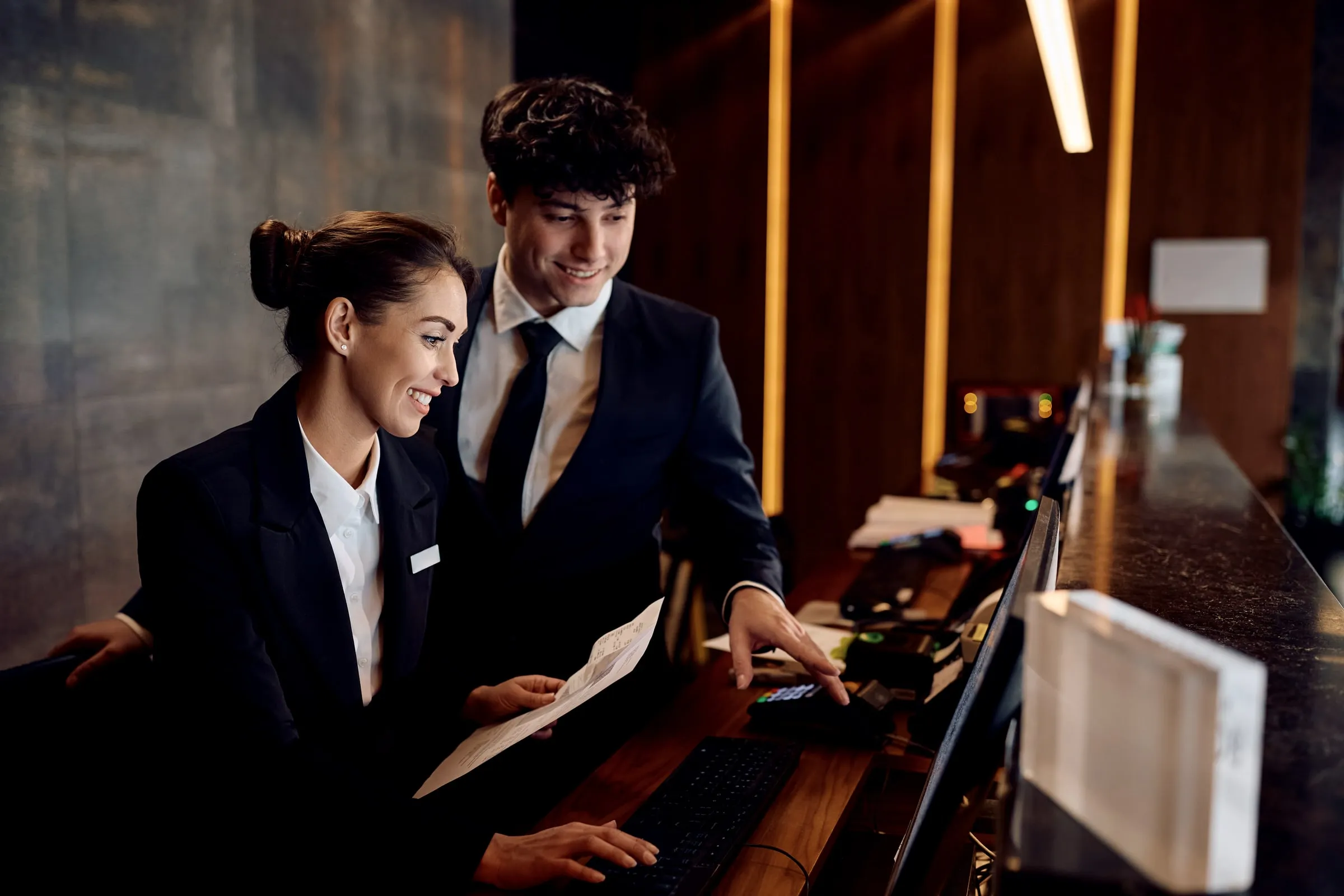
A hotel is a building that is fully open and mostly asleep at the same time. From late evening until the breakfast service, the night auditor is often the only employee in the public areas, and every call from a guest floor, every stranger in the lobby and every sound from the garage lands on that one person. Price Protection sets hotels up with an overnight lobby post for exactly that window, and where occupancy or the bar calls for it, an evening post that starts when the restaurant seats its last table. The officer is visible at the desk, moves on a schedule and comes back, so the lobby is never left to the phone.
Post orders are written with the general manager and the front office manager before the first night. They record the hotel’s hours for the pool, the fitness room and the bar, the rule for visitors on guest floors, how the desk verifies a guest without a key, where the manager on duty can be reached, what the hotel does for a guest in medical trouble, and how a trespass warning is issued on the hotel’s behalf. Room-level decisions stay with the hotel; the officer carries them out and records them.
Guest floors, the garage and the pool deck
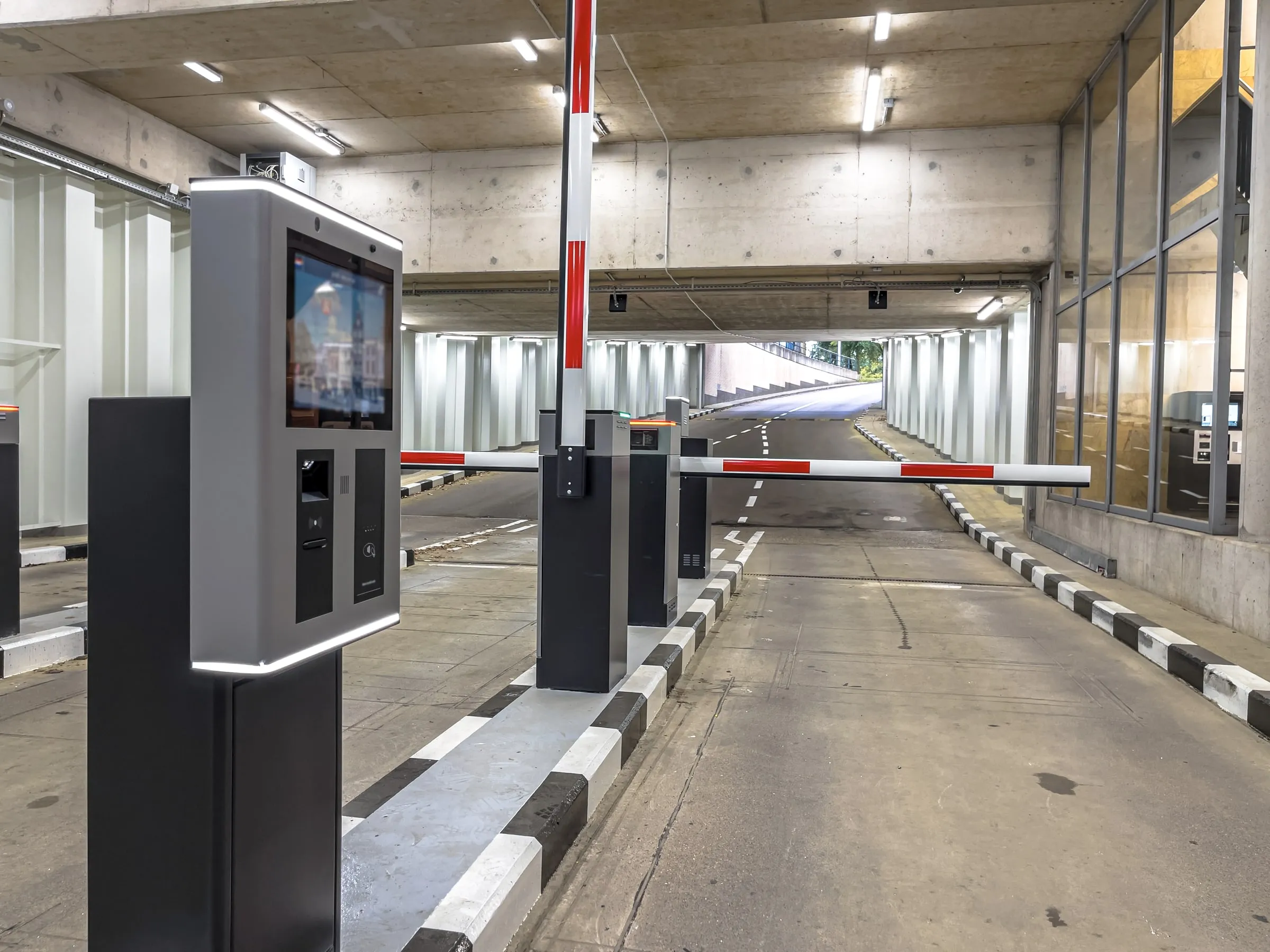
The three places a hotel loses control at night are the corridors, the garage and the pool. Corridors are where noise, uninvited visitors and room parties happen, and an officer walking them on an irregular schedule, quiet and in uniform, is what stops most of it before the desk has to call anyone. The garage is where the vehicles are, and vehicle break-ins are the loss a hotel hears about at checkout. Rounds through every level, with a note of open windows, people in parked cars and lights that are out, are the answer. The pool is where a conference group or a wedding block goes after the bar closes; the gate gets locked at the posted hour and checked every round afterward.
Working with the front desk and the manager on duty
The officer works from the desk, not apart from it. The night auditor knows which rooms have complained and which guests are expected late; the officer knows what is happening on the floors and in the lot. Between them they cover the building. Anything the officer does on a guest floor is reported to the desk so it goes on the guest’s file, and anything the desk hears from a guest that needs someone to go up is handed to the officer. The manager on duty is called for the decisions the post orders reserve for the hotel: moving a room, refunding a guest, evicting a guest, calling police for something short of an emergency.
When the sprinklers or the alarm panel are out of service
Hotels renovate with guests in the building, and a sprinkler zone or the alarm panel goes down for days at a time. Under the fire code the fire department and the fire code official are notified, and where the official requires it, a fire watch runs until the system is restored. Price Protection staffs hotel fire watches with logged rounds through every floor and the mechanical spaces, and the same officer group can hold the security post, so the hotel is not briefing two companies. The insight on fire watch during hotel sprinkler repairs explains how the two posts fit together.
Getting a hotel post started
Dispatch needs the property address, the number of rooms and floors, whether there is a garage and a bar, the hours wanted, a copy of the hotel’s visitor and pool policies and a contact for the walk-through. Unarmed coverage can usually begin within hours of the request when a hotel has an immediate problem, with the post orders finished on the first walk-through and refined over the first week. Hotels that only need cover for a conference block, a wedding weekend or the rodeo can book those nights as a temporary post.
How we cover it
Every service, applied to this post.
- Unarmed security guards
The standard hotel post is an unarmed officer in the lobby from late evening to early morning, seven nights a week or on the nights the hotel's occupancy calls for. The officer is part of the guest experience, so manner, uniform and a calm voice matter as much as the rounds.
- Access control
The officer watches the elevators and the stair doors, asks non-guests in the lobby what they need, escorts guests who lost keys while the desk verifies them, and checks that the pool gate, the fitness room and the business center are locked at their posted hours.
- Vehicle patrol
Full-service hotels with a large surface lot or a multi-level garage add a vehicle round, or a foot round every hour through the garage levels, with the officer looking for open vehicles, people sleeping in cars and lighting that is out.
- Camera monitoring
The hotel's own cameras cover the lobby, the elevators, the corridors and the garage. The officer watches them from the desk or the security office between rounds, which is how a person riding the elevator floor to floor gets met before a guest calls down.
- Incident reporting
The daily report reaches the general manager and the director of operations before the morning meeting: rounds by floor and garage level, noise calls with room numbers, non-guests asked to leave, welfare checks, and every incident with its own written report.
- Fire watch
When a sprinkler zone or the fire alarm panel is out of service for repairs, the fire code can require a fire watch until it is restored. Price Protection staffs hotel fire watches with logged rounds through every floor, and the log is available to the fire marshal on request.
A typical post
What a shift looks like here.
The officer takes the post at the front desk at eleven, reads the handover from the evening manager on duty, notes which floors have the wedding block and which rooms have complained already, and walks the pool deck to clear it at closing and lock the gate.
Rounds through the guest floors alternate with rounds through the garage, an hour apart, with the officer back at the desk between them watching the cameras while the night auditor runs the close. A noise call comes in at one; the officer knocks, speaks to the guest, and reports the room to the desk so it goes on the file.
At three a man who is not a guest is asleep on a lobby sofa. The officer wakes him, asks whether he is staying with a guest, and when the answer is no, walks him to the door and notes the time and description. If he comes back, it is a trespass warning and a call to police.
Before the morning shift the officer checks the loading dock as the first deliveries arrive, walks the garage once more as guests begin to leave, and finishes the daily report so the general manager reads it at the morning meeting.
Reporting
What the daily report covers here
Every client receives a written report each day, and officer performance is reviewed and documented daily. This is what the report records on this kind of post.
- Guest floor rounds by floor, with the times and anything found in the corridors
- Garage and surface lot rounds, with vehicles logged and lighting that is out
- Noise and disturbance calls, with the room number and how each was resolved
- Non-guests asked to leave the lobby, the bar or the pool deck, with descriptions
- Welfare checks and medical calls, with the time EMS or police were notified
- Pool, fitness room and business center closings, with the time each was locked
- Fire watch rounds and equipment checks when a system is out of service
Can one officer cover a hotel overnight?
For most limited-service and mid-size hotels, yes: one officer at the lobby who rounds the floors and the garage on a schedule, with the desk covering the lobby while the officer is up. Large full-service properties with a garage, a bar and event space usually need a second officer on busy nights so the lobby is never empty.
Do your officers go up to guest floors for noise complaints?
Yes, when the post orders say so, and at most hotels they do. The officer knocks, speaks to the guest politely, asks for the noise to stop and reports the room number to the desk. Entry into a room follows the hotel's own procedure, with the manager on duty.
How do officers handle someone who is not a guest?
By asking. Most people in a hotel lobby at night have a reason to be there. Someone who does not is asked to leave, and the time and description go in the report. A person who refuses or returns receives a trespass warning on the hotel's behalf and police are called.
Do you cover the hotel's fire watch when the sprinklers are down?
Yes. A sprinkler impairment or an alarm outage during repairs can trigger a fire watch requirement under the fire code, and the same company can staff the watch and the security post. The watch keeps a separate log with round times and areas checked.
Can the officer help with late check-ins and lockouts?
The officer can escort a guest to a room, stand by while the desk reissues a key, and stay with an upset guest until the manager on duty arrives. Officers do not issue keys or handle payment; that stays with the front desk.
Related pages
Industries we serve
Services
Service areas
Insights
Glossary
Request a proposal
Request a proposal for hotels.
Two short steps. Dispatch reviews every request and calls you back about coverage. For urgent unarmed coverage we can typically staff most sites within hours.
24-hour dispatch
(281) 326-9189