
Fire watch and compliance
Fire Watch for Hotels During Sprinkler Repairs
By Price Protection SecurityReviewed TX DPS Lic #B09430601
Short answer
A hotel with a sprinkler system out of service almost always keeps a fire watch rather than closing, because a hotel's guests are transient, unfamiliar with the exits and often asleep. Under IFC 901.7, the fire code official decides whether a watch is sufficient or the affected floors must be evacuated, and hotels typically staff continuous coverage across the guest floors, public areas and back of house for as long as the repair takes.
Why hotels rarely choose to evacuate for a sprinkler repair
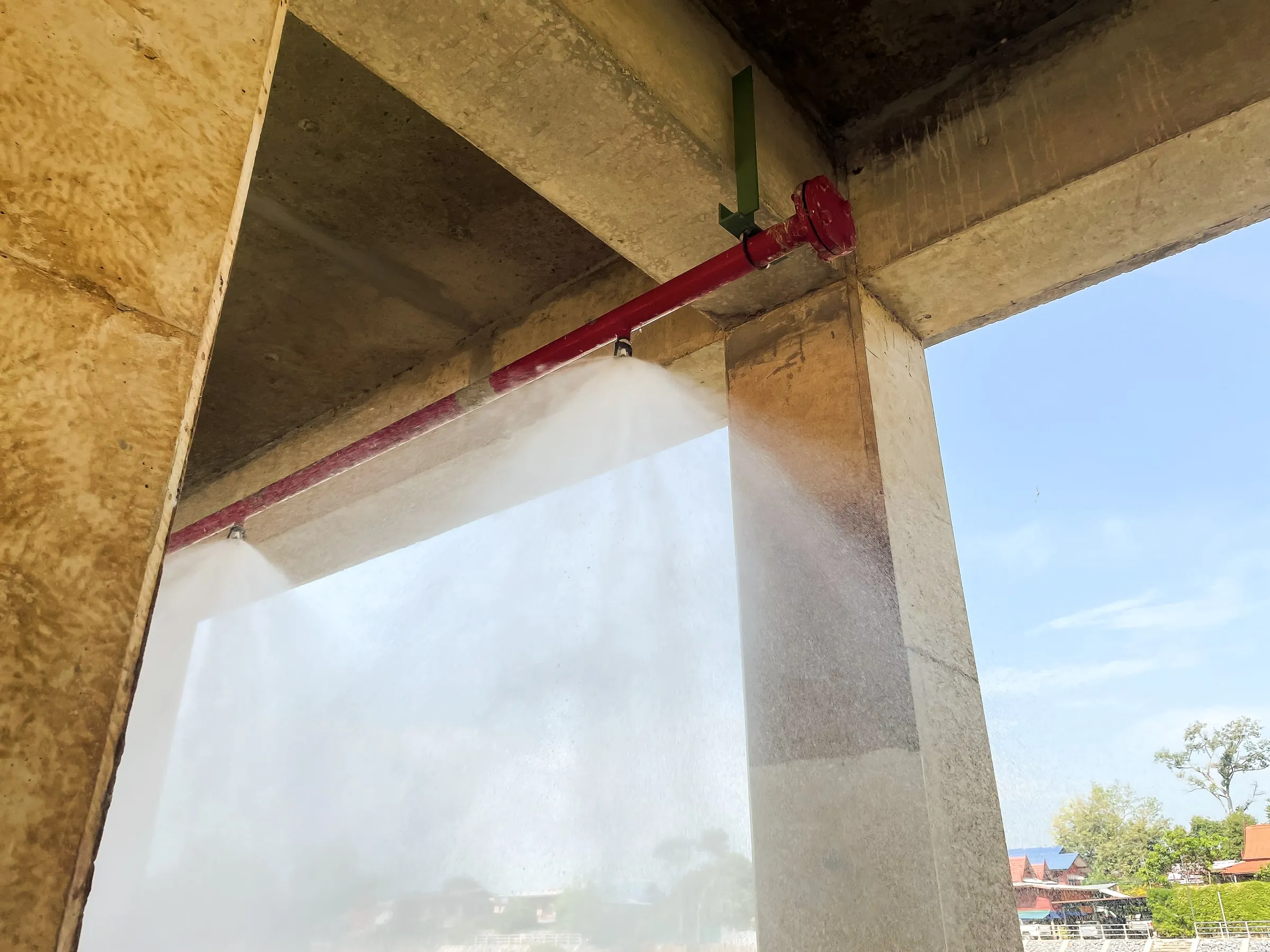
Under IFC 901.7, a building whose required sprinkler system is out of service is either evacuated or kept occupied under an approved fire watch, at the fire code official’s direction. For a hotel, evacuation means relocating every guest on the affected floors mid-stay, which is disruptive, costly and often unnecessary for a repair that a fire watch can safely cover. Most hotels, and most fire code officials reviewing a hotel’s request, land on a fire watch for a bounded repair, reserving evacuation for damage or outages severe enough that a watch genuinely cannot substitute for the system.
What makes a hotel different from an apartment building or an office
A resident of an apartment community has lived there for months, generally knows where the stairwells are, and is awake and dressed for most of the hours a system might be down. A hotel guest may be in the building for one night, has often never opened the fire safety card behind the door, and is asleep for a significant share of any overnight impairment. That combination, unfamiliar layout plus a high share of sleeping occupants, is why a hotel fire watch tends to be staffed more heavily and more continuously than a comparable impairment in a building of long-term residents, and why many fire code officials ask more questions before approving a watch in place of evacuation for a hotel.
Where the watch needs to be
A hotel’s affected floors are only part of the coverage picture. Guest floors need rounds through corridors, checking exits and stairwells and watching for smoke or heat behind doors. Public areas, the lobby, ballrooms, meeting space and restaurants, often carry their own occupancy load and their own combustible risk from catering equipment and decor. Back of house, kitchens, laundry, mechanical rooms and loading docks, frequently has more hot equipment and stored combustible material than anywhere guests actually see, and if that area sits on the affected system it needs the same coverage as the guest floors, not less.
| Area | What raises the risk | What the watch covers |
|---|---|---|
| Guest floors | Sleeping, unfamiliar occupants | Corridors, stairwells, doors, smoke and heat |
| Public areas | Event and dining occupancy loads | Lobby, ballrooms, meeting space |
| Back of house | Kitchen equipment, laundry heat, stored linens | Kitchen, laundry, mechanical rooms |
| Parking structure | Vehicles, often lower foot traffic | Levels on the affected system, if any |
Scheduling around occupancy rather than around convenience
A hotel operates every hour of every day, which removes the option many other buildings have of scheduling a repair for a slow period when the space is empty. Instead, the coordinator and the sprinkler contractor typically plan around the hotel’s own patterns: isolating a wing or a floor rather than the whole building where the system’s zoning allows it, scheduling noisier or more disruptive work for daytime hours when fewer guests are in their rooms, and confirming with the fire watch company how quickly coverage can start and how long it can run, since a repair that slips from a planned afternoon into an overnight stay changes what the watch needs to cover.
Coordinating with the hotel’s own team
A hotel already has staff working around the clock, front desk, engineering, security if the property has its own, and the fire watch works alongside them rather than replacing them. The impairment coordinator, often the chief engineer or the general manager’s designee, briefs the fire watch officers on the affected zones, the hotel’s own alarm and evacuation procedures, and how the front desk should be looped in if the officer needs to reach a guest or clear a floor. Engineering staff usually handle the technical side of the repair and the eventual restoration test; the fire watch officers handle detection and response for as long as the system is down.
Events, conventions and higher occupancy periods
A sprinkler repair that would be routine on a quiet midweek night looks different during a convention, a wedding block or a holiday weekend, when the affected floors or ballrooms are carrying far more people than the hotel’s typical occupancy. A coordinator planning around a known high-occupancy period usually pushes to schedule the repair for a lower-occupancy window where the contractor’s timeline allows it, and where it cannot be moved, the fire watch is sized up to match the higher headcount rather than left at whatever level covers a normal night. Group sales and catering staff, who know the event calendar better than engineering typically does, are worth including in that scheduling conversation early, since a repair booked without checking the events calendar can land in the middle of the hotel’s busiest week by accident.
Accessibility and guests who need assistance to evacuate
A hotel’s guest list on any given night can include guests with mobility limitations, guests traveling with young children, or guests unfamiliar with English-language signage, all of which affect how quickly a floor can actually be moved if the watch does find a fire. The post orders for a hotel fire watch typically ask the front desk to flag rooms that have requested accessible accommodations or that the hotel otherwise knows may need assistance, so the officer is not discovering that information for the first time during an actual event. This is a level of detail an apartment community’s fire watch rarely needs, since a hotel’s guest list changes nightly in a way a residential building’s does not.
Booking coverage
A planned sprinkler repair gives a hotel time to schedule the watch around the contractor’s window and to decide, with the coordinator, how the affected areas will be zoned. An emergency, a burst pipe or a frozen riser, starts the same conversation the same night. Price Protection staffs fire watch for hotels across Greater Houston, sized to the floors, public areas and back-of-house spaces the outage actually affects. This is a summary, not legal advice. The fire code official reviewing a specific hotel’s impairment has the final say on what coverage that property needs.
Questions
Related questions
Should guests be told a sprinkler system is being repaired during their stay?
Most hotels tell the front desk to disclose it if a guest asks, and some notify guests on affected floors directly, particularly for a repair expected to run more than a day. What a specific hotel discloses is a management and, in some cases, a franchise brand decision; the fire watch itself does not depend on whether guests have been told.
Can a sprinkler repair be scheduled floor by floor so only part of the hotel is affected?
Often, yes, if the system's zoning allows a single floor or a wing to be isolated. That limits the fire watch to the affected floors rather than the whole property, and it is one of the first questions a contractor and the impairment coordinator work out before a repair is scheduled.
Does the watch need to cover back-of-house areas like the kitchen and laundry?
If those areas are on the affected system, yes. A hotel's back of house often has more combustible material and more hot equipment than the guest floors, and an impairment there is not lower priority just because guests do not see it.
Related pages
Industries we serve
Insights
- IFC 901.7: What Happens When a Sprinkler System Is Out of Service
- Planned Impairments: Scheduling Fire Watch Around System Testing
- Impairment Coordinators: The Role Every Building Should Assign
- Fire Alarm Outages: When a Fire Watch Is Required
- Fire Extinguisher Checks During a Fire Watch
- Fire Watch After a Fire: Securing a Damaged Building
Answers
Resources
Request a proposal
Request a proposal for your property.
Two short steps. Dispatch reviews every request and calls you back about coverage. For urgent unarmed coverage we can typically staff most sites within hours.
24-hour dispatch
(281) 326-9189