
Fire watch
Temporary Fire Watch During Repairs and Testing
For the shutdown you can see coming. Book the watch with the contractor, and the building stays open while the work is done.
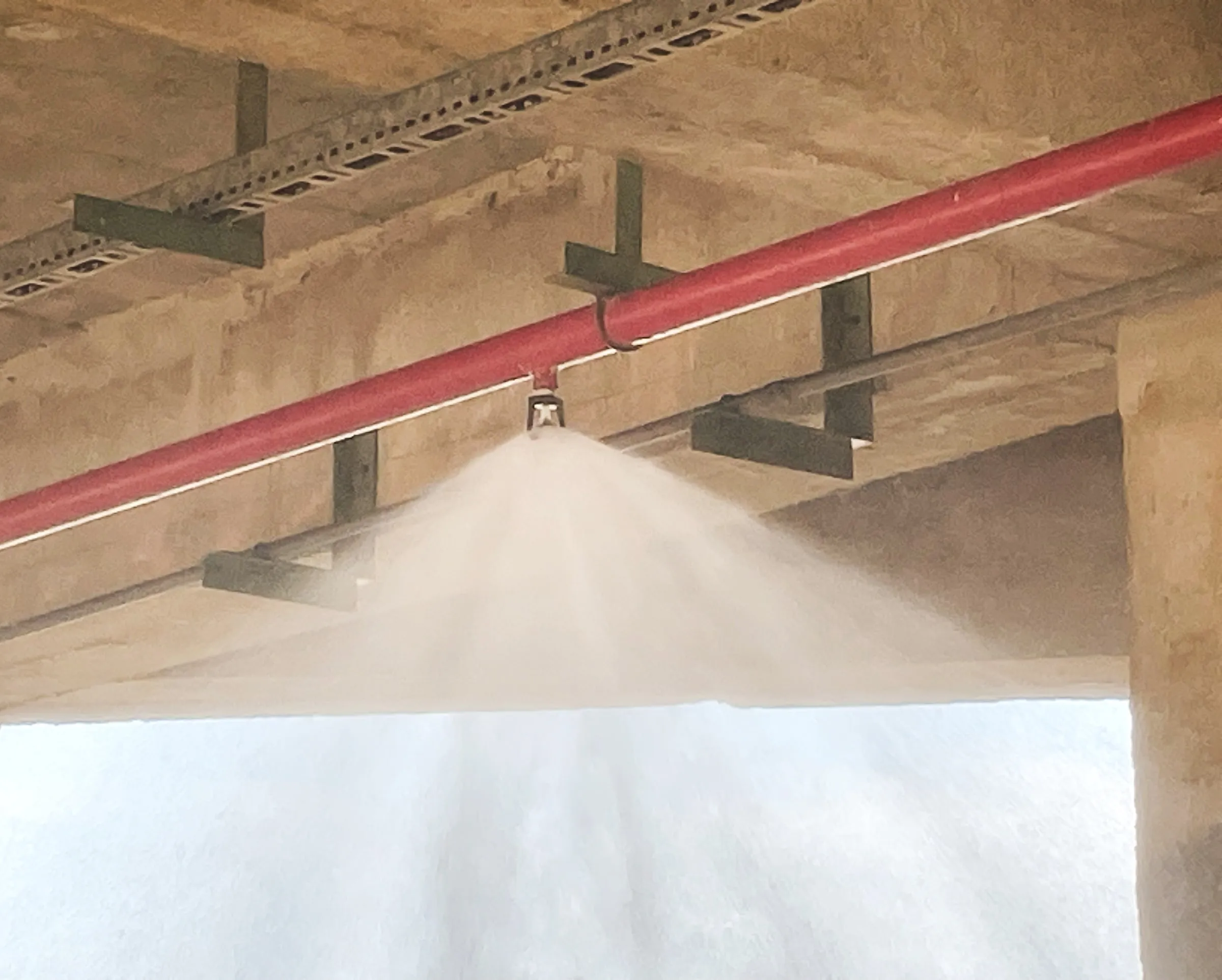
A temporary fire watch is a fire watch scheduled around a planned impairment: testing, inspection, repair, replacement or a build-out that takes part of a fire protection system out of service for a known period. Price Protection staffs planned watches across Houston, booked with the contractor’s schedule so the officers are in place before the valve closes and released when the system is tested and back.
Planning the watch with the impairment coordinator
A planned impairment gives the building time to do it properly. The coordinator notifies the fire department and the fire code official, tags the equipment, confirms the interval and conditions the authority requires, and calls dispatch with the schedule. A supervisor writes the post orders with the coordinator: the zones affected, the route, the interval, the alarm method while the system is down, the contacts, and the test that ends the watch. Officers are briefed before the day, and the log’s first entry is the time the system went down.
Following the work
Renovations and testing move through a building. The watch follows: when the contractor closes one riser and opens another, the post orders and the route change with it, and the log shows which zones were covered at each hour. On a multi-day project with overnight impairments the watch runs in shifts with handovers recorded, so there is no hour the building was unprotected and unwatched.
What the officers bring
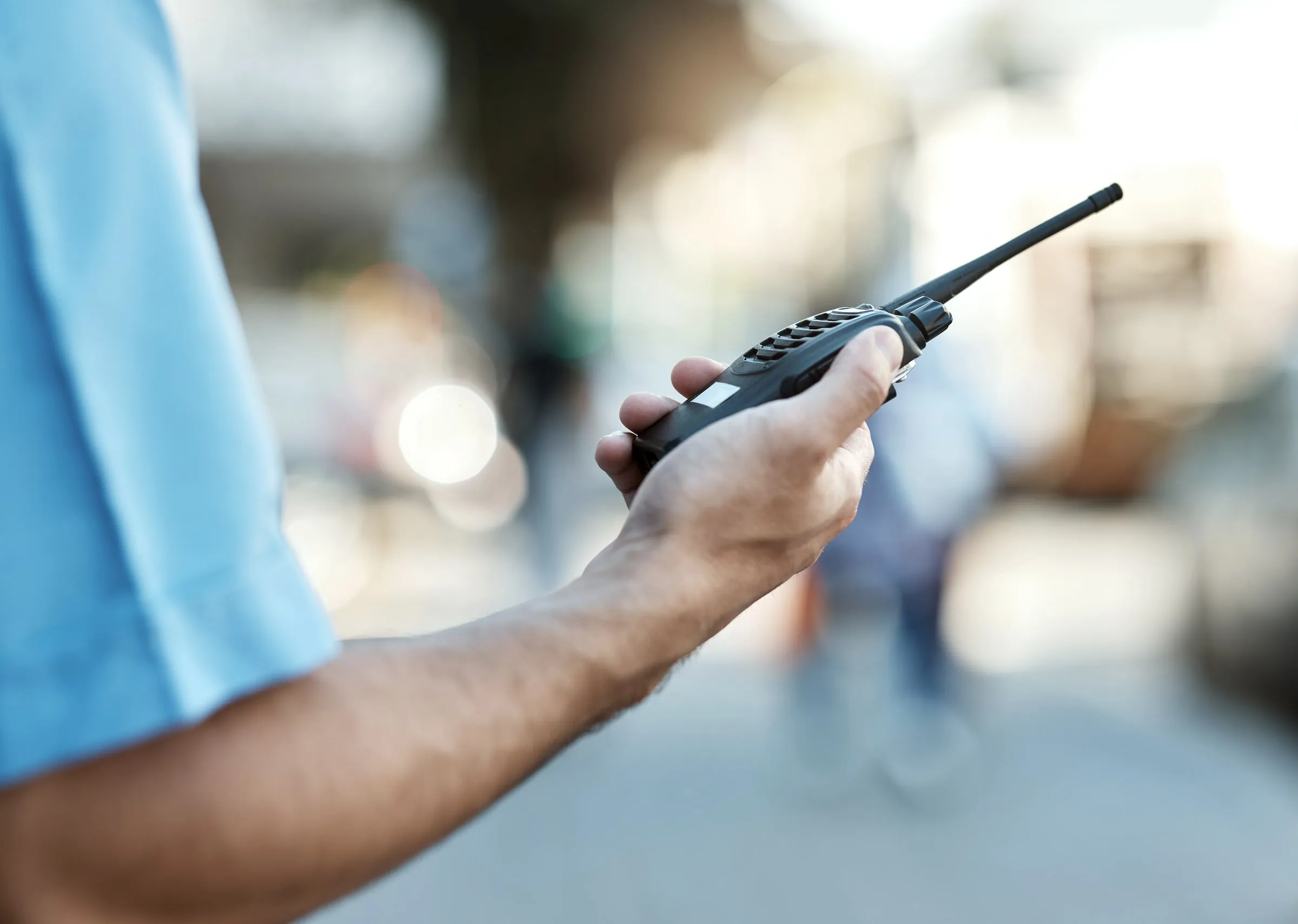
Each officer arrives with the log, the route, a radio and a flashlight, knows the alarm method for the impaired zones and has read the building’s fire plan for the areas involved. Where the client wants it, the same officer carries security duties for the contractor’s access and the building’s after-hours doors, recorded separately.
Ending it properly
The watch ends when the coordinator confirms the system is restored and tested, not when the contractor packs up. The last log entry records the restoration, the officer’s signature and the coordinator’s, and the log goes into the building’s impairment file for the fire marshal and the insurer. This is a summary, not legal advice; the Houston Fire Marshal’s Office decides what a specific building must do.
Buildings that plan ahead
Office towers on annual inspection cycles, hotels renovating floors, hospitals that never close, warehouses adding racking and heads, schools working over the summer, and any building whose insurer asks for a watch on planned shutdowns. The planned impairments article walks through the scheduling in more detail.
When you need it
When temporary fire watch is the right call.
Annual testing and inspection
Sprinkler, standpipe, fire pump and alarm systems are tested and inspected on schedules the code and the insurer set, and parts of the system are out of service while the work is done. In an occupied building that is an impairment, and the fire marshal may require a watch for the duration.
Tenant build-outs and renovations
A new tenant's floor is being fitted out, heads are being relocated, a riser is being extended, the panel is being replaced. The contractor closes valves and disables zones for hours or days, and the rest of the building is still full.
Repairs with a known duration
A pump rebuild, a leaking riser, a panel upgrade waiting on parts. The building knows when the system goes down and roughly when it comes back, and can schedule the watch to match rather than call at midnight.
The insurer or the lender has asked
Some impairment permits and property policies require a fire watch for any planned shutdown of a set length. A scheduled watch with a log is how the building shows it complied.
Starting coverage
What dispatch needs to start.
- The address, the building type and whether it is occupied during the work
- The system and zones that will be out of service, the contractor and the schedule
- What the fire marshal has been told and any interval or condition the authority has set
- The impairment coordinator's contact and where the officers can stage
- Whether the watch should carry any security duties as well
What the code says
- IFC 901.7
- Where a required fire protection system is out of service, including for planned maintenance, the fire department and the fire code official are notified and, where the official requires it, an approved fire watch is maintained until the system is restored. The owner designates an impairment coordinator; tags mark the impaired equipment.
- Source: International Fire Code, section 901.7, as adopted by the City of Houston with local amendments
- Houston adoption
- The City of Houston adopts the International Fire Code with local amendments. The Houston Fire Marshal's Office is the authority having jurisdiction for whether a planned impairment requires a fire watch and on what terms.
- Source: City of Houston Fire Code; Houston Fire Marshal's Office
Summaries for planning, not legal advice. The authority having jurisdiction, in Houston the Fire Marshal's Office, decides what applies to a specific building.
How far in advance should we book a temporary fire watch?
As soon as the contractor's schedule is set. A few days is comfortable; dispatch can staff a planned watch with less, and an unarmed post can typically start within hours when the schedule moves.
Does the watch need to cover the whole building?
It covers the areas the impairment affects, which the coordinator and the contractor define. When only one zone is down, the watch covers that zone; when a riser serves several floors, it covers them all. The post orders change as the work moves.
What if the repair runs over?
The watch is extended on the same terms, with relief officers scheduled if it runs overnight. Tell dispatch as soon as the contractor knows.
Can the watch be done by building engineering staff instead?
Whether staff may perform a fire watch depends on the fire marshal's requirements and the building's plan. Many buildings use staff for short daytime impairments and contract the watch for anything longer or overnight so engineering can keep working.
Is a temporary watch cheaper than an emergency one?
It is priced the same way, by the hour. What a planned watch saves is the scramble: officers are briefed in advance, the post orders are complete before the first round and the log starts on time.
Related pages
Industries we serve
Services
Insights
Answers
Where we are
Temporary fire watch across Greater Houston.
Every area below is staffed and supervised from our Sugar Land headquarters. Open an area to see the property types, neighborhoods and questions we hear there.
24-hour dispatch
(281) 326-9189Fort Bend County
Sugar Land and its neighbors, closest to our headquarters.
Houston
Neighborhoods and business districts inside the city.
North and west
Katy and Cypress up to The Woodlands and Conroe.
South and east
Pearland and Clear Lake across to Pasadena and Baytown.
Request a proposal
Request a proposal for temporary fire watch.
Two short steps. Dispatch reviews every request and calls you back about coverage. For urgent unarmed coverage we can typically staff most sites within hours.
24-hour dispatch
(281) 326-9189