
Fire watch
Fire Alarm Outage Fire Watch
While the panel cannot detect or the monitoring line cannot report, an officer does both: walks every zone, and makes the call the system would have made.
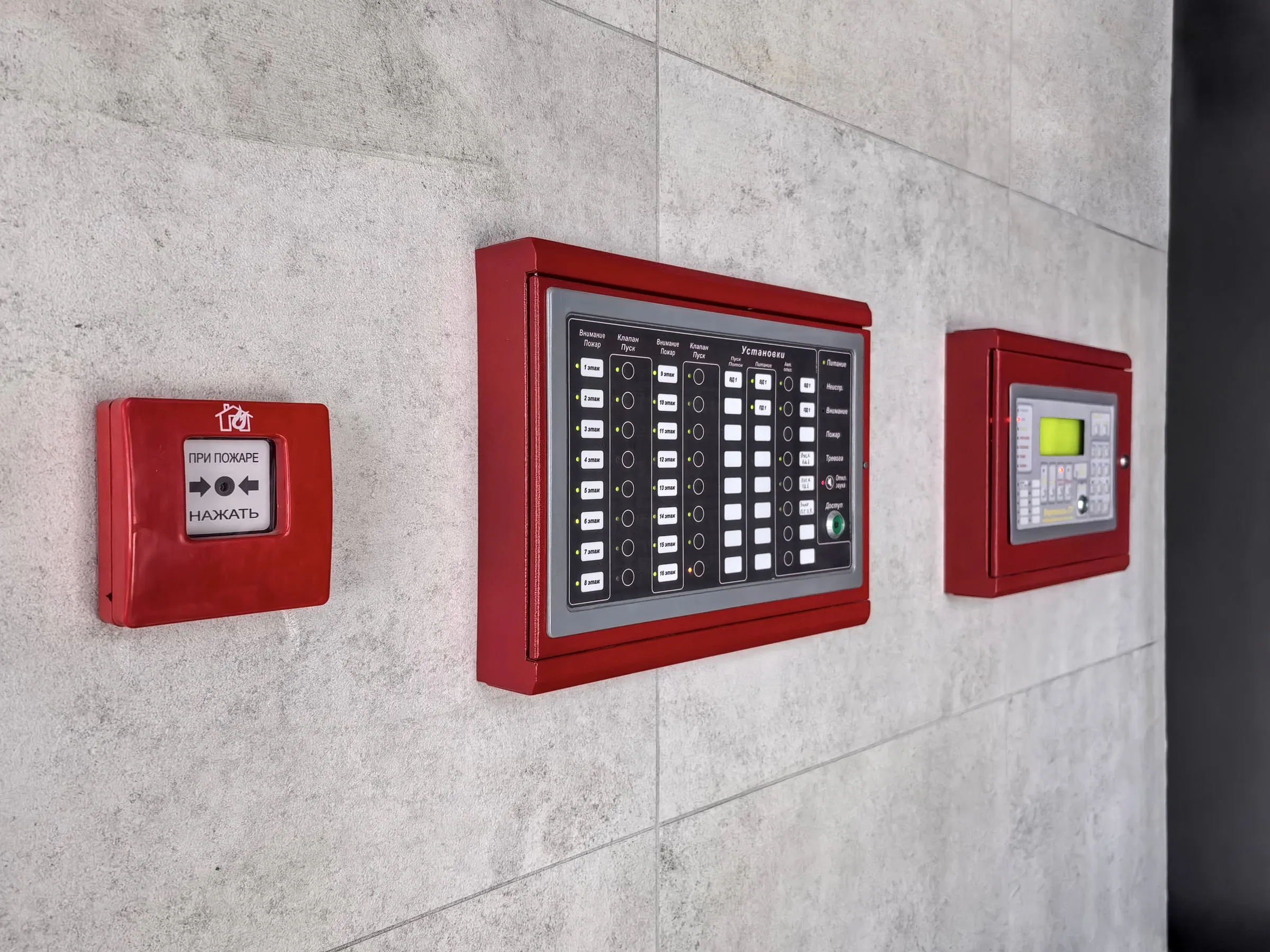
A fire alarm outage fire watch is an officer, or a team of officers, doing by hand what the alarm system does automatically while the system cannot: detecting a fire early by walking the building, warning the people inside, and calling the fire department. Price Protection provides these watches for apartment communities, hotels, offices, churches, schools and healthcare buildings across Greater Houston whenever a panel, a loop or a monitoring connection goes down and the Fire Marshal’s Office wants coverage until it is fixed.
Why a dead panel is a fire watch trigger
Sprinklers put water on a fire. The alarm is what gets people out and gets the fire department moving, and it does both without anyone noticing it. When the panel is in trouble, the detectors on the fourth floor may still sense smoke and report to a board nobody is watching. When the communicator has lost its line, the horns will sound but the central station will never place the call. Either way the building has lost a required fire protection system, and IFC 901.7, as Houston applies it, asks for the same response as a closed sprinkler valve: immediate notification and, where the fire code official requires it, a fire watch until the system is restored. This is a summary, not legal advice.
What the officer does instead of the panel
Detection first. The officer walks every zone the panel covered on the interval the Fire Marshal’s Office or the impairment coordinator sets, and looks into the places a detector would have covered: corridors, stairwells, trash rooms, laundry rooms, electrical closets, the mechanical room, the parking garage. Then notification. If the officer finds smoke or fire, the first call is 911, the second is the building contact, and the warning to occupants follows the method in the post orders, whether that is the public address system, an air horn, or a knock on every door on the floor. Then the log. Each round, each check of a pull station or an exit sign, and each notice posted goes on the sheet with a time.
Monitoring outages and storm season
Two kinds of outage are particular to Houston. The first is a lost monitoring path when a phone line is cut during street work or a cellular communicator fails; the panel looks healthy from the lobby and nobody knows the signal is going nowhere. The second is the storm outage, when power is out for longer than the panel’s batteries last and a generator, if there is one, is feeding the elevators and the pumps rather than the alarm. From June through November we plan for both, and a watch can start the same evening the panel goes dark; the emergency fire watch page describes what dispatch asks for.
Who calls for an alarm outage watch
Apartment managers whose panel went into trouble on a Friday afternoon. Hotel chief engineers with a vendor booked for Monday. Church facility directors with a Sunday service and an alarm that failed on Saturday. School business managers during a panel replacement over a term break that runs into the first day back. Hospital and clinic facilities teams, where an outage on one wing is enough. In each case the person arranging the watch has a vendor’s timeline and a Fire Marshal’s Office ruling, and needs officers between the two.
When the watch ends
When the panel is back in normal, the monitoring signal is confirmed with the central station, and the coordinator says so. The officer writes the closing entry with the time and the name, and the full log goes to the client with the daily report. Call dispatch with what has failed, who the vendor is and what the Fire Marshal’s Office has asked for, and we will put an officer on the floors.
When you need it
When fire alarm outage fire watch is the right call.
The panel is in trouble and the vendor cannot come until morning
A ground fault, a failed loop card, a panel that went into trouble after a lightning storm and will not clear. The vendor's technician is booked until tomorrow, and tonight the building has detectors that report to nothing.
The monitoring connection has dropped
The panel works, the horns would sound, but the communicator has lost its phone line or cellular path and the central station will never get the signal. At night, with nobody at the desk, that is the same as no alarm at all.
A storm or power loss has taken the panel down
Hurricane season runs June through November, and an outage that outlasts the panel batteries leaves the building unmonitored. Generators cover some systems and not others; a watch covers the gap until power and the panel are back.
The Fire Marshal has required a watch while the system is out
A fire alarm is a required fire protection system, and IFC 901.7 applies to it the same way it applies to sprinklers. Where the fire code official asks for a watch rather than an evacuation, the watch starts at once.
Starting coverage
What dispatch needs to start.
- What has failed: the panel, a single loop or zone, the monitoring communicator, or the power to all of it
- The alarm vendor's name and expected arrival, and whether the sprinkler system is still in service
- Who has notified the fire department and the Fire Marshal's Office, and what interval they asked for
- How the building will alert occupants without the horns, and where the officer reports on arrival
- Access to every floor, the roof, the riser room and the fire command room or panel location
What the code says
- IFC 901.7
- The International Fire Code requires that when a required fire protection system, which includes the fire alarm, is out of service, the fire department and the fire code official are told immediately. Where the official requires it, the building is evacuated or an approved fire watch is provided until the system is restored, and the owner names an impairment coordinator.
- Source: International Fire Code section 901.7, iccsafe.org
- Houston Fire Marshal's Office
- The City of Houston adopts the International Fire Code with local amendments. The Houston Fire Marshal's Office is the authority having jurisdiction and decides whether an alarm outage in a particular building calls for a watch, on what interval and for how long.
- Source: City of Houston Fire Marshal's Office, houstontx.gov
Summaries for planning, not legal advice. The authority having jurisdiction, in Houston the Fire Marshal's Office, decides what applies to a specific building.
The panel still works but the monitoring line is down. Is that an outage?
For the people asleep on the fourth floor it is not, because the horns would still sound. For the fire department it is, because nobody will call them. The fire code official may treat a lost monitoring path as an impairment, and a watch with a phone closes the gap. Ask the Fire Marshal's Office for the ruling on your building and we will staff it.
How does the officer alert people if there is no alarm to pull?
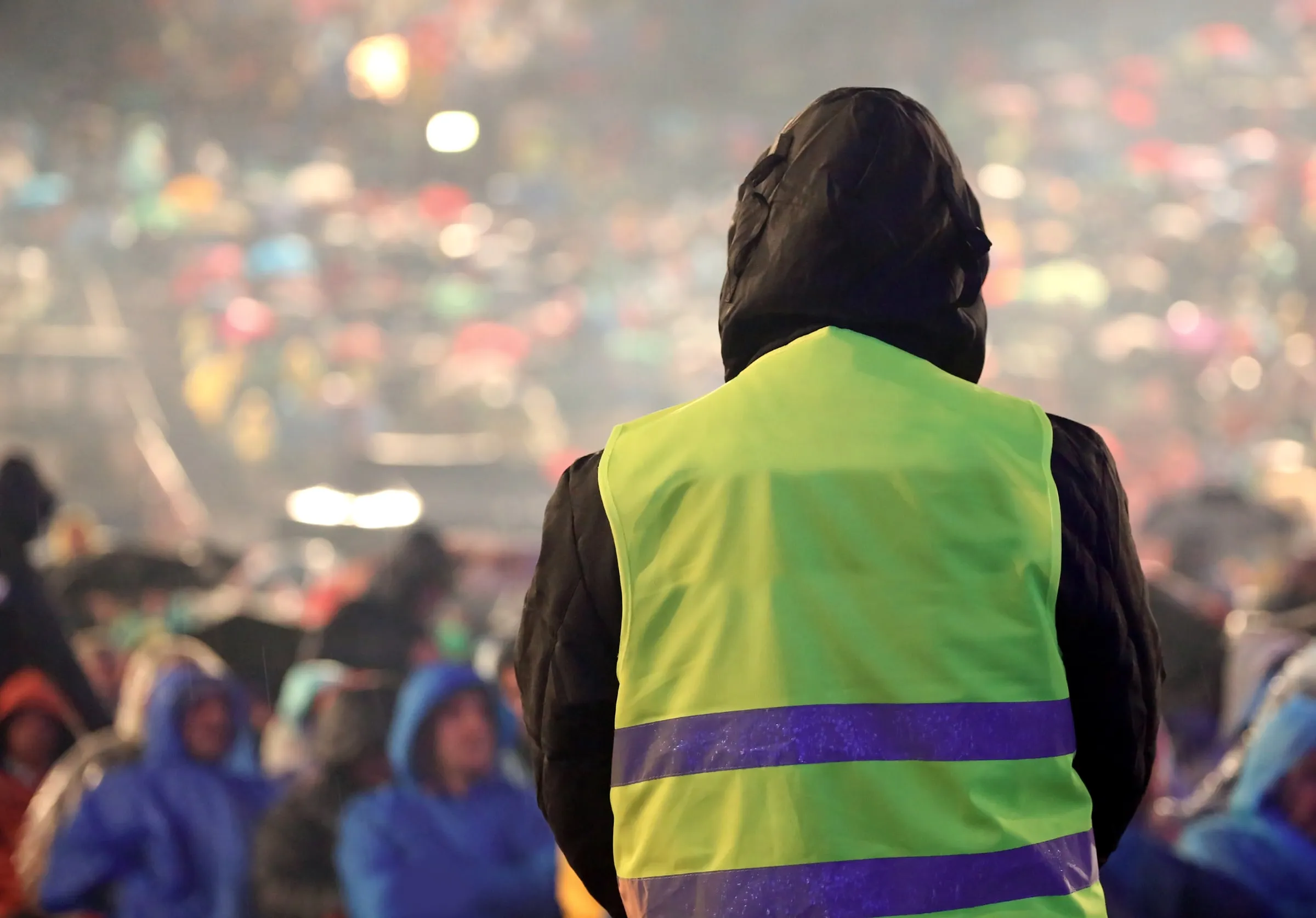
The post orders say how. In a small building it is voice and a knock on every door. In a larger one it is the public address system if it still works, a portable air horn, and the building's own staff on the radio. The officer calls 911 first, then starts the notification, then meets the fire department at the entrance.
Do residents have to be told the alarm is out?
Telling them is the owner's responsibility, and the Fire Marshal's Office may require it. Our officers post the notice the manager provides on entry doors and elevator lobbies, hand it to residents they meet on rounds, and log where and when it went up.
Can the watch stop as soon as the vendor arrives?
No. It stops when the panel is back in normal, the monitoring signal has been tested end to end with the central station, and the coordinator, and where required the Fire Marshal's Office, agree the system is restored. A vendor on site with the panel still in trouble is still an outage.
Our sprinklers still work. Do we still need a watch for the alarm?
The fire code official decides. Sprinklers control a fire; the alarm tells people to leave and calls for help. In an occupied residential building, losing the means to warn people is a serious impairment on its own, and a watch is a common answer.
Related pages
Industries we serve
Insights
Answers
Where we are
Fire alarm outage fire watch across Greater Houston.
Every area below is staffed and supervised from our Sugar Land headquarters. Open an area to see the property types, neighborhoods and questions we hear there.
24-hour dispatch
(281) 326-9189Fort Bend County
Sugar Land and its neighbors, closest to our headquarters.
Houston
Neighborhoods and business districts inside the city.
North and west
Katy and Cypress up to The Woodlands and Conroe.
South and east
Pearland and Clear Lake across to Pasadena and Baytown.
Request a proposal
Request a proposal for fire alarm outage fire watch.
Two short steps. Dispatch reviews every request and calls you back about coverage. For urgent unarmed coverage we can typically staff most sites within hours.
24-hour dispatch
(281) 326-9189