
Houston and local
Houston Hurricane Aftermath: Property Security When Power Is Out
By Price Protection SecurityReviewed TX DPS Lic #B09430601
Short answer
When power goes out after a storm at a property that is otherwise intact and still occupied, an automated gate fails open, cameras stop recording, alarm panels go dark and elevators stop running, all at the moment residents or tenants most need the building to work normally. A security post during that window does in person what those systems normally do on their own: holds the entrance, walks the building on a schedule, and reports what it finds until utilities are restored.
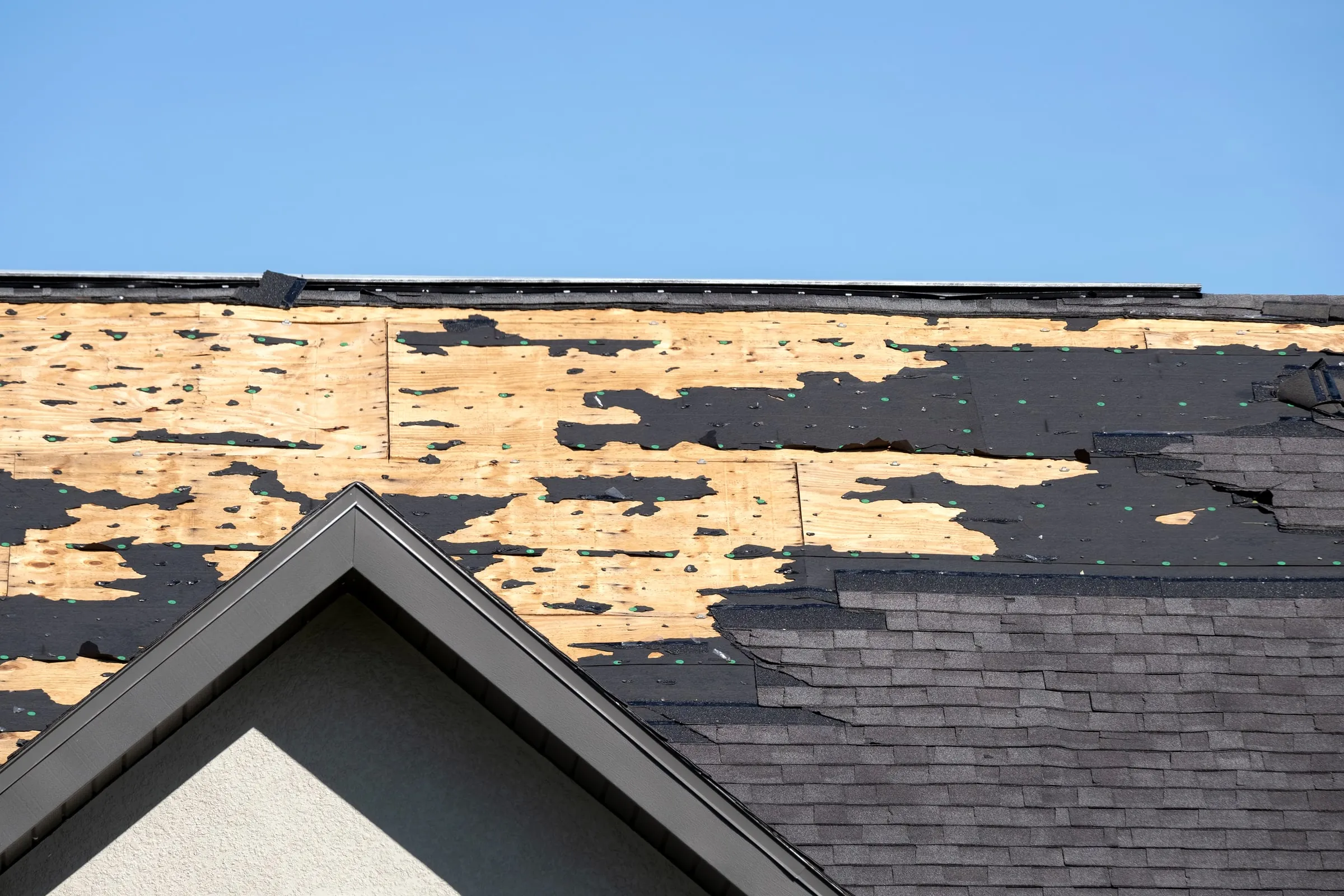
What actually stops working when the power goes
A Houston property does not need to be damaged for a power outage to change everything about how it is secured. A gate, a camera system and an alarm panel are all electronic, and most of them are built to fail open or fail silent when they lose power rather than fail locked. The automated gate that normally screens every vehicle swings open and stays open. The camera system that normally records every entrance keeps running only as long as its battery backup lasts, usually a matter of hours, and then goes dark with no recorded coverage until power returns. Monitored alarm panels go quiet in the same way. None of this means the property has been broken into or damaged; it means the systems residents and tenants rely on without thinking about them have simply stopped, and for as long as that lasts, the property is exposed in exactly the way it would be if those systems had never been installed.
An officer becomes the systems that are not running
Security coverage during an outage is built around replacing, in person, what those electronic systems normally do automatically. A gate that has failed open is held by an officer standing at it, checking arrivals the way the gate hardware normally would. Rounds through the building or the grounds on a set schedule replace the camera coverage that has gone dark, with each pass noted by time so there is still a record of who was seen and where, even without footage. A flashlight and a set route through stairwells, parking structures and common areas replace lighting that has failed along with everything else. None of this restores the building’s systems; it keeps the property from being effectively unwatched for however long the outage lasts, and it gives the property manager a written account of the period once power is back.
Elevators, stairwells and residents who need help
An extended outage changes how people move through a building even after the immediate storm has passed. Elevators stop running, which pushes all foot traffic to stairwells, and those same stairwells may have no working lighting if the building’s emergency lighting has also lost power. Officers on an outage post direct residents and tenants to usable stairs, keep those stairwells clear, and use portable lighting where it helps. If someone is caught inside a stalled elevator, that is handled directly by building maintenance and the elevator’s own service contractor, with the officer’s role limited to staying with the situation and keeping others clear until help arrives. For residents who ask for a check during a long outage, especially in a building where heat and no working air conditioning become a concern within a day, officers pass what they observe to property management rather than acting as a substitute for medical or maintenance staff.
Fuel, generators and the systems that are trying to help
Where a property runs its own backup generator, whether for common-area lighting, a lift station or critical equipment, that generator and its fuel become worth watching in their own right during an extended outage, when fuel can be scarce and a running generator draws attention. An officer on an outage post checks the generator on rounds the same way a construction site’s officer checks a reel of copper wire: confirming it is running, confirming the fuel supply has not been tampered with, and noting anything unusual in the report. Where the outage has taken a required fire protection system out of service, a sprinkler system that depends on an electric pump, for instance, the impairment is reported to the fire department and the fire code official, and a fire watch is staffed if the fire code official requires one under IFC 901.7 as adopted locally, with rounds and a log kept until the system is restored.
What changes across property types during an outage
| Property type | What tends to fail first | What the post typically covers |
|---|---|---|
| Apartment community | Gate, courtesy phone line, breezeway lighting | Gate held in person, building rounds, resident observations passed to management |
| Office or medical building | Card access, elevators, alarm monitoring | Entrance control, stairwell direction, garage rounds |
| Retail center | Lot lighting, alarm panels | Lot patrol, storefront and rear-door checks |
| HOA or gated community | Automated gate, street lighting | Gate coverage, patrol through the neighborhood |
Getting a post started before or during an outage
The most effective outage coverage is arranged before the power goes out, as part of a property’s regular hurricane-season planning, so an officer is already assigned and the post orders already describe what to do when the gate fails and the cameras go dark. Once an outage is underway, dispatch still takes the address, the property type and what has already failed, and an unarmed officer can typically begin an emergency post within hours of the call. Properties that call after the power is already out are still staffed as quickly as roads and conditions allow; the difference a plan written in advance makes is mostly in how fast the right post orders, rather than a generic one, are in place for the officer arriving that first night. The hurricane season planning guide covers preparing before the season starts; call dispatch directly once an outage is already in progress.
Questions
Related questions
What is the first thing that fails at a property when the power goes out?
Usually the gate. Most automated gates fail open rather than locked when they lose power, which means a controlled entrance becomes an uncontrolled one at exactly the moment a property most wants it staffed. An officer holding that entrance in person is often the single highest-value post during an outage.
Do cameras and alarm systems keep working during a power outage?
Only as long as any battery backup lasts, and that is often measured in hours, not days. Once it runs out, recorded camera coverage and monitored alarm panels go dark, and the property has no automated record of who came and went until power returns. An officer's written rounds become the only record kept during that gap.
Are elevators a safety concern during an extended outage?
Yes, both because they stop running, which pushes more foot traffic to stairwells that may also be dark, and because of the risk of someone being caught inside one if power fails mid-ride. Building staff and the elevator maintenance contractor handle a trapped-passenger situation directly, and officers assist with directing residents to stairs and keeping stairwells clear and lit where portable lighting allows.
Does a power outage by itself require a fire watch?
Only if it takes a required fire protection system, a sprinkler system or a fire alarm panel, out of service in a building where the fire code requires one to be working. When that happens, the outage is reported to the fire department and the fire code official, and a fire watch is kept under IFC 901.7 as locally adopted until the system is restored.
Related pages
Industries we serve
Services
Insights
Glossary
Request a proposal
Request a proposal for your property.
Two short steps. Dispatch reviews every request and calls you back about coverage. For urgent unarmed coverage we can typically staff most sites within hours.
24-hour dispatch
(281) 326-9189