
Operations and reporting
Weather Emergencies: What Guards Do During Storms
By Price Protection SecurityReviewed TX DPS Lic #B09430601
Short answer
During severe weather an officer's duties shift from routine rounds to what the post orders' storm section sets for that condition: securing loose items ahead of a storm, sheltering and checking in with dispatch on a set schedule during it, and standing down only where conditions and post orders allow. A tornado warning means shelter; a tropical storm approaching Houston in hurricane season, June through November, means a staged set of actions before, during and after.
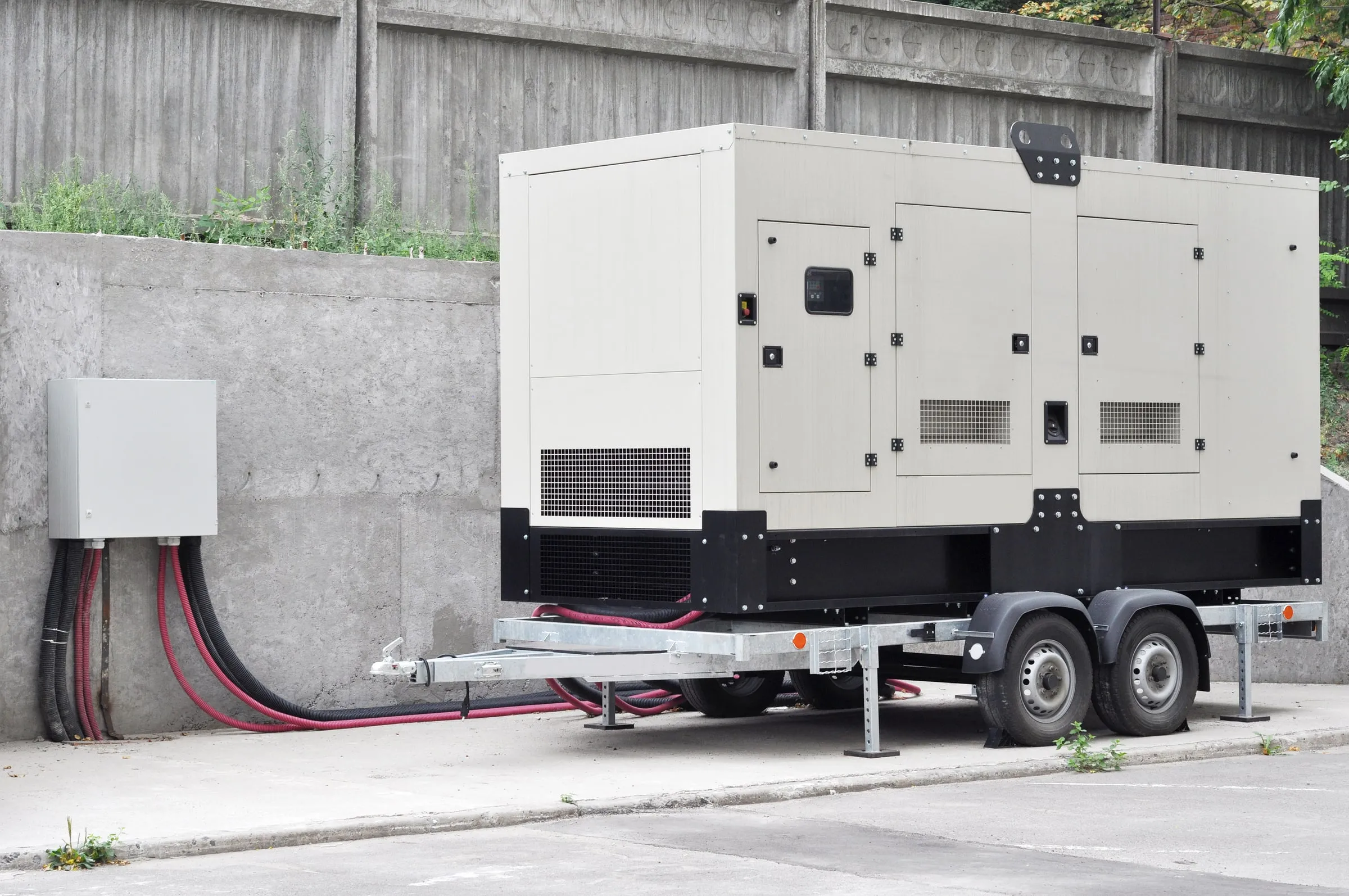
Different weather calls for a different response, not one storm plan
Severe weather is not a single scenario, and post orders do not treat it as one. A tornado warning gives minutes, not hours, and calls for immediate shelter in an interior space away from windows and glass doors. A severe thunderstorm with high wind and lightning calls for the officer to move rounds indoors or to a vehicle rather than walking exposed ground, while still watching for downed limbs, damaged fencing or a knocked-out light. A tropical storm or hurricane approaching during Houston’s season, which runs June through November, gives days of notice and calls for a staged plan rather than a single reaction: securing the site ahead of time, confirming the schedule through the event, and a distinct recovery phase once it passes. Extreme heat, common in a Houston summer even without a storm, changes an officer’s own rest and hydration schedule on an outdoor post, which post orders also address. Treating all of these as one instruction, take shelter, misses that some give warning and some do not.
Before a forecast storm reaches the property
Where a storm is forecast days out, the officer’s role starts with securing what could become a hazard once wind picks up: loose furniture, signage, trash receptacles and anything not fixed down. Vehicles and equipment that can be moved to higher ground or away from trees are moved. Vacant units and the property office get a check that doors and windows are secured. None of this is the officer’s decision alone; it follows the storm section of the post orders, built in advance so nobody is improvising a plan while also watching the sky.
During the storm, safety governs the schedule
Once conditions turn dangerous, the officer’s own safety comes before completing a round, and post orders say so explicitly rather than leaving it to be inferred. The officer shelters where the post orders and the conditions allow, stays off exposed ground during lightning or high wind, and checks in with dispatch on a set schedule so the property and Price Protection both know the officer’s status throughout. A named person, agreed with the client in advance, has the authority to call a stand-down, and that decision, along with the time it was made, is logged. This is not a lesser level of coverage; it is the coverage a storm allows, and pretending otherwise puts an officer at risk for no benefit to the property.
Comparing how different weather events change the post
| Weather event | Warning time | What changes on the post |
|---|---|---|
| Tornado warning | Minutes | Immediate shelter in an interior space; rounds pause entirely |
| Severe thunderstorm, high wind or lightning | Short, often same day | Rounds move indoors or to a vehicle; exposed ground avoided |
| Tropical storm or hurricane (June–November) | Days | Staged plan: secure the site, confirm schedule, recover afterward |
| Extreme heat | Ongoing through summer | Rest and hydration schedule adjusted on outdoor posts |
After the storm is when a property is often most exposed
The period between a storm passing and full power and access being restored is frequently more dangerous to a property than the storm itself, because gates fail open without power, cameras and lighting go dark, and windows or roofs may be damaged and exposed. Coverage resumes as soon as roads allow it safely, and the first round after a storm focuses on the perimeter, fences, gates that failed open, damaged openings, and any downed lines, which are reported and not approached. Where a required fire protection system has gone out of service because of storm damage, that is reported to the fire department and the fire code official, and a fire watch may be required until it is restored; a supervisor helps sort out whether that applies to a specific property. This section is a summary, not legal advice, and Price Protection helps a client work out what an impairment actually requires with the authority having jurisdiction.
Why the plan has to exist before hurricane season, not during it
Houston’s exposure to tropical weather is seasonal and predictable in its timing even when a specific storm is not, and a property with a storm section already written into its post orders, a named decision-maker, and a confirmed schedule going into the season is in a materially different position than one working it out for the first time as a storm approaches. Price Protection builds this section with clients before June each year, and the hurricane season checklist walks through exactly what to have in place by then. The aftermath article covers the specific problem of a property running without power once the storm has passed.
Reporting through a weather event
Every stage generates a report entry: what was secured beforehand, the stand-down time and who called it, check-ins during the event, and a detailed first-round report once coverage resumes, with times and photographs where damage is found. That record supports the property’s own insurance and repair process, and it is the same daily reporting standard Price Protection applies on every post, adapted to what a storm actually requires rather than a routine shift.
Vacant and under-construction properties carry a different risk
A property that is vacant, mid-renovation or still under construction going into a storm has a different set of concerns than an occupied one, because there is often nobody living or working there to notice damage until an officer’s round finds it. Materials and equipment left on site can become debris in high wind, unfinished openings let water in faster than a completed building, and a site with no working lights or gate power after the storm is an easy target for scrap theft during the recovery window. Post orders for these properties usually add extra rounds in the days right after a storm, specifically to catch what an occupied property’s own residents or staff would otherwise report on their own. A construction site’s superintendent or a vacant building’s owner is added to the contact tree the same way a residential property’s manager would be, so storm damage gets reported to someone who can act on it.
Questions
Related questions
Does the officer stay on post through any storm?
Only where the post orders and the conditions allow it safely. A named person, agreed with the client in advance, has authority to call a stand-down, and the officer's safety governs that decision over the property's coverage.
What is different about a tornado warning versus a hurricane?
A tornado warning is short notice and calls for immediate shelter in an interior space away from windows. A hurricane during Houston's June-to-November season is forecast days ahead, allowing a staged plan: securing the site, confirming the schedule, then recovery.
Who decides when a post resumes after a storm?
The same person named to call the stand-down, once conditions and access allow it safely. Coverage typically resumes as soon as roads are passable, since the period right after a storm is when an unwatched property is most exposed.
Does flooding change what the officer checks on a round?
Yes. Rounds shift toward standing water, low-lying entrances, generators and anything electrical near water, and away from areas the post orders identify as unsafe to approach, with downed lines reported rather than approached.
Related pages
Industries we serve
Services
Insights
- Hurricane Season Security Planning for Houston Properties
- Houston Hurricane Aftermath: Property Security When Power Is Out
- Security Guards and Emergency Evacuations
- Access Control Logs: What Gets Recorded and Why
- Camera Monitoring by Guards: Live Response vs Recorded Footage
- De-escalation: How Trained Guards Handle Confrontations
Request a proposal
Request a proposal for your property.
Two short steps. Dispatch reviews every request and calls you back about coverage. For urgent unarmed coverage we can typically staff most sites within hours.
24-hour dispatch
(281) 326-9189