
Property manager guides
Hurricane Season Security Planning for Houston Properties
By Price Protection SecurityReviewed TX DPS Lic #B09430601
Short answer
Hurricane season runs June through November on the Texas coast, and the planning that matters most happens before any storm is named: agreeing who decides when an officer stands down for safety and when coverage returns, with post orders that already say what an officer does at each stage. The period right after a storm passes, when gates fail open, cameras and lights are dark and the property may be reachable before the office is, is when coverage matters most and should already be moving.
Decide who calls a stand-down before June, not during a watch
Hurricane season on the Texas coast runs from June through November, and the security decision that matters most is made well before any system is named: who has the authority to pull an officer off a property for safety, and who decides when coverage resumes. Waiting until a storm is bearing down to work this out means making it under pressure, with a manager and a security company who may not have discussed it before and a deadline measured in hours. Settling it in the spring, as a written addition to the post orders, means the decision is already made and both sides only have to execute it when the time comes.
The same is true of the property’s own storm-specific instructions: which buildings matter most on a post-storm round, where the shutoffs and the vacant units are, who the property’s own emergency contacts are. None of it is complicated to write down, and all of it takes longer to work out in the middle of a watch than in a calm week in May.
The days before landfall are about decisions, not supplies
Once a storm actually enters the forecast, the property’s general preparedness plan takes over for the building itself: securing loose items, moving vehicles, boarding what needs boarding. The security-specific version of that period is shorter and more focused: confirming with dispatch that the officer schedule holds through the expected window, telling residents or tenants plainly what security will and will not be on site for, and making sure the officer arriving for that shift has the current contact tree and any codes or keys needed if normal access breaks down. This is also the point to take fresh photographs of the property, since a baseline taken the day before a storm is far more useful for an insurance claim than one taken months earlier.
The days after landfall are when the property is most exposed
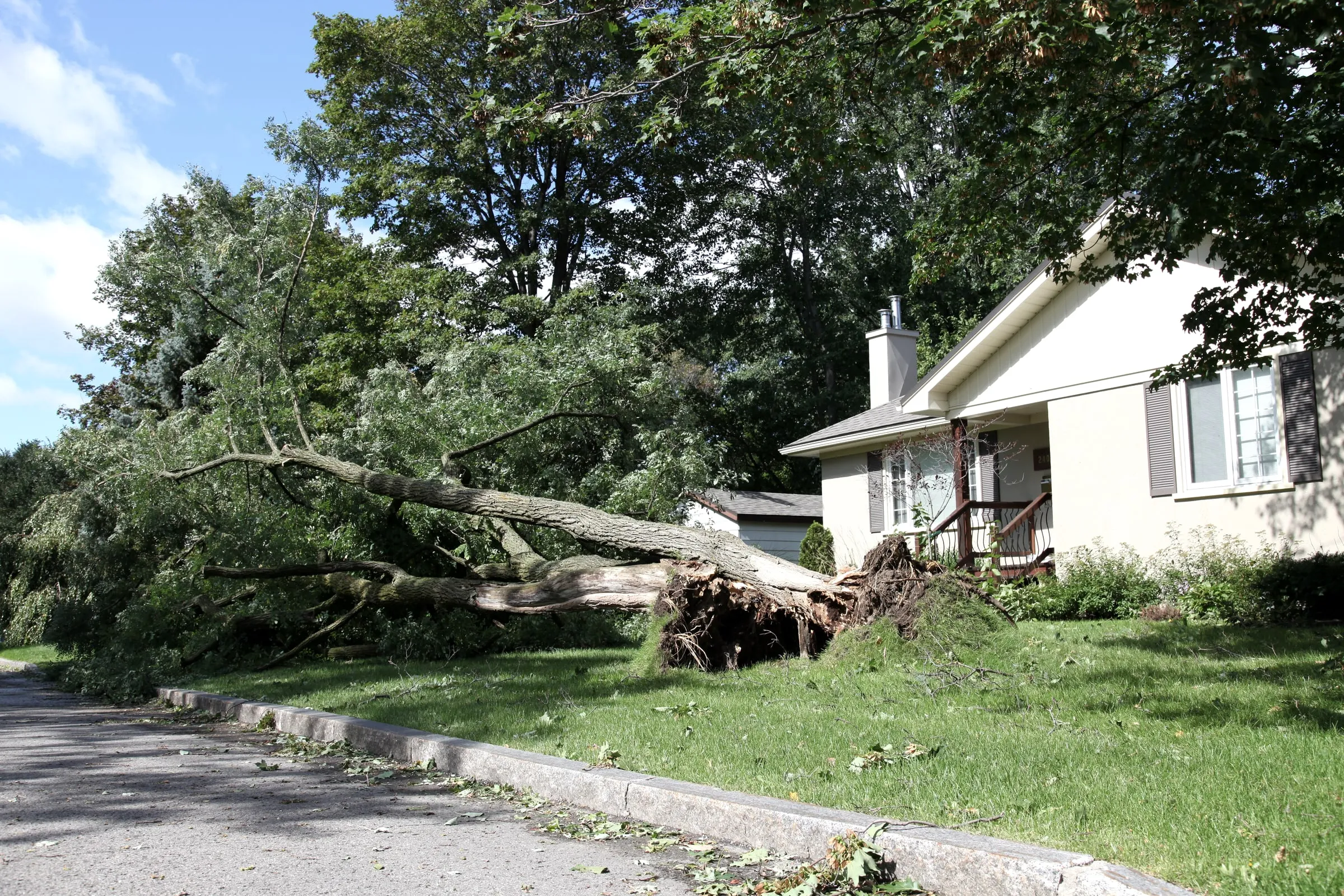
Wind and rain get the attention, but the period that actually creates the most security exposure is the one right after the storm passes, when the property may be reachable before the office is fully staffed again. Power loss disables gate arms, which fail open rather than locked; it disables cameras and lighting, which means the property is both unwatched and unlit at the same time; and it often coincides with broken windows, downed fencing and a building that looks, to anyone driving by, unoccupied. Coverage that resumes as soon as roads allow, with a first round built specifically around the perimeter, the damaged openings and any vacant units, addresses the period when a property is least protected by anything except a person physically present.
| Phase | Security focus | Who decides |
|---|---|---|
| Before June | Agree the stand-down and resume authority; update post orders with storm procedures | Manager and security company, in writing, in advance |
| Storm forecast | Confirm the schedule holds; brief residents or tenants; fresh photographs | Manager, with dispatch confirming staffing |
| During the storm | Officer remains only where safe; stand-down logged with a time | The named decision-maker agreed in the pre-season step |
| After landfall | Coverage resumes as roads allow; perimeter and vacant units checked first | Dispatch, based on road and site conditions |
A fire watch is a real possibility, not an edge case
Storms knock out the systems a fire watch exists to cover for. A sprinkler system that loses pressure, a fire alarm panel that loses power, or backup power that fails brings a property under IFC 901.7: the fire department and the fire code official are notified, and where the fire code official requires it, the building is either evacuated or covered by an approved fire watch until the system is restored and tested. Properties in the path of a storm are reasonable candidates to plan for this rather than be surprised by it, particularly larger buildings whose fire protection depends on power and water pressure that a storm is likely to interrupt. Fire watch coverage on short notice is part of the same emergency response a security company should already be prepared to provide after a storm, not a separate arrangement to search for once the building is already impaired. This is a summary, not legal advice.
A property with a plan is staffed first
Once a storm actually enters the forecast, every property in its path is trying to arrange or confirm coverage at the same time, which is exactly the wrong moment to be negotiating a stand-down policy or explaining a property’s layout to a security company for the first time. A property that walked through its own plan in the spring, agreed the authority questions, and gave the security company an accurate map of what to check on the first round is not starting from zero when the forecast turns serious; it is simply activating a plan that already exists. That difference is often what separates a property that has coverage moving within hours of the storm passing from one still working out the basics.
Building the plan once, using it every season
A hurricane season plan, once written, does not need to be rebuilt each year, only reviewed: confirm the contact tree is current, confirm the stand-down authority is still the right person, and confirm the post orders still describe the property accurately if anything has changed since the last season. The hurricane season checklist turns this into a working document a manager can complete each spring, and the aftermath article goes into more detail on what a post-storm round actually covers.
Questions
Related questions
Does hurricane season planning only matter for properties near the coast?
No. A storm that makes landfall well south of Houston can still bring days of power loss, flooding and wind damage across the metro, and an inland property with no flood risk at all can still lose its gates, cameras and lighting to an outage. The planning applies to any property in the region, not only the ones closest to the water.
Will an officer stay on the property through the storm itself?
Only where the post orders and the conditions genuinely allow it, and only as long as it is safe. The company and the client agree in advance on who makes that call and on what basis, and an officer's safety governs the decision over any schedule. Coverage picks back up as soon as the site can be safely reached.
What actually triggers a fire watch after a storm?
A required fire protection system being out of service, most often a sprinkler system that lost pressure or a fire alarm panel that lost power, brings the property under IFC 901.7: the fire department and the fire code official are notified, and where the fire code official requires it, either the building is evacuated or an approved fire watch covers it until the system is restored.
How is this different from a property's general hurricane preparedness plan?
A general plan covers the building itself: roofing, drainage, generators, insurance. This is the narrower question of who is physically present to protect the property, and when, across the period before, during and after a storm, which is a security staffing decision layered on top of whatever the broader preparedness plan already covers.
Related pages
Industries we serve
Services
Insights
Request a proposal
Request a proposal for your property.
Two short steps. Dispatch reviews every request and calls you back about coverage. For urgent unarmed coverage we can typically staff most sites within hours.
24-hour dispatch
(281) 326-9189