
Security Guards for Disaster and Emergency Response
When the building is open, the power is out and the crews are arriving, officers on the property within hours and a record for the incident file.
Request a proposalThe situation
What a disaster response deals with
The scene
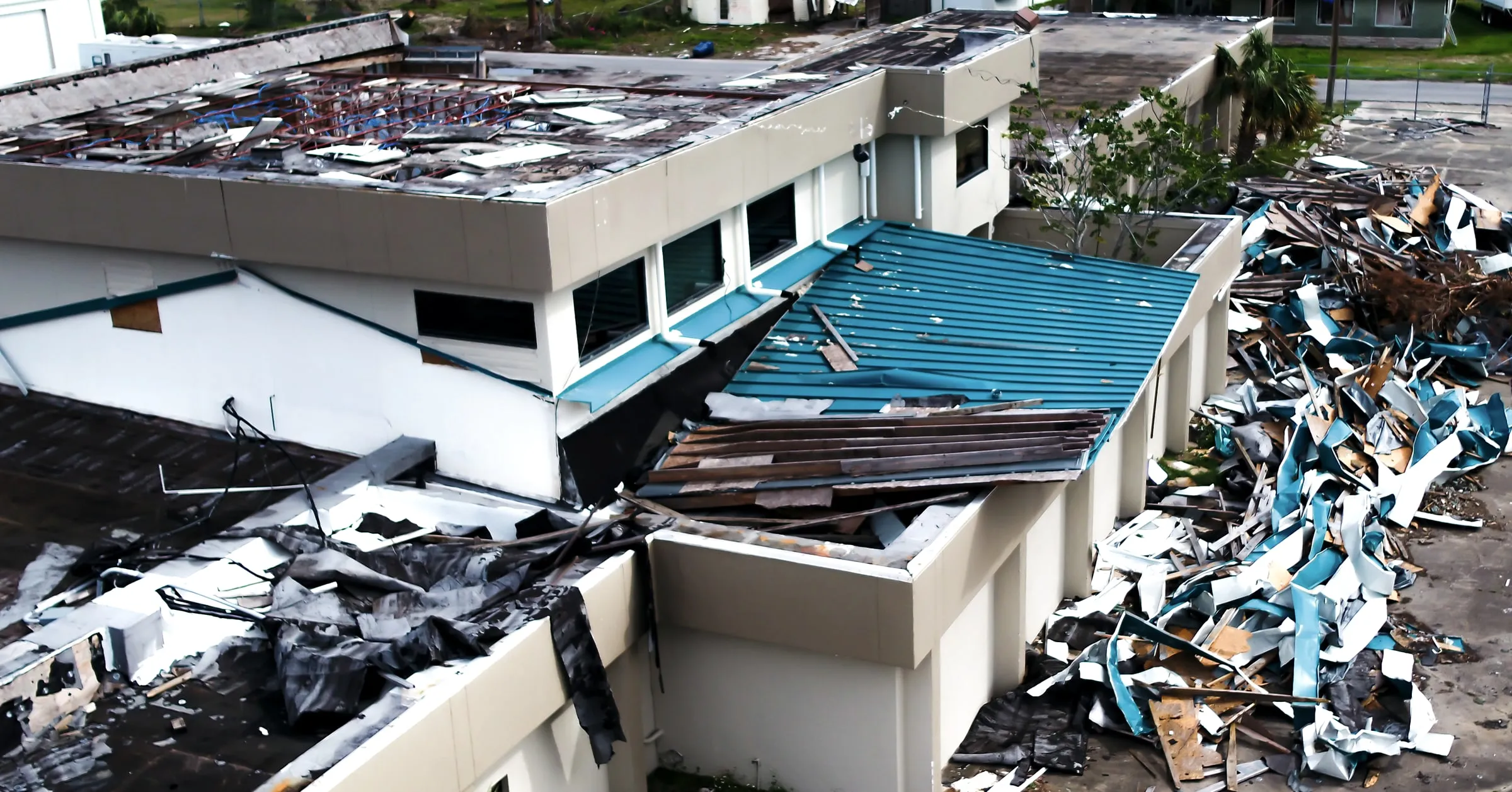
A flood, a fire, an explosion, a collapse. The property is open, the investigators and the adjusters need it held, the media and the curious arrive, and the owner's people are dealing with everything else.
Systems down
Power, gates, cameras, alarms, lighting and sprinklers are out across the site, sometimes across the district. Every control the property relied on is gone at once.
Crews, staging and materials
Restoration crews, utility crews, generators, pumps, fuel, dumpsters and materials arrive within a day and sit on an unfenced site in a neighborhood that has also lost everything.
People
Displaced residents and employees, volunteers, contractors and people who see an opportunity all arrive at the same door. Shelters, distribution sites and command posts need order and a courteous presence.
Under the incident lead
A disaster response has a command structure, and Price Protection’s officers work inside it. The lead officer reports to the incident commander or the client’s incident lead, takes posts and instructions from them, and coordinates with the police, the fire department and the utilities through the command post. The post orders are written at the scene with the lead: the perimeter, the scene that nobody enters, the crew entrance and the list, the staging area, the media contact and the reporting format the incident file uses.
Holding the scene
Investigators and adjusters need the scene undisturbed, and the property is open by definition. Officers hold the perimeter around the clock in rotation, admit only the people on the list, escort residents, employees and the adjuster where it is permitted, refuse the curious and the media courteously and direct them to the named contact, and log every entry and refusal.
Systems down and crews arriving
Everything the property relied on is out at once, and within a day the site holds generators, fuel, pumps and materials on unfenced ground. Officers walk the perimeter on the hour with a flashlight, check the staging area on every round, log deliveries and cover gates that will not close. Where fire protection systems are out of service, the impairment is reported and a fire watch kept if the fire code official requires it. Districts with several affected properties are covered on a route with fixed posts where the exposure is greatest.
Shelters and distribution
Shelters, distribution sites and command posts need order and a courteous presence. Officers are posted at entrances, lines and storage as the operator directs, apply the operator’s rules with people who have lost everything, and call the police for anything beyond a request to leave. Officers rotate through those posts on the same schedule as the perimeter so nobody works a shelter door for a double shift.
Calling
Dispatch is staffed around the clock and takes the site, the incident lead’s contact, the posts wanted and the conditions on the roads. Officers are sent from the nearest side of the region as soon as the site can be reached, and the report goes to the incident lead and the risk manager at every shift change until the coverage ends. Clients who write a plan before an emergency are staffed first.
How we cover it
Every service, applied to this post.
- Unarmed security guards
Unarmed officers dispatched as soon as the site can be reached, posted at the perimeter, the entrances, the staging area and the command post as the incident lead directs, staying around the clock in rotation until the site is secured or a patrol can take over.
- Access control
The scene held for investigators and adjusters, crews and contractors admitted by the incident lead's list and signed in and out, residents and employees escorted where it is permitted, and the media directed to the contact the lead names.
- Vehicle patrol
Marked vehicles covering a district or several properties on a route, checking staging areas, fuel and generators, downed fences and open buildings, and working the streets at night when the lighting is out.
- Fire watch
Where fire protection systems are out of service and the fire code official requires a watch, a fire watch is kept with rounds and a log under IFC 901.7 as adopted locally, and hot work during the response gets its own watch under OSHA's rules.
- Camera monitoring
Where temporary cameras are set on the staging area and the perimeter, the officer reviews them on rounds and the patrol responds to alerts as dispatch directs.
- Incident reporting
A report each shift to the incident lead and the risk manager: posts staffed, persons admitted and refused, crews and materials on site, damage and entries found and photographed, fire watch rounds, police and fire contact and anything the adjuster asked to be documented, in the format the incident file uses.
A typical post
What a shift looks like here.
The officer reaches the plant the morning after the explosion and reports to the incident commander at the command post: the perimeter tape, the investigators' area that nobody enters, the entrance for crews, the list, the media contact's name. The perimeter is walked and the openings noted, and the officer takes the crew entrance as the first restoration trucks arrive.
Through the day crews are signed in against the list, a television van is directed to the contact's number, a former employee who wants to see the damage is refused courteously, and the adjuster is escorted to the investigators' line. The staging area fills with generators and fuel, and the officer logs each delivery. A second officer takes the perimeter at the shift change and the first briefs him at the tape.
Overnight the perimeter is walked on the hour with a flashlight, a man at the rear fence is told the site is closed and leaves, the fuel and the generators are checked, and the fire watch log for the impaired sprinkler system is kept. The report goes to the incident commander and the risk manager at the shift change.
Reporting
What the daily report covers here
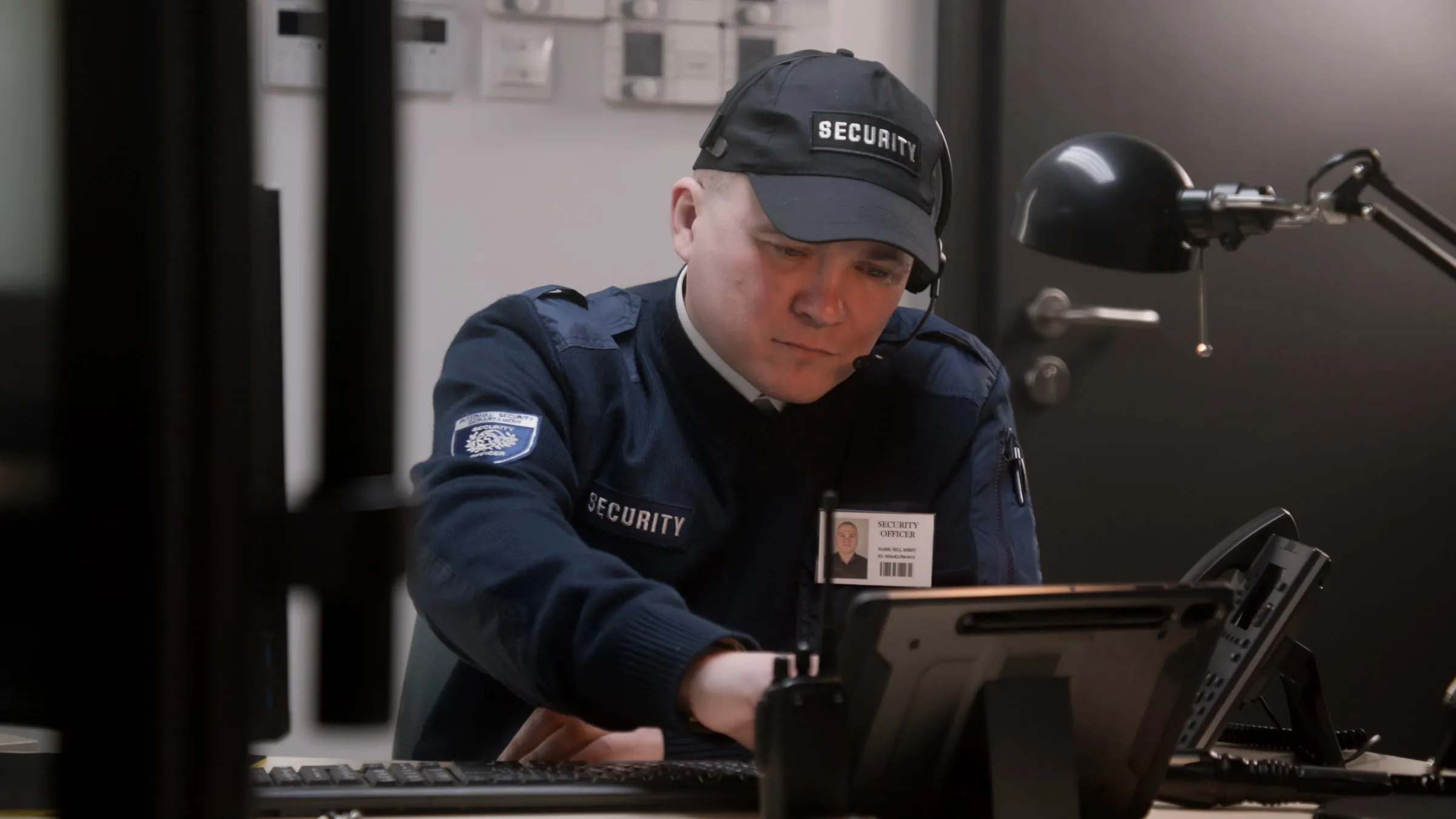
Every client receives a written report each day, and officer performance is reviewed and documented daily. This is what the report records on this kind of post.
- Posts staffed by shift and the incident lead's instructions
- Persons admitted by the list and persons refused, with times
- Crews, contractors, deliveries and materials on site
- Damage, entries and hazards found on rounds, photographed
- Media and public contacts directed to the named contact
- Fire watch rounds where systems are impaired
- Police, fire and utility contact, with times
Questions
About disaster and emergency response coverage.
Anything else? Call dispatch at (281) 326-9189.
How fast can officers reach a disaster site?
As soon as the site can be reached. Dispatch is staffed around the clock and officers are sent from the nearest side of the region. Clients with a plan and post orders written before an emergency are staffed first because the officers already know the property.
Can you cover a district after a flood or a storm?
Yes. Several properties are covered on a route with fixed posts at the sites with the most exposure, one report sectioned by site and the coverage adjusted daily as the situation changes.
Do officers work under an incident command?
Yes. The lead officer reports to the incident commander or the client's incident lead, takes posts and instructions from them and coordinates with the police, the fire department and the utilities through the command post.
What about shelters and distribution sites?
Officers are posted at entrances, lines and storage as the operator directs, courteous with people who have lost everything, applying the operator's rules and calling the police for anything beyond a request to leave.
Is a fire watch part of the response?
Where a required fire protection system is out of service and the fire code official requires a watch, yes, with rounds and a log under IFC 901.7 as adopted locally, until the system is restored.
Related pages
Industries we serve
Insights
Answers
Glossary
Request a proposal
Request a proposal for disaster and emergency response.
Two short steps. Dispatch reviews every request and calls you back about coverage. For urgent unarmed coverage we can typically staff most sites within hours.
24-hour dispatch
(281) 326-9189