
Security Guards for Utility and Water Facilities
A gate post and a perimeter patrol for the plant, the yard and the remote sites, with contractors controlled and every round logged for the utility.
Request a proposalThe situation
What a utility facility deals with
Critical, remote and quiet
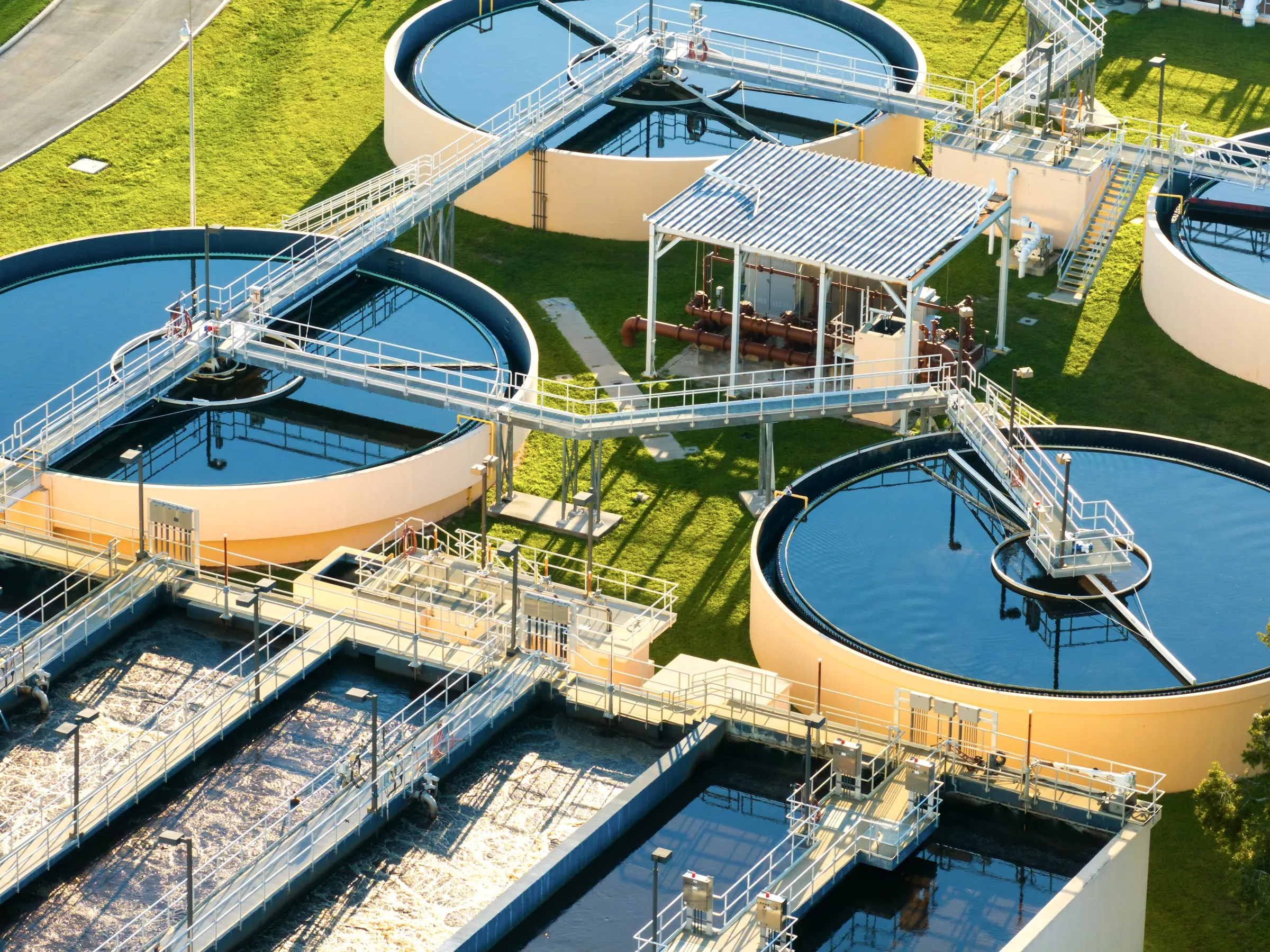
A treatment plant, a pump station or a substation is fenced, lit and empty at night. Copper, tools, vehicles and chemicals are inside the fence, and a breach affects service to thousands.
Contractors inside the fence
Plants are always under construction or repair: crews, deliveries, engineers and inspectors through the gate all day, each needing to be checked against a list and escorted where the utility requires.
Many sites, few people
A district operates a plant, a dozen lift stations, a yard and a tank site, with operators who cannot be at any of them at night. Coverage has to move.
Storms
Hurricane season is June through November, and utility sites are where crews and generators go when the storm passes. Fences are down, power is out and equipment is everywhere.
The gate and the route
A utility’s security has two shapes: a gate at the plant where everything and everyone is checked, and a route across the remote sites nobody can staff. Price Protection sets up both. The gate post applies the utility’s access list, contractor schedule and visitor procedure, escorts where the utility requires it, and watches the yard and the perimeter between arrivals. The patrol drives the lift stations, tank sites, substations and the yard on a written route, gets out at every one to test the gate and the padlock, checks the lights and the fence, and logs the round. Both report to the utility’s designee daily.
Contractors
Plants are always under repair. The post orders say which contractors are expected, what areas they may enter, which need an escort, how deliveries of chemicals and equipment are handled and where crews park. Every entry and exit is logged with the badge and the time. An inspector, an engineer or a crew outside the schedule waits at the gate while the operations supervisor is called.
Storms and fire watch
Hurricane season procedures are written into the post orders before June: who decides a stand-down and a return, what the officers do as crews and generators arrive after the storm, how fences and gates are checked and logged. Fire watch is staffed on short notice for hot work on the plant, for impaired fire systems in the utility’s buildings and for a site after a fire, with the log the fire marshal expects.
Procurement and the record
Utility districts and municipal departments buy security through a process, and the company supplies what it requires: the Texas DPS license, the certificate of insurance, the certifications the program recognizes, sample post orders and reports and references. The daily report is written so it can be filed and so the operations supervisor sees the cut fence and the alarm before the morning meeting.
Starting coverage
The process begins with the district’s purchasing office or the operations supervisor: the sites, the hours, the access procedure, the contractor schedule, the camera and gate systems, the storm plan and the procurement requirements. The supervisor walks the plant and drives the sites with operations, the post orders and the route are written and coverage starts on the contract date.
How we cover it
Every service, applied to this post.
- Unarmed security guards
An unarmed officer at the plant gate for the hours the utility chooses, checking every entry against the list, escorting where required, watching the perimeter and the yard, and walking the site on rounds between arrivals.
- Access control
The utility's access list, contractor schedules and visitor procedure applied at the gate, badges checked, keys and codes held as the post orders assign, and every entry and exit logged.
- Vehicle patrol
A marked vehicle covers lift stations, tank sites, substations and the yard on a written route with checkpoints on foot, testing gates and padlocks, checking lighting and fences and logging each round.
- Camera monitoring
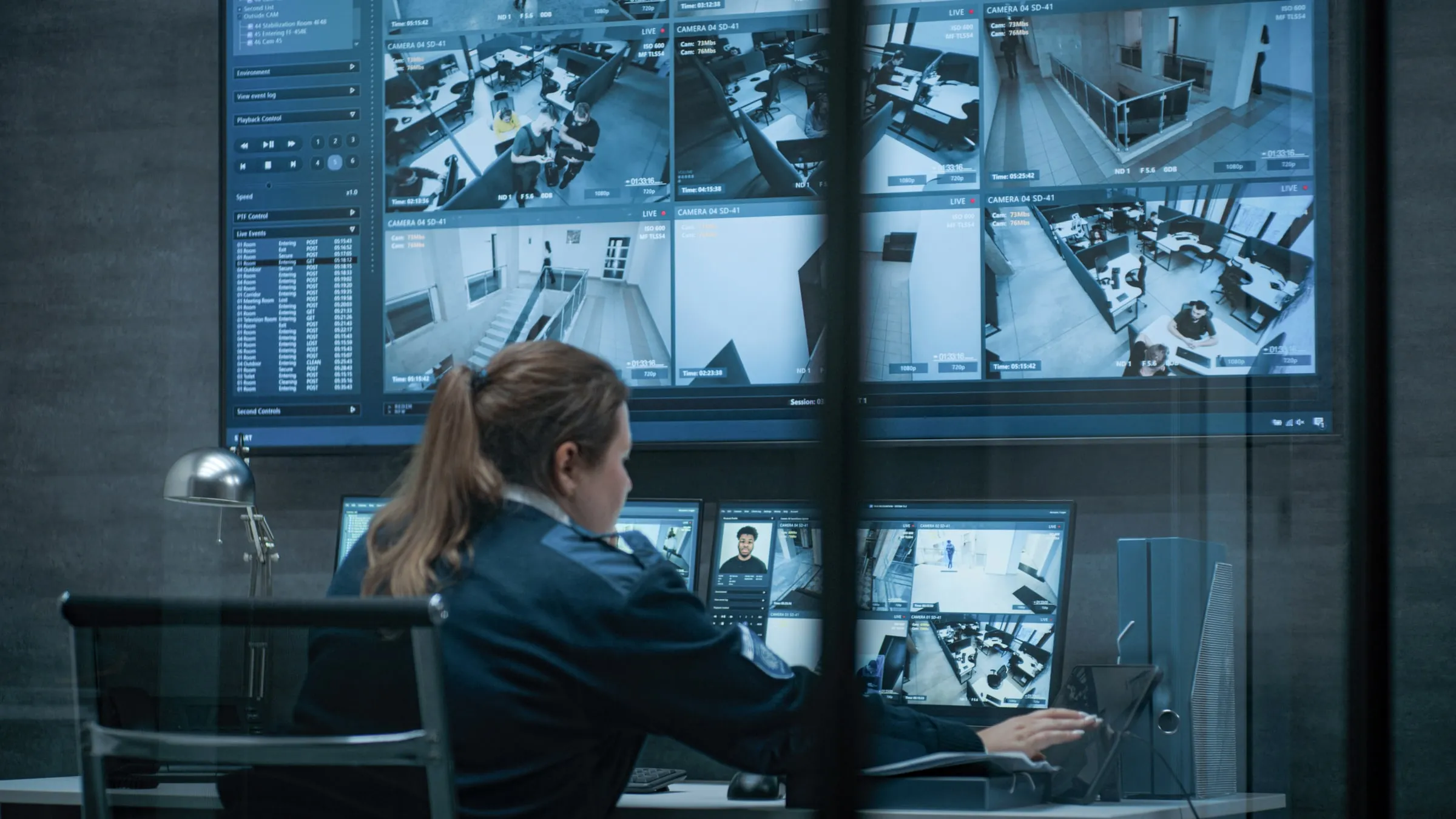
The utility's cameras and gate systems watched from the gate post or the control room as the utility assigns, with alarms responded to by the patrol and clips pulled for the utility.
- Fire watch
Fire watch during hot work on the plant, during fire system impairments in buildings the utility operates, and after a fire at a site, staffed on short notice with the log the fire marshal expects.
- Incident reporting
A daily report to the utility's designee: gate entries and exits, contractors on site, rounds by site with conditions found, gate and fence faults, alarms responded to and anything the operators asked the post to watch for.
A typical post
What a shift looks like here.
The gate officer opens with the operations supervisor: a contractor's crew replacing a pump, a chemical delivery at ten, an inspector at two. Each is checked against the list, badged and logged; the delivery is escorted to the chemical building as the post orders require. Between arrivals the officer walks the yard and watches the perimeter cameras.
The patrol vehicle leaves at dusk for the lift stations: each gate tested, each padlock pulled, each light checked, one station found with a cut fence panel and photographed, the operations supervisor called. At the tank site a truck is parked by the fence; the plate is logged and the driver, a hunter, moves on when contacted.
Overnight the plant gate is checked hourly, the patrol repeats the route in a different order, and the report records the crews, the delivery, the inspector, the cut fence with photographs and the truck. The operations supervisor has it before the morning meeting.
Reporting
What the daily report covers here
Every client receives a written report each day, and officer performance is reviewed and documented daily. This is what the report records on this kind of post.
- Gate entries and exits: contractors, deliveries, inspectors, staff after hours
- Escorts to restricted areas and the times
- Patrol rounds by site: gates, padlocks, lighting, fences, conditions found
- Damage, cut fences and attempted entries, photographed
- Alarms responded to and the outcome
- Vehicles of interest at remote sites, with plates
- Fire watch rounds and log during hot work or impairments
Questions
About utilities and water facilities coverage.
Anything else? Call dispatch at (281) 326-9189.
Can you cover a dozen lift stations?
Yes. Remote sites are covered by a vehicle on a written route with checkpoints on foot at each, on a schedule that varies. Sites with a history get more frequent checks and the route is adjusted from the reports.
Do officers escort contractors?
Where the utility requires it. The post orders say which areas need an escort, and the gate officer or a second officer walks the contractor there and logs it.
What about storm coverage?
Storm procedures are written into the post orders before June: the stand-down decision, the return, the coverage for crews and generators after the storm and the fence and gate checks. The utility and the company agree it in advance.
Do you provide fire watch at a plant?
Yes. Hot work on a plant, an impaired fire system in a building the utility operates, or a site after a fire are covered by trained fire watch officers on short notice, with the log the fire marshal expects.
Is the company eligible for district procurement?
The company holds Texas DPS license B09430601, carries the insurance a district requires and displays City of Houston MBE and Texas HUB marks. Certificates and references are supplied with the bid; the district's program determines eligibility.
Related pages
Industries we serve
Service areas
Insights
Glossary
Request a proposal
Request a proposal for utilities and water facilities.
Two short steps. Dispatch reviews every request and calls you back about coverage. For urgent unarmed coverage we can typically staff most sites within hours.
24-hour dispatch
(281) 326-9189