
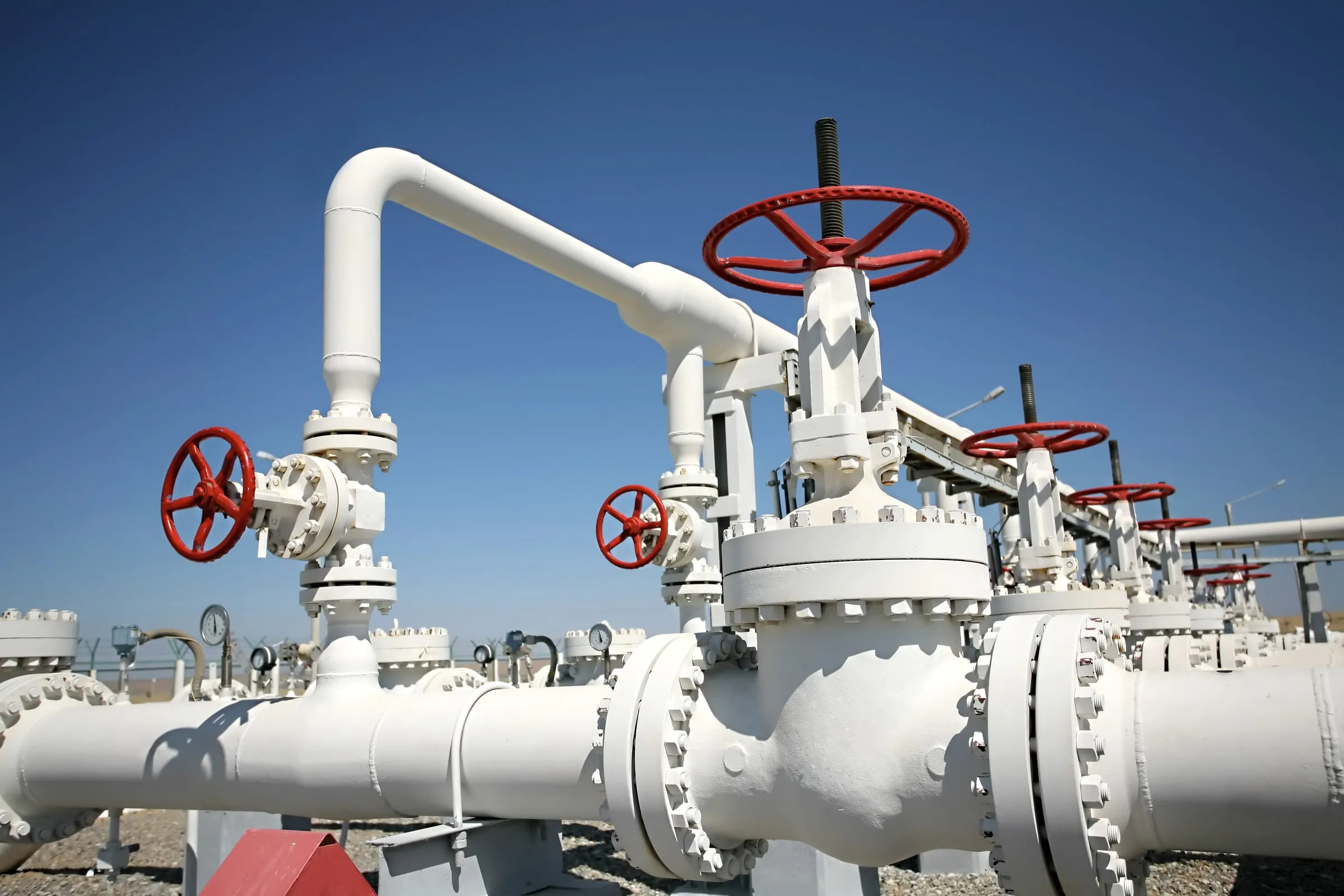
Security Guards for Oil and Gas Facilities
Coverage sized to the site, from a single gate at a compressor station to a patrol across several unmanned well pads, with a report the operator reads daily.
Request a proposalThe situation
What an oil and gas facility deals with, from a single well site to a multi-site route
Most sites run with nobody there most of the time
A well pad, a tank battery or a small gathering site is typically unmanned between operator visits, which means a fence and a lock are often the only thing standing between the equipment and anyone who wants in.
Copper, tubing and equipment are worth stripping for scrap
Wiring, tubing and small equipment at an unmanned site are worth enough as scrap that theft is a standing risk, and damage from a theft attempt often costs more to repair than the material taken was worth.
One operator covers a route, not a single site
Field operators often manage several well sites or a battery and a compressor station across a wide area, and a security plan built around one location misses everything happening at the others while the operator is elsewhere.
Hot work and equipment repair need a fire watch on short notice
Welding or cutting during equipment repair at a compressor station or a tank battery calls for a fire watch, and a delay in getting one staffed holds up the repair the operator needs done.
Coverage sized to how the site is actually staffed
Oil and gas facilities range from a compressor station with steady traffic to a well pad nobody visits for days, and the right security plan is not the same for either. Price Protection sets up a gate post where a site has continuous traffic and a patrol route where it does not, and most operators end up with a mix of the two across the sites they manage.
A patrol route is a checklist, not a drive-by
Covering several unmanned sites means the value is in what gets checked at each stop, not the miles driven between them. The officer’s route includes a fence walk, a gate and lock check, and a look for anything disturbed since the last pass, at every site on the list, logged individually so the operator knows exactly what was found where rather than a single note that the route was run.
Scrap value makes an empty site a target
Copper wiring, tubing and small equipment at an unmanned facility are worth enough as scrap that theft is a real and recurring risk, and the damage from cutting a fence or forcing a gate often costs more than the material taken. A patrol that checks locks and fence lines on a set schedule, rather than only after a theft is reported, is what catches an attempt before it succeeds.
Fire watch has to move at field speed
Equipment repairs on oil and gas sites often come up on short notice, and hot work on that repair needs a fire watch staffed just as fast or the job waits. Price Protection keeps officers available for that timeline, covering the duration the repair and the applicable fire watch requirements set. This is a summary, not legal advice; the operator’s own procedures and the authority having jurisdiction govern the exact requirement.
Starting coverage
To begin, dispatch needs a list of the sites involved, whether each is staffed or unmanned, the access procedure at any gated location, and the patrol frequency the operator wants for unmanned sites. Coverage can start with a single site or a full route, and the schedule is adjusted as the operator’s own drilling or workover activity changes the traffic at each location.
How we cover it
Every service, applied to this post.
- Unarmed security guards
An unarmed officer staffs a gate at a facility with continuous traffic, such as a compressor station or a staffed yard, checking vehicles against the operator's access list and logging every entry and exit.
- Vehicle patrol
A marked vehicle covers a route across several unmanned well sites, tank batteries or gathering facilities on a written schedule, checking fences, locks and gates at each stop and logging conditions found.
- Access control
Access at staffed gates is checked against the operator's own list; unmanned sites are secured by fence and gate checks on the patrol route rather than a person stationed at each location.
- Camera monitoring
Where a site has its own cameras, the patrol officer checks the system on the round and pulls footage for the operator if a fence or lock issue is found, in addition to the physical check.
- Fire watch
Fire watch officers cover hot work during equipment repair or a fire system impairment at a staffed facility, following the requirements a fire watch has to meet, staffed on short notice so repair work is not delayed.
- Incident reporting
The daily report lists sites visited on the patrol route, fence and gate conditions at each, any sign of theft or attempted entry, gate log entries at staffed locations, and fire watch coverage where it applied.
A typical post
What a shift looks like here.
At a staffed compressor station or yard, the gate officer logs every vehicle against the operator's access list and watches for anyone approaching the fence line who is not there for a logged reason, since the site's own traffic is usually limited to a known set of operators and contractors.
On a multi-site patrol route, the officer drives between well pads, tank batteries and gathering sites on a written schedule, stopping at each to check the fence, the gate lock and any visible sign of tampering or theft, since an unmanned site's only real defense between visits is that check.
When hot work is called for an equipment repair, the fire watch officer is posted before work starts and stays for the duration the repair and the applicable requirements set, logging rounds and conditions until the work is finished and the standard cooling period has passed.

Reporting
What the daily report covers here
Every client receives a written report each day, and officer performance is reviewed and documented daily. This is what the report records on this kind of post.
- Sites visited on the patrol route, by time
- Fence, gate and lock conditions at each site
- Signs of theft, tampering or attempted entry
- Gate log entries at staffed facilities
- Fire watch coverage: location, duration and log
- Camera system checks where the site has its own
Can you patrol several well sites for one operator?
Yes. A vehicle patrol covers a route across multiple well sites, tank batteries or gathering facilities on a written schedule set with the operator, stopping at each to check fences, gates and any sign of theft or entry.
Do you staff a gate at an unmanned site?
Unmanned sites are typically covered by patrol rounds rather than a stationed officer, since the traffic does not justify a continuous post; a staffed compressor station or yard with regular vehicle traffic is where a gate post makes sense.
How fast can fire watch be arranged for an equipment repair?
On short notice. Field repairs on oil and gas equipment often come up without much lead time, and fire watch coverage is staffed to that timeline rather than requiring the job to be scheduled weeks ahead.
What happens if a fence is found cut on patrol?
It is photographed, logged and reported to the operator immediately, and the patrol schedule for that site is adjusted until the fence is repaired. Anything suggesting a theft attempt is called in the same visit it is found.
Can coverage change with the season or the work schedule?
Yes. Patrol frequency and gate hours are set to the operator's own schedule and can be adjusted for drilling activity, workover jobs or seasonal changes in site traffic.
Related pages
Industries we serve
Insights
Glossary
Request a proposal
Request a proposal for oil and gas facilities.
Two short steps. Dispatch reviews every request and calls you back about coverage. For urgent unarmed coverage we can typically staff most sites within hours.
24-hour dispatch
(281) 326-9189