
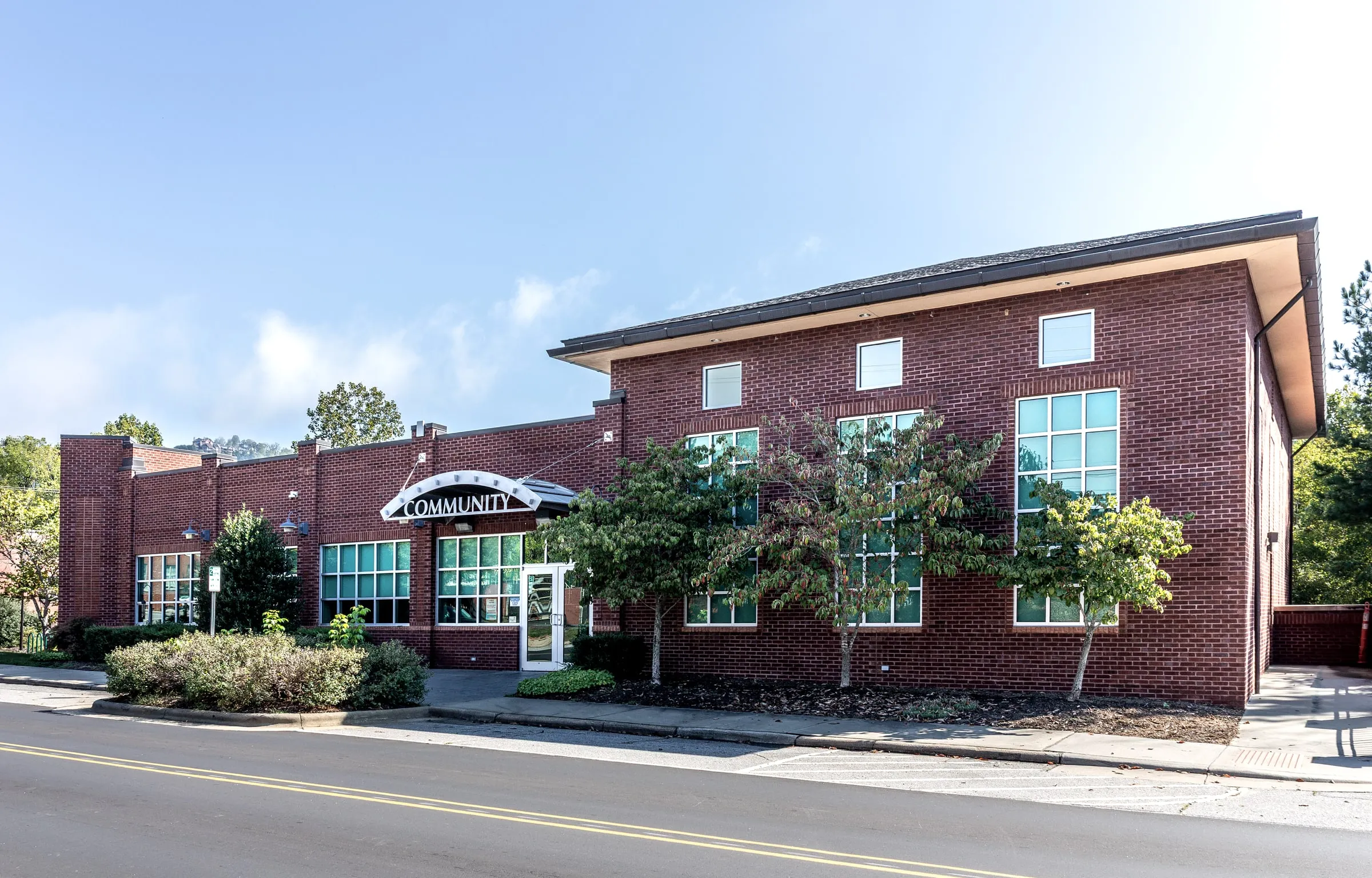
Security Guards for Community Centers
An officer the neighborhood knows, at the desk for programs and at the door for the Saturday rental, with the building walked at closing.
Request a proposalThe situation
What a community center deals with
Everyone from toddlers to teenagers
A center runs a senior lunch at noon, after-school programs at three, a basketball league at seven and a quinceañera on Saturday. Each group has its own problems and the staff are program people.
The gym and the pool
Open gym and open swim draw the neighborhood's teenagers, and arguments on the court or the deck become fights in the lot. The lifeguard and the rec leader cannot handle both the game and the crowd.
Rentals
Saturday rentals bring a hundred guests, alcohol where the center allows it, a DJ and people the renter does not know. The center is responsible for the building and the lot until the last car leaves.
Closing and the lot
The center closes at nine or ten with staff walking to a lot that draws the same teenagers who were in the gym.
The neighborhood’s building
A community center is used by everyone in its neighborhood, in shifts: seniors at lunch, children after school, teenagers in the gym, leagues at night, families at a Saturday rental. Price Protection’s post is an officer the neighborhood comes to know, at the desk during programs, in the gym and at the pool during open hours, at the door for rentals and in the lot at closing. The post orders are written with the director from a walk of the building and restate the center’s rules for each program and space.
The gym, the pool and the teenagers
Open gym and open swim are where a center’s problems start. The officer is a familiar, fair adult in the doorway and on the deck: rules applied the same way every day, arguments broken up with a word, the police called only for a fight or a weapon. The rec leader runs the game and the lifeguard watches the water; the officer watches the crowd. Fights that would have moved to the lot end in the gym. Parents who drop children at the after-school program come to know the officer by name, and the regulars in the gym learn that the rules do not change with the officer’s mood. That consistency is what makes the rest of the shift quiet.
Rentals and events
A Saturday rental is an event: the officer at the door checks the guest count against the contract, applies the center’s alcohol policy where alcohol is permitted, watches the lot and stays until the renter has cleared the building. Centers that cover programs with staff often add an officer for rentals and evening events only, and some bill the coverage to the renter.
Closing
Closing is a walk: the gym, the locker rooms, the program rooms, the restrooms and the offices, the building confirmed empty with the director, the doors secured and the staff walked to the lot. Centers with a large lot or fields add a vehicle for evening leagues and closing.
Starting coverage
The process begins with the director or the department: the center, the program schedule, the rental calendar, the rules, the department’s procedures and format and the procurement requirements. The supervisor walks the building with the director, the post orders are written and the officer starts on the agreed day.
How we cover it
Every service, applied to this post.
- Unarmed security guards
An unarmed officer at the center for the hours the director chooses: near the desk during programs, in the gym and at the pool during open hours, at the door for rentals and events, walking the building and the lot, and staying through closing.
- Access control
Sign-in and membership checks where the center uses them, program rooms and offices secured, rentals checked against the contract and the guest count, and the building's own access system used as the post orders assign.
- Camera monitoring
The center's cameras on the gym, the lot and the entrances watched from the desk between rounds, with clips pulled for the director on request.
- Vehicle patrol
For centers with a large lot or fields, a vehicle works the lot during evening leagues and rentals and at closing.
- Incident reporting
A daily report to the center director: contacts by program, gym and pool incidents, rental coverage and the renter's compliance, closing walk, lot observations and anything staff asked the officer to watch for, in the department's format where it has one.
A typical post
What a shift looks like here.
The afternoon officer opens with the director: the after-school program, an open gym at four, a league at seven, a rental Saturday with alcohol permitted. As the teenagers arrive the officer is in the gym doorway; an argument on the court is broken up with a word and the two players sit out. The pool deck is walked during open swim.
During the league the officer works the gym and the lot alternately, watches the cameras from the desk, and speaks to a group in the lot who leave. A parent reports a car that has been sitting by the playground; the plate is logged and the car is gone on the next round.
At closing the officer walks the gym, the locker rooms, the program rooms and the restrooms, confirms the building empty with the director and walks the staff to the lot. Saturday the same officer takes the rental door, checks the guest count against the contract and stays until the renter has cleared the building.

Reporting
What the daily report covers here
Every client receives a written report each day, and officer performance is reviewed and documented daily. This is what the report records on this kind of post.
- Program coverage by hour and contacts with participants
- Gym and pool incidents and the outcome
- Rental coverage: renter, guest count, alcohol compliance, incidents, cleared time
- Closing walk: gym, locker rooms, program rooms, restrooms, doors, staff escorted
- Lot rounds and vehicles of interest with plates
- Medical calls with 911 time and outcome
- Facility conditions reported to the director
How does the officer handle teenagers?
As a familiar adult who is fair and consistent. The officer knows the regulars, applies the center's rules the same way every day, breaks up arguments with a word and calls the police only for a fight or a weapon. Officers are trained in de-escalation.
Can you cover rentals only?
Yes. Many centers add an officer for Saturday rentals and evening events and cover programs with staff. The proposal prices the hours the director chooses, and rentals can be billed to the renter where the center's policy allows.
What about the pool?
The lifeguard watches the water; the officer watches the deck, the gate and the crowd, applies the deck rules and handles disputes. The two work together and the post orders say who calls whom.
Do you work with a parks department's own security?
Yes. Where the department has a security office and an incident format, the post orders follow its procedures and the report is in its format.
Can the officer handle a medical emergency?
Officers are trained in first aid, call 911 first, then the director, and give aid within their training until EMS arrives. Seniors' programs make this a real part of the job.
Related pages
Industries we serve
Service areas
Insights
Glossary
Request a proposal
Request a proposal for community centers.
Two short steps. Dispatch reviews every request and calls you back about coverage. For urgent unarmed coverage we can typically staff most sites within hours.
24-hour dispatch
(281) 326-9189