
Security Guards for Transit and Park-and-Ride Lots
A visible officer in the lot from the first bus to the last, so commuters find their cars the way they left them.
Request a proposalThe situation
What a park-and-ride lot deals with
A lot full of cars nobody is watching
From seven in the morning to six at night the lot holds hundreds of cars whose owners are downtown. It is the definition of an unattended lot, and it is worked for windows, catalytic converters and whole vehicles.
Riders waiting in the dark
Early buses and late returns put riders on a platform or at a shelter before dawn and after dusk, alone, with their phones out. The walk to the car is the moment they worry about.
The facility itself
Shelters, restrooms, ticket machines, lighting and fare gates get vandalized and used for shelter. A transit center draws people who are not riding.
Agency standards
A transit agency or a management district has its own security office, procedures and reporting, and a contractor's officers have to work inside them.
Watching the cars while the owners are downtown
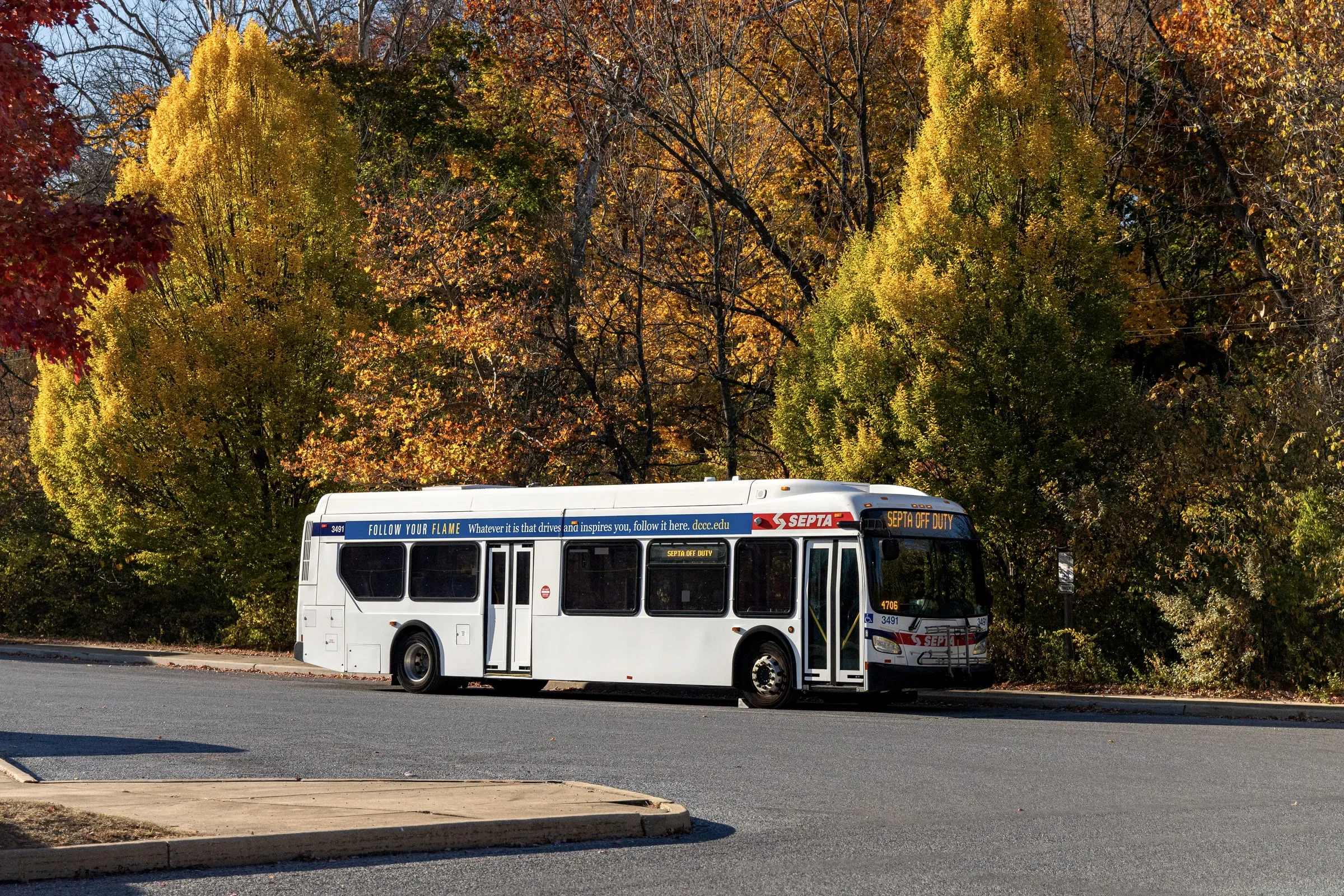
A park-and-ride lot is an unattended lot by design: hundreds of cars from seven to six with their owners miles away. The coverage that fits it is a marked vehicle in the lot all day, driving the rows on a schedule that varies, stopping to walk sections, and visible from the freeway. Price Protection’s post orders for a lot say how often the rows are driven, which sections are walked, what is done about a vehicle that circles, and how damage is documented so the agency can contact the owner before the rider finds the glass.
The platform, early and late
Riders’ worry is the walk to the car in the dark. The officer is on foot at the platform and the shelters before the first bus and from mid-afternoon to the last, visible, walking riders to their cars on request, checking the restrooms and the machines and handling people who are not riding by the agency’s policy. Transit centers with a building add a post inside it.
Inside the agency’s procedures
A transit agency, a municipality or a management district has a security office, policies and an incident format, and the post works inside them. The post orders restate the agency’s rules on fares, non-riders, restrooms and reporting; the daily report is in the agency’s format and goes to its security office and the operator. Officers are assigned to a lot so riders recognize them.
Damage and the record
When a car is broken into, the round finds it: photographed, logged with the row and the time, the cameras reviewed for the window, the plate passed to the agency and the police called where the post orders direct. Over a month the reports show which rows and which hours are worked, and the route is adjusted. Rows that keep losing windows get walked instead of driven, and the vehicle spends more time parked in sight of them.
Starting coverage
The process begins with the agency’s security office or the operator: the lots, the bus schedule, the hours, the agency’s policies and format, the cameras and the procurement requirements. The supervisor walks each lot with the operator, the post orders and the route are written and coverage starts on the contract date.
How we cover it
Every service, applied to this post.
- Vehicle patrol
A marked vehicle in the lot through the day, driving the rows on a varied schedule, stopping to walk sections, checking for broken glass and cars of interest, and present at the platform as buses arrive in the evening.
- Unarmed security guards
An unarmed officer on foot at the platform, the shelters and the ticket machines for the early and late windows, visible to riders, walking with anyone who asks to be walked to their car, and handling people who are not riding by the agency's policy.
- Camera monitoring
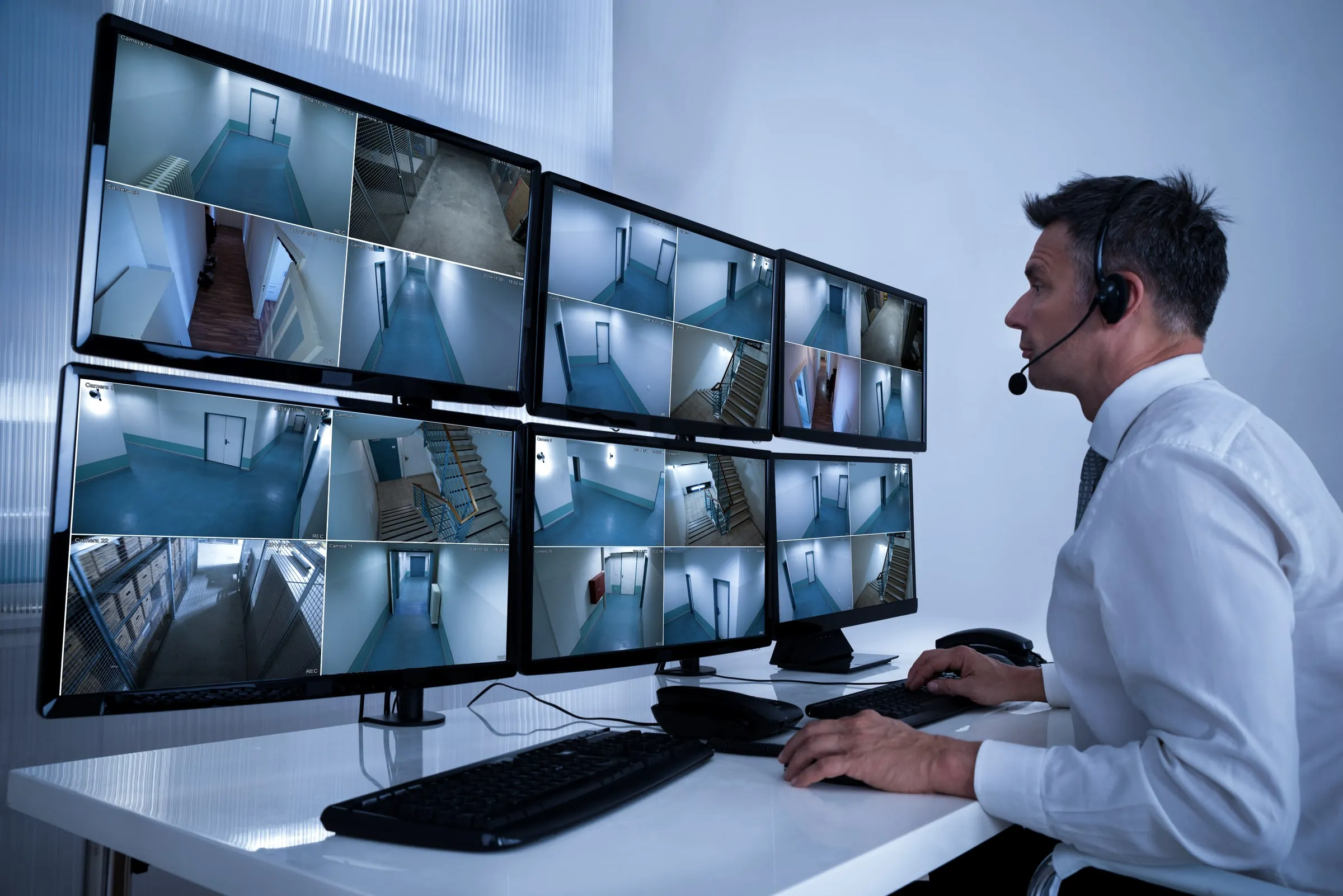
The agency's cameras on the lot and the platform watched from the vehicle or the transit center between rounds, with clips pulled for the agency's security office on request.
- Access control
Restrooms, the transit center building and the bus staging area checked and secured on the agency's schedule, and fare and platform rules applied as the post orders restate them.
- Incident reporting
A daily report in the agency's format: rounds, vehicles of interest, damage found, contacts, incidents reported by riders, facility conditions and police calls, to the agency's security office and the operator.
A typical post
What a shift looks like here.
The officer is at the platform before the first bus, visible to the early riders, and walks the shelters and the restrooms. As the lot fills the vehicle takes over: rows driven, sections walked, a truck with two men that has circled the lot twice logged with its plate and, per the post orders, the police non-emergency line called when it returns a third time.
Through the day the rows are driven on a varied schedule, glass on the ground at row F is found and photographed, the car it came from is logged for the agency to contact the owner, and the cameras are reviewed for the time. A man sleeping in a shelter is woken and offered the information the post orders provide.
From four the officer is back at the platform as riders return, walks two women to their cars at their request, and stays until the last bus. The report, in the agency's format, lists the truck, the broken window, the sleeper and the escorts.
Reporting
What the daily report covers here
Every client receives a written report each day, and officer performance is reviewed and documented daily. This is what the report records on this kind of post.
- Lot rounds with times, rows driven and sections walked
- Vehicles of interest with plates and the action taken
- Vehicle damage found: location, time discovered, photographs, owner contact passed to the agency
- Platform and shelter coverage windows and rider escorts
- Contacts with non-riders and the outcome under the agency's policy
- Facility conditions: lighting, restrooms, machines, shelters
- Police calls with times and case numbers
When should the lot be covered?
Most lots are covered from before the first bus to after the last, with the vehicle in the lot through the day and the officer on the platform in the early and late windows. Lots with a specific problem add overnight coverage.
Do officers escort riders to their cars?
Yes, on request, in the evening window. Riders who ask are walked to their cars and it is logged.
How do you work with the agency's security office?
Inside its procedures. The post orders follow the agency's policies on fare rules, non-riders, restrooms and incident reporting, and the daily report is in the agency's format to its security office.
What happens when a car is broken into?
The damage is found on a round, photographed, logged with the location and time, the cameras are reviewed for the window, and the agency is given the plate to contact the owner. The police are called where the post orders direct.
Can you cover several lots?
Yes. Several lots are covered by a route with a vehicle at each in turn, or a vehicle per lot, depending on the size and the problem. The proposal states the coverage per lot.
Related pages
Industries we serve
Service areas
Insights
Glossary
Request a proposal
Request a proposal for transit and park-and-ride.
Two short steps. Dispatch reviews every request and calls you back about coverage. For urgent unarmed coverage we can typically staff most sites within hours.
24-hour dispatch
(281) 326-9189