
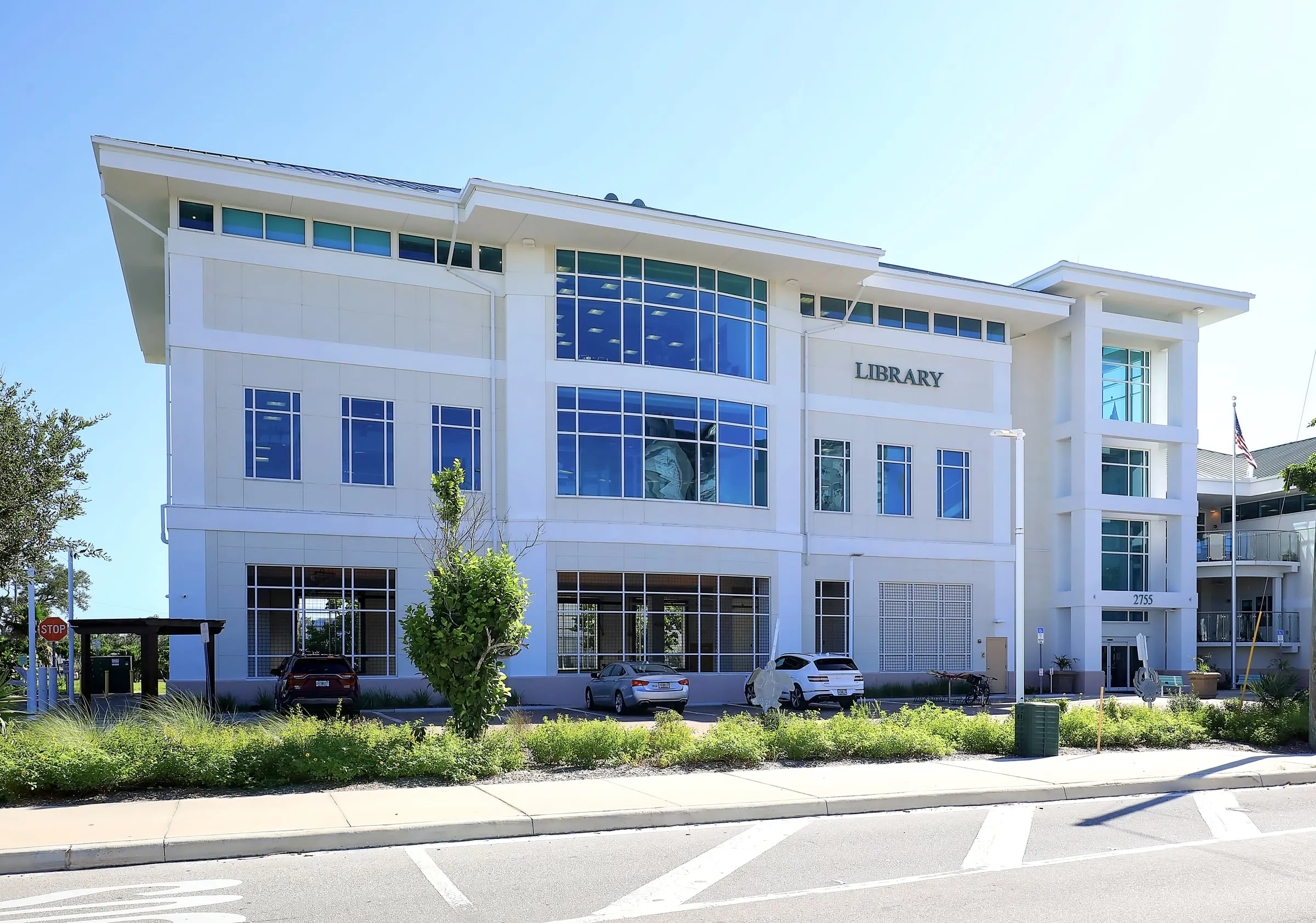
Security Guards for Libraries
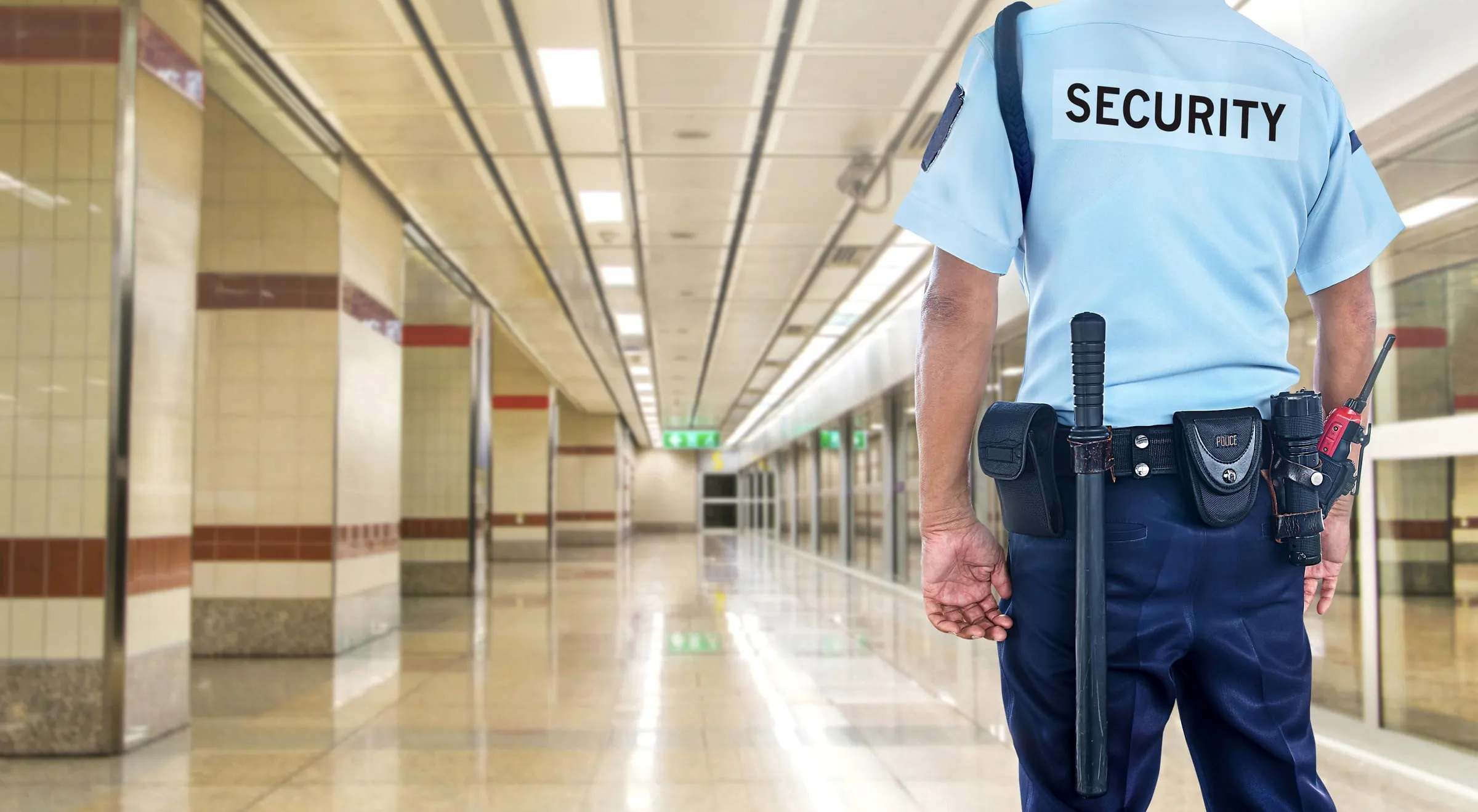
A calm officer on the floor who applies the library's conduct policy the way the library wants it applied, and walks the building at closing.
Request a proposalThe situation
What a library deals with through the day
Everyone is welcome, all day
A library is open to anyone, free, air-conditioned and quiet. People in crisis, people with nowhere else to go, teenagers after school and families with small children share the same floor, and the staff are librarians, not security.
Conduct, not crime
Most of what a library deals with is conduct: sleeping, noise, hygiene, arguments, someone filming, someone following a staff member. The library has a policy; applying it, courteously and consistently, is the job.
Restrooms and the stacks
The parts of the building the desk cannot see are where drug use, vandalism and the occasional medical emergency happen.
Closing
Getting everyone out at closing, checking the restrooms and the stacks, and walking staff to their cars in a lot that is dark by six in winter.
Conduct is the job
A library’s security problem is rarely crime. It is conduct: sleeping, noise, hygiene, an argument, a patron who follows a staff member, a needle in the restroom. The library has a policy for all of it, and the staff should not have to be the ones applying it. Price Protection’s post puts a calm officer on the floor who applies the policy exactly as written, courteously and consistently, with a quiet word as the first response to almost everything and the branch manager’s confirmation for any exclusion.
The floor, the stacks and the restrooms
The officer is visible near the entrance and the desk, and walks the stacks, the restrooms, the children’s area and the meeting rooms on a schedule. The parts of the building the desk cannot see are where the problems the staff find later happen, and a round every hour changes that. The children’s area gets a pass on each round and a quiet word with any adult there without a child, which is the library’s own policy and the one parents care most about. Meeting rooms are checked after the last booking. Cameras are watched between rounds. A patron in crisis is spoken to calmly, 911 is called for a medical emergency, and the library’s referral information is offered where the post orders provide it.
Closing
Closing is a procedure: every floor walked, the restrooms and the stacks checked, the building confirmed empty with the manager, the doors secured and the staff walked to the lot. Branches with a dark lot or a history of break-ins add a vehicle at closing.
The library system
Where the library belongs to a system with its own security office and incident format, the post orders follow the system’s procedures and the report is written in its format, going to the branch manager and the system’s office. Officers assigned to a branch stay on it so staff and regular patrons know them.
Starting coverage
The process begins with the branch manager or the system’s office: the branch, the hours, the conduct policy, the current problems, the system’s procedures and the procurement requirements. The supervisor walks the branch with the manager, the post orders are written and the officer starts on the agreed day.
How we cover it
Every service, applied to this post.
- Unarmed security guards
An unarmed officer on the floor for the hours the library chooses, visible near the entrance and the desk, walking the stacks, the restrooms and the children's area on a schedule, applying the conduct policy as the post orders restate it and staying through closing.
- Access control
The staff-only doors, the meeting rooms after hours and the book drop and loading area are checked on rounds, and patrons who have been banned under the library's policy are recognized and handled as the policy directs.
- Camera monitoring
The library's cameras are watched from a position near the desk between rounds, and clips are pulled for the branch manager on request.
- Vehicle patrol
Where the lot is large or the branch has had break-ins, a vehicle works the lot at closing and on evenings the library chooses, walking staff to their cars.
- Incident reporting
A daily report to the branch manager: conduct contacts and their outcome, patrons asked to leave, medical calls, restroom and stack rounds, closing and anything staff asked the officer to watch for, in the library system's incident format where it has one.
A typical post
What a shift looks like here.
The officer opens with the branch manager: a patron whose ban expired yesterday, a program for toddlers at ten, a leak in the restroom. As the doors open the officer is near the entrance, then walks the stacks and the restrooms on the hour. A man asleep at a table is woken courteously as the policy directs, once, and reads.
After school the teenagers arrive and the noise rises; the officer speaks to the loudest group and it settles. A staff member reports a patron who has followed her to the desk twice; the officer stays near the desk, speaks to the patron about the policy, and the patron leaves. In the restroom a needle is found and the officer secures it as the post orders direct and logs it.
At closing the officer walks every floor, the restrooms and the stacks, confirms the building is empty with the manager, and walks the staff to the lot. The report lists the sleeper, the teenagers, the patron at the desk, the needle and the closing, in the system's format.
Reporting
What the daily report covers here
Every client receives a written report each day, and officer performance is reviewed and documented daily. This is what the report records on this kind of post.
- Conduct contacts by time, policy section and outcome
- Patrons asked to leave or excluded under the policy, with the manager's confirmation
- Restroom and stack rounds with times, and anything found
- Medical calls with 911 time and outcome
- Incidents involving staff and what was done
- Closing walk: floors, restrooms, stacks, doors, staff escorted
- Lot observations and vehicles of interest
How does the officer apply our conduct policy?
Exactly as written. The post orders restate the policy section by section, and the officer applies it courteously, consistently and with the manager's confirmation for any exclusion. The officer does not invent rules.
Will an officer make the library feel unwelcoming?
The post is written so it does not. The officer is calm, near the desk, walking on a schedule, and the first response to almost everything is a quiet word. Staff and regular patrons see a familiar face.
What about patrons in crisis?
Officers are trained in de-escalation and first aid. A patron in crisis is spoken to calmly, the policy is applied where it must be, 911 is called for a medical emergency, and the library's referral information is offered where the post orders provide it.
Can you cover only afternoons and closing?
Yes. Many branches cover the after-school hours through closing, and add mornings where there is a problem. The proposal prices the hours the library chooses.
Do you work with a library system's own security office?
Yes. Where the system has one, the post orders follow its procedures and its incident format, and reports go to the branch manager and the system's office.
Related pages
Industries we serve
Insights
Glossary
Request a proposal
Request a proposal for libraries.
Two short steps. Dispatch reviews every request and calls you back about coverage. For urgent unarmed coverage we can typically staff most sites within hours.
24-hour dispatch
(281) 326-9189