
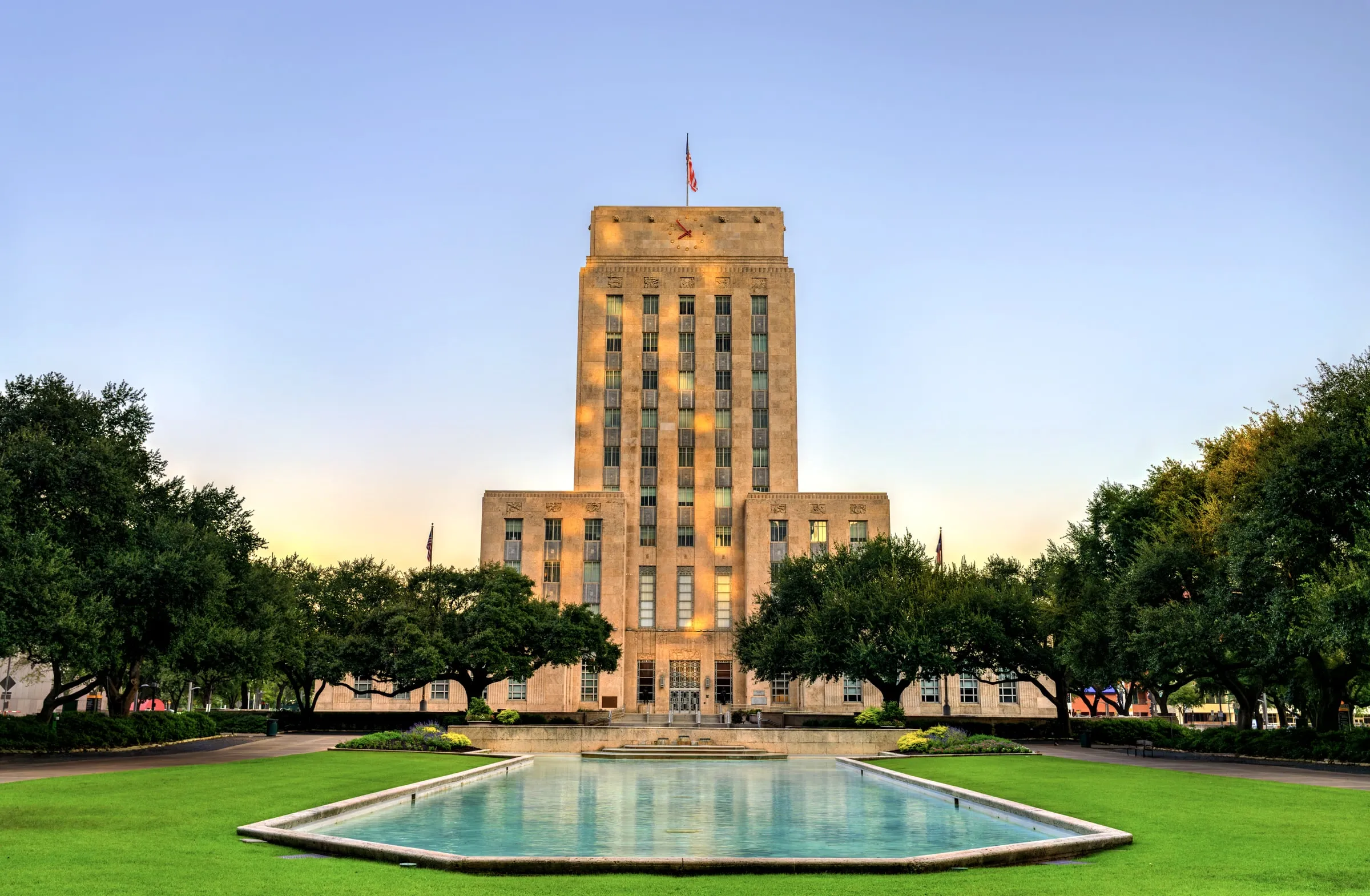
Security Guards for Government & Public Facilities
Public buildings have to stay open to the public. We staff the entrance, the lot and the after-hours building for the agencies that run them.
Request a proposalThe industry in Houston
Public facilities are the most open buildings in the city
City halls, courthouses annexes, libraries, community centers, utility offices and transit lots exist to be used by anyone. They cannot screen visitors the way a private office can, and they see the full range of the public, including people in crisis.
Procurement has its own rules. Public contracts run on solicitations, certifications and reporting. Price Protection is licensed by the Texas Department of Public Safety and displays the City of Houston MBE, Texas Statewide HUB and City of Houston Office of Business Opportunity marks, and it structures its reporting to fit public accountability.
After hours the building belongs to nobody. Public buildings close early and open late. Overnight, they are targets for vandalism, theft of copper and equipment, and use as shelter. Utility and water facilities carry an added concern about tampering.
Staff face the public alone. Front-counter staff at permit offices, librarians and community center employees deal with difficult situations without training or backup. A licensed officer nearby changes the situation and documents it.
Property types
Pick the page that matches your property.
Each page below covers the risks, the post, the report and the questions specific to that property type.
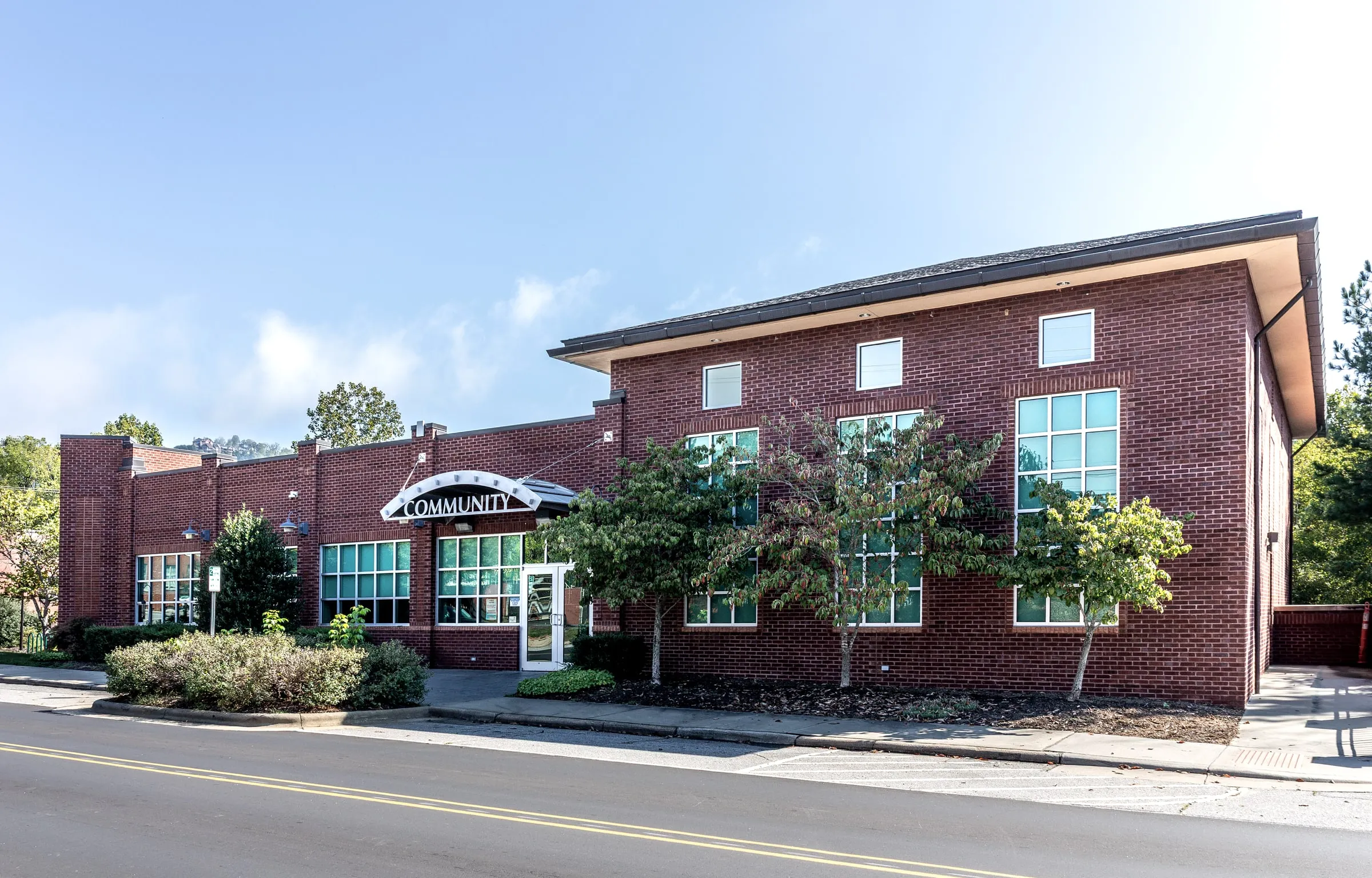
Community centers
An officer the neighborhood knows, at the desk for programs and at the door for the Saturday rental, with the building walked at closing.
Learn more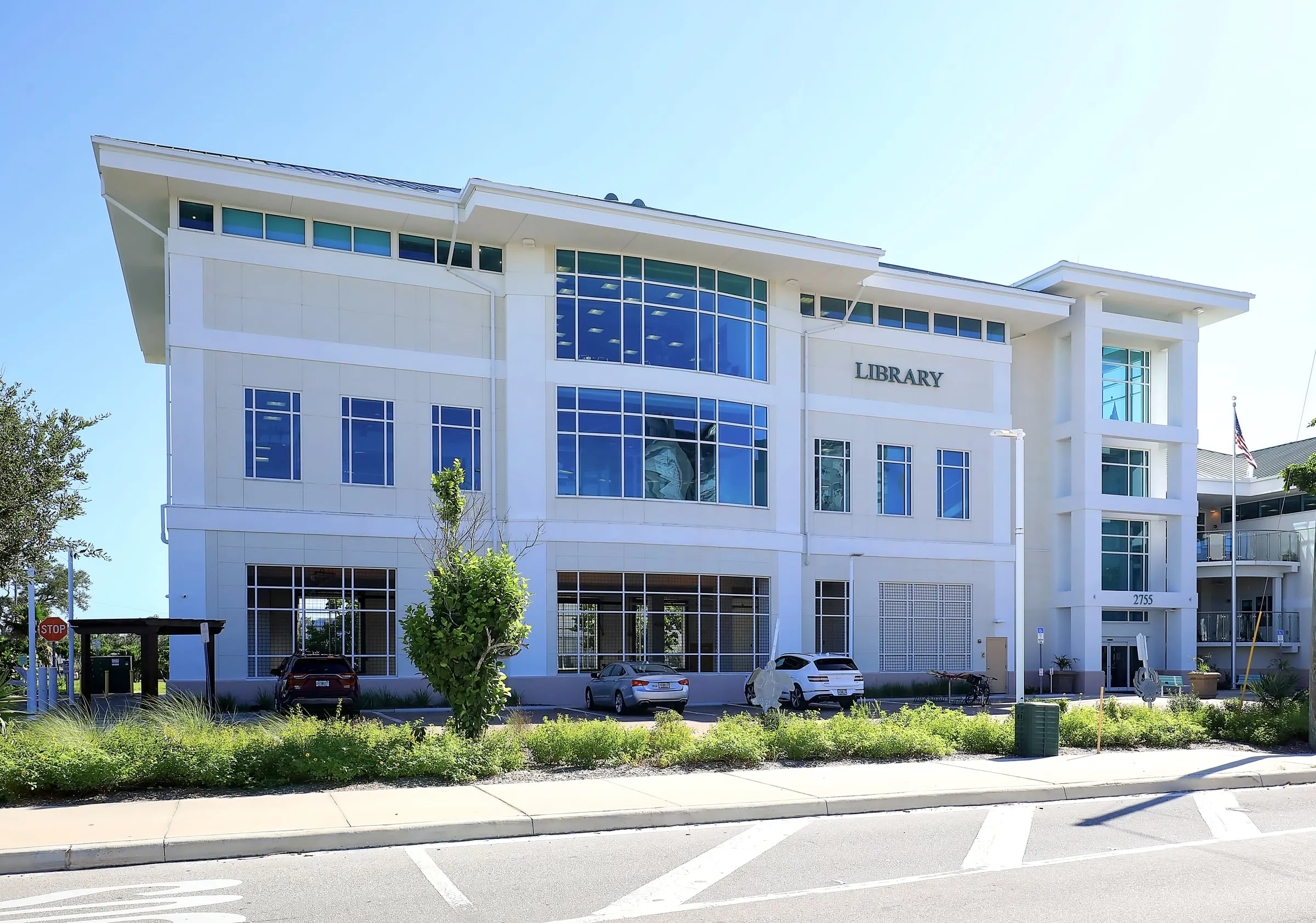
Libraries
A calm officer on the floor who applies the library's conduct policy the way the library wants it applied, and walks the building at closing.
Learn more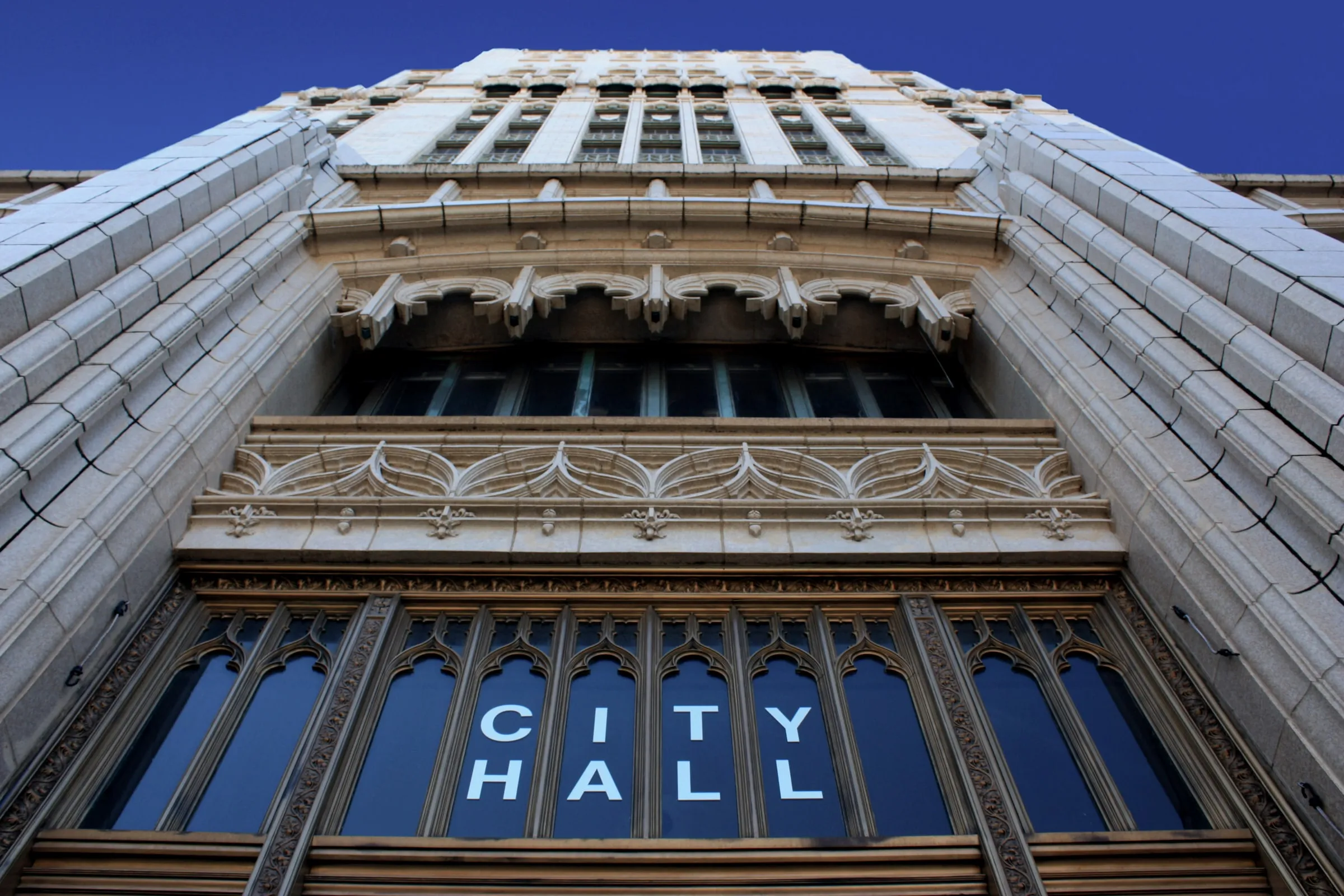
Municipal buildings
A courteous lobby post for a building the public has every right to enter, and coverage for the evening meeting that runs late.
Learn more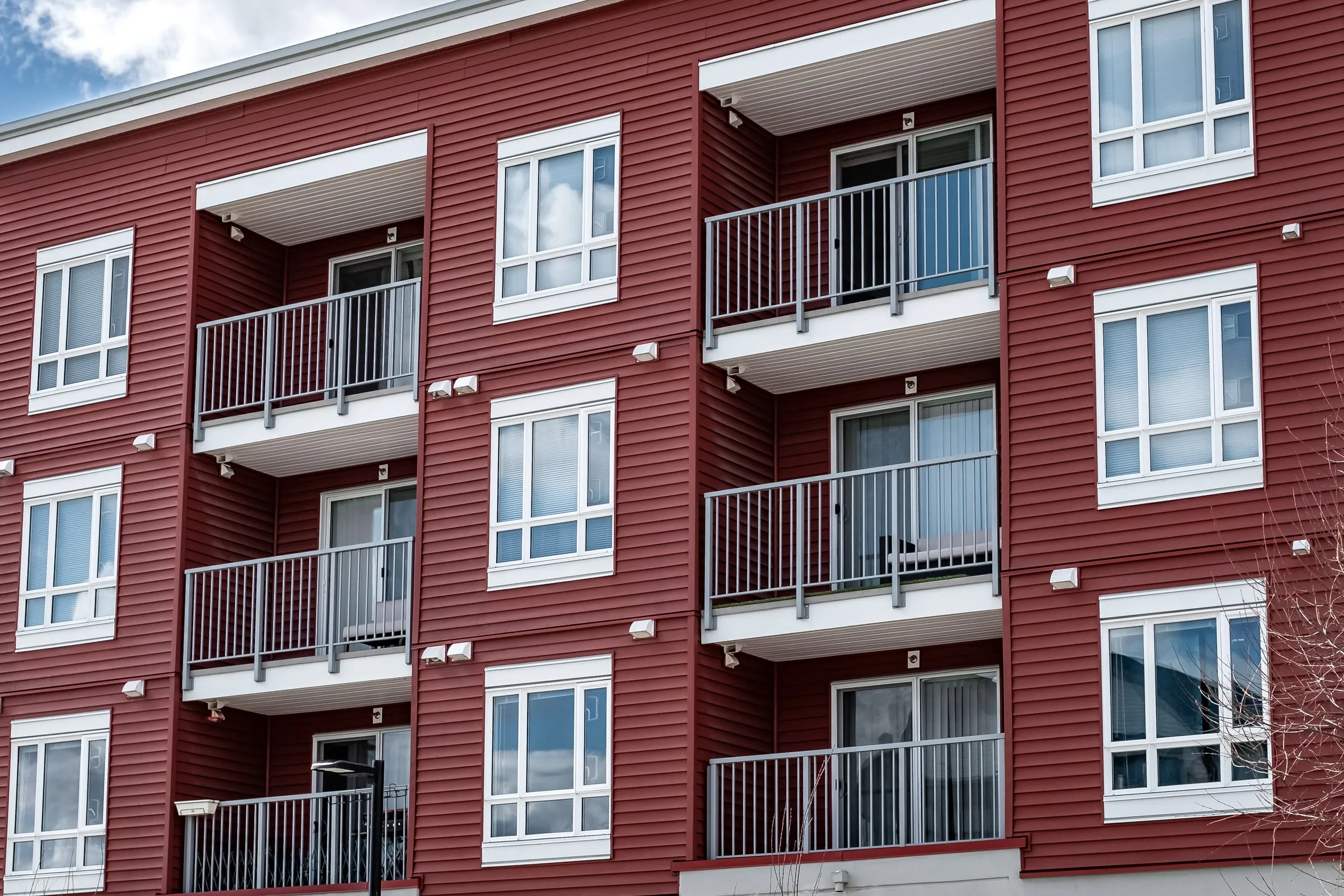
Public housing
A courtesy patrol that residents recognize, trespass enforcement the way the authority wants it done, and a report the housing office can file.
Learn more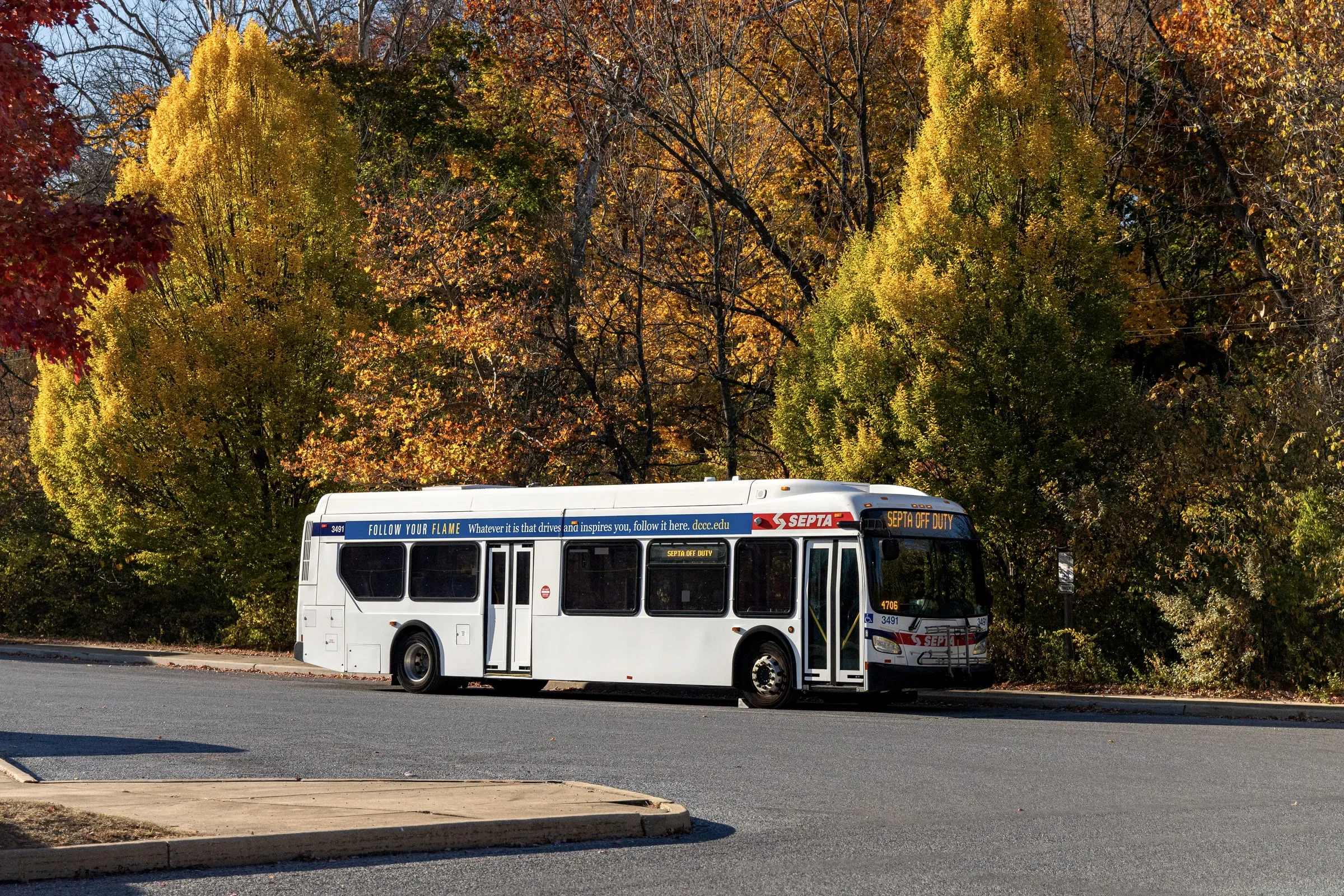
Transit and park-and-ride
A visible officer in the lot from the first bus to the last, so commuters find their cars the way they left them.
Learn more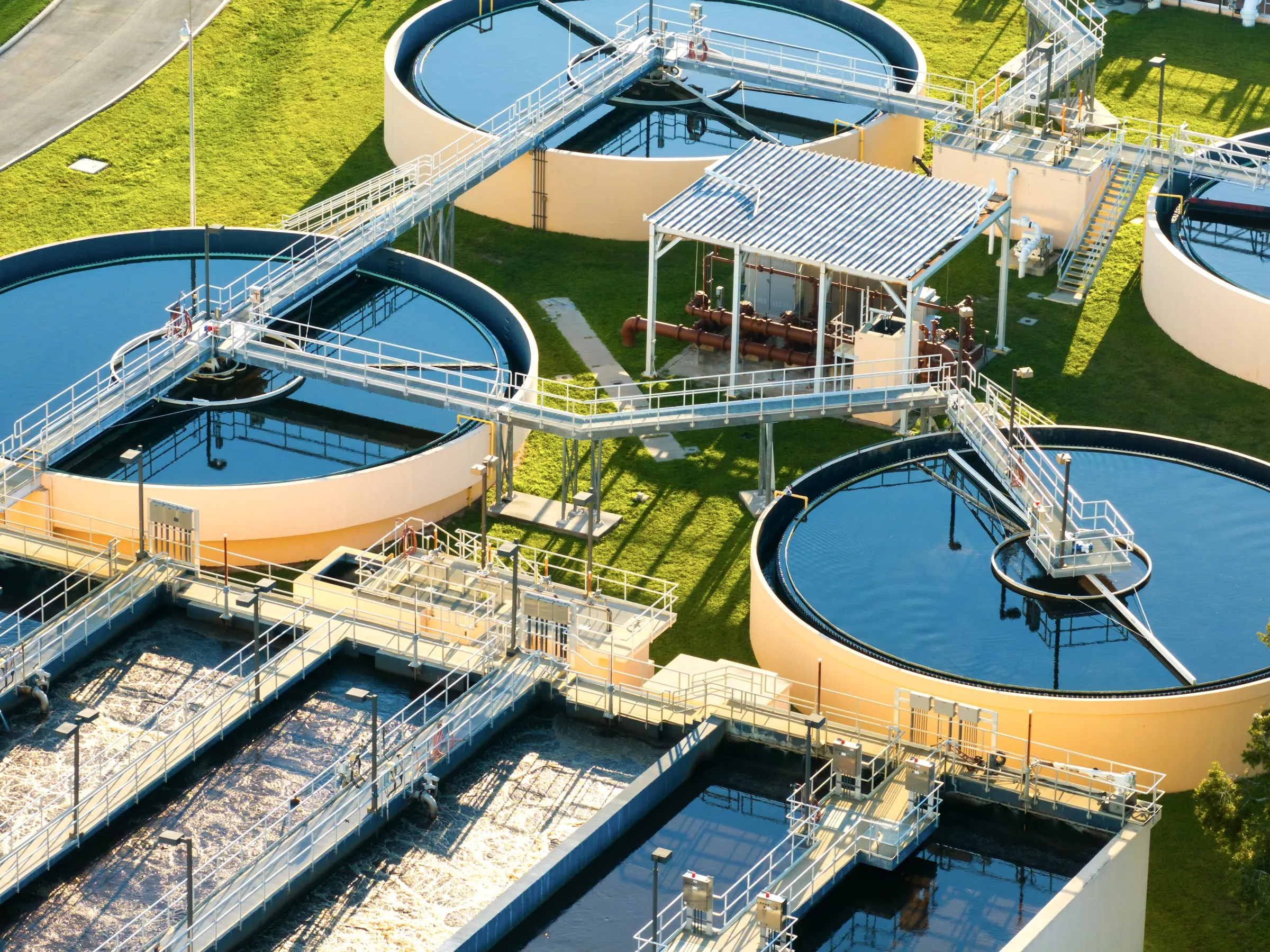
Utilities and water facilities
A gate post and a perimeter patrol for the plant, the yard and the remote sites, with contractors controlled and every round logged for the utility.
Learn more
How we work here
The services this industry uses.
- Unarmed security guards
Most public facility posts are unarmed: an officer at the entrance and the counter area during public hours, rounds of the building and lot, and a presence at meetings that draw a crowd. Officers are trained in customer service and de-escalation for a public that includes everyone.
- Armed security guards
Some agencies specify armed coverage for particular buildings or hours. Level III commissioned officers are provided where the solicitation or the agency's policy requires it, with the decision recorded in the post orders.
- Access control
Staff-only areas, records rooms, server rooms and utility control rooms need a person applying the agency's access rules. The officer checks credentials, logs contractors and vendors, and keeps public areas public and restricted areas restricted.
- Vehicle patrol
Utility sites, water facilities, park-and-ride lots and multi-building campuses use a vehicle round overnight and on weekends, with the officer out at each gate, pump house and lot to check locks, lighting and tampering.
- Incident reporting
Public clients receive the daily report in a form that supports their own accountability: visitors and incidents, rounds with times, facility findings and every use of a trespass warning or a police call, plus incident reports the same day.
How we work with public agencies
Public engagements usually start with a solicitation or a facility manager’s request, and they run on paperwork Price Protection is used to: proof of license and insurance, certifications, references, post orders that fit the agency’s policies and reports that fit its accountability. A supervisor walks the facility with the manager, looks at the public areas, the restricted areas, the counters where staff meet the public, the lot and the after-hours exposure, and writes post orders around the agency’s own rules on conduct, trespass and access.
Officers assigned to public facilities are selected for manner. The public includes people who are angry about a permit, people who have nowhere else to be during the day, people in crisis and people who are simply lost. The officer’s job is to keep the building open and usable for all of them and to document what happens.
Public hours and after hours
During public hours the post is the entrance, the counter area and the rounds. The officer is visible, greets, answers questions, notices what staff cannot, and steps in when a situation escalates. After hours the post changes to the perimeter, the lot and the building’s restricted areas, on foot or by vehicle, with the log recording every door, gate and finding. Utility and water facilities are patrolled with tampering and copper theft in mind; park-and-ride lots with vehicle break-ins in mind; public housing with the same care as any apartment community.
Procurement and paperwork
Public clients need the documents before the officers: the license certificate, the insurance certificate, the certifications the solicitation names, references and a description of how posts are staffed and supervised. Price Protection provides them with the proposal, and the daily report is designed from the start to serve the agency’s own records rather than to be adapted later.
Reporting that fits public accountability
Agencies are asked to account for incidents in ways private clients are not: open records requests, council questions, insurer reviews. The daily report and the incident reports are written to be read by those audiences: factual, timed, free of opinion, and complete about what the officer did and who was notified. The pages below cover each facility type Price Protection staffs for public clients.
Reporting
A written report, every day.
Every client receives a daily report, and officer performance is reviewed and documented daily. Post orders for this industry are written with the property manager before the first shift.

- 24/7
- Dispatch and guards, every day of the year
- 2019
- Providing armed security in Houston since
- 25+
- Communities and businesses on the client wall
- Daily
- A written report to every client
Are you certified for public procurement?
Price Protection holds Texas Department of Public Safety license B09430601 and displays the City of Houston MBE, Texas Statewide HUB and City of Houston Office of Business Opportunity marks. Confirm the specific certification your solicitation requires with the certifying program and with us.
Can your officers work at libraries and community centers?
Yes. Those posts call for officers whose first tool is conversation, and the post orders are written with the branch or center manager around the building's own policies on conduct, restrooms, after-hours use and trespass.
Do you cover utility and water facilities?
Yes. Utility posts are usually gates, perimeter patrol and after-hours presence at plants and pump stations, with tampering, theft of copper and equipment and unauthorized entry as the concerns. The page below describes the post.
What about public meetings that draw a crowd?
Council and board meetings, hearings and public events can be staffed as event posts alongside the regular building post, with entrance control, seating and a presence in the room at the agency's direction.
How do you handle people in crisis in a public building?
With de-escalation first, staff notified, and police or EMS called early when the situation calls for it. Officers follow the agency's policy on trespass and conduct and write up each event the same day.
Related pages
Service areas
Insights
Request a proposal
Request a proposal for government & public facilities.
Two short steps. Dispatch reviews every request and calls you back about coverage. For urgent unarmed coverage we can typically staff most sites within hours.
24-hour dispatch
(281) 326-9189