
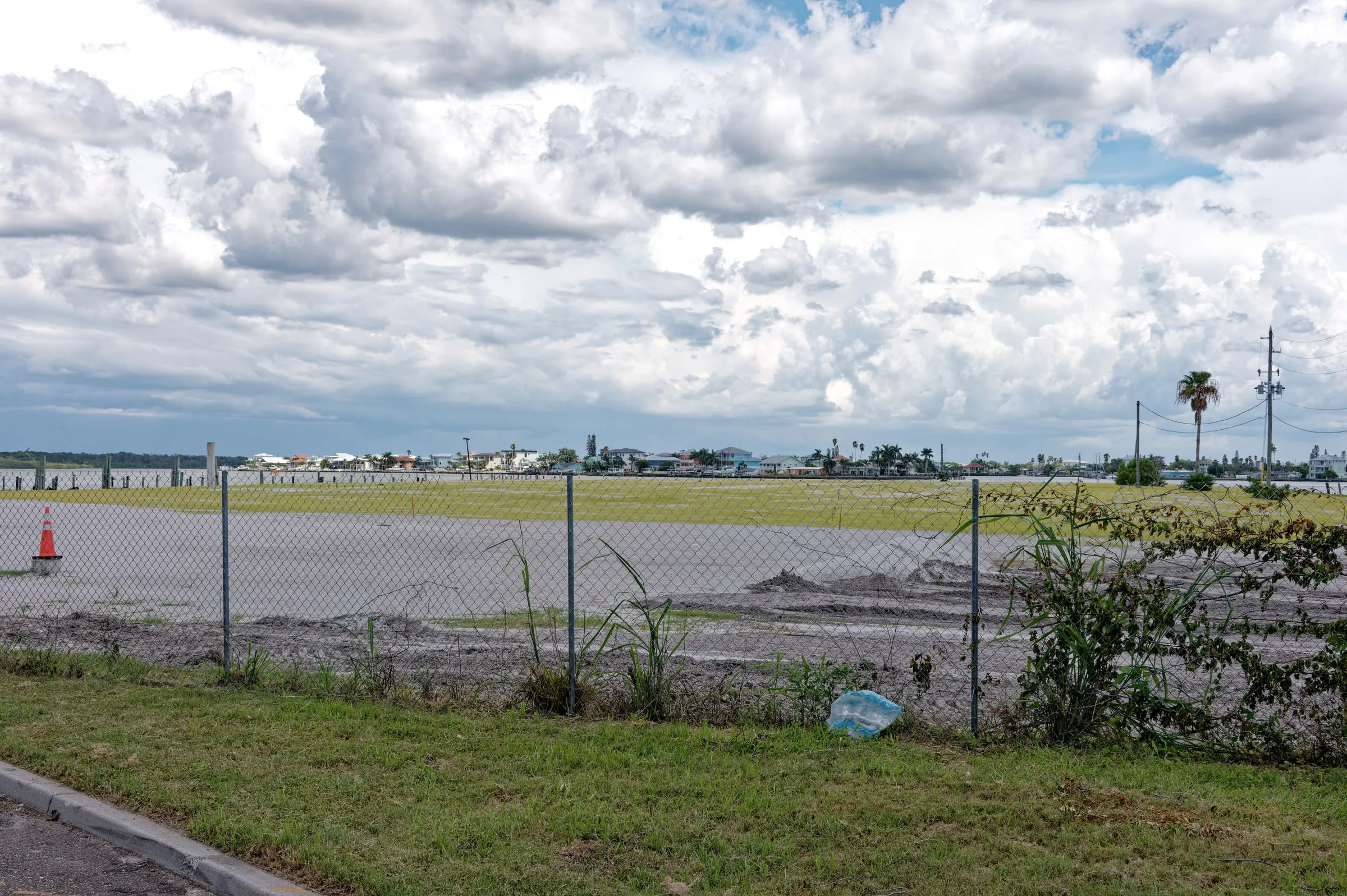
Patrol Security for Vacant Land
A patrol that drives the tract, checks the gates and the fence line and reports the dumping, the trespass and the encampment before the county does.
Request a proposalThe situation
What a vacant tract deals with
Illegal dumping
An open tract with road frontage is a dump within a month: tires, construction debris, furniture, sometimes a whole trailer. The owner pays to remove it and faces the county about it.
Encampments and fire
Wooded and brushy tracts draw encampments, and encampments bring cooking fires and trash. In a dry summer that is a grass fire with the neighbors' houses downwind.
Trespass, hunting and off-road vehicles
Four-wheelers cut trails, hunters set up stands, teenagers use the tract at night. Someone gets hurt on the owner's land and the owner hears about it from a lawyer.
Equipment and stockpiles
Pre-development sites hold graded pads, culverts, pipe, stockpiled fill and parked equipment behind a gate with a chain. Fuel is siphoned, pipe is loaded and equipment is driven off.
Land is patrolled, not guarded
A tract has no building to stand in and no door to hold. It has frontage where the dumping happens, gates where the equipment leaves, corners where the fence is cut and interior where the encampments and the four-wheelers go. Price Protection covers it with a marked vehicle on a written route that drives all of it on an irregular schedule, with the officer on foot at the gates, the fence corners and the stockpiles, photographing what has changed and reporting it that night.
Dumping and the county
Dumping is the most common problem on a tract with road frontage, and it is a county matter as well as a cost. The patrol’s presence and the locked gates deter it; what is dumped anyway is photographed with a location and any vehicle information, and the owner’s report to the county has the record it needs. Repeat dumpers who are contacted have their plates recorded and the sheriff’s line called as the post orders direct.
Encampments, fire and trespass
Wooded tracts draw encampments and encampments bring fire. The officer records the location and the hazard, does not enter or confront alone, reports the same night and calls the sheriff where directed; removal is the owner’s decision with the county. Hunters, four-wheelers and teenagers are told the land is private, plates are recorded and the trespass posting is confirmed on the report, which supports any action the owner takes.
Pre-development sites
A tract with pads graded, pipe and culverts stockpiled, fill piled and equipment parked is a construction site without a fence, and the patrol treats it as one: gates chained with keys the officer holds, stockpiles counted, fuel checked, contractor and survey crews admitted by the list, and an officer on the property for the hours the problem runs where equipment is at risk.
Starting a patrol
Dispatch needs the tract’s location and access, the gates and keys, what is on the land, the current problem, the schedule wanted and the owner’s after-hours number. The supervisor drives the tract with the owner’s representative, writes the route and the post orders and the patrol starts on the agreed night. Owners with several tracts put them on one route with a sheet for each, and the report is sectioned by tract.
How we cover it
Every service, applied to this post.
- Vehicle patrol
A marked vehicle drives the tract's frontage, the access roads and the interior where passable on a written route, several times a night or on a schedule the owner chooses, with the officer on foot at every gate, the fence corners and the stockpiles.
- Access control
Gates chained and locked with keys the officer holds as the post orders assign, contractor and survey crews admitted by the owner's list, and new tracks, cut fences and open gates reported the same night.
- Unarmed security guards
For a tract with equipment on site or an active dumping problem, an unarmed officer is posted at the gate or in the vehicle on the property for the hours the problem runs.
- Camera monitoring
Where the owner installs solar trail cameras at the gates or the dumping points, the officer reviews them during checks and the patrol responds to alerts as dispatch directs.
- Incident reporting
A report per check to the owner or the land manager: gates and fences, tracks and signs of entry, dumping found and photographed with location, encampments and people contacted, equipment and stockpiles, and fire hazards.
A typical post
What a shift looks like here.
The patrol starts at the frontage gate after dark: chain and padlock pulled, tire tracks in the mud beside the gate photographed, the culvert stack counted. The access road is driven to the far corner where the fence meets the bayou, and a new gap cut in the wire is photographed and logged with a marker for the fence crew.
On the second pass headlights are visible in the interior; the officer approaches on the road, finds a pickup with two men and a trailer of shingles, records the plate and the description, tells them the land is private and they are trespassing, and calls the sheriff's non-emergency line as the post orders direct. They leave with the shingles.
The last pass before dawn finds the gate secure and a small fire ring in the brush near the bayou that was not there last week. It is photographed and reported with a location, and the owner sends a crew and a trespass sign in the morning.

Reporting
What the daily report covers here
Every client receives a written report each day, and officer performance is reviewed and documented daily. This is what the report records on this kind of post.
- Each pass with the time and the route driven
- Gates, chains, locks and fence corners checked on foot
- New tracks, cut fences and open gates, with location and photographs
- Dumping found: what, where, photographs, vehicle information if seen
- Persons and vehicles contacted, with plates and the outcome
- Encampments, fire rings and fire hazards, with location
- Equipment, stockpiles and fuel checked and any loss
Can a patrol stop illegal dumping?
A visible patrol on an irregular schedule, gates that are locked, and plates recorded and passed to the county make a tract a poor choice for dumping. Dumping that continues is documented with photographs and vehicle information for the owner's report to the county.
What does the officer do about an encampment?
Observes, records the location and the fire hazard, does not enter or confront alone, reports to the owner the same night and calls the sheriff where the post orders direct. Removal is the owner's decision with the county and its outreach services.
How often is the tract driven?
As the owner chooses: several passes a night through a dumping problem, nightly for a pre-development site with equipment, weekly for a quiet tract. The schedule is written into the post orders and varied within it.
Can you cover a tract far from Houston?
Tracts across the region are covered on routes from the nearest officers; dispatch confirms coverage for any address. Remote tracts are often paired with trail cameras so the patrol goes where the alerts are.
Do you provide signage?
The owner posts the trespass notice the law requires; the officer reports where signs are missing or down and confirms the posting on the report, which supports any trespass action.
Related pages
Industries we serve
Services
Service areas
Insights
Glossary
Request a proposal
Request a proposal for vacant land.
Two short steps. Dispatch reviews every request and calls you back about coverage. For urgent unarmed coverage we can typically staff most sites within hours.
24-hour dispatch
(281) 326-9189