

Security Guards for Vacant & Distressed Property
An empty building draws people; a patrolled one does not. We keep vacant property from becoming somebody else's address.
Request a proposalThe industry in Houston
Houston has vacancy in every form
Office buildings between tenants, retail centers waiting for redevelopment, apartment complexes emptied for renovation or foreclosure, houses in receivership, land cleared for projects that stalled, and buildings damaged by fire, flood or wind waiting on insurance. Each attracts trespass, scrap theft and squatting.
The first month decides the next year. A vacant building that is entered once becomes a known address. Copper, HVAC condensers and wiring leave first, then the building becomes shelter, then it becomes a fire. Coverage that starts the week the last tenant leaves is cheaper than coverage that starts after the first break-in.
Insurers and lenders expect a plan. Vacancy clauses, receivership orders and lender requirements usually call for inspections, boarding and a security program. The daily report is the proof that the program exists and is being followed.
Damaged buildings add fire and liability. A building with a disabled sprinkler system or exposed structure after a fire or storm is both a fire risk and a hazard to anyone who enters. A fire watch and a security patrol are often the same post.
Property types
Pick the page that matches your property.
Each page below covers the risks, the post, the report and the questions specific to that property type.
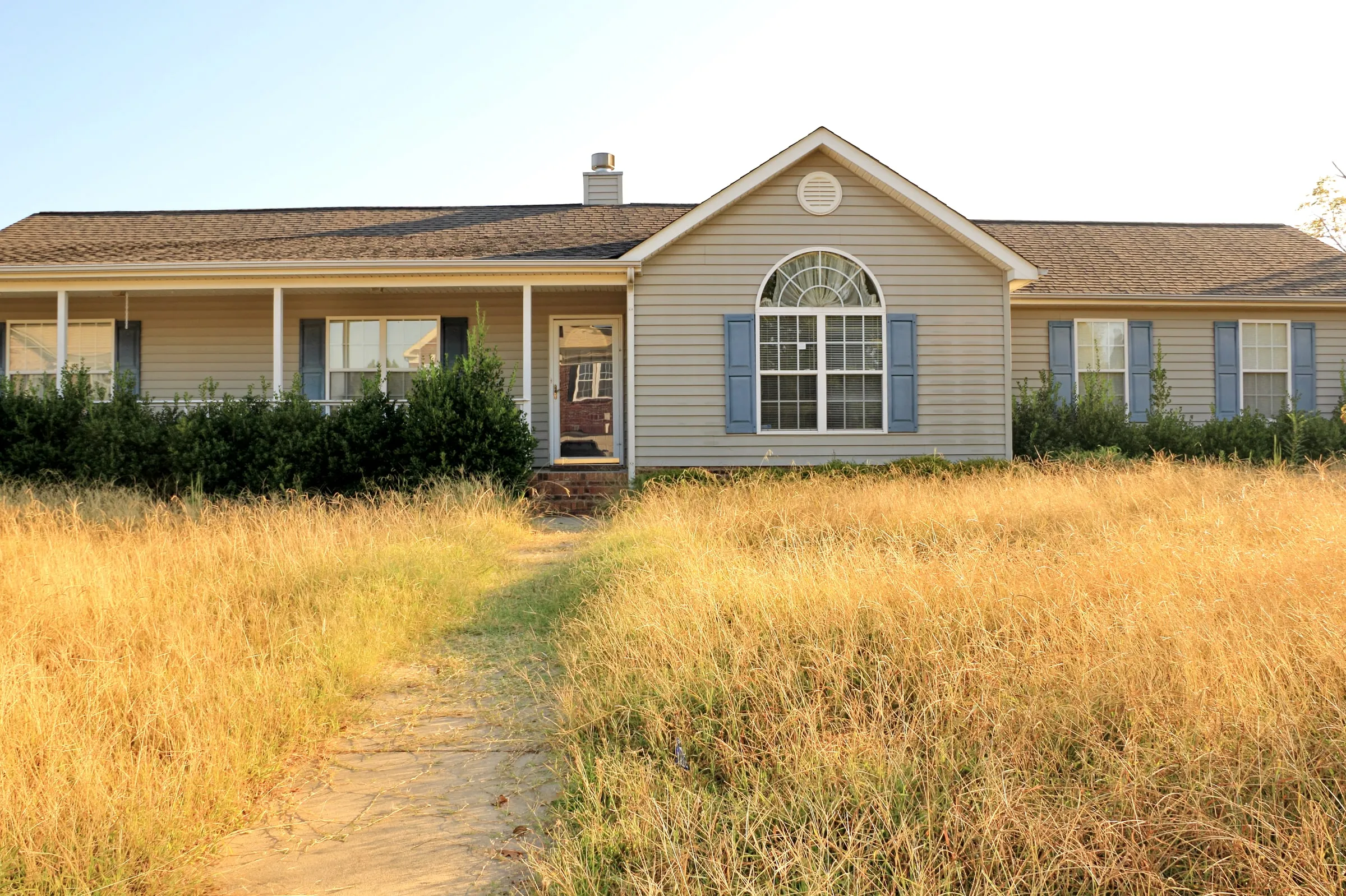
Bank-owned and foreclosed property
Checks and reports in the form the servicer needs, standby for the day the locks change, and a record for every asset from foreclosure to sale.
Learn more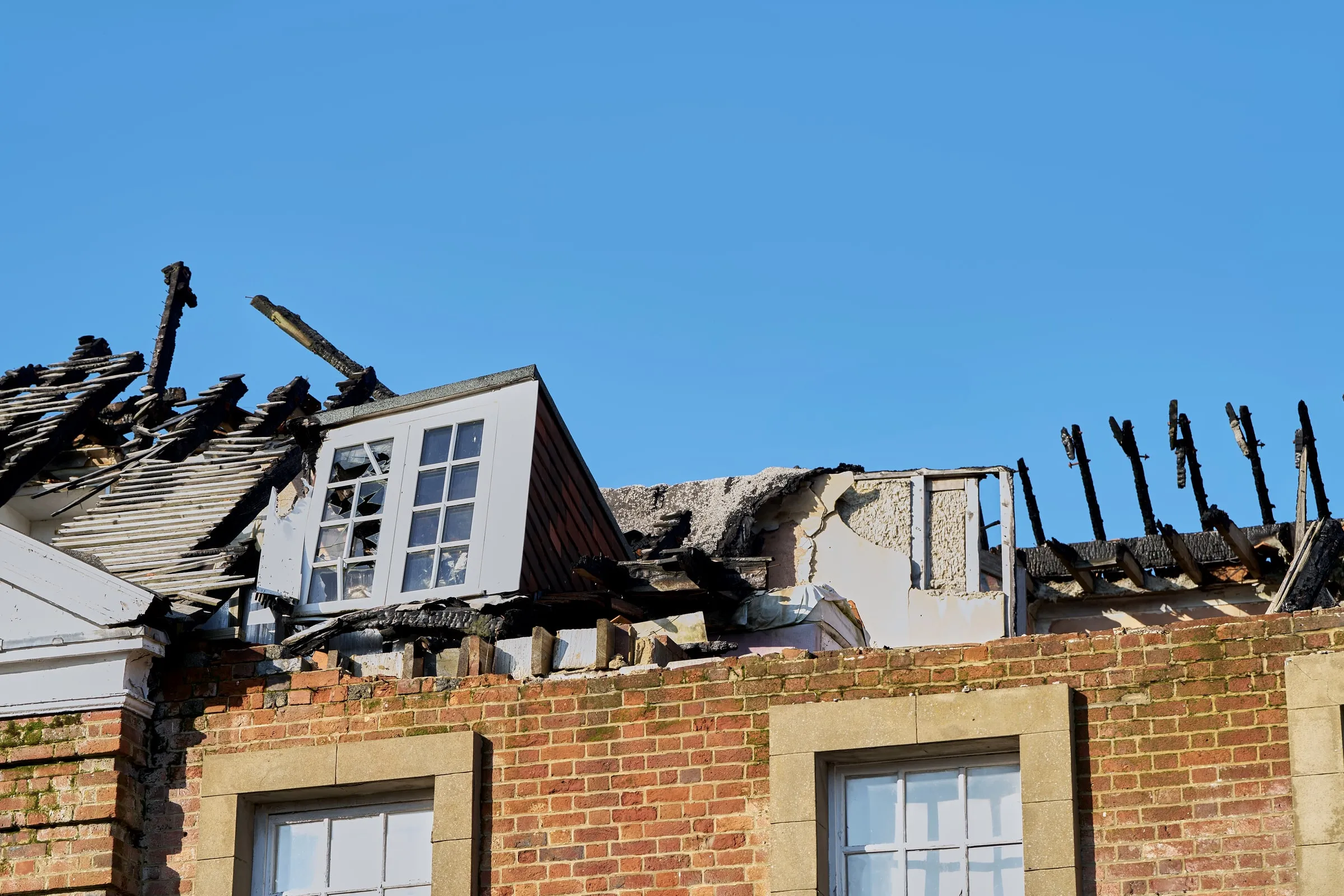
Fire-damaged buildings
From the night of the fire until the building is secured or demolished: a fire watch for rekindle, a post for the scene and a log for the marshal and adjuster.
Learn more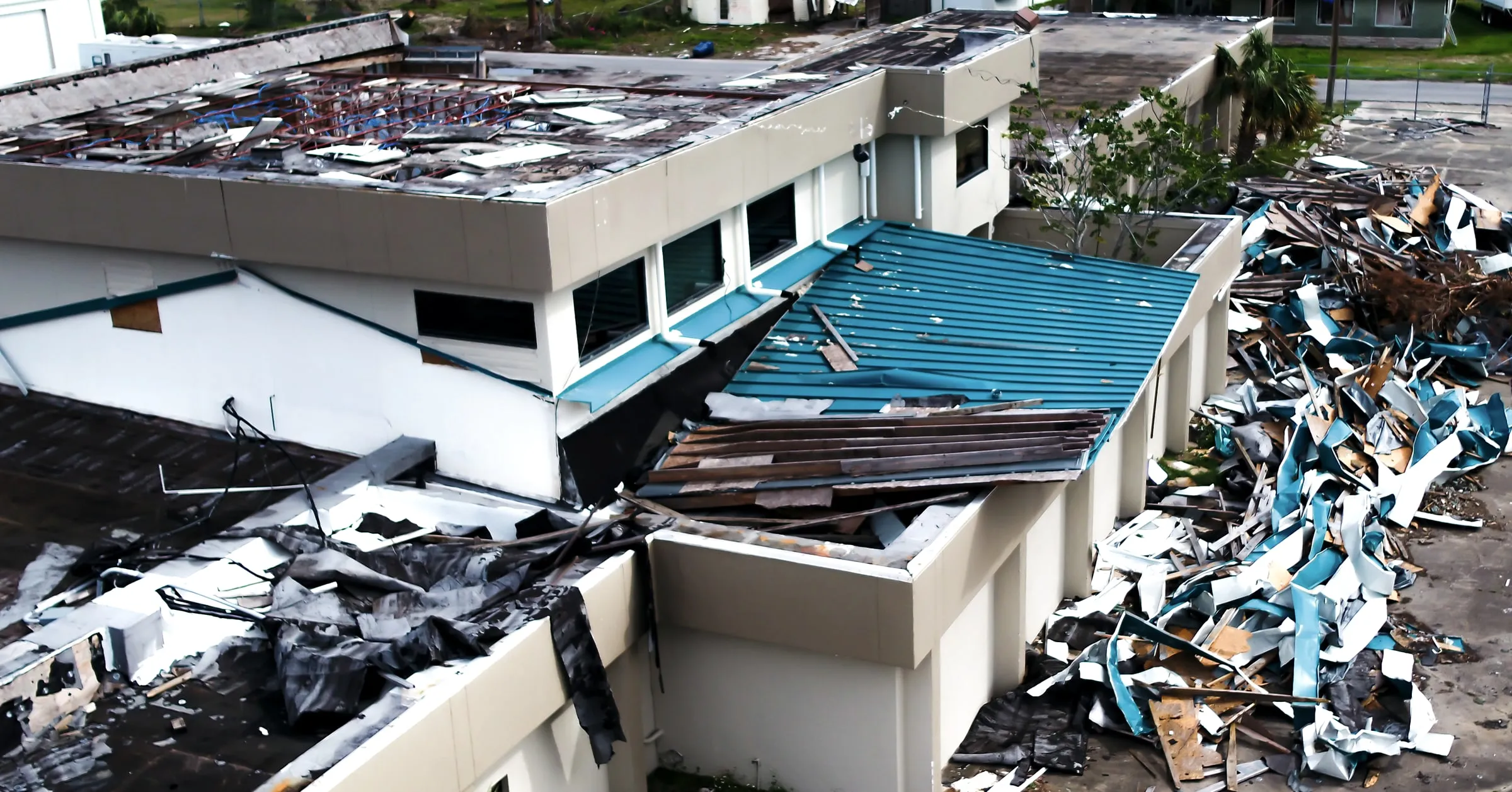
Storm and hurricane damage
When the power is out, the gates are open and the windows are gone, a visible officer on the property until the systems are back.
Learn more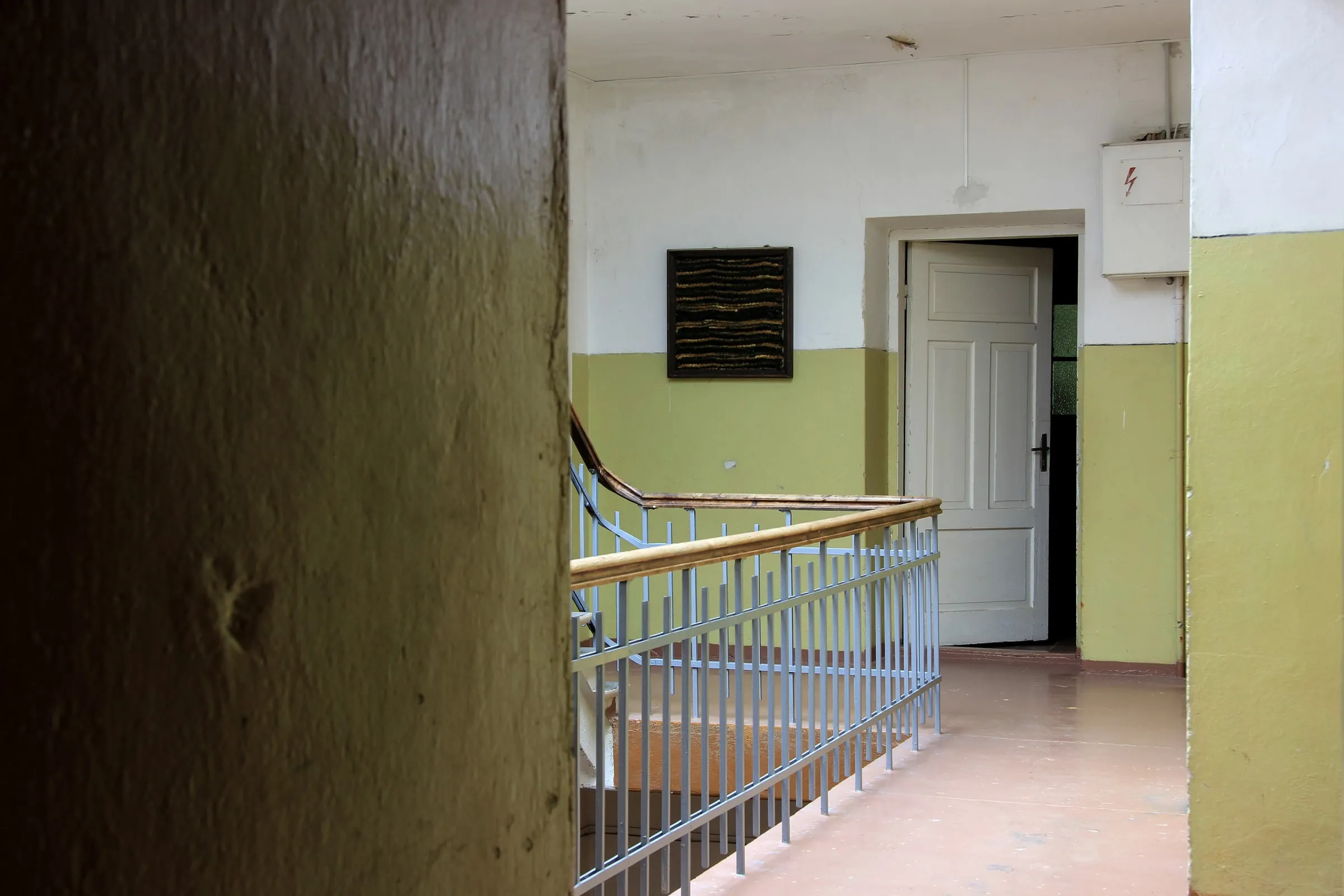
Vacant apartment buildings
Dozens of empty units behind doors that used to have residents behind them, checked on foot every round and reported every morning.
Learn more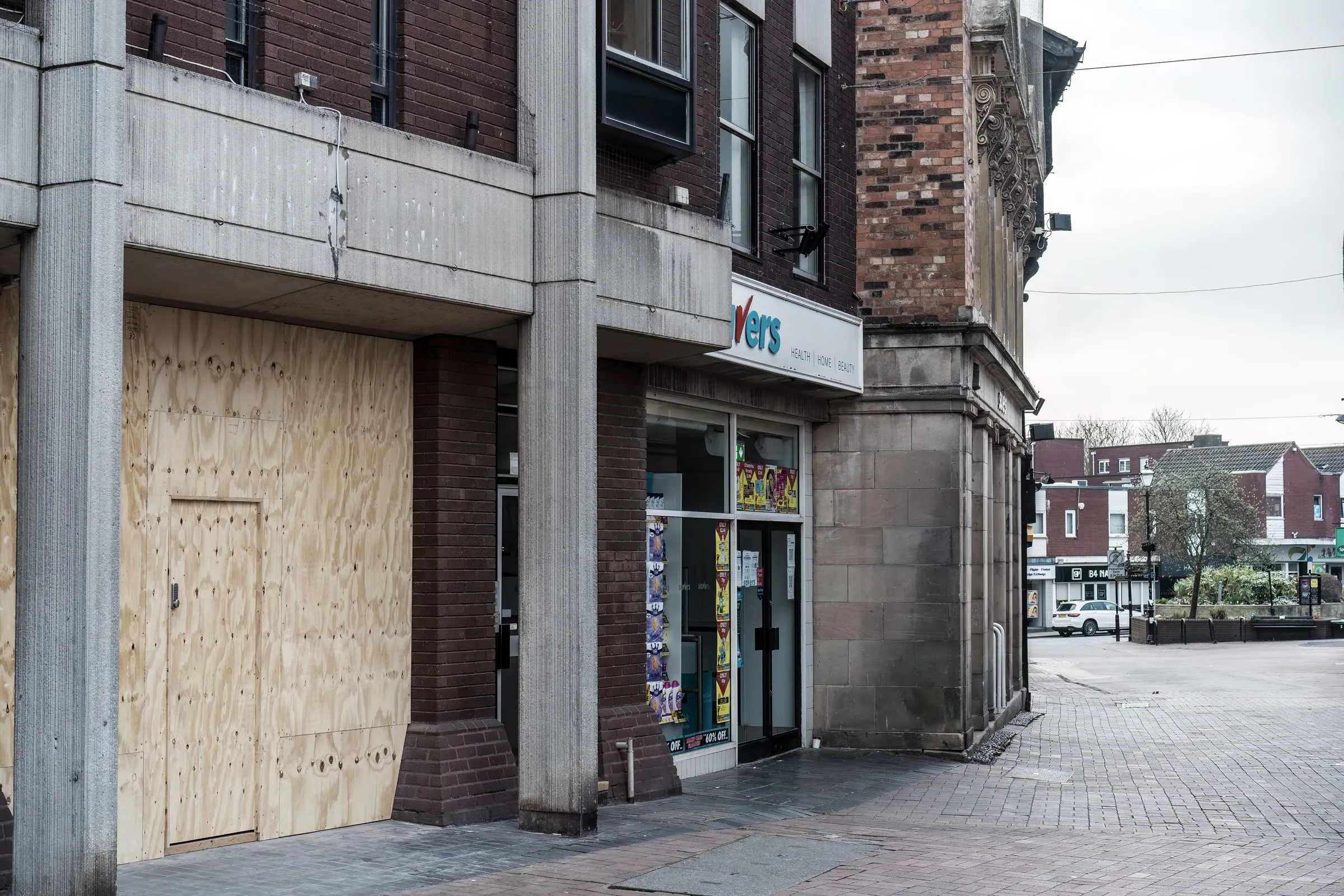
Vacant buildings
A building with nobody in it, checked by someone who is, so the owner learns about the broken window from the report and not from the fire department.
Learn more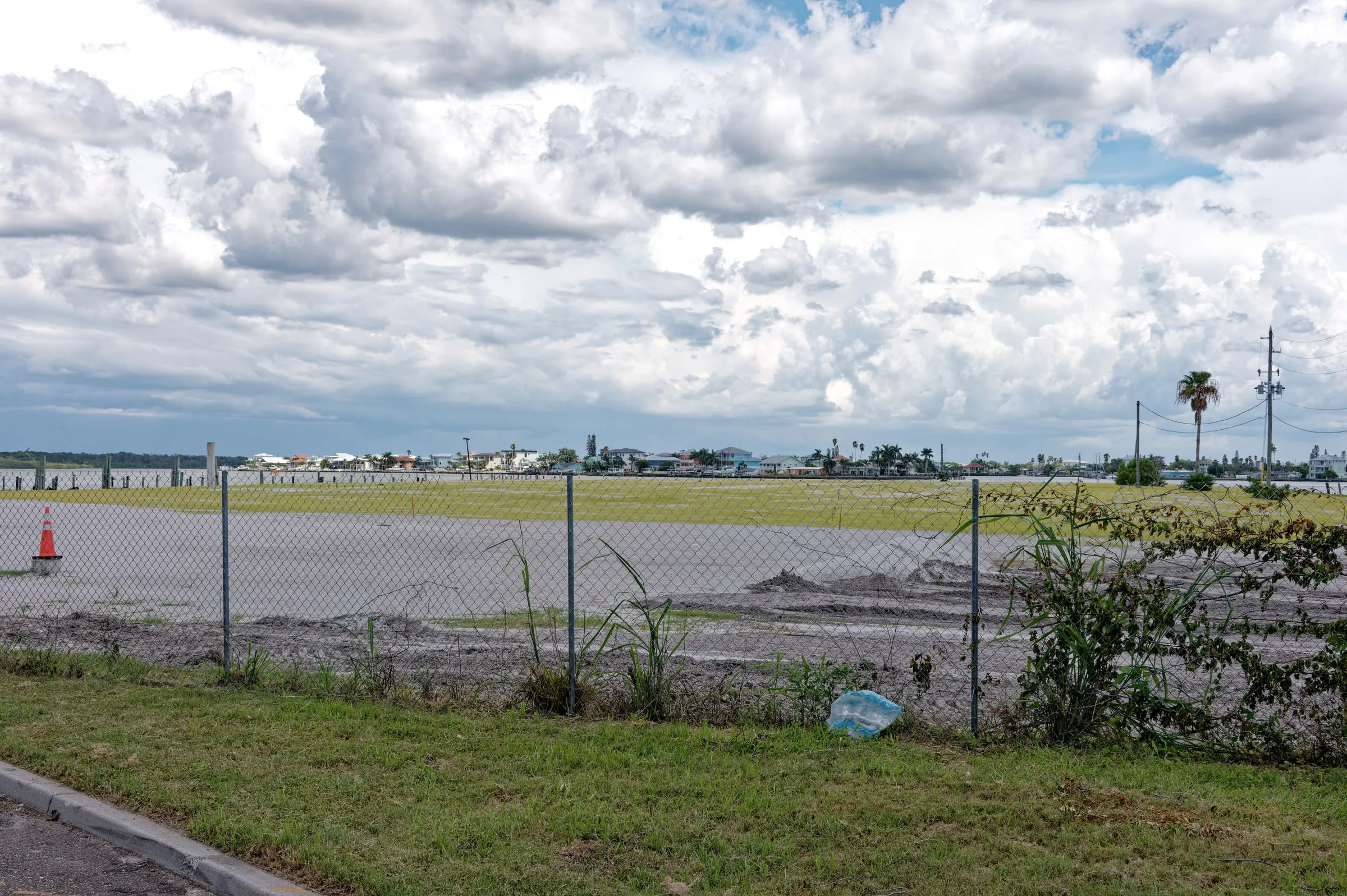
Vacant land
A patrol that drives the tract, checks the gates and the fence line and reports the dumping, the trespass and the encampment before the county does.
Learn more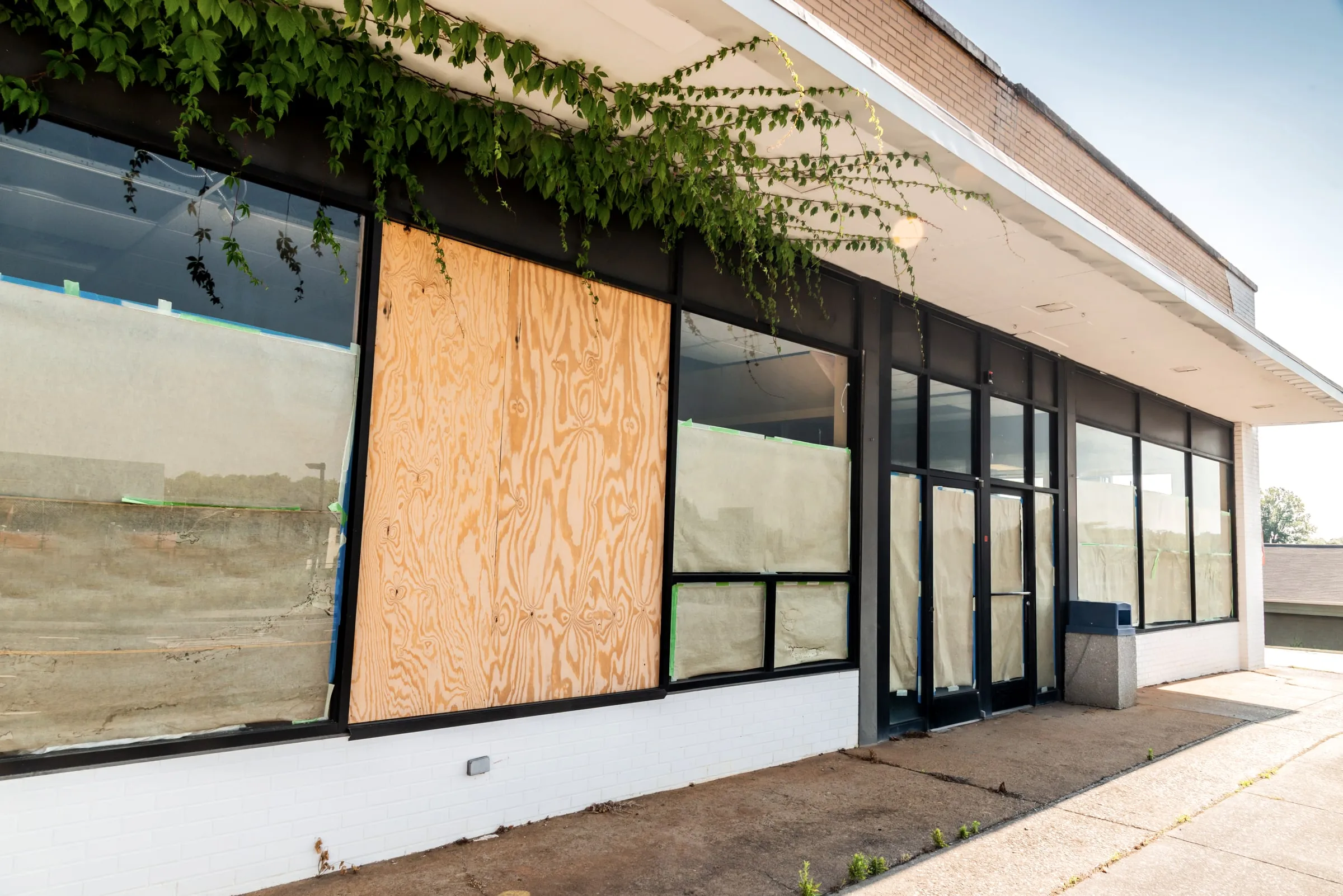
Vacant retail centers
A dark strip center with a lit lot is an invitation. We check every storefront and rear door, clear the lot and report what the broker's next showing will see.
Learn more
How we work here
The services this industry uses.
- Vehicle patrol
The standard vacant-property post is a vehicle patrol on varied schedules, with the officer out at each entrance, board and gate to check that it is still secured, and a walk of the interior on a set interval where the client wants it. Several vacant properties in one area can share a route.
- Unarmed security guards
Where a building needs a fixed presence, during a receivership handover, after a break-in, or while contractors are on site, an unarmed officer on a fixed post covers the entrance and the perimeter around the clock or on the hours the client sets.
- Fire watch
Fire- and storm-damaged buildings, and any vacant building with a sprinkler or alarm system out of service, may need a fire watch under the fire code and the insurer's terms. Officers trained for it keep the log the fire marshal expects.
- Access control
Vacant buildings still receive visitors: contractors, appraisers, brokers, inspectors and utility crews. The officer admits those on the client's list, logs each visit and makes sure the building is secured again when they leave.
- Incident reporting
The daily report records each visit to the property, the condition of every entrance and board, evidence of entry or attempted entry, trespassers cleared and warnings issued, and anything the owner's contractor should repair. Receivers and insurers receive it as the inspection record.
How we work with owners of vacant property
The client is often not a property manager but a receiver, a lender’s asset manager, an insurer’s adjuster or an owner who has just lost a tenant. Dispatch takes the address, the type of building or land, who holds the keys, whether utilities are on, whether any system is impaired, who is allowed inside and who to call. A supervisor visits, walks the perimeter and the interior where it is safe, photographs the entrances and their condition, and writes post orders that read like an inspection checklist: every door, window, board, gate and fence section, and what the officer does when one is found open.
Coverage starts as a patrol or a fixed post depending on the building’s history, and it is adjusted from the reports. A building that stays secure for a month can move to a lighter interval; one that is tested every night moves the other way.
What a vacant-property round looks like
The officer arrives on an unpredictable schedule, walks the perimeter checking every opening against the checklist, looks for new footpaths, cut fences, pulled boards, broken glass, camping, dumping and scrapper tools, and goes inside on the interval the post orders set, with a flashlight and a radio. Anyone found is handled by the post orders: reported, warned where the client authorizes it, and referred to police when the situation calls for it. The round ends with a report entry and, where anything has changed, photographs for the client’s contractor.
Land, buildings and the difference
Vacant land has no interior to check but a lot of perimeter, and the problems are dumping, camping, off-road use and equipment left by the last contractor. Vacant buildings have the reverse. Retail centers, apartment complexes and office buildings each have their own page below, because a vacant apartment complex with thirty buildings is a different post from a vacant bank branch.
Damaged buildings
Fire, flood and wind damage leave a building that is both attractive and dangerous: open, unlit, structurally uncertain and often with its fire protection out of service. Coverage for those buildings combines a security patrol with a fire watch where the fire marshal or the insurer requires one, and the officer’s report doubles as the inspection record the insurer asks for. The fire watch after a fire article and the pages below cover the specifics.
Reporting
A written report, every day.
Every client receives a daily report, and officer performance is reviewed and documented daily. Post orders for this industry are written with the property manager before the first shift.

- 24/7
- Dispatch and guards, every day of the year
- 2019
- Providing armed security in Houston since
- 25+
- Communities and businesses on the client wall
- Daily
- A written report to every client
How often should a vacant building be checked?
It depends on what has been happening and what the insurer requires. A building with no history might be visited on a patrol round a few times a night; one that has been entered needs a fixed post until it is secured. The daily report shows when the interval can change.
Do you provide boarding or repairs?
No. Officers find and report the open window, the pulled board and the cut fence; the owner's contractor repairs it. Where the client wants it, the officer meets the contractor and confirms the repair on the next round.
Can you cover a vacant building in receivership starting this week?
Usually. Dispatch takes the address, the access arrangements and the receiver's contact, and unarmed patrol or a fixed post can typically begin within hours.
What about people already living in the building?
Officers do not remove occupants. Where people are found inside, the officer reports it to the client and, where the client authorizes it, gives a trespass warning; removal follows the client's legal process, with police. Everything is documented.
Is a fire watch required for a vacant building?
Where a required fire protection system is out of service, the fire code may require a fire watch until it is restored or the authority accepts an alternative, and insurers often require it for damaged buildings. The fire-damaged and storm-damage pages below describe how it is arranged.
Related pages
Service areas
Insights
Request a proposal
Request a proposal for vacant & distressed property.
Two short steps. Dispatch reviews every request and calls you back about coverage. For urgent unarmed coverage we can typically staff most sites within hours.
24-hour dispatch
(281) 326-9189