
Answer
What happens if a security guard sees a crime?
By Price Protection SecurityReviewed TX DPS Lic #B09430601
Short answer
The officer becomes the best witness the police will have. They keep themselves and others safe, keep the person or the scene in view from a distance, call 911 with the location, a description and a direction of travel, notify the client's contact, note the camera and the time, and write an incident report the same day. They do not chase, confront or attempt an arrest; police do that, and the officer's record is what makes the case.
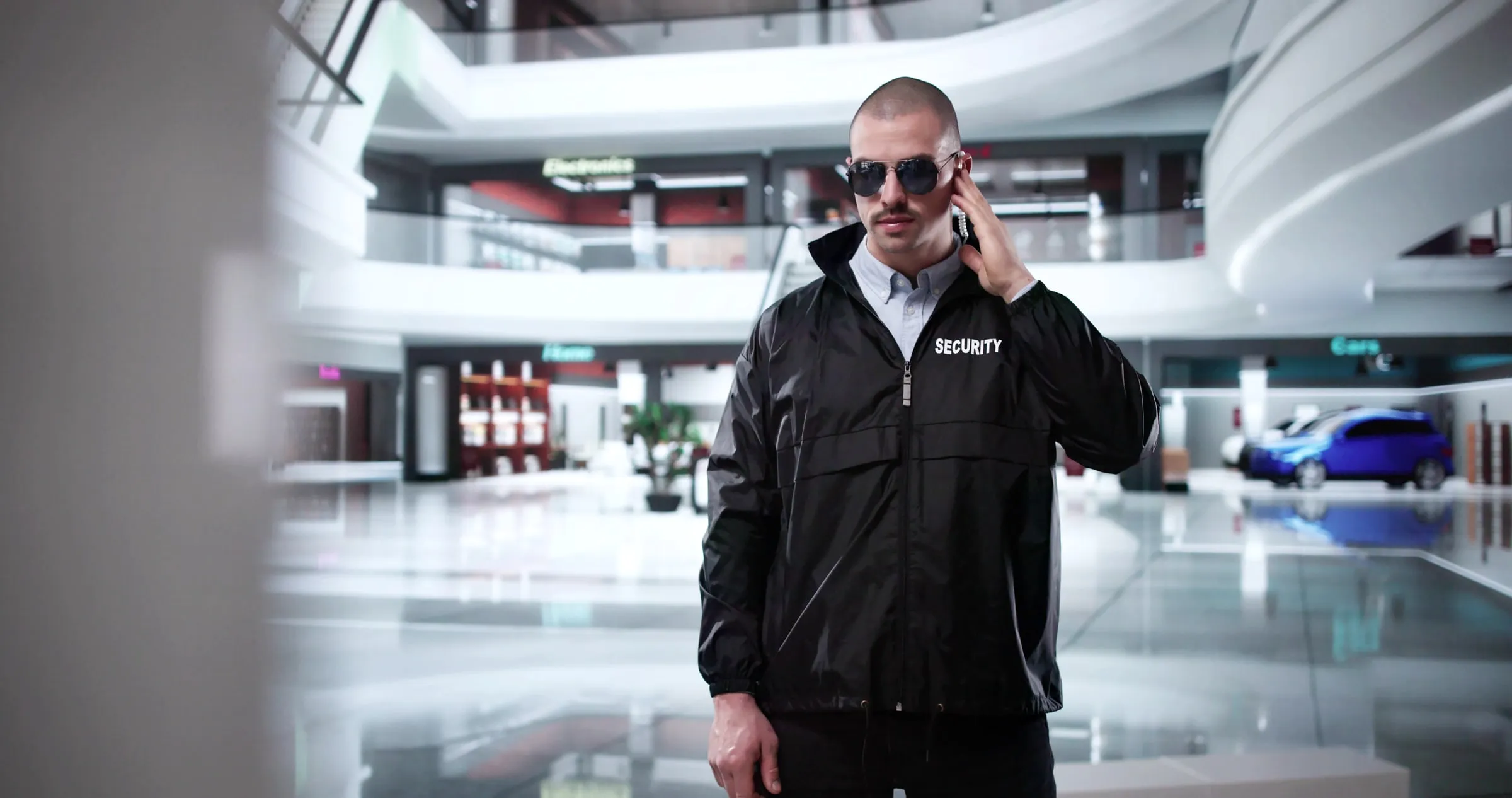
Safety and observation first
A theft in progress, a break-in, an assault in the lot, a person tampering with a vehicle: the officer’s first decisions are about distance and attention. Stay safe, keep others back, and watch. The value of an officer in that moment is the quality of what they see and remember: how many people, what they look like, what they are wearing, what they are driving, the plate, which way they go. Officers are trained to fix those details in the first seconds and to start the call while the details are fresh.
The call
To 911 for anything in progress or involving injury or a weapon, to the non-emergency line for a crime already over, by the post orders. The officer gives the address and the exact location on the property, what is happening, the descriptions, whether anyone is hurt or armed, and the entrance the patrol car should use, and stays on the line as long as the dispatcher wants. Then the client’s contact is called, so the manager hears it from the officer.
What the officer does not do
Chase. Confront a person who may be armed. Attempt a citizen’s arrest, which Texas allows only narrowly and which exposes the officer, the company and the client to claims. Touch evidence. Delete or alter footage. The training draws those lines clearly, because the ways an officer can make a bad situation worse all involve crossing them.
The record
The officer meets police at the entrance with keys and the camera reference, gives a short account and steps back. Afterwards, an incident report the same day: time, place, people, sequence, actions, notifications, the case number and the attachments. The client receives it, and it is what the insurer, the attorney and the police detective read later. The police coordination article describes the handoff, and the incident reports article shows what a good one contains.
Related questions and pages
Insights
Answers
Glossary
Request a proposal
Request a proposal for your property.
Two short steps. Dispatch reviews every request and calls you back about coverage. For urgent unarmed coverage we can typically staff most sites within hours.
24-hour dispatch
(281) 326-9189