
Security for Bank-Owned and Foreclosed Property
Checks and reports in the form the servicer needs, standby for the day the locks change, and a record for every asset from foreclosure to sale.
Request a proposalThe situation
What a foreclosed property deals with
Is anyone living there?
The first question on every foreclosed asset is whether it is occupied, by the former owner, a tenant, a relative or a stranger. The answer decides everything that follows, and it has to be established without a confrontation.
The day the locks change
Lockouts and evictions bring a locksmith, a preservation crew, a broker and a constable to a house where someone may still be inside and angry. The crew wants a trained person there who is not the constable.
Vacancy between foreclosure and sale
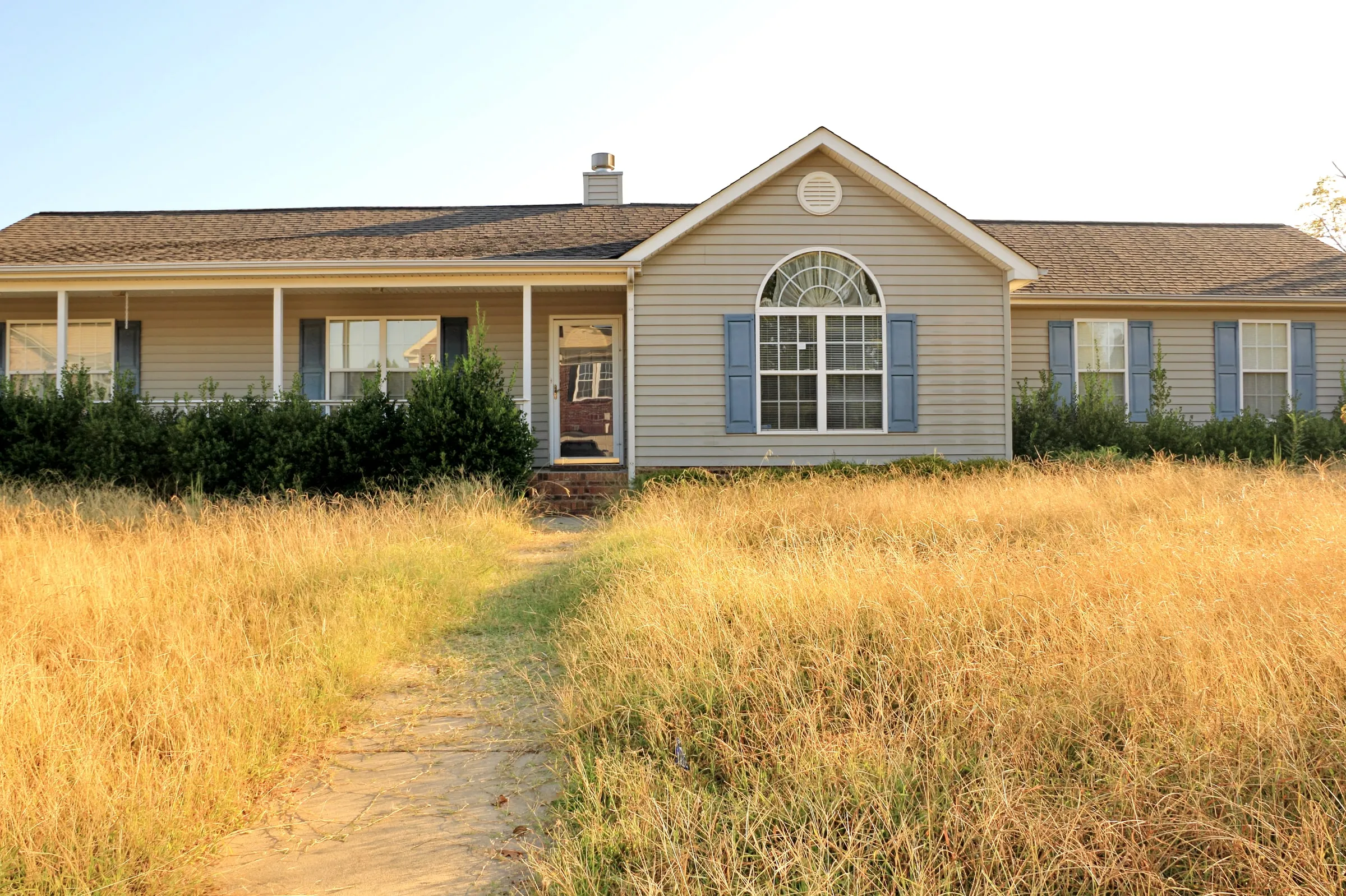
Months of vacancy in a neighborhood that knows the house is empty: appliances, copper, fixtures, the air conditioner, the pool filled with green water, squatters with a fake lease.
Many assets, many vendors
A servicer's portfolio in Houston is dozens of addresses, each with a preservation vendor, a broker and an inspection cycle. The security vendor has to fit that system and report in its format.
From foreclosure to sale
A foreclosed asset passes through a sequence: the occupancy question, the lockout or the cash-for-keys meeting, months of vacancy, showings and inspections, the sale. Each stage has a security need and a paperwork need, and the servicer’s system has a format for both. Price Protection fits that system: checks on the cycle with a report per address in the servicer’s format, standby officers for the day the locks change, access by the servicer’s list and the lockbox procedure, and a record that follows the asset to closing.
Occupancy
Every asset starts with the question of who is inside. The officer knocks, observes, speaks courteously with anyone who answers and records what they say verbatim, and reports the indicators without drawing a legal conclusion. A claimed lease, a relative of the former owner or a stranger are all reported the same day for the asset manager and counsel to act on. The officer never argues at the door and never attempts a removal.
Lockouts and standby
When the constable has served and the locks are changing, the preservation crew and the broker want a trained person there who is not the constable. The standby officer arrives with the crew, keeps the situation calm, watches the property and the vehicles, stays through the winterization or the clean-out and logs the new lockbox code as the servicer’s procedure requires. Cash-for-keys meetings are covered the same way. The broker gets the officer’s number for the day and the officer gets the constable’s.
Vacancy and access
Months of vacancy in a neighborhood that knows the house is empty are covered by checks on the cycle, more often for an asset that has been entered, with every door and window, the yard, the pool and the outbuildings checked on foot and changes photographed. Brokers, inspectors, appraisers and buyers are admitted by the list and signed in and out. Commercial REO is covered as a vacant building, with fire watch where systems are down.
Starting on a portfolio
The process begins with the asset manager or the servicer’s vendor management: the addresses, the cycle, the reporting format, the lockbox procedure, the preservation vendors and the escalation contacts. The supervisor sets up the route and the per-asset sheets, and checks and standby begin on the agreed date.
How we cover it
Every service, applied to this post.
- Vehicle patrol
A marked vehicle checks each asset on the servicer's cycle or a schedule the asset manager chooses, with the officer on foot at every door and window, the yard, the pool and the outbuildings, logging the condition and photographing changes.
- Unarmed security guards
Standby officers for lockouts, evictions, cash-for-keys meetings and preservation work, present with the crew and the broker, courteous with the occupant, and on the property for the hours the work takes.
- Access control
Brokers, inspectors, appraisers, preservation crews and buyers admitted by the servicer's list and the lockbox procedure, signed in and out, and unauthorized occupancy reported the same day.
- Camera monitoring
Where the servicer installs temporary cameras on a high-value asset, the officer reviews the feed during checks and the patrol responds to alerts as dispatch directs.
- Incident reporting
A report per check and per event in the servicer's format: occupancy status, exterior and interior condition with photographs, damage, utilities, signs of entry, vendors on site and the officer's contact with any occupant.
A typical post
What a shift looks like here.
The officer works a list of nine addresses on the servicer's cycle. At the first, a house with tall grass, the officer knocks, gets no answer, walks the perimeter, photographs a rear window with the screen removed and logs the utilities off. At the third, a man answers and says he rents from the owner; the officer takes his name courteously, does not argue, and reports the occupancy claim for the asset manager.
At noon the officer meets a preservation crew and a locksmith at a lockout: the constable has served, the former occupant is gone, and the officer stays while the locks are changed and the crew winterizes, then logs the new lockbox code as the servicer's procedure requires. A neighbor asks who they are; the officer explains and leaves a card.
The afternoon finishes the list and the reports go into the servicer's system that evening, one per address: occupancy, condition, photographs, the window at the first house, the occupant's claim at the third, the lockout completed.
Reporting
What the daily report covers here
Every client receives a written report each day, and officer performance is reviewed and documented daily. This is what the report records on this kind of post.
- Occupancy status per asset and the basis for it
- Exterior and interior condition with photographs, per check
- Signs of entry, damage, missing fixtures and appliances
- Utilities, water and pool condition
- Vendors, brokers and inspectors on site, signed in and out
- Lockouts, evictions and preservation work attended, with times
- Occupant contacts and claims, recorded verbatim for the asset manager
Questions
About bank-owned and foreclosed property coverage.
Anything else? Call dispatch at (281) 326-9189.
Can the officer determine occupancy?
The officer knocks, observes, speaks courteously with anyone who answers and records what they say verbatim, and reports the indicators: utilities, mail, vehicles, furnishings, a response at the door. The asset manager and counsel determine the legal status; the officer does not.
Do officers perform evictions?
No. Evictions and lockouts are carried out by the constable and the locksmith. The officer is present with the crew and the broker, keeps the situation calm, watches the property and the vehicles and logs what happened.
Can you cover a whole portfolio?
Yes. Assets across Greater Houston are worked on a route by cycle, with a fixed post or more frequent checks on any asset that has been entered, and reporting per address in the servicer's format.
How do you handle a squatter with a lease?
The officer takes the person's name and the details of the claimed lease courteously, does not argue or attempt removal, photographs what can be seen from outside, reports the same day and leaves the legal question to the asset manager and counsel.
What about commercial REO?
Vacant commercial assets are covered as vacant buildings: openings tested on a schedule, contractor and broker access controlled, fire watch where systems are down, with the same reporting.
Related pages
Industries we serve
Insights
Glossary
Request a proposal
Request a proposal for bank-owned and foreclosed property.
Two short steps. Dispatch reviews every request and calls you back about coverage. For urgent unarmed coverage we can typically staff most sites within hours.
24-hour dispatch
(281) 326-9189