
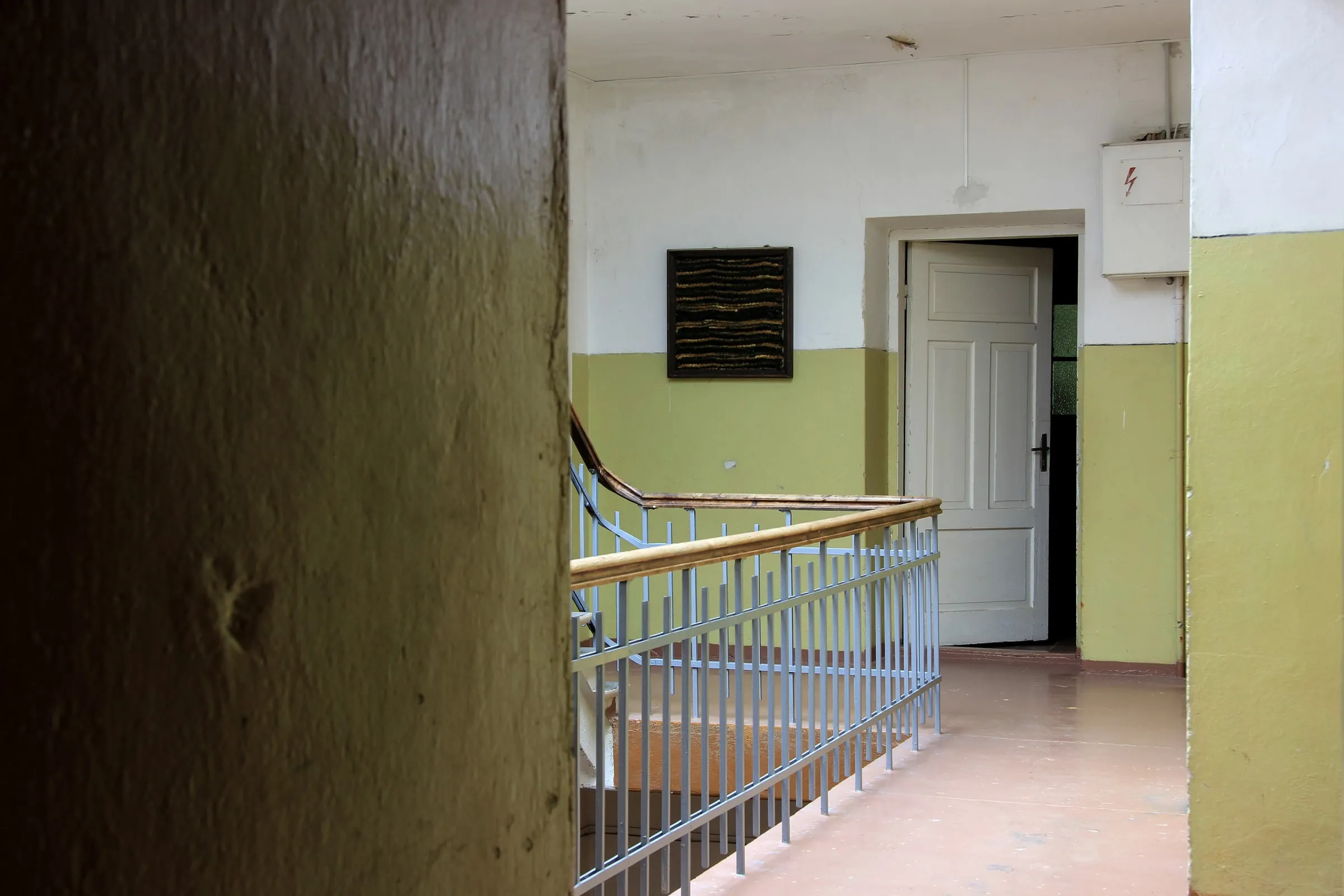
Security for Vacant Apartment Buildings
Dozens of empty units behind doors that used to have residents behind them, checked on foot every round and reported every morning.
Request a proposalThe situation
What a vacant apartment building deals with
A hundred doors
A vacant apartment community is not one building to seal but dozens of units with their own doors, windows, patios and utility closets, each a way in and each holding appliances, copper and fixtures. Sealing them all is a project; keeping them sealed is the job.
Squatters with a story
Empty units draw people who move in and, when found, claim a lease, a relationship with the last manager or a right to be there. The owner's people cannot resolve that at the door, and the situation escalates when they try.
The residents who are still there
During a wind-down or a phased renovation some residents remain in a community that is mostly dark. They are frightened by what they see and hear, and the owner owes them a safe property until they leave.
Fire
Cooking and heating by people who should not be in the building, in units whose smoke detectors have been removed, in a community whose alarm and sprinklers may be impaired. A vacant apartment fire spreads across breezeways and takes the neighboring buildings.
Dozens of doors, checked on foot
A vacant apartment community cannot be sealed once and driven past. It is dozens or hundreds of unit doors, windows, patios and utility closets across several buildings, and every one is a way in and a thing to strip. Price Protection covers it with an officer on the property who walks every building and breezeway on each round, tests every door and board, checks the utility closets for stripped wiring and reports the same night what has changed. A vehicle adds the lots and the perimeter and lets one post cover a large site or several.
The unit sheet
The unit sheet is the checklist: every building, every unit’s status, how each is secured, which buildings still have residents, the utilities and the fire system’s status, the renovation crew’s schedule and the owner’s after-hours number. It is updated as boards go up, as residents leave and as units are demolished, and it is what the officer reads before the first round each night.
Squatters, scrappers and the police
Empty units are entered within days and the people found in them have a story. The officer does not enter, does not argue, keeps the door in view, calls the police and the owner’s line and logs it. The police handle the person and the owner decides on the unit. Stripped wiring, pried doors and water running are photographed and reported so the owner’s contractor is there in the morning.
Residents who remain
During a wind-down or a phased renovation, the residents still on the property are on the manager’s list, are introduced to the officer, and have their buildings on every round. Their concerns, from lights out to noises in the next building, are logged and passed to the manager. Where the community’s fire alarm or sprinklers are out of service, the impairment is reported and a fire watch kept if the fire code official requires it.
Starting coverage
Dispatch needs the community’s address, the buildings and their status, the remaining residents, the renovation schedule, the fire system’s status, the hours wanted and the manager’s or receiver’s after-hours number. An officer can typically be on the property within hours; the supervisor writes the unit sheet and the post orders and the schedule starts on the agreed night.
How we cover it
Every service, applied to this post.
- Unarmed security guards
An unarmed officer on the property for the hours the owner chooses, most often overnight, walking every building and breezeway on rounds, testing unit doors and boards, checking utility closets and patios and contacting anyone found on the property by the post orders.
- Vehicle patrol
For large communities or several vacant properties, a marked vehicle covers the lots, the perimeter and the buildings on a written route with each building walked on foot, and the schedule varied so the rounds cannot be timed.
- Access control
Remaining residents recognized by the manager's list, contractors and the renovation crew admitted by the schedule, brokers and inspectors signed in and out, and every unit door, board and fence panel found open recorded and reported the same night.
- Fire watch
Where the community's fire alarm or sprinkler system is out of service and the fire code official requires a watch, a fire watch is kept with rounds and a log under IFC 901.7 as adopted locally, until the system is restored or the building is demolished.
- Incident reporting
A daily report to the owner, the receiver or the manager: buildings and units checked, doors and boards found open, persons found and the outcome, remaining residents' concerns, contractor activity, damage and fire hazards photographed.
A typical post
What a shift looks like here.
The officer takes the property at dusk with the unit sheet: eleven buildings, two with residents, the rest vacant and boarded, a renovation crew on building four until six. The first round walks every breezeway and stair, tests each unit door and board, checks the utility closets for stripped wiring, and finds building nine's rear patio door pried, with a mattress inside.
The officer does not enter, calls the police and the owner's after-hours line, keeps the door in view, and logs it; the police clear the unit and the officer secures the door as far as possible and photographs it. A remaining resident in building two flags the officer down about lights out in her breezeway; it is logged and she is told the officer will pass every hour.
Later rounds vary the order and repeat building nine. A car in the rear lot at one in the morning is contacted; two people say they used to live here and leave. The report lists the pried door with the police response, the mattress, the resident's light, the car and the crew's departure time.

Reporting
What the daily report covers here
Every client receives a written report each day, and officer performance is reviewed and documented daily. This is what the report records on this kind of post.
- Rounds with times and every building and breezeway walked
- Unit doors, boards, windows and fence panels found open, with the building and unit
- Persons found in units or on the property, the police response and the outcome
- Remaining residents' concerns and what was done
- Contractors and renovation crews on site, with hours
- Stripped wiring, water, fire hazards and damage photographed
- Fire watch rounds where a watch is in place
What does the officer do when someone is found living in a unit?
Does not enter, keeps the door in view from a safe distance, calls the police and the owner's after-hours line, and logs it. The police handle the person; the owner decides on the unit. Officers do not remove anyone by force and do not argue about claimed leases.
Can you cover a community with residents still in it?
Yes. The remaining residents are on the manager's list and the post orders, the officer is introduced to them, and their buildings are on every round. The report records their concerns for the manager.
How often are the units checked?
Every unit door is tested on every round for a fully vacant community, with the rounds several times a night on a varied schedule. Buildings with recent entries are checked more often. The post orders state the minimum.
Do you provide fire watch if the alarm is off?
Where the fire code official requires a watch because a required system is out of service, yes, with rounds and a log until the system is restored or the building is demolished. The impairment must be reported to the fire department and the official.
How quickly can coverage start?
An unarmed officer can typically be on the property within hours. The supervisor walks the community with the manager or the receiver, writes the unit sheet and the post orders, and the full schedule starts on the agreed night.
Related pages
Industries we serve
Insights
Glossary
Request a proposal
Request a proposal for vacant apartment buildings.
Two short steps. Dispatch reviews every request and calls you back about coverage. For urgent unarmed coverage we can typically staff most sites within hours.
24-hour dispatch
(281) 326-9189