
Property manager guides
Security for Vacant Buildings: Reducing Liability and Losses
By Price Protection SecurityReviewed TX DPS Lic #B09430601
Short answer
Reducing liability on a vacant building comes down to three things an owner controls directly: keeping a dated record that the property was checked and what was found, meeting the specific conditions an insurer's vacancy clause sets rather than assuming coverage continues as before, and closing out any fire code issue, especially a system that is out of service, as soon as it is found. Losses follow the same logic: the earlier a change is noticed, the cheaper it is to fix.
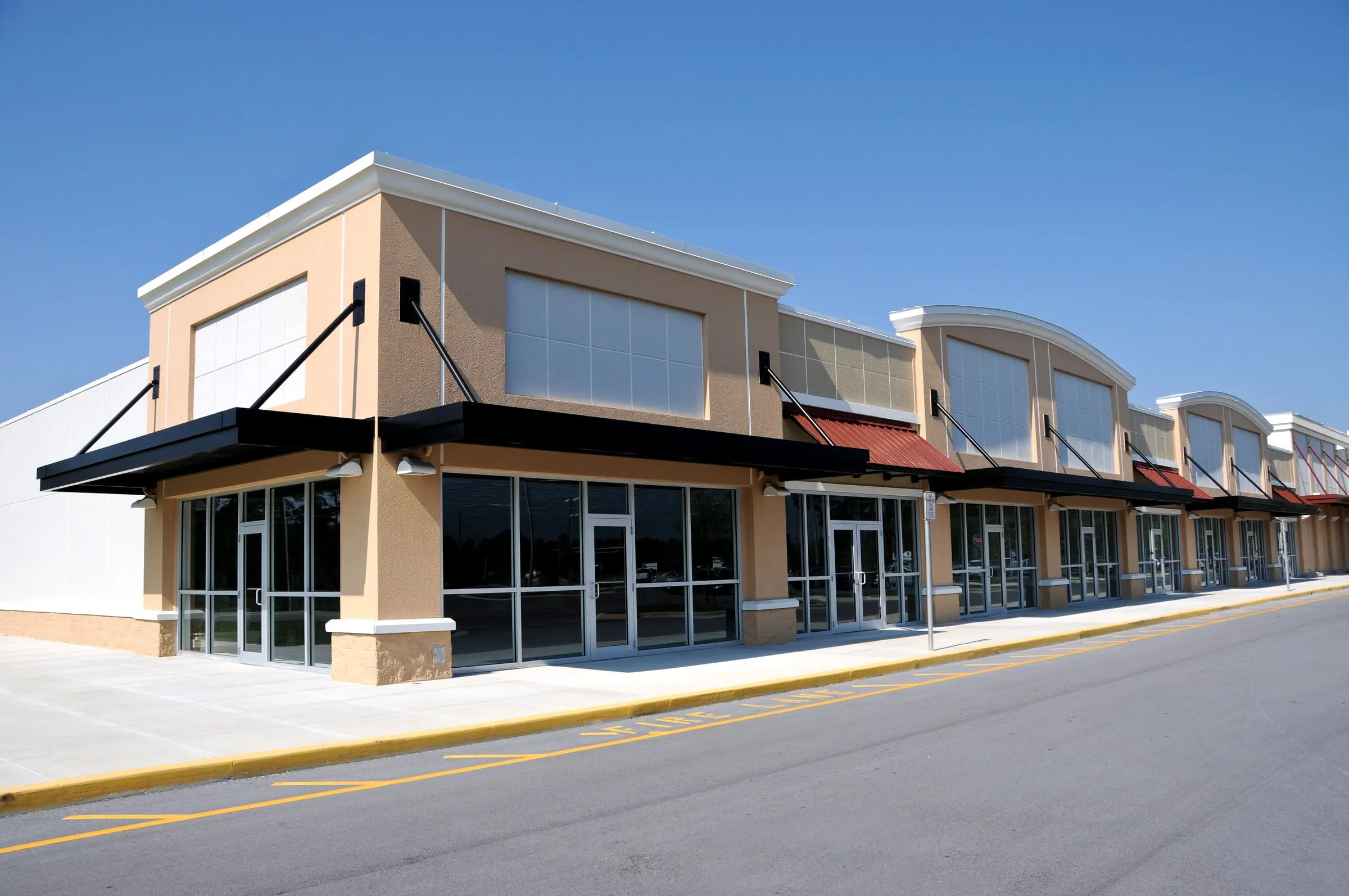
Liability follows the record, not just the building
Two vacant buildings can be identical, same block, same age, same construction, and carry very different liability exposure depending on nothing more than whether one of them has a dated record of being checked and the other does not. An owner’s real exposure with a vacant building is rarely the building itself; it is the gap between what happened on the property and what the owner can show was done about it. A broken window found and reported the same night is a maintenance item. The same broken window, discovered weeks later with no record of when it appeared, is a question an adjuster, a receiver or an attorney will ask about, and “we assumed it was fine” is not an answer that holds up. Reducing liability starts with closing that gap: creating a record, from the first week of vacancy, of what was checked, when, and what was found.
What the insurer’s vacancy clause is actually asking for
Most commercial property policies include a vacancy clause that changes the terms of coverage once a building sits empty past a defined period, commonly limiting or excluding certain kinds of loss unless the owner meets specific conditions. Those conditions typically involve some combination of regular inspection and reasonable protective measures, though the exact language varies by policy and should be read directly rather than assumed. What an insurer generally wants to see after a loss is evidence that the building was actually being watched: a log with dates, times, what was checked at each visit, and what changed between visits. A patrol schedule that exists on paper but produces no record satisfies neither the insurer’s intent nor the owner’s own interest in knowing what happened on the property before the claim was filed.
Fire code obligations do not pause because a building is empty
A vacant building is not exempt from fire code requirements, and in some ways its exposure is higher, because nobody is present to notice smoke, a fault, or a squatter’s open flame the way an occupant would. Where a required fire protection system, a sprinkler system or a fire alarm, is out of service in a vacant building, the same obligations apply as in an occupied one: the fire department and the fire code official are notified, and where the fire code official requires it, an approved fire watch is kept until the system is restored. The International Fire Code’s provision on systems out of service, adopted locally with amendments in Houston, places responsibility on the building owner to designate an impairment coordinator, the person responsible for managing the outage, arranging the watch and coordinating the restoration. This is a summary, not legal advice, and the Houston Fire Marshal’s Office is the authority that applies the code to a specific building.
Where losses actually accumulate
Liability and loss reduction are connected but not identical, and it helps to separate them. Liability is about what an owner can show was done; losses are about what actually leaves the building. On a vacant property, losses typically escalate in stages: a first entry tests whether anyone is watching, and if nothing happens in response, a second and more thorough one follows, often for copper, HVAC equipment or plumbing fixtures. Left unaddressed, the building becomes known as unguarded, which increases the frequency of entries rather than the size of any single one. Catching the first entry, through a check frequent and irregular enough to notice it quickly, is what keeps the losses from compounding into the second and third stage, where the building is stripped rather than merely tested.
| Concern | Who typically asks for the record | What generally satisfies it |
|---|---|---|
| Coverage after a vacancy period | The property insurer | Dated inspection log, conditions met per the policy |
| A fire protection system out of service | The fire department, fire code official | Notification, an impairment coordinator, a fire watch if required |
| A lender’s or receiver’s requirements | The lender, court-appointed receiver | A security program consistent with the loan or order terms |
| A loss or injury claim | Adjusters, courts, opposing counsel | A record of checks, findings and prompt response to hazards |
The economics of checking early
A patrol schedule for a vacant building is a modest, predictable cost against losses that are neither modest nor predictable once a building has been entered repeatedly. The first pried door, addressed the same night with a board-up and a report, costs far less to resolve than the same building three months later with the copper stripped, the HVAC units gone from the roof, and a squatter’s cooking fire having done structural damage the fire department has since documented. Framed as liability reduction alone, security for a vacant building can look like a cost with no visible return until something goes wrong. Framed as the thing that keeps a small, cheap problem from becoming a large, expensive one, the same coverage is easier to justify from the first week of vacancy rather than after the first loss.
Building the record from day one
The strongest position an owner can be in, whether facing an insurer, a fire code official or a claim, is a continuous record that starts the week the last occupant leaves and does not have a gap in it. That means deciding, before the building sits empty for even a month, who checks it, how often, what gets logged at each visit, and who is notified if something is found. A vacant building with that record from the start is a very different liability picture than one where checks began only after the first loss made them necessary.
Questions
Related questions
What does an insurer usually want to see for a vacant property?
Policy terms vary, but vacancy clauses commonly ask for regular inspections and reasonable steps to protect the building, and they may limit or exclude coverage after a set period of vacancy unless those conditions are met. A dated log of checks, with what was found at each one, is the record most owners rely on to show the conditions were satisfied. Read the policy itself for what applies to a specific building.
Who is the impairment coordinator, and does a vacant building need one?
The impairment coordinator is the person a building owner designates to manage a fire protection system that is out of service, including notifying the fire department and arranging a fire watch where the fire code official requires one under IFC 901.7 as adopted locally. A vacant building with any fire protection system, even one that is simply disconnected because the building is empty, needs someone in that role rather than leaving the question unanswered.
Is a drive-by check enough to reduce liability, or does someone need to go inside?
It depends on the building's condition. A sealed building that has not been entered can often be checked from a vehicle with the officer out at every opening: doors, windows, gates and roof access. A building that has already had an entry, or one with an active fire watch requirement, generally needs an officer on foot, inside on a schedule, because the record an insurer or a fire code official wants is more detailed than a perimeter check alone provides.
How soon after a building goes vacant should checks start?
As soon as the last tenant or occupant leaves. The gap between vacancy and the first check is when a building is least likely to have been noticed as vacant yet, which sounds protective and is not; it is also the gap in which no record exists if something happens in the first days or weeks.
Related pages
Industries we serve
Services
Insights
Glossary
Request a proposal
Request a proposal for your property.
Two short steps. Dispatch reviews every request and calls you back about coverage. For urgent unarmed coverage we can typically staff most sites within hours.
24-hour dispatch
(281) 326-9189